
 Diksha Sundriyal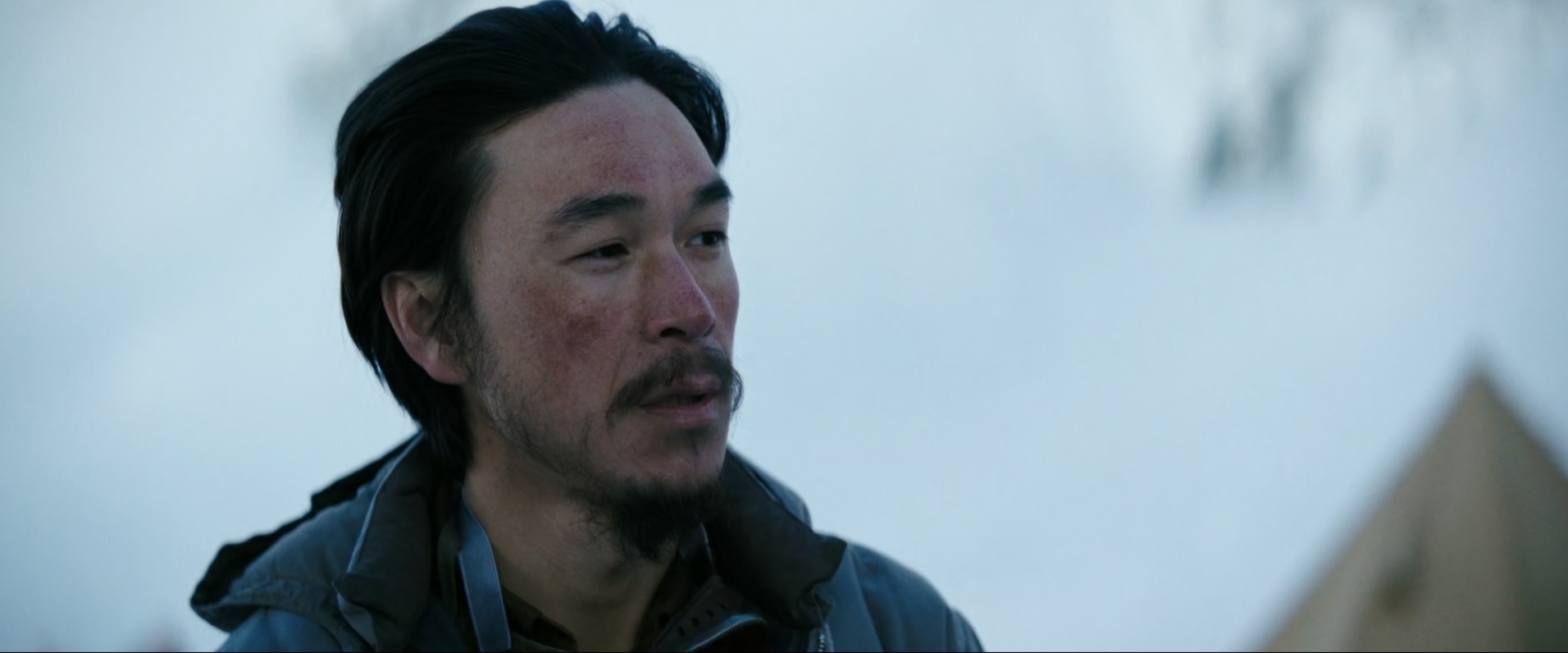
Apple TV’s ‘Tenzing’ tells the story of the famed mountaineer, Tenzing Norgay, who summited Mount Everest with Edmund Hillary in 1953. Apart from focusing on the expedition, the film also turns the lens towards Norgay’s personal struggles. As a child, he migrates from his village in Tibet to Nepal, where he grows up amongst the Sherpa community. While he adopts their customs and even marries into the community, some continue to see him as an outsider. One of those people is Pasang, a Sherpa and mountaineer who seems to harbor a personal grudge against Tenzing. SPOILERS AHEAD.
Apple TV’s Tenzing Presents a Fictionalized Version of a Real Sherpa
When John Hunt led the Everest expedition in 1953, 20 Sherpas joined the venture and played an integral role in making it the historic success it became. One of those Sherpas was named Pasang Dawa. However, like many other Sherpas who often recede into obscurity while other mountaineers take the glory, nothing else is known about him aside from the fact that he was on the expedition that ended with Tenzing Norgay and Edmund Hillary’s successful ascent. The film accurately portrays the village of people who supported the venture as guides and porters, among other roles. However, the portrayal of Pasang takes significant creative liberties, and the reason is not just petty rivalry or a need to infuse drama.
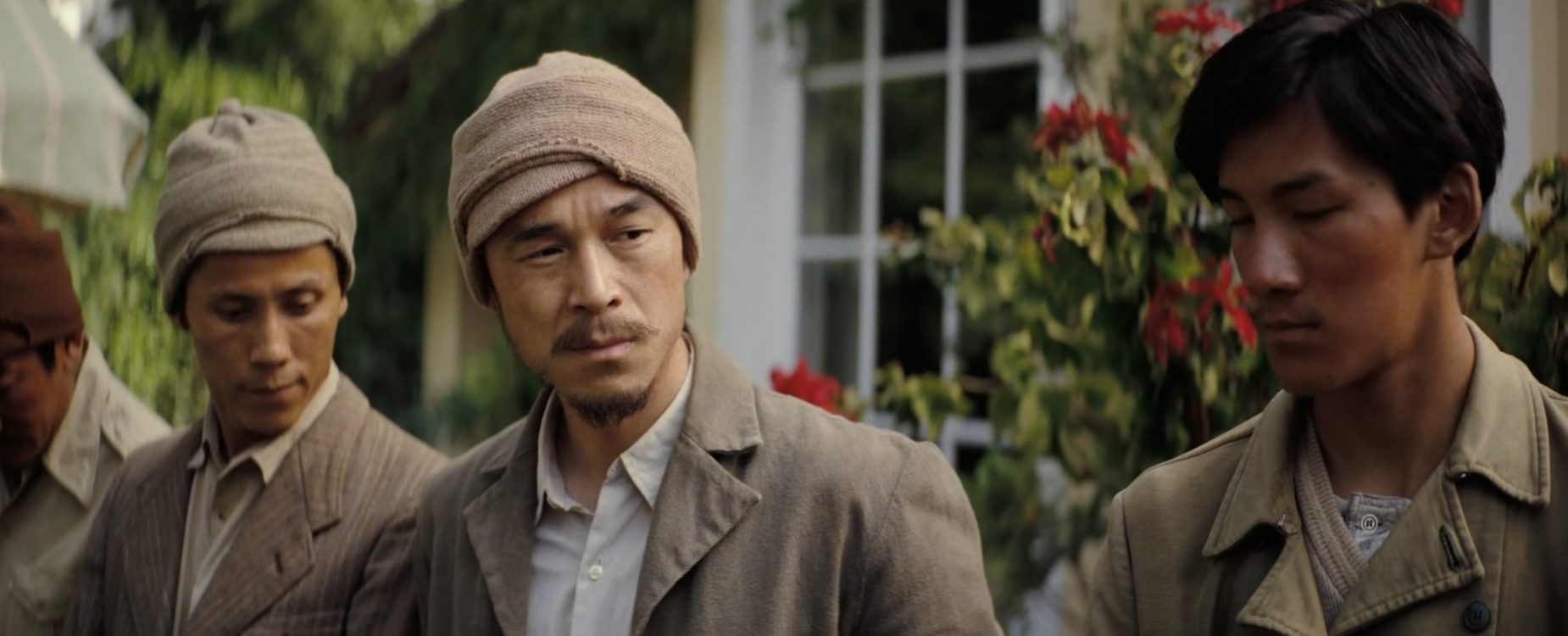
In the film, we see Tenzing growing up with the Sherpas. While he is treated as a friend and a trustworthy person, there is still some bias about his status in the hierarchy. This is particularly highlighted when he goes to Dawa’s father to ask for her hand in marriage. He is reminded that while he may have lived amongst them, he is not one of them. This sentiment extends into the later years of his life, even after he has established himself as an accomplished mountaineer. In fact, the first time he goes to the Himalayan Club in Darjeeling, India, hoping to join a team, he is rejected because he is not a Sherpa but a Bhotia. Incidentally, Pasang is also there, though he looks very different and has a completely different set of qualifications.
Over the years, Tenzing and Pasang’s lives take completely different paths. And Pasang always makes it clear that Tenzing is an outsider, not one of the Sherpas. His disdain increases when Tenzing is chosen as the head Sherpa in the 1953 expedition, and Pasang has to work under him. One of the things he doesn’t like is how Tenzing has managed to carve out a space for himself on the climbing team. To Pasang, he is a non-Sherpa who uses the credentials of being one and reaps the benefits, while real Sherpas like himself have to serve under him. Of course, he doesn’t know all the things Tenzing does for the sake of his team. It isn’t until much later, when they are only a day or two away from the peak, that Pasang finally starts to respect Tenzing.
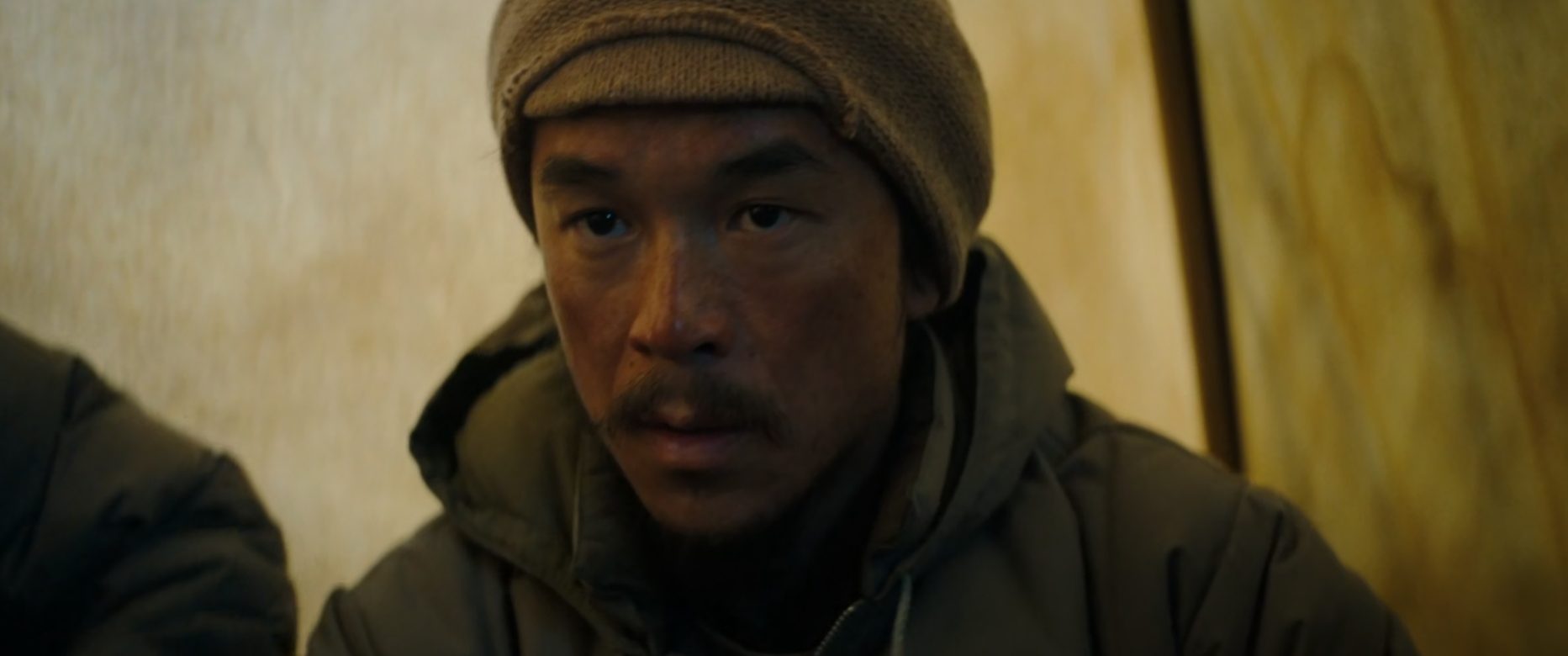
It is not known whether the real-life Pasang had similar sentiments for the real Tenzing Norgay. However, the bias the mountaineer faced for being Tibetan rather than a Sherpa by birth was real, especially in his early years. As shown in the film, he did have a lower status in the hierarchy, but eventually, things changed. Over the years, Tenzing proved himself a worthy mountaineer, and his summit of Everest completely rewrote the story of the Sherpa community. He was the first of them to demand a proper place on the climbing team, setting a precedent for others like him. Slowly and steadily, the prejudice held against him dissipated, and now, there is nothing but respect for him in everyone’s hearts.
Read More: How did Tenzing Norgay’s Wife Dawa Die? Did He Really Leave Her Rosary on Everest?


You must be logged in to post a comment.