
 Aahana Swrup
Created by Gustavo Lipsztein, ‘Radioactive Emergency’ (Originally titled ‘Emergência Radioativa’) is a Portuguese drama thriller series that charts the story of a tragedy of negligence. The story is set in 1987 in the Brazilian city of Goiânia, Goiás, where a pair of local scavengers uncover a strange steel capsule in an abandoned Radiotherapy Institute. As they sell this canister for scraps, it leads to the inadvertent distribution of Cesium-137, an incredibly radioactive material, around the town.
By the time officials come to know about the radioactive contamination in the city, partly thanks to a visiting nuclear physicist, Marcio, the spread has already gone far beyond any precedent. As a result, government officials, doctors, and field specialists must work together to erect a proper decontamination solution while fighting to save the lives of the contaminated. The series presents a high-paced cinematic dramatization of the real-life Goiânia accident that unfolded in the eponymous city in 1987.
Radioactive Emergency is Based on the True Story of the Goiânia Accident
‘Radioactive Emergency’ centers around the city of Goiânia in Goiás, Brazil, which fell victim to a large-scale radioactive contamination accident. The real-life incident stemmed from a Cesium-137 teletherapy unit that a private radiotherapy establishment left behind. The Goiânia-based clinic, Instituto Goiano de Radioterapia, shut down in late 1985 and subsequently moved from the city. However, they failed to take the machinery used for cancer treatment with them. As a result, two years later, the unit, which housed the dangerous Cesium-137 substance, remained on the clinic’s demolished and abandoned premises. Worse yet, since Instituto Goiano de Radioterapia didn’t notify the right authorities about the presence of this piece of technology, there were no suitable security measures installed around it.
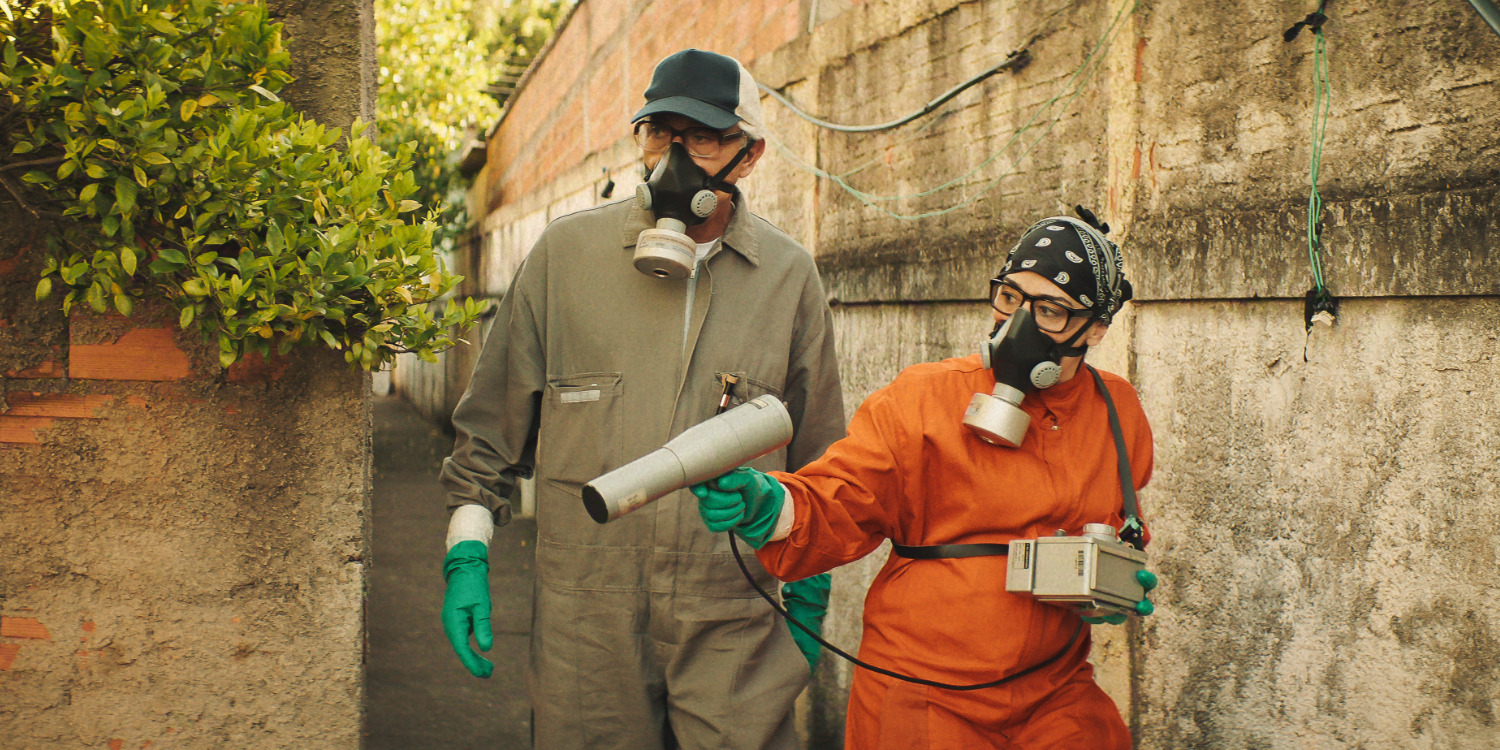
A quiet disaster eventually struck on September 13, 1987. Local scavengers Roberto dos Santos Alves and Wagner Mota Pereira raided the abandoned clinic, where they found the steel canister that was the radiotherapy source. They ended up taking the canister with them, unaware that it carried the highly radioactive substance, Cesium-137, within. After breaking open the canister, the two men sold the lead capsule inside the canister to Devair Ferreira, the owner of the local junkyard. Ferreira went on to discover the Cesium-137 inside the capsule. However, he remained oblivious to the substance identity as a hazardous isotope. As a result, the junkyard owner ended up bringing the glowing blue powdery substance home to his family and neighbors.
Radioactive Emergency Highlights the Bravery of Individuals Who Made the Cleanup Operation Possible
Once the Cesium-137 substance was introduced to the lives of the Goiânia locals, disaster was inevitable. Initially, Devair Ferreira and the people he shared the chemical with, including his family, remained entirely unaware of its biohazardous properties. People who came in contact with the substance continued to get sick en masse. Yet, nuclear radiation contamination was so far beyond anyone’s expectations that their symptoms were misdiagnosed as a tropical disease. Even so, Ferreira’s wife, Maria Gabriela, remained suspicious of the phosphorescent powder, suspecting it to be behind the misfortune. For the same reason, on September 28, 1987, she ended up leaving it at a doctor’s office.
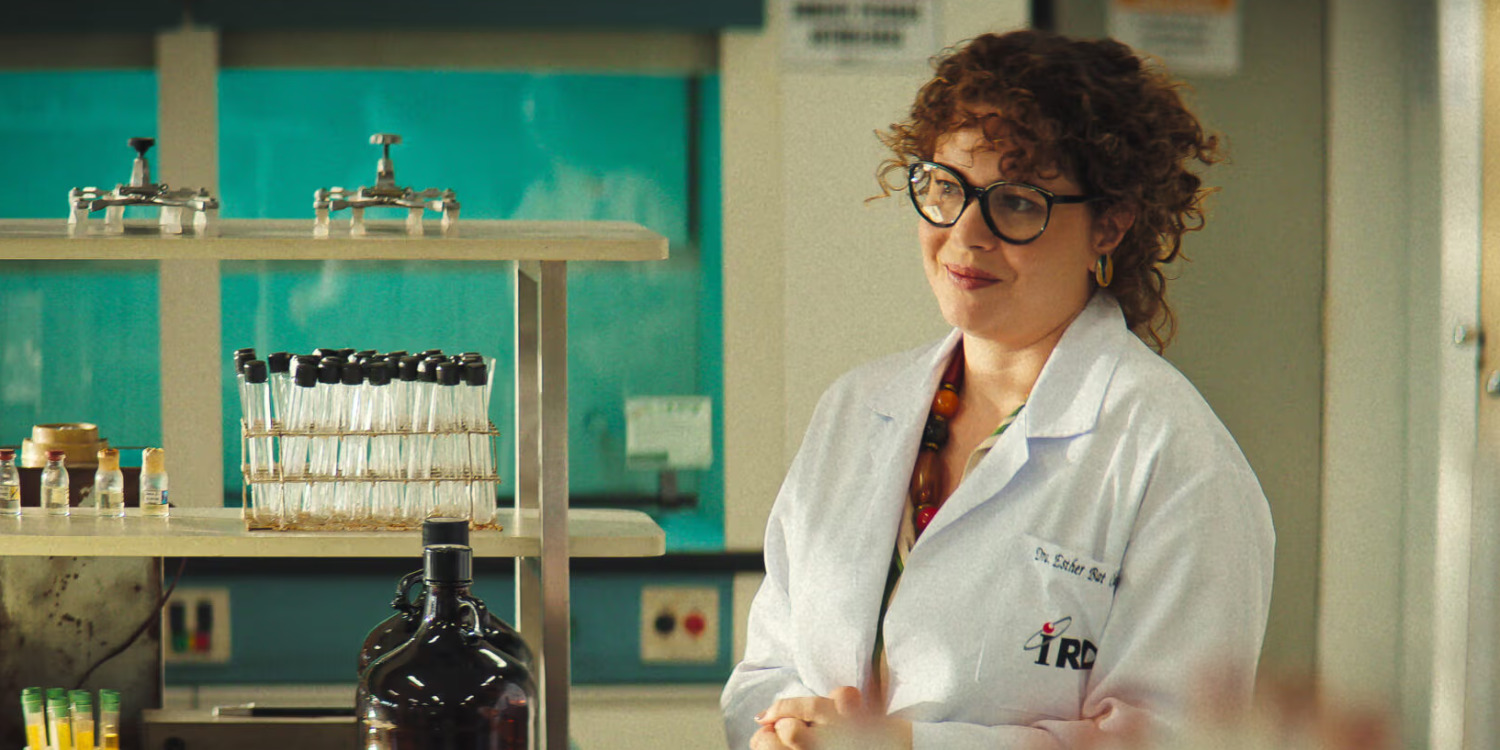
Afterward, the bag caught the attention of a visiting medical physicist, who eventually identified it as the source of a large radiological disaster. In the immediate aftermath, the city’s Olympic Stadium was turned into a triage site for the potentially contaminated patients. In the days that followed, over 100,000 people were screened for possible contamination, with 249 people showing signs. In the end, 20 people were diagnosed with radiation sickness and required intense medical treatment. Ultimately, four people died, including Maria Gabriela Ferreira, her 6-year-old niece, and two employees at Ferreira’s junkyard. Furthermore, authorities carried out multiple decontamination operations to ensure the city’s safety. Additionally, criminal negligence charges were levied on three doctors from the abandoned clinic, while radiological safety laws were rolled out in Brazil.
Radioactive Emergency Charts a Real Story Told Through a Partially Fictitious Lens
The narrative of ‘Radioactive Emergency’ is explicitly based on the Goiânia Accident and takes direct inspiration from the lives of the real-life people involved in the tragedy. Yet, in translating the accident for the screen, the series notably makes some key changes. The names of the characters and institutions involved in the tragedy’s cause and clean-up bear fictitious monikers, different from their real-life counterparts. Furthermore, certain embellishments are made to the personal and professional lives of the characters who portray the stories of the victims, politicians, medical professionals, and scientific experts.
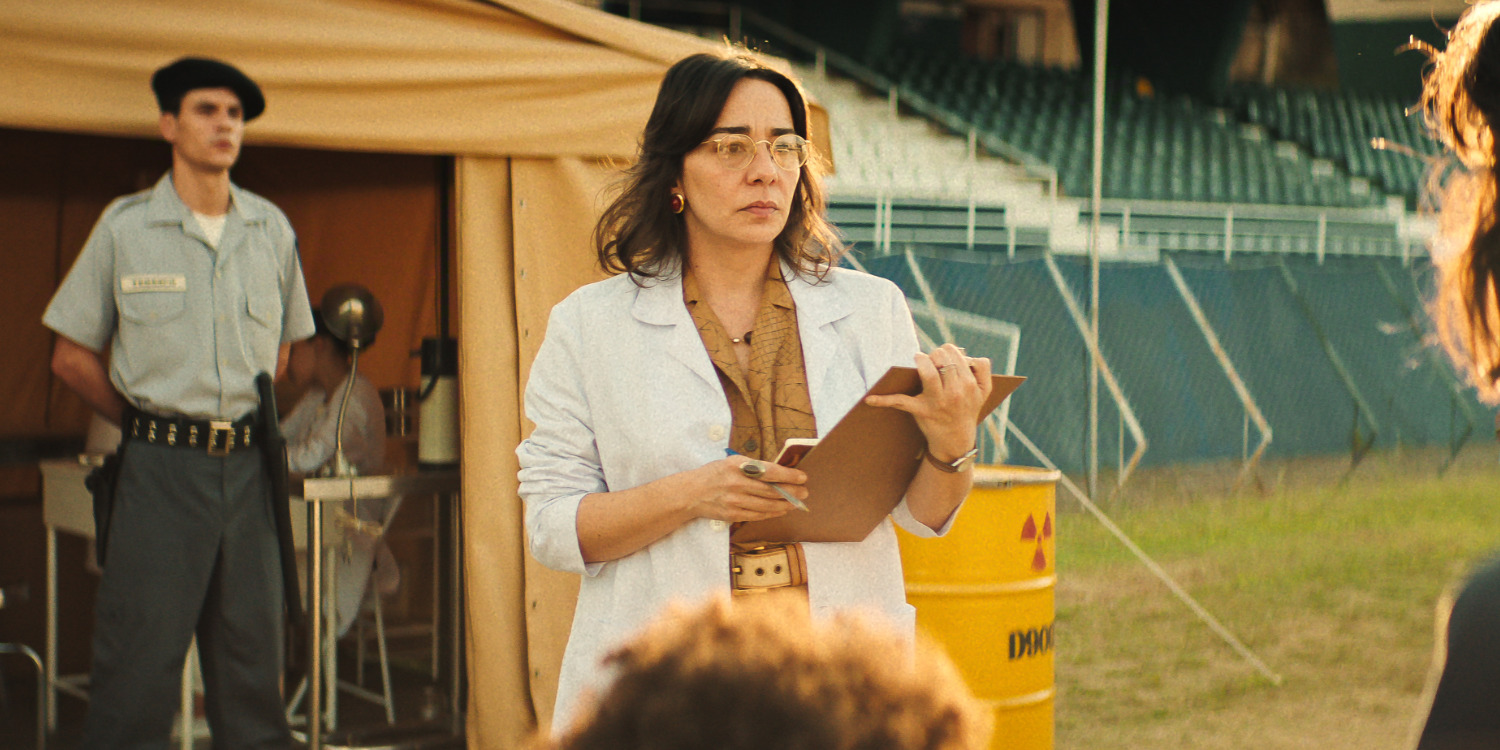
This distinction reflects the show’s willingness to equip artistic liberty as necessary in the service of the story’s narrative. Characters like Anatonia, the on-screen counterpart to Maria Gabriela, Dr. Eduardo, who treats the radioactively contaminated patients, and Roberto Correia, the governor of the city, all possess details that divert their on-screen paths from the lives of their off-screen counterparts. Ultimately, these distinctions only serve a storytelling purpose and don’t detract from the show’s commitment to historical accuracy in portraying the true story of the tragedy.
Marcio is Partially Inspired by a Real-Life Physicist
Despite changing the names of the individuals involved in the Goiânia Accident of 1987, ‘Radioactive Emergency’ presents a close-to-reality depiction of historical events. As a result, the character of Marcio, who occupies a protagonist’s role in the show, also finds a concrete basis in reality. The character is evidently based on the visiting medical physicist who used his scintillation counter to identify the radioactivity of the scrap left by Maria Gabriela Ferreira. As per records, after the latter left the radioactive material at the local Health Center, the doctor suspected radiation to be the cause behind the locals’ deteriorating health. Consequently, he reached out to one of his acquaintances, W.F., a medical physicist who happened to be visiting the city.
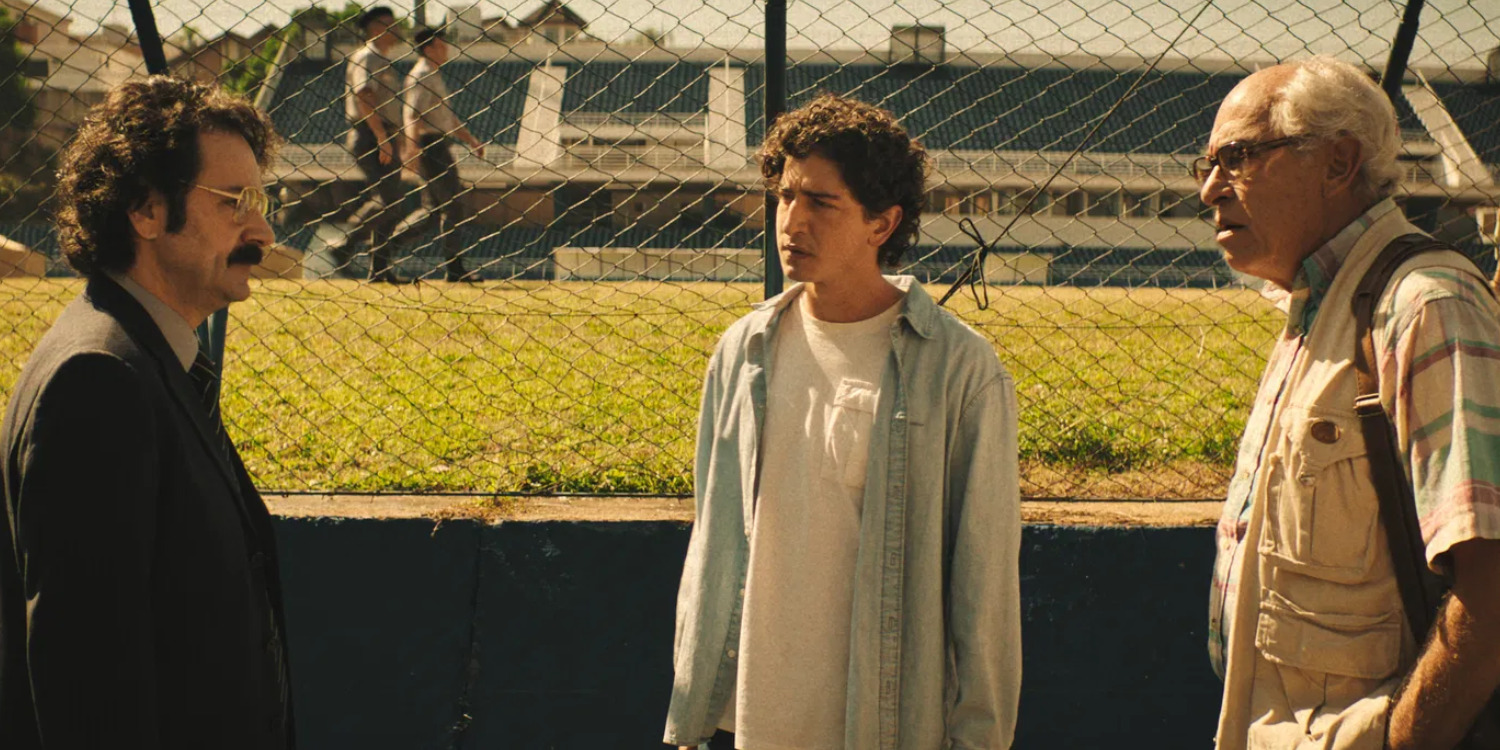
Once W.F. identified the adverse level of radiation on the package, he led the charge in initiating public evacuation and brought the concern to the Secretary of Health of Goias State. He also communicated and collaborated with the authorities and experts at the National Nuclear Energy Commission, or CNEN, to craft the response and cleanup operation for the disaster. Furthermore, as the decontamination process continued, the physicist remained a part of the response team. Thus, Marcio’s narrative remains informed by the real-life contribution of W.F. Even so, the show instills Marcio’s characterization and narrative with storylines and connections that are likely works of fictionalization. For instance, in the show, Marcio is a nuclear physicist rather than a medical physicist. Similarly, his personal life as a husband and an expecting father also finds little basis in available historical records about the character’s off-screen inspiration.
Read More: Is Imperfect Women Based on a True Story?


You must be logged in to post a comment.