
 Diksha Sundriyal
Directed by David Mackenzie, ‘Relay’ is a suspense thriller film that follows the story of a fixer who works with whistleblowers. Riz Ahmed stars as Ash, who mediates deals between individuals who have changed their minds about blowing the whistle and the companies they were supposed to expose. The story centers on Ash’s efforts to assist Sarah, a woman being stalked and harassed by her former employers, who seek the documents she possesses. The film explores the themes of morality and survival, as well as the profound loneliness that accompanies the profession. The characters and their struggles are portrayed in an intensely realistic manner, which evokes a connection with the story while also keeping the audience on the edge of their seats.
Relay Imagines the High Stakes World of Whistleblowing
‘Relay’ is a fictional story following the journeys of the characters concocted by writer Justin Piasecki. The idea of the story emerged from the thought of a person who conducts his job without ever meeting or communicating with his clients in person. The storyteller aimed to evoke the sense of loneliness that accompanies such a profession. To make things even more intense, the emotion of paranoia was thrown in the mix, which led to the setting of whistleblowing in the story. The film’s title refers to the Telecommunications Relay Service, which is used by deaf callers to communicate with the other person on the line. The fact that this service keeps no records and the privacy of the callers is strongly protected through anonymity makes it an excellent medium for someone who wishes to stay out of the line of sight. The use of this technology allowed the writer to present Ash’s world in a more authentic light.

Because Ash’s job in the film is so unique, the filmmakers decided to find people on whom they could base Ash. However, director David Mackenzie revealed that, in their research, they never came across anyone who could be a model for Ash. Still, they spoke to real-life whistleblowers to understand their state of mind and how they had navigated the situations that characters like Sarah find themselves in. They also consulted spies to know how someone like Ash would approach the task of remaining invisible while keeping a watchful eye on everything around him. They understood that the character had to be someone who could blend into the crowd and pass by unnoticed. This sense of anonymity, as well as the aspect of being underestimated, would become his power, helping him and his clients escape particularly tricky situations.
Mackenzie also noted that the whistleblowers they met as part of their research were sad. Talking with them opened the filmmakers to the realisation of how isolated the act of whistleblowing can be and how it can break someone’s psyche. Moreover, if the person decided to make a deal and not go through with the plan of exposing a particular company or protect, then that would also gnaw at their mind and soul because they would blame themselves for giving up the lives they used to have for nothing. At the same time, these conversations also reflected the level of bravery required to even consider, let alone undertake, the task of whistleblowing.
Relay Invokes the Vibe of the Classic 70s Thrillers
When Justin Piasecki originally wrote the film, he called it ‘The Broker.’ The script was featured in the 2019 Black List, following which it caught David Mackenzie’s attention, who was drawn to the idea of exploring the paranoia and high-stakes situation of the story. Several reasons, including the COVID-19 pandemic, led to the project being pushed forward, resulting in its production being delayed until 2023. With Mackenzie on board, some changes were made to the script, with Piasecki, Mackenzie, and even actor Riz Ahmed collaborating to enhance certain sections of the story and find a way to tighten the pace and make the film as tense and gripping as possible. Mackenzie drew inspiration from classics like ‘Three Days of the Condor,’ ‘The Parallax View,’ ‘Michael Clayton,’ ‘Klute,’ and ‘The Conversation’ to create a similar sense of intrigue.
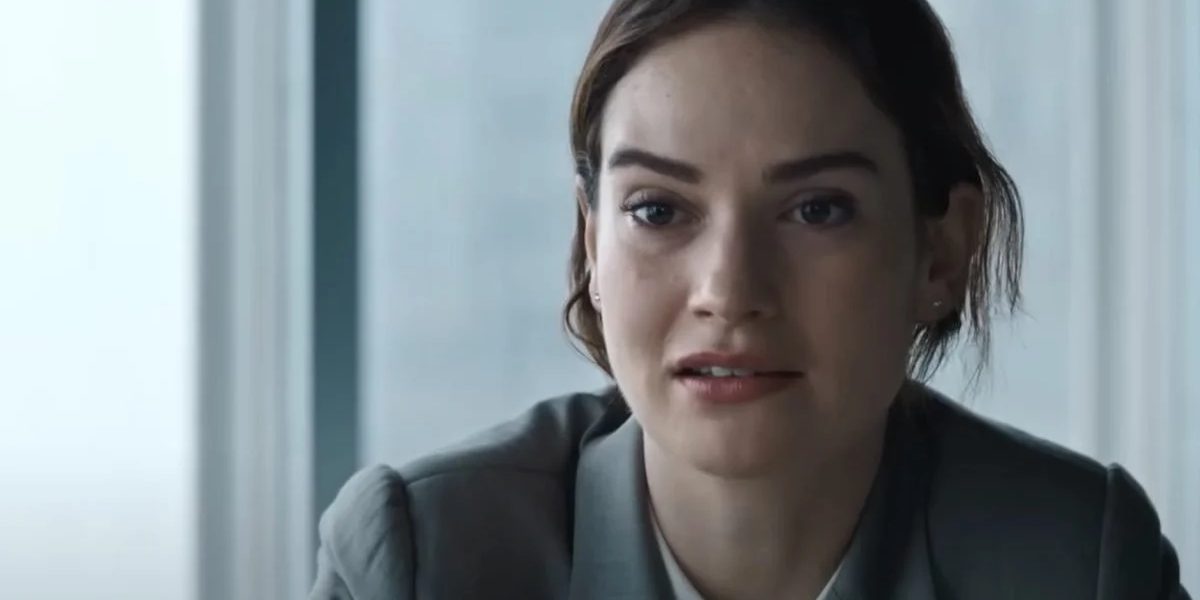
The setting of New York also added to the 70s noir tone of the film. While scouting areas around Penn Station, the filmmakers found real, functioning phone booths used for the relay service, which helped them craft an authentic version of the same in the movie. Mackenzie wanted to film the movie in November, but the delays and other complications led the schedule to shift to April. The idea for a November shoot was to capture the bleakness of the city and carry its dark and moody nature into the story. However, with the April shoot, it was decided to grade it down a bit to get the desired touch.
At the end of the day, what made Mackenzie excited to make the film was the pull he felt towards the protagonist. The director revealed that he likes stories about characters who feel like outsiders who are not ready to go down without a fight, and with Ash, he felt the same. He wanted to explore the personal cost of whistleblowing, while also indulging in something like what Ash does in the movie. At the same time, he wanted the audience to feel the thrill as they watch the film and are on the edge of their seats while rooting for the characters, who may or may not be entirely morally good.
Read More: Best Thriller Movies on Netflix


You must be logged in to post a comment.