
 Saagar Kote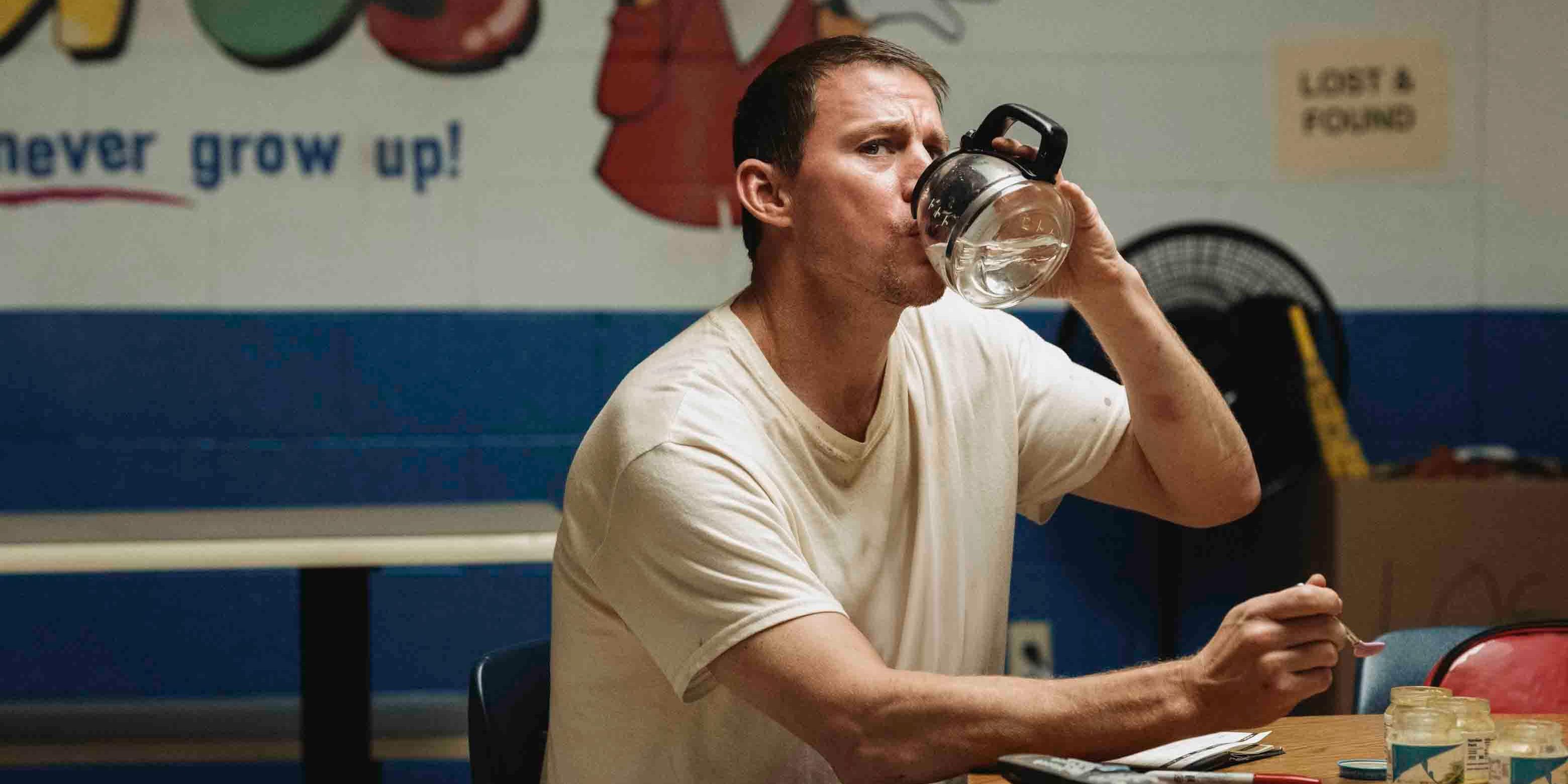
Directed by Derek Cianfrance, ‘Roofman’ dramatizes the story of a convicted robber and a former non-commissioned US military officer named Jeffrey Manchester, who defies the odds to escape prison and lives in a Toys “R” Us store to hide from law enforcement. In the crime comedy drama film, the protagonist, Jeffrey, after his daring escape, looks to survive his ordeal, even as he is challenged by feelings of love he develops for Leigh Wainscott, an employee at the store where he is taking shelter. What starts as a tale of prison escape, robberies, and a manhunt soon becomes an endearing tale of romance and connection. The narrative features adrenaline-fueled action sequences while also exploring the humanity of the characters involved. The themes of courage, intelligence, and love find a poignant representation in the film. SPOILERS AHEAD.
Roofman is Inspired by the Trials and Tribulations of Jeffrey Allen Manchester
Written by the director Derek Cianfrance and Kirt Gunn, ‘Roofman’ is the almost unbelievable real story of Jeffrey Allen Manchester. Born in 1971, Jeffrey enlisted in the US Army, where he was equipped with various skills that made him capable of robbery. He got married at the age of twenty and even started a family. He was dubbed the “Roofman” and the “Rooftop Robber” due to his ability to break into places, especially McDonald’s outlets, by drilling into and breaking parts of roofs. Jeffrey Allen Manchester was apprehended in 2000 after his involvement in the robbery of two McDonald’s outlets. This led him towards incarceration in the Brown Creek Correctional Institution in Polkton. In 2004, he cleverly escaped prison by hiding in a truck departing the prison.

This daring escape attempt eventually took him to Charlotte, where he started hiding and living in a Toys “R” Us store. While in the store, he used baby monitors to keep watch over his surroundings during the day when he was hidden. Jeffrey Manchester bunked in the Toys “R” Us store on East Independence Boulevard in Charlotte by cleverly designing his own hideout, where he lived undetected for months. However, the employees of the toy store did notice strange things in the space, especially bicycle tire tracks in random places and items going missing, indicating that someone was secretly living in the store. Using the alias John Zorn, the real Jeffrey attended Sunday service at the Crossroads Church, a Presbyterian establishment.
He eventually started to go out and even began a relationship with a woman named Leigh Wainscott, whom he met at the church. The movie primarily focuses on this phase in the protagonist’s life, as he navigates feelings of love while trying to conceal his identity. Don Roberson, one of the individuals who worked at the store, initially thought that something supernatural or ghostly was probably haunting his workplace. The narrative depicts the protagonist’s life in the store, particularly the parts where he roamed around with a sense of freedom and reportedly stole toys after the employees had gone home.
According to reports, the escapee even altered the store’s work schedules to remain undetected. In the fall of 2004, a colleague spoke to Don, saying that someone had been living inside the store’s walls. He took Don to a small area in the store and pointed to a section of the wall that looked sealed and finished. However, it was actually cleverly designed to hide a fake wall and a small space behind it, big enough for an adult to hide in. Ultimately, Jeffrey led a life of high risks in order to survive.
The Film Dramatizes Events From Jeffrey Manchester’s Life
In the movie, the protagonist, Jeffrey, breaks into McDonald’s outlets while remaining courteous to the employees, which reflects the real-life happenings around the person the character is based on. Speaking to Time, director Derek Cianfrance said that he had actually spoken to the real-life criminal before making the film. The real Jeffrey took the alias “John Zorn” during his time in the toy store and even became an active member of the community. The film, despite its creative liberties, portrays these happenings in the life of the criminal while he was living in Charlotte. According to Cianfrance, one of the primary motivations for Jeffrey’s actions in the film and in reality was the responsibility of being a father. He claimed that Jeffrey wanted to provide for his daughter, which led him towards a life of crime. The movie portrays the humanity of the protagonist while showing his involvement in crime.

The filmmaker stated, “I couldn’t call him because Jeff is in a max security prison, so I got him my number and somehow he called me. I picked up and he called me back and I picked up and over the course of the next four years, I would get three to four phone calls from him a week.” The director’s conversations with Jeffrey helped him form the basis for the narrative, which ultimately culminated in the making of the film. In the movie, Jeffrey is seen threatening McDonald’s employees after breaking into an outlet, hoping to steal money. He even offers his own coat to an employee, fearing that he might feel cold.
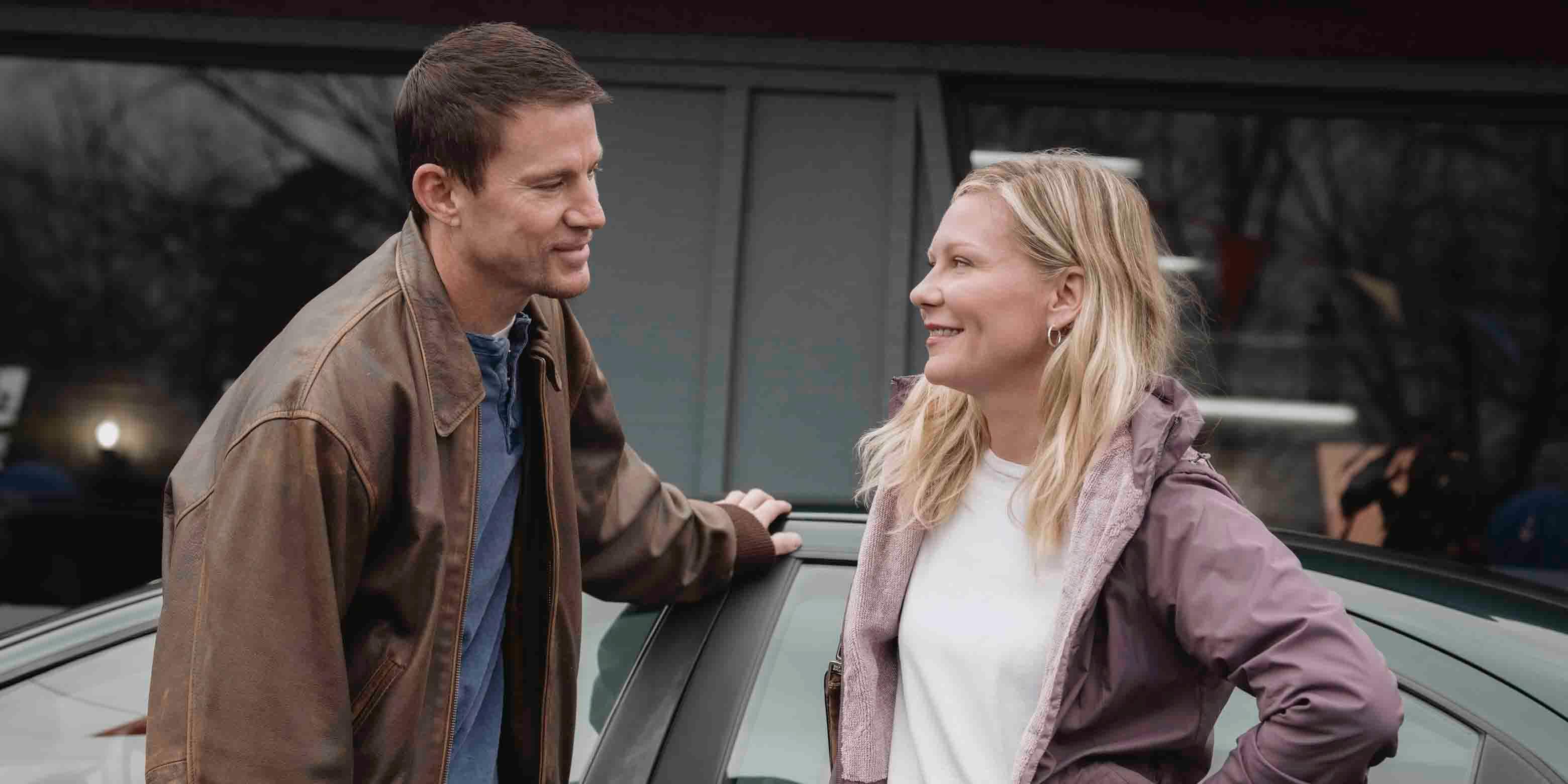
The movie depicts a scene where Leigh asks the protagonist out on a date, which is based on the real happening of Leigh asking Jeffrey out during a brunch at TGI Friday’s. The film employs high-speed chases and creative liberties to enhance the story’s thrill and cinematic appeal. Despite the over-the-top feel of the narrative, the core emotions behind the characters stem from the human connection that developed between Jeffrey and Leigh. Their arc is the emotional nucleus of the story, focusing on the inner lives of the characters.

A 2025 report from The Charlotte Observer confirms the real-life inspiration behind a particular moment in the film. In May 2000, after breaking into a McDonald’s outlet, Jeffrey took eight employees hostage using his gun. While robbing them, he apologized to them and also showed calmness. He even expressed his gratitude to the people he was stealing from, while also offering them coats before he locked them up inside a cooler. The film accurately portrays the real thief’s personality on screen, adding to its authenticity. The life of the real Jeffrey is characterized by behavior that is not generally associated with robbers or criminals; however, his unique and often civilized approach towards theft makes him a distinctive individual to decipher.
The Narrative Delves Into a Complex Real-Life Tale of Crime
Portraying Jeffrey’s story on screen came with its own set of challenges for the actors involved in the film. As reported by the Toronto Sun in 2025, Channing Tatum, who plays Jeffrey Manchester in the film, talked to the real-life Jeffrey in order to prepare for his role. The actor said, “He’s in a supermax prison … so he can call me. It’s 15 minutes and then they cut it off. It doesn’t matter where I am. I remember, I was talking to my daughter’s teacher at school and Jeff called and I had to say, ‘One second, sorry. I need to take this.’ I ran away and was like, ‘Hey man, what’s up?’” Channing’s portrayal of the character delves deeper into the humanity of the criminal, made possible by their interactions.

Kirsten Dunst, who portrays Leigh in the film, confirmed that she spoke to the real-life individual in order to get her character right. She said, “I met her on set, but Derek had talked with her at length and the thing that I took away from it was she didn’t have any resentment towards Jeff or what happened. She fondly looks back at that time as one of the best moments in her and her kids’ lives. So to carry that love was a great guide for me.” The film, while entertaining the viewers, also pays homage to the spirit of love that forged a connection between Leigh and Jeffrey.
The film essentially balances the ideas of crime, humor, and emotions in a poignant manner. The protagonist’s quest for survival inadvertently leads him towards love and connection. The narrative doesn’t take a moral side in the portrayal of Jeffery Manchester’s life, but looks at the humanity behind the story, and examines the ups and downs in the life of the main character in all its complexities. In conclusion, it can be said that ‘Roofman’ presents a portrayal of the events in the lives of real individuals, presented in a cinematic narrative style.
Read More: Is Play Dirty Based on a True Story?


You must be logged in to post a comment.