
 Abhiroop Das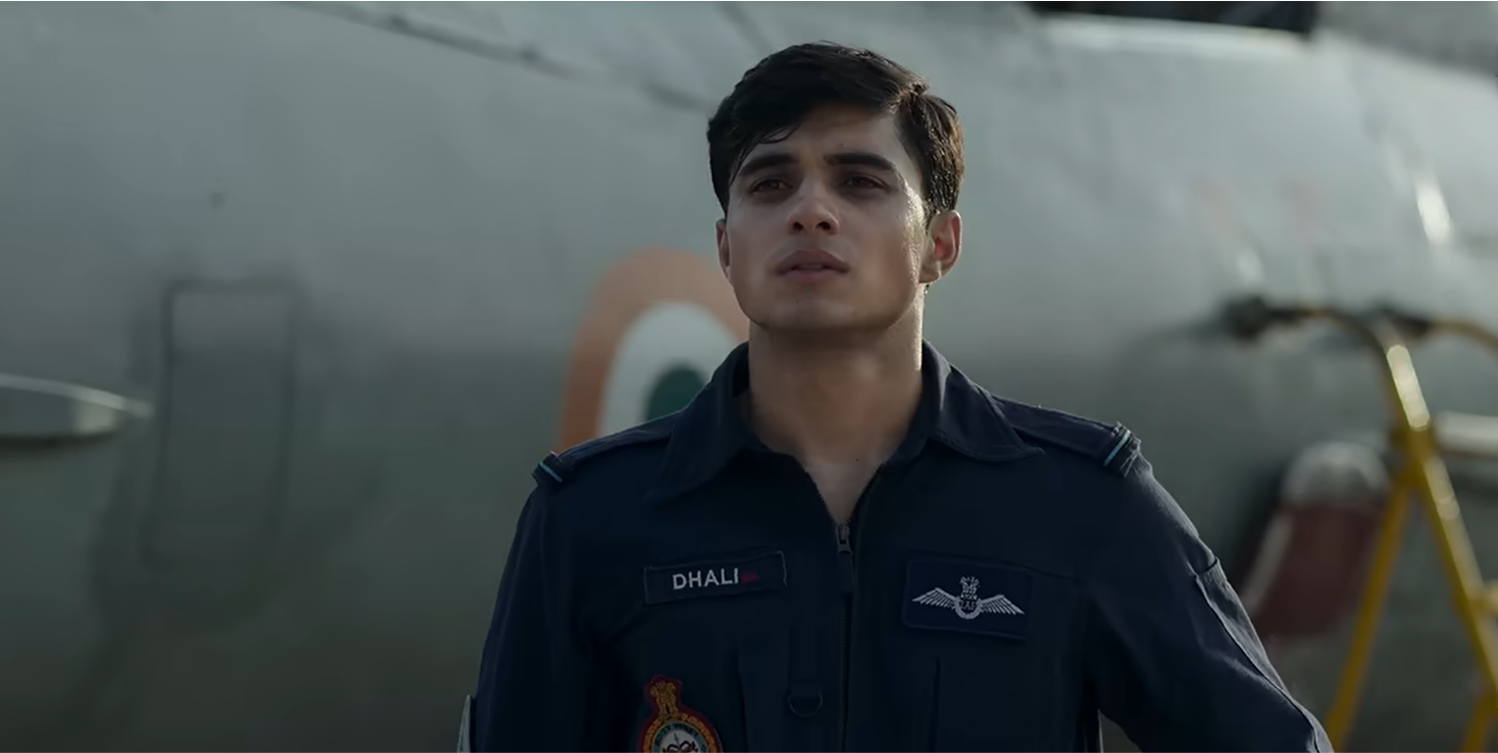
Netflix’s ‘Operation Safed Sagar: The Untold Story of the Kargil War’ brings to life one of India’s defining military campaigns through the eyes of the Indian Air Force personnel who take part in it. Set in 1999 and tracing the entirety of the Kargil War, the war drama series follows the aerial missions carried out under the eponymous operation, which tasked pilots with carving their way through high-altitude terrain and engaging in combat, all the while navigating their personal challenges. Among the officers in the Abhijeet Singh Parmar and Kushal Srivastava creation is Flying Officer R.S. “Dhali” Dhaliwal, a young MiG-21 pilot serving with the famed No. 17 Squadron, the Golden Arrows, whose contributions to the war turn out to be decisive.
Rajpal Singh Dhaliwal Emerged as a Prodigious Talent During the Kargil War
Among the many heroes of the Kargil War of 1999, Flying Officer Rajpal Singh Dhaliwal, better known by the call sign “Dhali,” is famous for being the youngest pilot in the history of the Indian Air Force to carry out night strikes. What makes this accomplishment even more impressive is just how little experience he had with night-flying training prior to the war, having joined the force only four years earlier. Born on January 6, 1974, Dhaliwal was a native of Patiala, Punjab, and the son of a retired Indian Air Force officer. As such, he likely developed his love for aviation at an early age, and with it came his commitment to India. Sometime after joining the Air Force, he became a part of the illustrious No. 17 Squadron, better known as the Golden Arrows, which specialized in aerial reconnaissance.
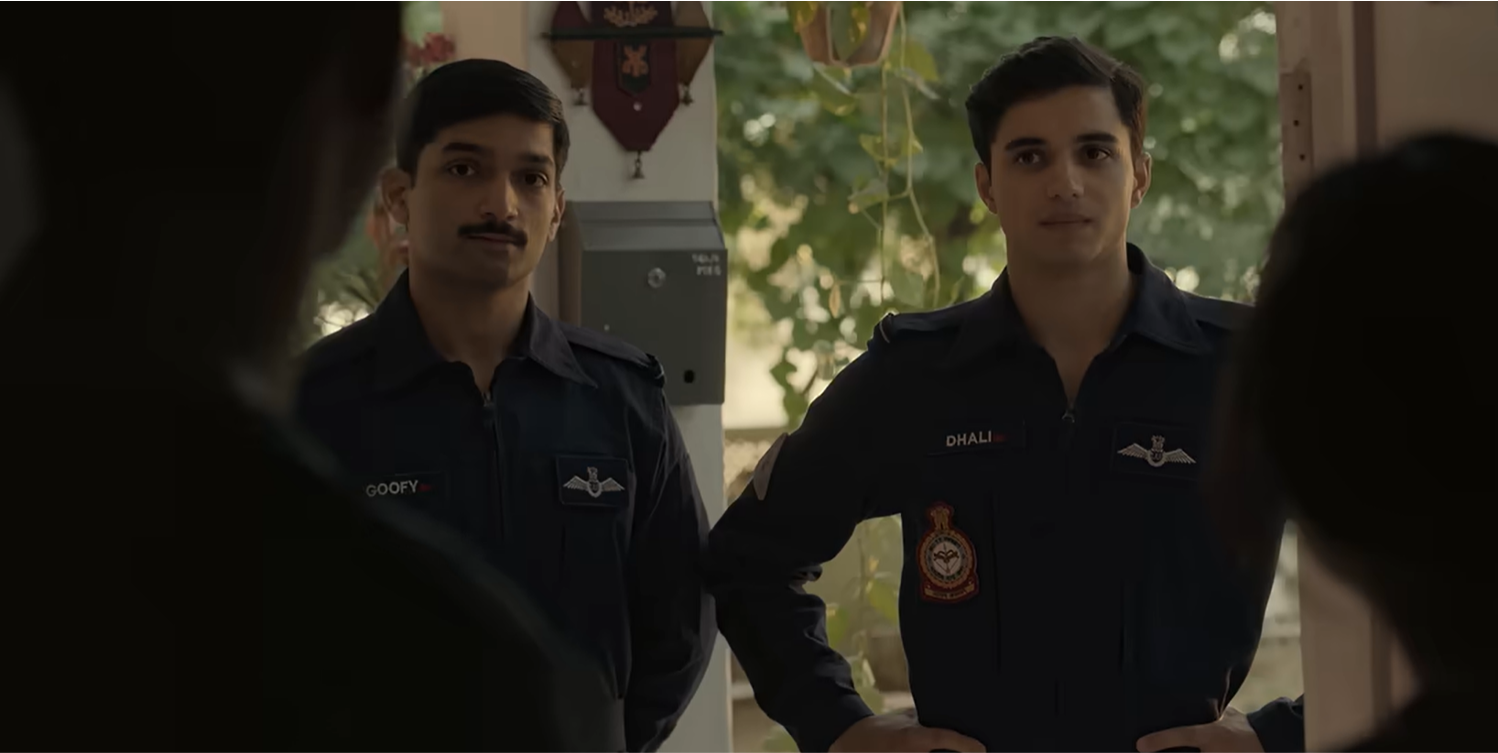
By the time tensions erupted in Kargil in 1999, Dhaliwal had become one of the core members of the Golden Arrows Squadron, operating MiG-21 Type 96 fighters under the command of Wing Commander B.S. (Tony) Dhanoa. On May 18, 1999, the squadron was deployed to Srinagar amid suspicions of an enemy presence in the Kargil Region of the erstwhile state of Jammu and Kashmir, and Dhaliwal found himself in the company of distinguished pilots such as Squadron Leader Ajay Ahuja. In the following days, Dhaliwal participated in some of the earliest operational sorties, including a recce of Tiger Hill and Tololing with Commander Tony himself. In the show, the fictionalized version of Dhaliwal participates in a major sortie with Ahuja, which conveys how important he was to the squadron.
Rajpal Singh Dhaliwal Played an Instrumental Role in Securing India’s Victory in Kargil
The loss of Squadron Leader Ajay Ahuja came as a major blow for all of India, but especially the Golden Arrows Squadron. In the days that followed, the Indian Air Force developed various counterattacking and defensive strategies, and Golden Arrows was at the heart of many of them. Rajpal Singh Dhaliwal participated in several key operations, including the June 3, 1999, strike on Pt 5140, during which he dropped two bombs and helped neutralize the threat. By June 27, the squadron had received the green light for night strikes, and Dhaliwal achieved his record with a successful 2-bomb drop. To contextualize this feat, it is important to note that he had previously logged only 46 hours of night flying and had undergone no training for specialized night strikes prior to the war.
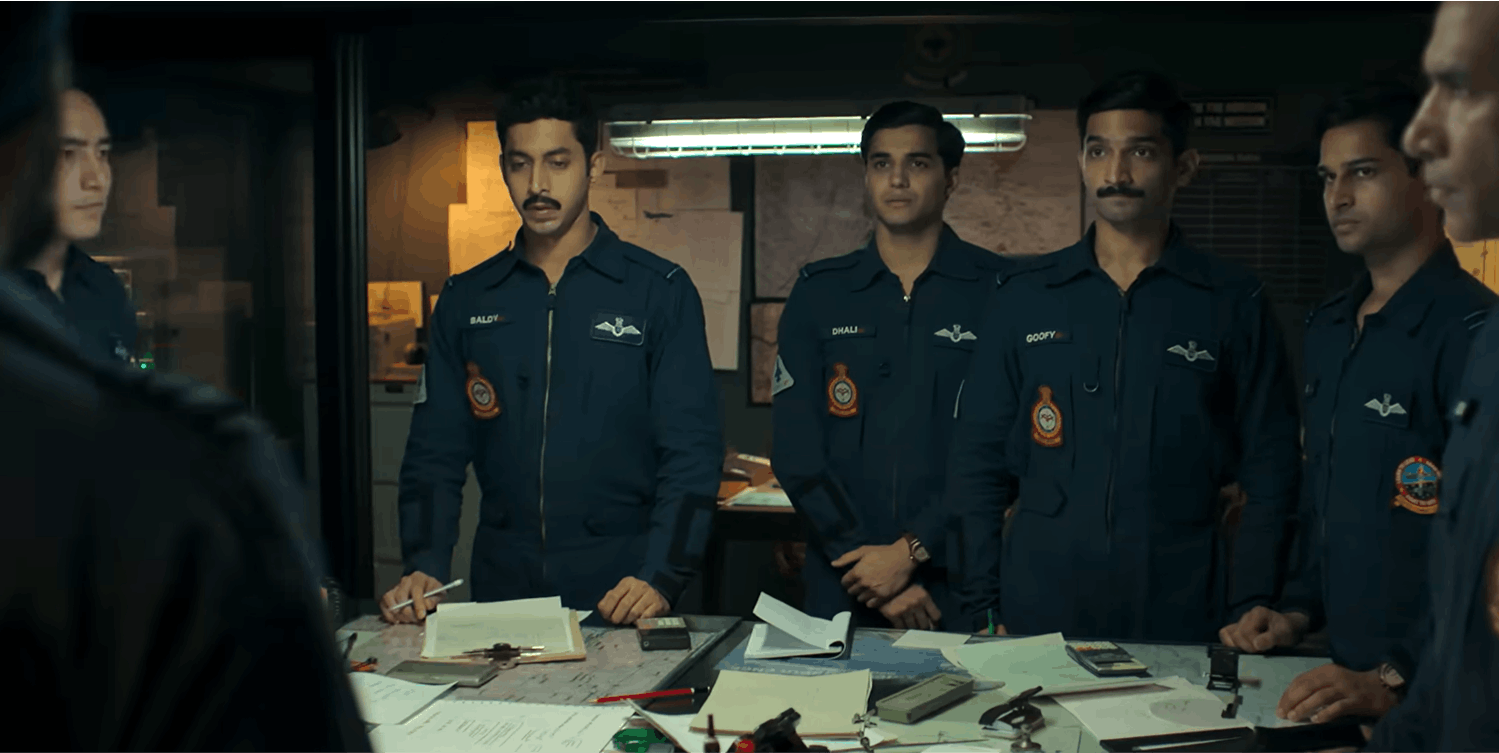
For his contributions in the Kargil War, Dhaliwal was awarded the Vayu Sena Medal. In the years that followed, he continued to serve in the Indian Air Force and was promoted to the rank of Wing Commander. On July 1, 2007, he joined the prestigious Surya Kiran Aerobatic Team, an elite Air Force display unit known for its signature red-and-white jets and precise, highly technical aerobatic demonstrations. By the time Dhaliwal was serving with SKAT, he had more than 1,000 hours of flying experience. Given his immense experience, his selection as squadron leader came as little surprise.
Rajpal Singh Dhaliwal Lost His Life in a Mid-Air Accident in 2009
Rajpal Singh “Dhali” Dhaliwal’s life came to a tragic end on January 21, 2009, at the age of 34, due to an aircraft-related accident. While flying during a routine Surya Kiran training sortie from the Air Force Station Bidar, Karnataka, Dhaliwal’s Kiran Mk II aircraft crashed approximately twelve minutes after takeoff, near the village of Bellur. According to official reports, the aircraft was flying at roughly 100 feet above ground, and at that height, ejection was not feasible. The aircraft landed on a vacant lot, and while no civilian casualties were reported, Dhaliwal lost his life in the accident. Soon thereafter, the Indian Air Force ordered a Court of Inquiry into the cause of the crash, but as of writing, its exact conclusions haven’t been made public.
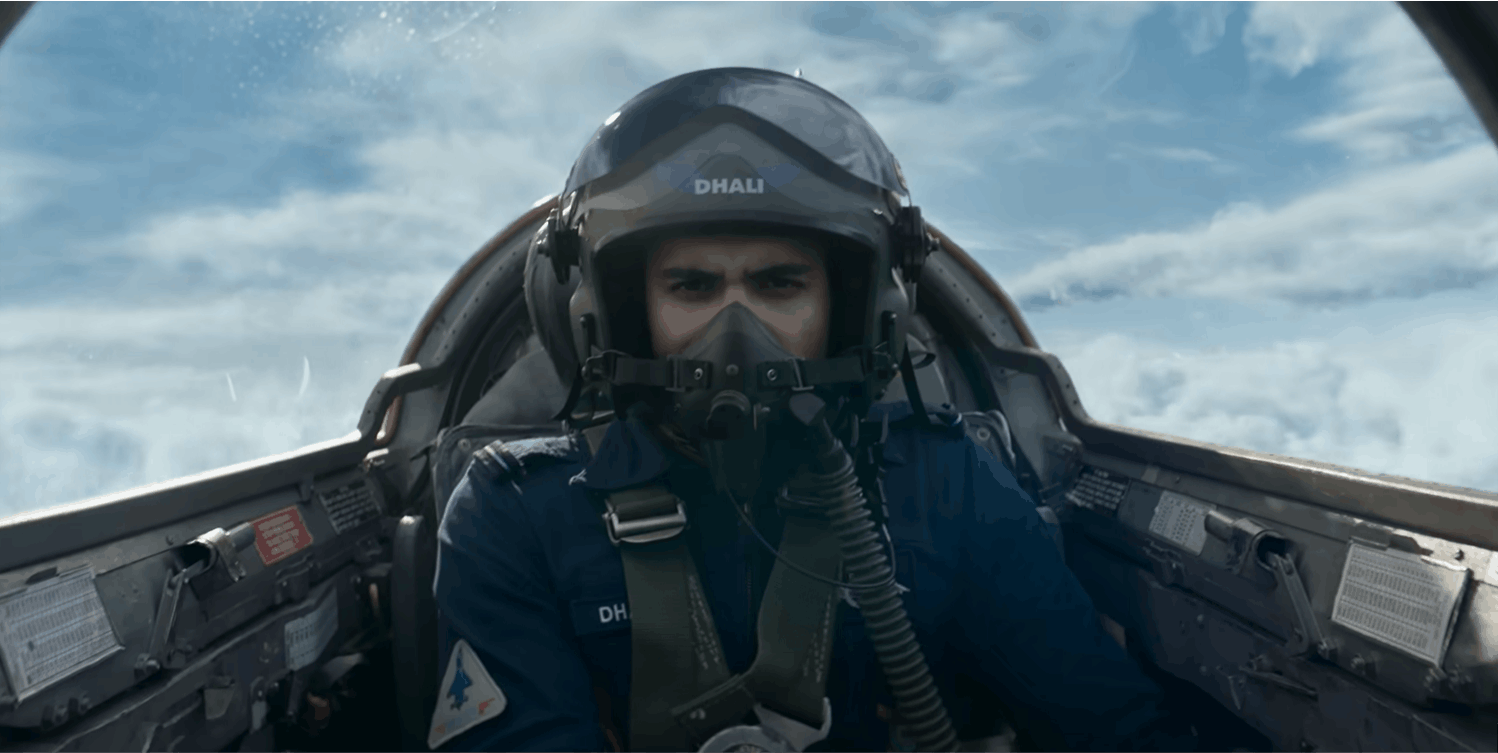
While speculative media reports at the time suggested a possible bird strike may have led to the accident, no such claim has been confirmed by authorities. The Indian Air Force conducted a standard Court of Inquiry, the full operational details of which remain classified. He is survived by his wife, Rubina Dhaliwal, a former journalist, and their young daughter, Rasha. Rubina, alongside her father-in-law, Wing Commander RS Dhaliwal (Retired), took part in the 10th-year commemoration of the Kargil War by laying a wreath at the Kargil War Memorial in Dras, Ladakh. Dhaliwal continues to be remembered as a master air warrior instrumental in India’s victory in the Kargil War, and his portrayal in the show is another step toward immortalizing his legacy.


You must be logged in to post a comment.