
 Diksha Sundriyal
Netflix’s Chilean crime drama series, ‘Someone Has to Know‘ (originally titled, ‘Alguien Tiene Que Saber’), follows the investigation into the disappearance of a young man named Julio. He leaves his home one night to go out with his friends and never returns. As the case is picked up by the local police, his mother and brother do everything in their power to put pressure on the authorities, bringing the case into the national limelight. Co-developed by Carla Stagno, who wrote it with Rodrigo Fluxá, Pablo Manzi, and Isabel Plant, the show presents a heartrending tale of a family’s quest for justice. At the same time, it presents the audience with a chilling realization that some questions are never answered, which adds to the realism of the case. SPOILERS AHEAD.
Someone Has to Know Presents the True Story of Jorge Matute Johns
‘Someone Has to Know’ is inspired by the events surrounding the disappearance of Jorge Matute Johns. The 23-year-old forestry engineering student was last seen at the nightclub in Concepción, Chile, called La Cucaracha, in the early hours of November 20, 1999. When he did not return home, his family filed a missing person complaint, which launched an investigation that became one of the most well-known and mysterious cases in the country’s history. Over the years, the case was handled by different detectives and judges. It was closed and reopened several times, but even now, no concrete answer has been obtained about what really happened to Jorge.
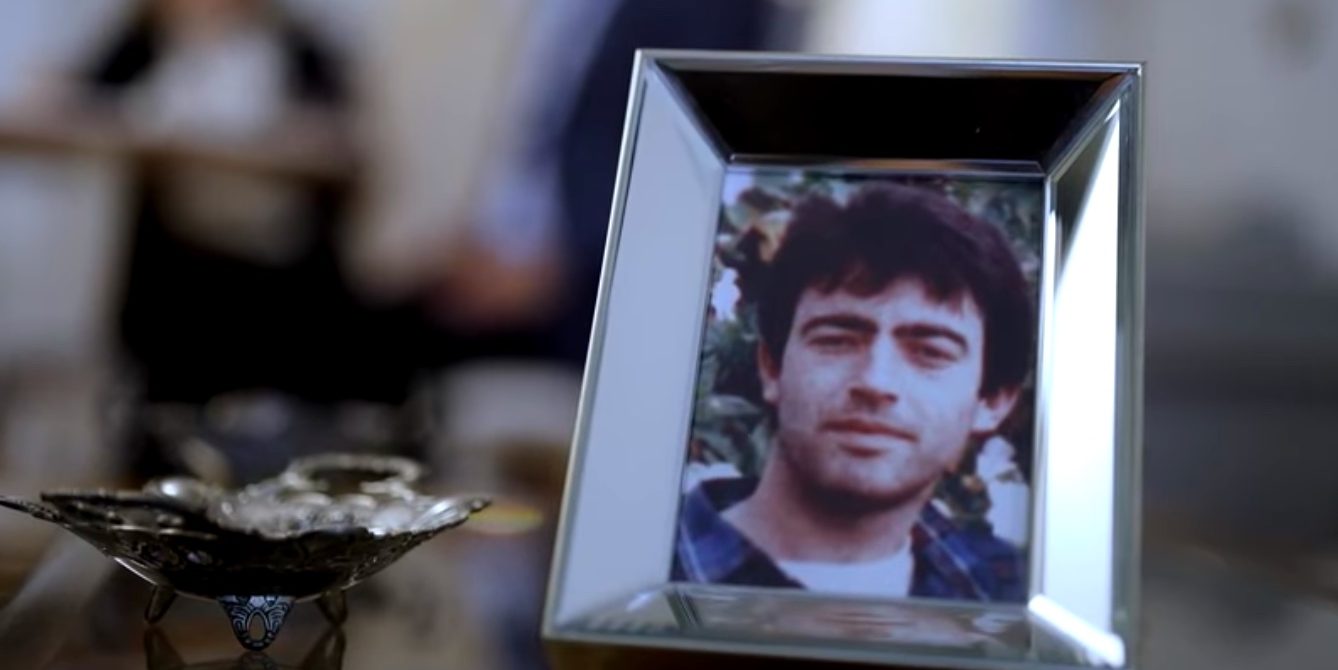
In November 2001, seven people- Carlos Alarcón, Jaime Rojas, Ignacio del Río, Óscar Áraos, Federico Homper, Cristián Herrera, and Jorge Bañados- were accused of obstruction of justice. It was theorized that some or all of them may have been involved in Jorge’s disappearance. A report by the police alleged that Jorge may have been beaten up by the group. However, the seven maintained their innocence. Eventually, with no evidence to prove their involvement in the matter, the charges against them were dropped in May 2006. Still, their arrest fed all sorts of rumors and conspiracy theories about them being responsible for Jorge’s murder. For a time, the case was believed to have been that of kidnapping.
Reportedly, the family received a ransom call for 50 million Chilean pesos. However, it turned out to be a false call. On February 9, 2004, Jorge’s remains were found by the banks of the Biobío River. He was laid to rest in April 2005. By March 2004, the authorities confirmed that this was now a murder investigation, and this brought a new onslaught of theories and witness testimonies. Reportedly, in 2007, a former male stripper named Fabián Flores claimed that Jorge was beaten up by a group on the night of his disappearance, and that Flores had participated in the act. Eventually, however, he confessed during a psychiatric exam conducted by five experts that he had made up the whole thing.
Jorge Matute Johns’ Case Never Found Its Resolution
With no new evidence emerging, the investigation began to slow down. The nightclub had already been deemed not useful to the case and was allowed to be demolished by a judge in April 2002, which drew widespread public criticism. In 2010, the case was closed, with no explanation found for what happened to Jorge. However, the tireless efforts of the victim’s family, who continued to hold protests and marches, led the case to be reopened in 2014. This is also when Jorge’s body was exhumed, and the November 2014 report confirmed the presence of pentobarbital in his body. This led the investigators to a new theory that Jorge had been drugged and was allegedly sexually assaulted.
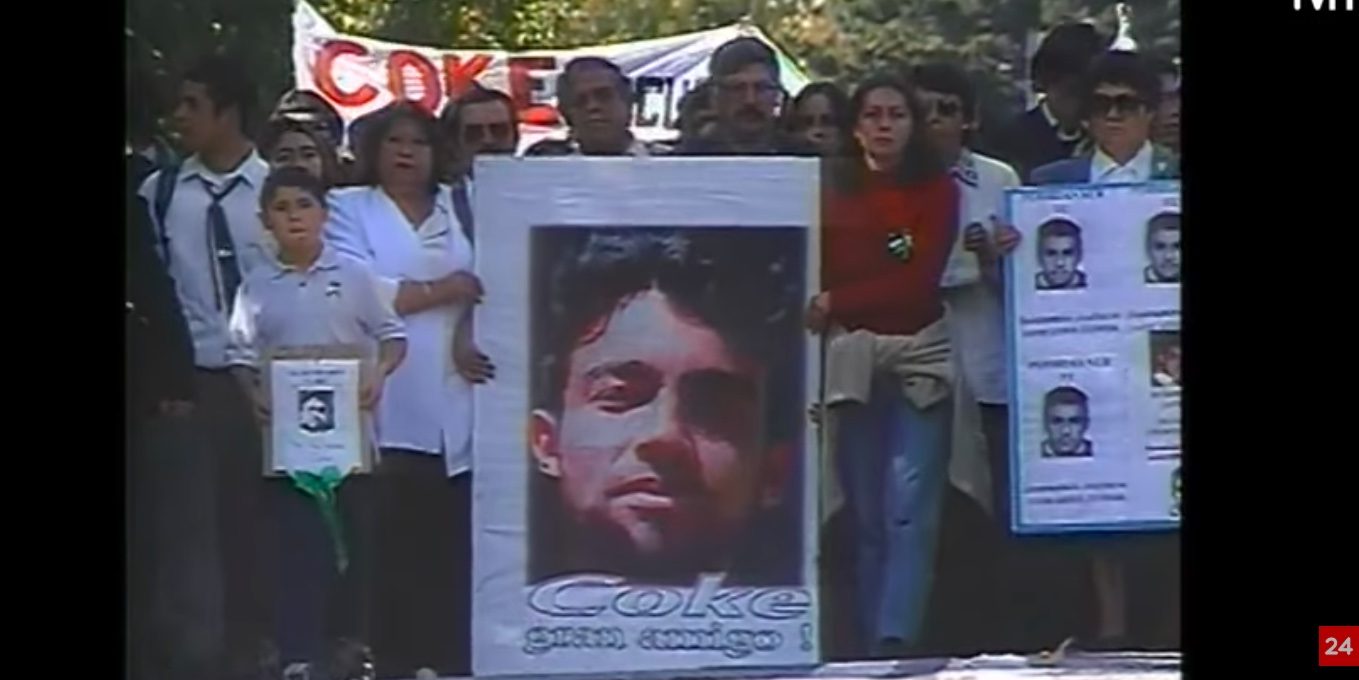
This theory was also supported by the fact that around the time of the murder, several cases had turned up where people had reported being drugged and assaulted. An extrapolation of this theory led people to believe that there was a trafficking ring operating around the area, drugging and kidnapping young men. Further theories emerged, as some believed that there was a drug trafficking ring operating out of the nightclub, which received protection from powerful people, including police officers. At one point, it was also believed that the owners of the nightclub (one of whom died in 2017) may have ordered the security guards to beat up Jorge. None of these theories was ever backed by enough evidence, nor did they lead to any arrests.
Over the years, the pool of suspects was narrowed down to twelve, but seven of them had died by this point, which meant that the investigation had reached a major dead end. Eventually, the case was closed again, and the case of Jorge’s disappearance and death remains unresolved even now. One of the major points of contention has been the claim made by Andrés San Martín, a former parish priest. Allegedly, he received a confession from an unnamed person, who claimed responsibility for Jorge’s murder. The priest caused a stir in February 2003 while officiating a mass on Jorge’s 27th birthday, claiming the young man was dead. Despite his claims of knowledge of the case, the priest has not revealed any details about the confession.
Someone Has to Know Presents the Story With a Fictional Touch
‘Someone Has to Know’ presents different sides of the case, following the story from the perspective of the victim’s mother and brother, the detective investigating the case, and the priest who is tortured by the knowledge he cannot share with anyone. The eight-episode series unravels all the theories and reports, but it does so through a fictional lens. Writer Rodrigo Fluxá approached the story from a journalistic perspective. He reviewed all the files and reports related to the case and interviewed hundreds of people connected to it. Reportedly, he also interviewed Jorge’s mother and brother, who expressed disapproval of the series, calling it “disrespectful” to Jorge’s memory.
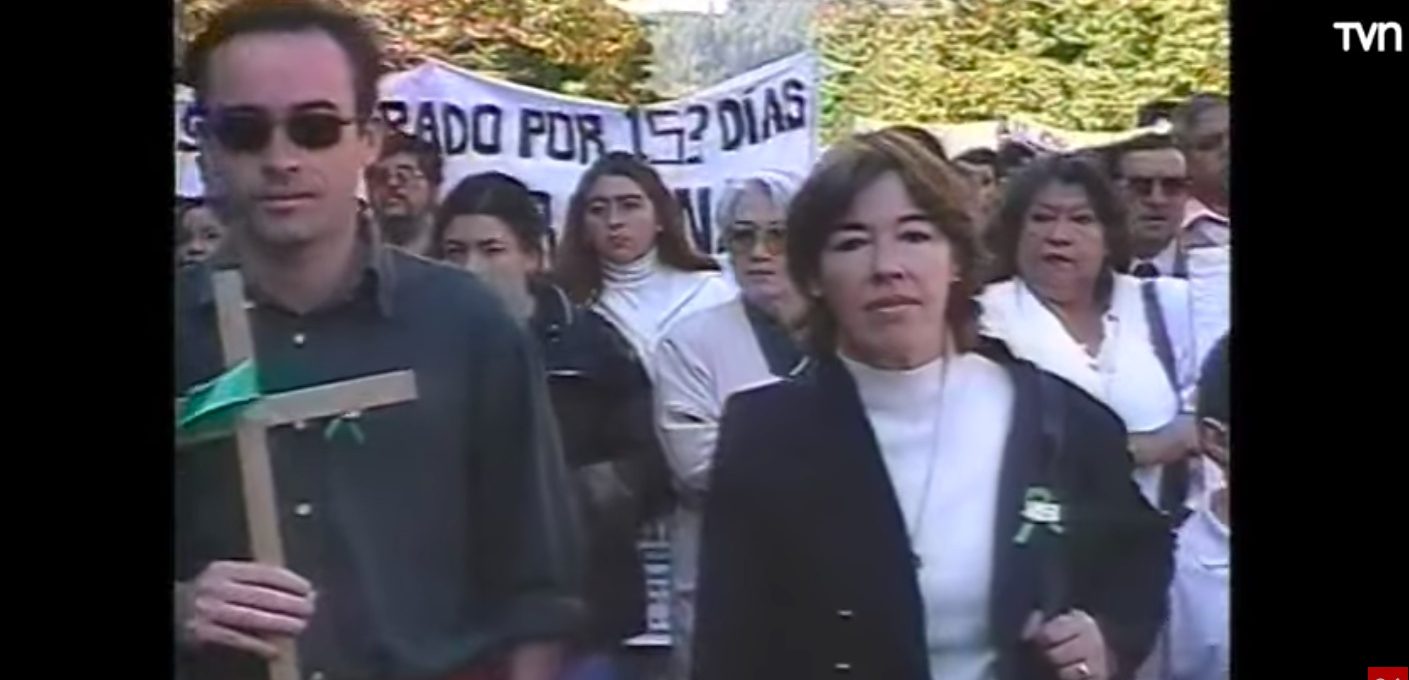
On the family’s insistence, the show’s creators decided to change the name of all the characters, adding the part about it being a fictionalized version of the events. Still, they have portrayed almost everyone connected to the case, from the detectives to the judges to the victim’s friends and family. At one point, the show even uses archival footage of President Ricardo Lagos addressing Jorge’s case. Considering all this, it is fair to say that the creators of the show have wrapped facts in a fictional veil to deliver a compelling tale.
Read More: Someone Has to Know Ending Explained: Is Julio’s Murderer Found?


You must be logged in to post a comment.