
 Diksha Sundriyal
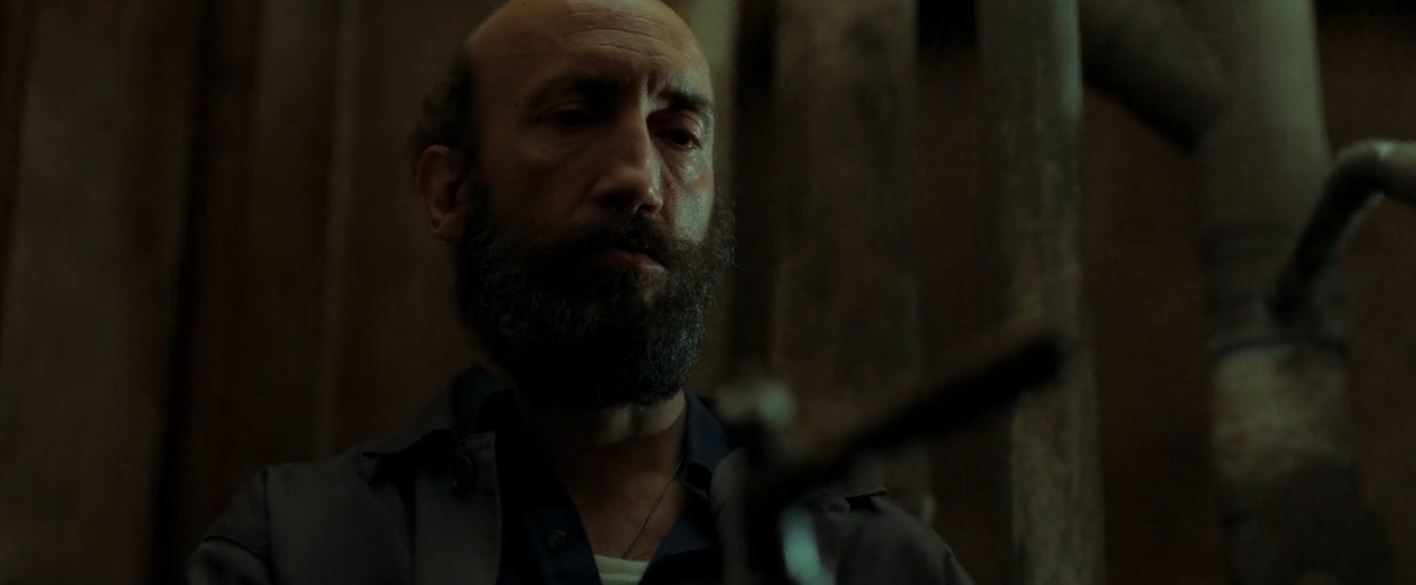
Netflix’s Spanish drama film, ‘The Child,’ follows a family’s journey through grief and loss following the death of their son in an explosion at his school. The film focuses on Nuca’s parents, Maria and Jose, and his grandfather, Nicasio, as each embarks on a different path to make sense of their unimaginable loss. While a major focus is on their personal journeys, the story also hints at a broader sentiment in the town, where the townsfolk place the blame on one man: the plumber, Francisco. Since the movie is inspired by real events, there is a sliver of truth in the fictional tale that unfolds over two hours. SPOILERS AHEAD.
The Child Presents a Fictionalized Version of the Real Plumber
‘The Child’ borrows the details of a real-life case where a grievous tragedy shook a small Spanish town. On October 23, 1980, the Marcelino Ugalde school in Ortuella was hit by a massive explosion. Fifty-three children died in this disastrous event, 50 of whom were kids. The explosion happened around noon, when the children were returning to their classes. Three classrooms on the ground floor sustained the most damage, two of which contained the teacher who did not survive. The floors of two classrooms had collapsed, trapping about 128 students. The others from the less-affected portion of the building were safely taken out by their teachers.
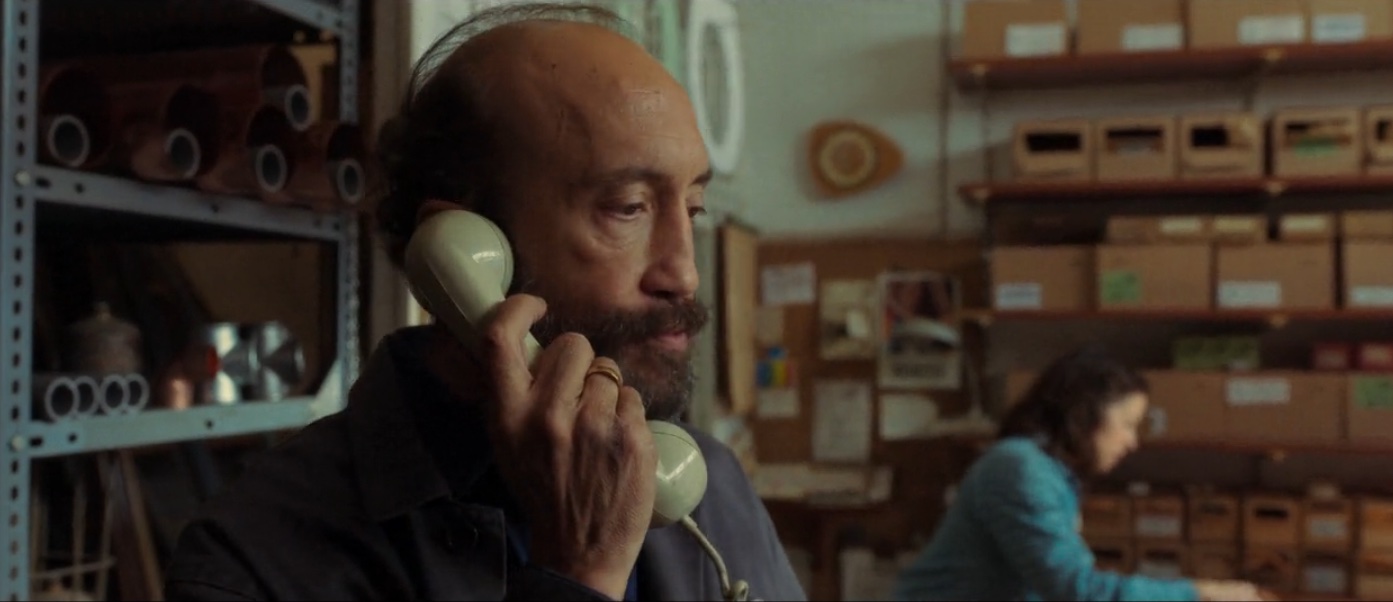
A loss of such scale demanded a thorough inquiry, and the authorities soon began investigating the cause of the explosion. Due to the difficult political situation at the time, it was initially believed to be the work of a domestic terrorist group. However, this theory was soon ruled out, especially after it was discovered that the explosion had been triggered by a propane leak from the school’s heating system pipes. Reportedly, the pipes had been leaking for several hours, resulting in a cloud of gas accumulating under the classrooms most affected by the explosion. It was speculated that the fire may have been mistakenly sparked by a plumber who had arrived at the school to fix the kitchen drains. It is believed that he may have unintentionally caused the explosion while using a tool that produced a single spark, bringing the whole building down.
Details about the plumber’s fate remain sparse. He is not included in the list of the deceased. Only three adults were found to have perished in the explosion. Two of them were teachers, while the third was the school’s cook. There is no mention of a fourth adult on the official list. This likely means the plumber emerged from the explosion with non-fatal injuries and survived. What happened to him after that remains unclear. The whole town was united in their grief, and there are no reports of anyone assigning blame to a single person. The movie, which is based on the novel of the same name by Fernando Aramburu, presents its own fictionalized version of what may or may not have happened that day.
Francisco’s Story Gives More Weight to the Emotional Divide Within Nuco’s Family
In line with the speculative account of the plumber’s role in the explosion, the film shows a man named Francisco receiving a call to address a bad smell in the building’s lower section. He thinks it is coming from the ill-managed sewage line, but later checks the kitchen pipes and locates the leak. He goes about fixing the pipe, but it never occurs to him or those around him that the gas they smell may be flammable. Francisco lights the blowtorch to fix the pipes, and that’s when the whole building blows up. Later, Nuco’s grandfather discovers that people are blaming Francisco for the explosion. This prompts him to point out that Francisco also had a child at the school and he, too, is in the same state as the rest of the parents who lost their children.
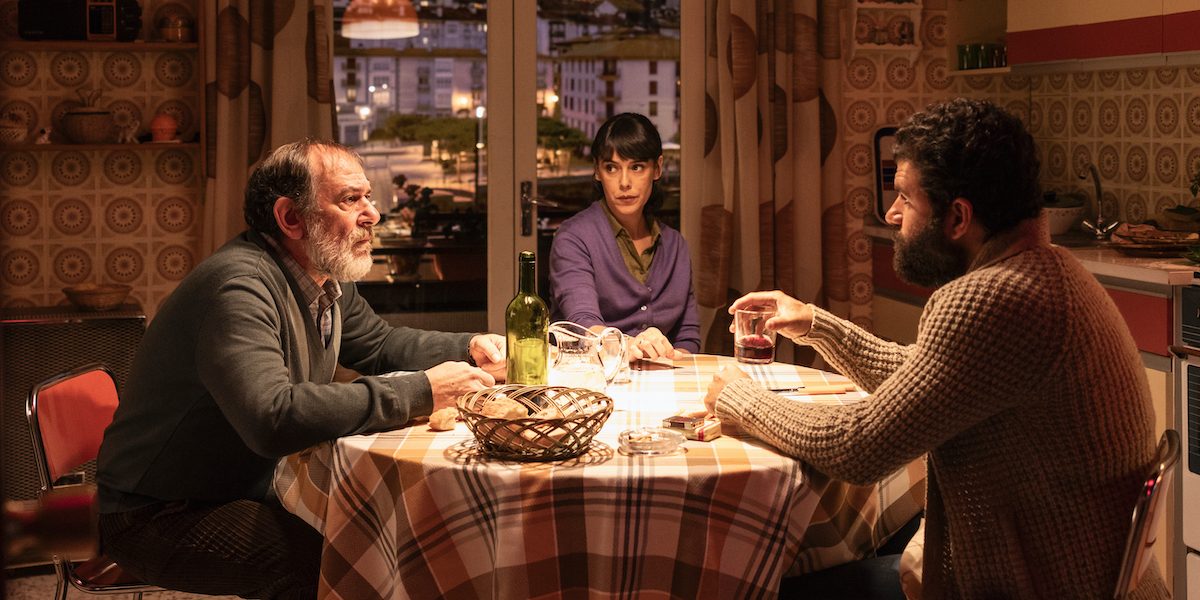
Apart from this, there is no other mention of the plumber, so we don’t know whether the opinion of the rest of the town also changed toward him. However, through Nicasio’s conversation with his family about Francisco, the film touches on people’s desire to understand why such a terrible thing happened to them and their children. If anything, Nicasio says the blame lies with the school’s authorities, who should have been more vigilant about the condition of the pipes and other deteriorating infrastructure. By acknowledging this, the story further deepens the line dividing how Nicasio processes his grief from others’, adding to the emotional weight of the film.


You must be logged in to post a comment.