
 Saagar Kote
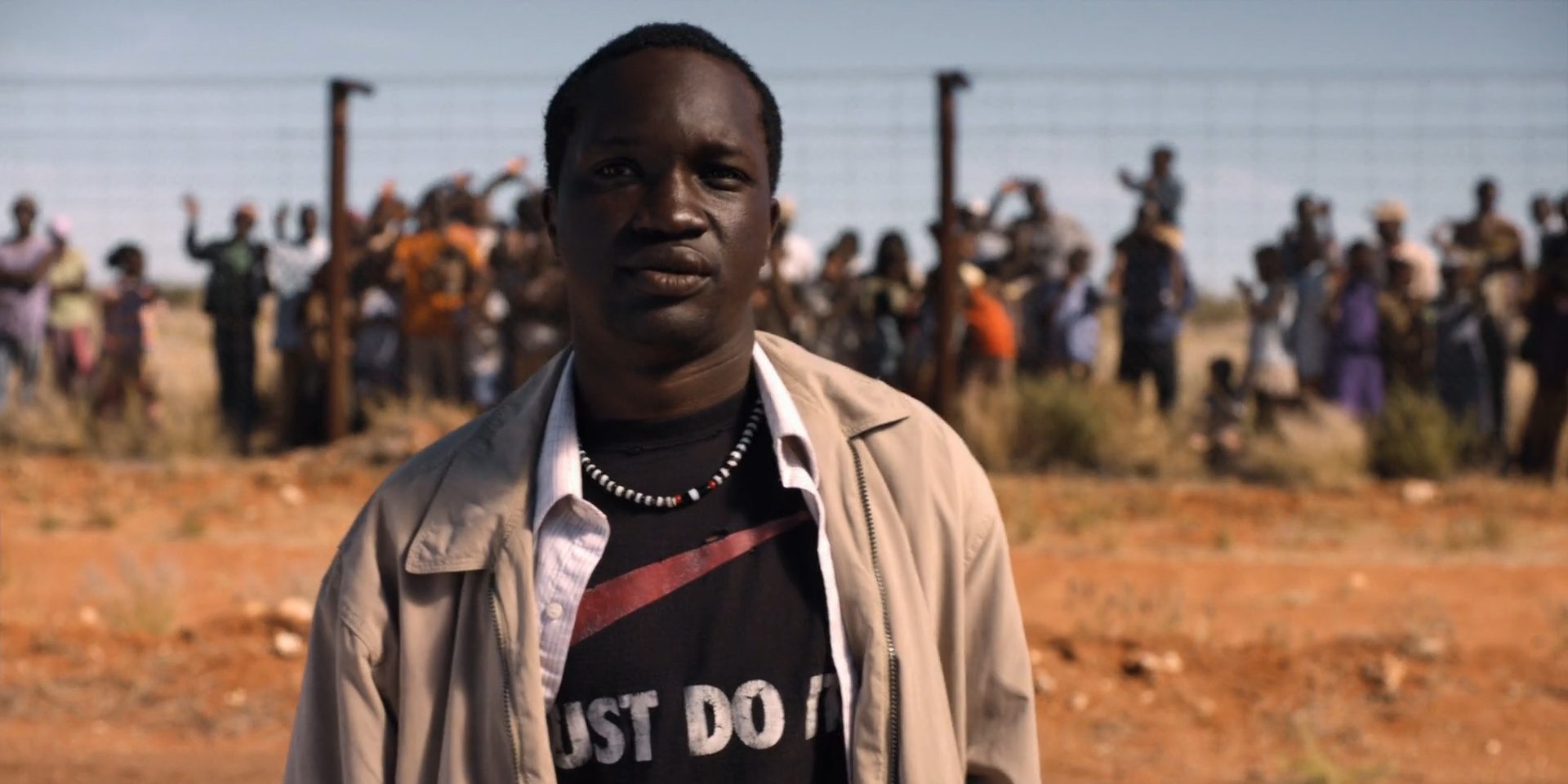
Director Philippe Falardeau’s ‘The Good Lie’ is a drama film that follows a group of young Sudanese refugees whose lives are reshaped by war, displacement, and the chance to begin again in the US. After escaping the destruction of their village during the Second Sudanese Civil War, siblings Mamere, Paul, Jeremiah, Theo, Daniel, and Abital endure a perilous journey before reaching a refugee camp in Kenya. Years later, some of them are selected for resettlement in America, where they must navigate an unfamiliar society while carrying the losses and memories of their past.
Their transition is supported by Carrie Davis, an employment counselor who helps the refugees find work and adjust to their new lives. Something about their past keeps troubling the siblings, which brings them to a decisive point in their lives. The movie examines the brutalities of war, the cost of liberation, and the spirit of unity in the face of brutality.
The Good Lie Draws From the Harrowing Journey of the Lost Boys of Sudan
Written by Margaret Nagle, ‘The Good Lie’ takes inspiration from the experiences of the Lost Boys of Sudan, a generation of children displaced by the country’s civil war. The conflict reportedly began in 1983, forcing thousands of boys to flee their homes in southern Sudan. Many traveled for hundreds of miles in search of safety, often without adults to protect them. Hunger, thirst, exhaustion, dangerous wildlife, and violence made the journey deadly, and countless children never reached refuge. The boys’ displacement continued as conflict spread beyond Sudan. When war broke out in Ethiopia in 1991, those who had sought shelter there were forced to flee again. By around 1992, thousands had reportedly reached northern Kenya, where the Kakuma refugee camp became a temporary home for many.
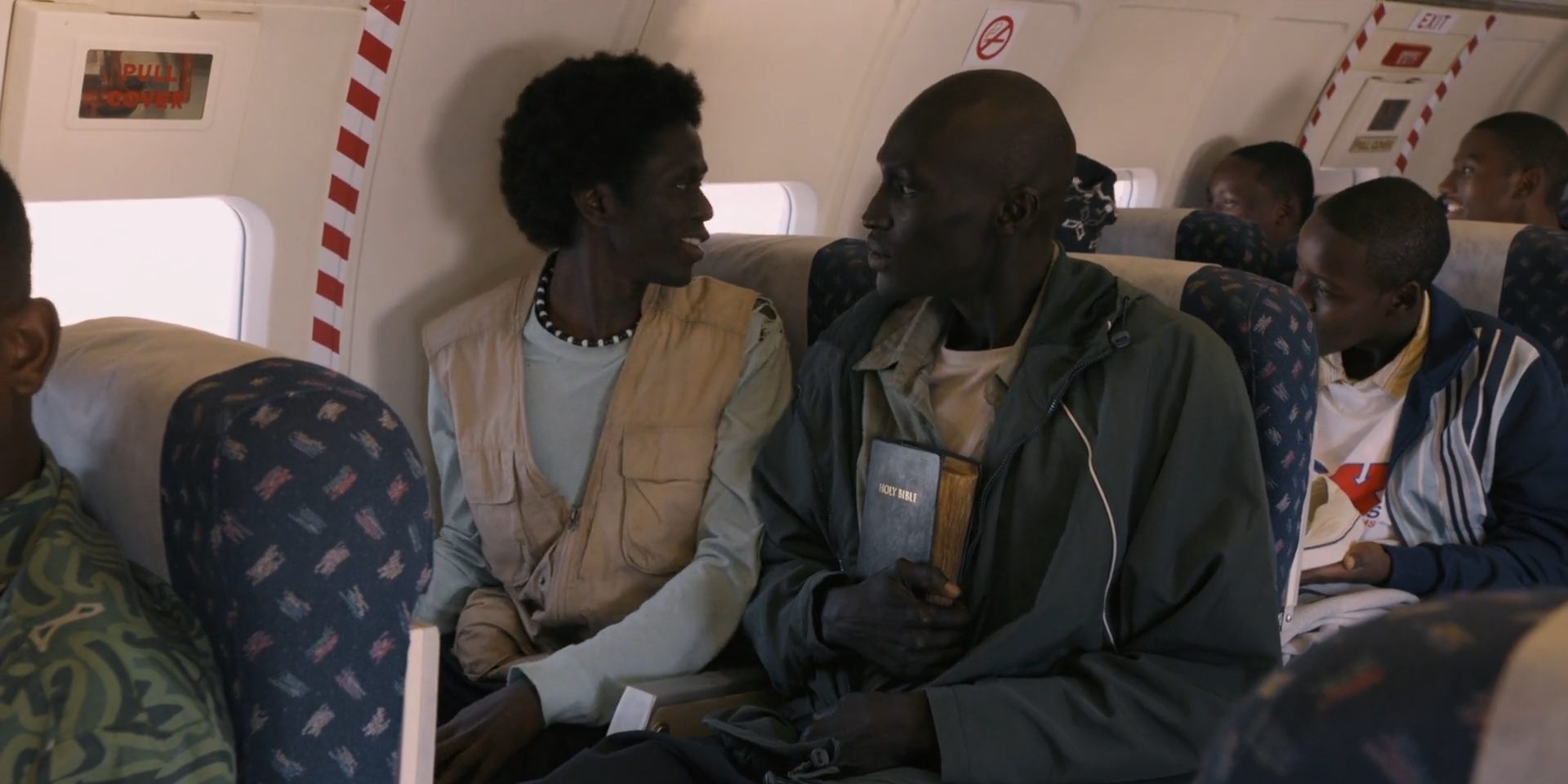
As per reports, approximately 10,000 boys, ranging from about eight to eighteen years old, eventually lived there, some for years while waiting for a chance to rebuild their lives. Humanitarian organizations worked to provide support within the camp. The International Rescue Committee began operating in Kakuma in 1992, offering services that included healthcare, sanitation, education, rehabilitation, and vocational training. Its programs also helped residents develop practical skills and pursue small businesses through savings initiatives and microloans. For some of the refugees, resettlement in the US eventually became possible. The United Nations High Commissioner for Refugees recommended around 3,600 young people for relocation, and the US State Department approved the effort.
Arrivals began in the fall of 2000, with refugees settling in several American cities, including Atlanta, Boston, Dallas, Phoenix, Salt Lake City, San Diego, Seattle, and Tucson. Finding employment was often an immediate priority, while education remained an important long-term goal. The IRC helped them secure jobs, connect with mentors, pursue GEDs, and attend college. The journey undertaken by Mamere, Paul, Jeremiah, Theo, Daniel, and Abital dramatizes this reality experienced by many Sudanese individuals.
The Real-Life Lost Boys Who Appear in the Film Revisited Their Own Experiences
The film’s connection to real life becomes especially personal through Emmanuel Jal and Ger Duany, two actors who experienced displacement themselves. Both men were among the Lost Boys, and their presence gives the story a connection to the people whose experiences inspired it. Jal, who portrays Paul, fled South Sudan in 1993 and later became a musician, eventually moving to London. His childhood was also marked by the experience of being forced into soldiering. For him, appearing in the film was not simply an acting role.
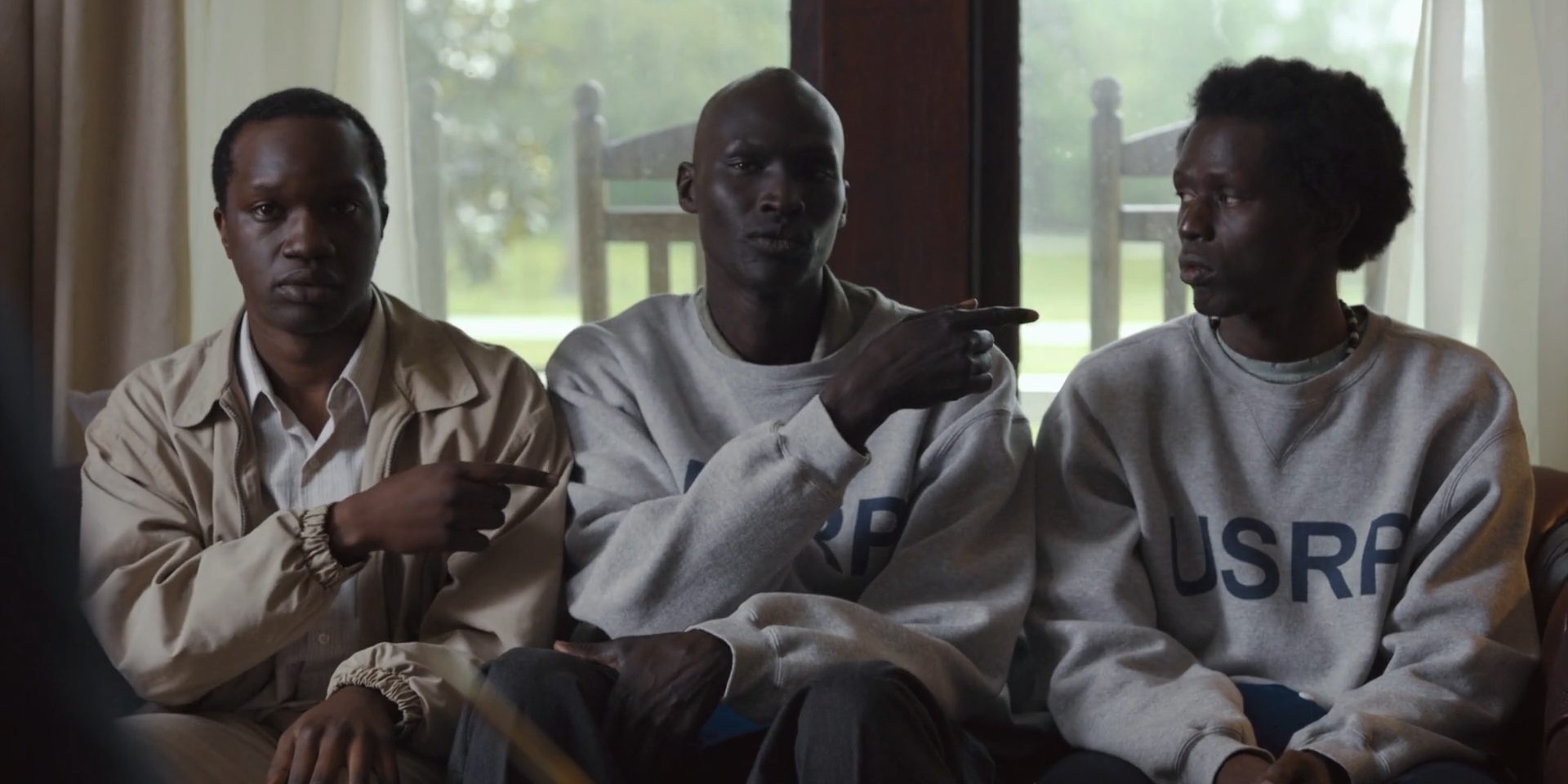
Speaking to PEOPLE, Jal said, “This is my story. This is Ger’s story. I’m acting myself in the movie.” The war had taken a profound toll on Jal’s family and sense of safety. Reflecting on the lasting effects of conflict, he said, “People only know the physical scars, but war can rob people’s souls. They don’t know the internal scars that take a lifetime to heal.” Duany, who plays Jeremiah, spent four years in a refugee camp in Ethiopia and, like Jal, was forced to become a child soldier. In 1994, he was relocated to Des Moines, Iowa.
He described the opportunity to revisit his past through the film as “an opportunity for me to heal.” The production brought difficult memories back to the surface for both men. Jal found the film’s opening scenes particularly emotional, and Duany reflected on the resilience that can emerge from hardship. Their involvement in it makes ‘The Good Lie’ an authentic representation of their journeys and the experiences of those who shared horrors similar to theirs in real life.
Carrie Davis is a Fictional Character Who Represents the Experiences of Real Resettlement Workers
Although the refugees’ experiences are rooted in real history, Carrie Davis is not a direct portrayal of one single person. As an employment counselor in the movie, Carrie represents the many American employment counselors, volunteers, sponsors, and aid workers who helped Sudanese refugees adjust after arriving in the US. In the film, Carrie’s role also reflects the practical and emotional support that resettlement workers provided. Reese Witherspoon, who portrays Carrie, saw the character’s own emotional struggles as an important part of the story.
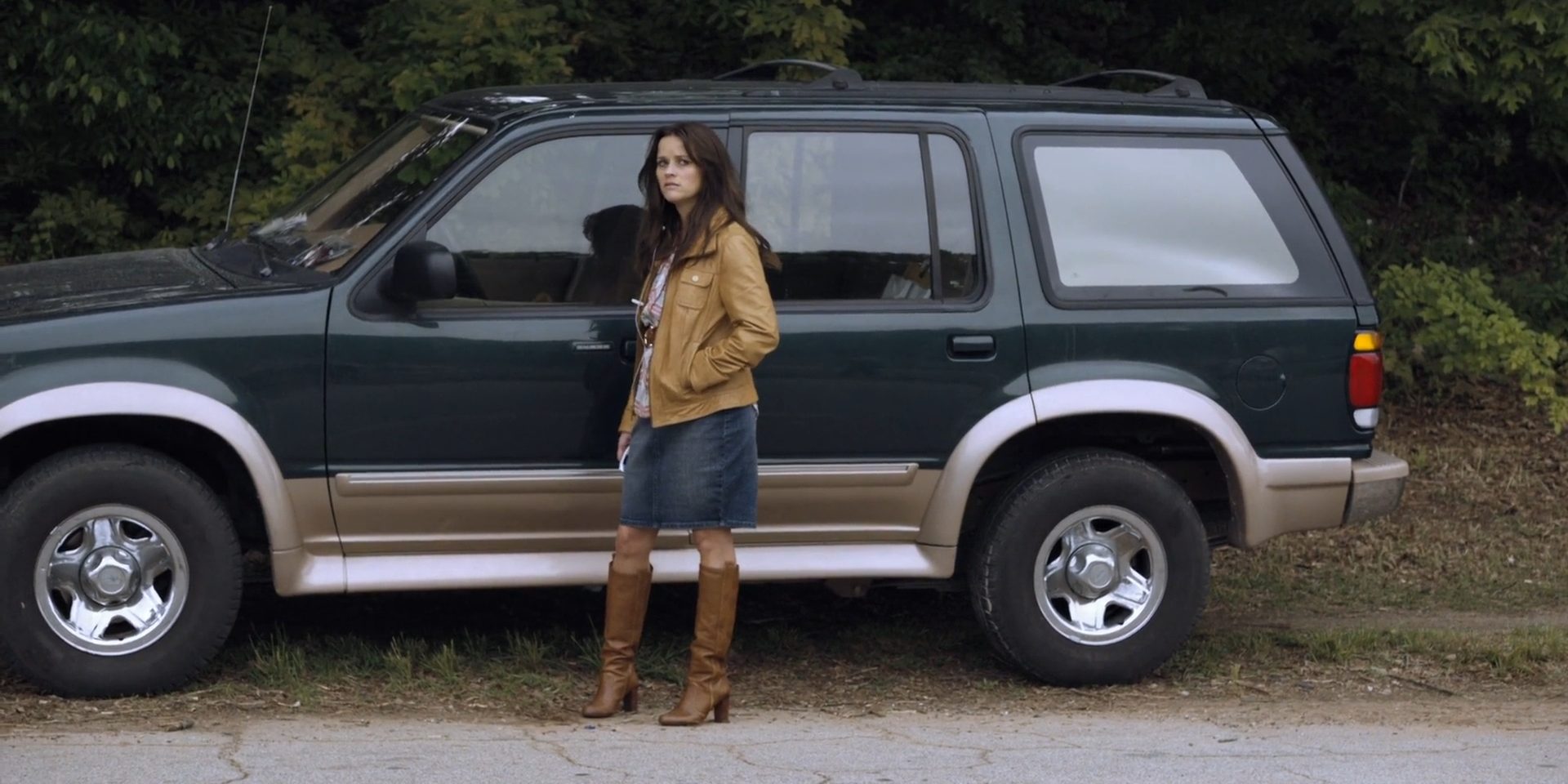
In an interview with Glamour, Witherspoon said, “My character (Carrie Davis) is just as emotionally distraught. She’s just as without family as they are. And I thought that was such a beautiful opportunity to talk about family is where you find it.” Director Philippe Falardeau made a point of keeping Carrie’s role in perspective. He told Witherspoon, “This movie isn’t about you. And I just want to be really clear about that.” The actress welcomed that approach, explaining that she did not want the film to become a simple story about an American woman rescuing African refugees. Through her character, ‘The Good Lie’ acknowledges the people who helped refugees build new lives while primarily focusing on the Sudanese men and women whose journeys inspired the film.
Read More: Are Rose and Lamin in 23,000 Lives Based on Real Refugees?


You must be logged in to post a comment.