
 Aahana Swrup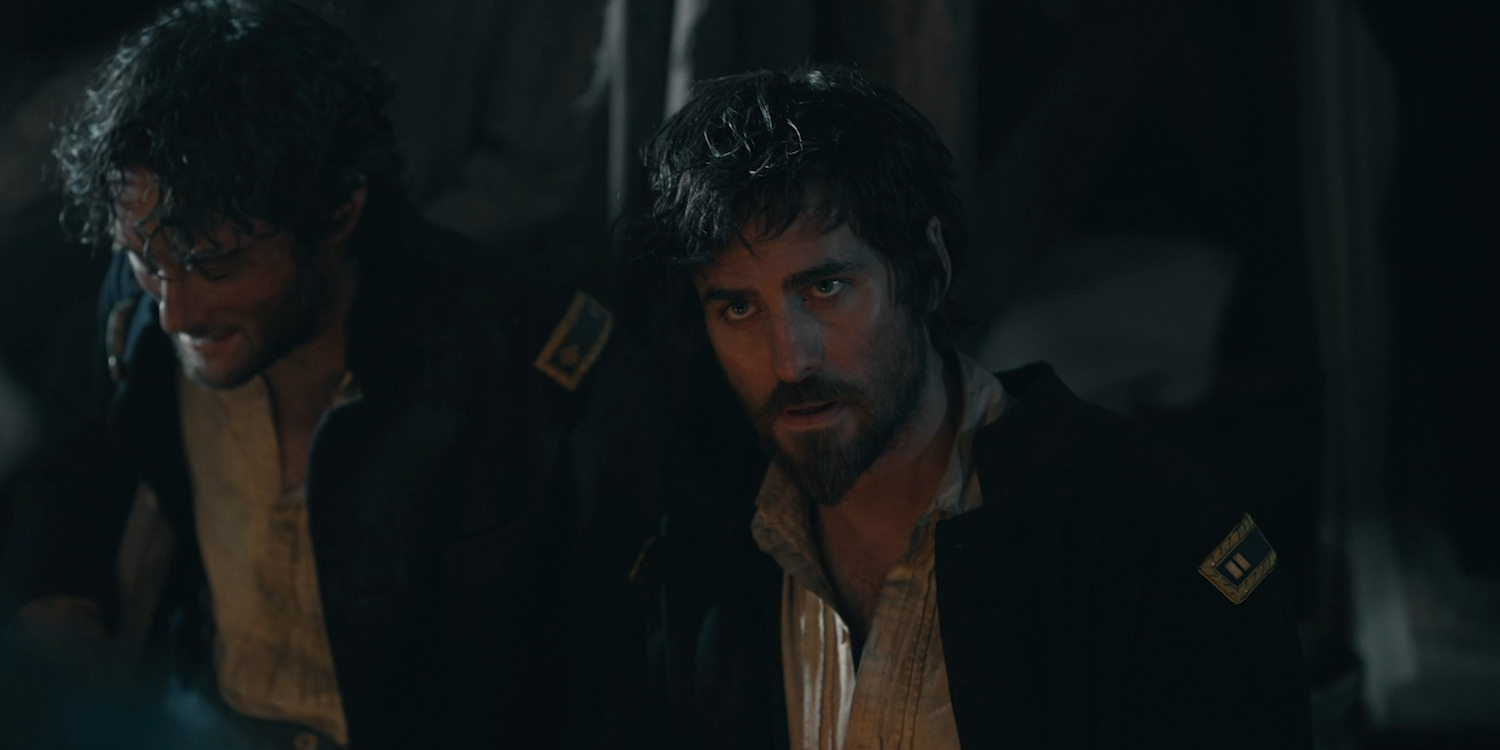
The historical Civil War show ‘The Gray House’ charts a thrilling story about the pro-Union resistance that was brewing in the South during the age of the Confederacy. The story centers around a group of women, coming from different walks of life, who use their respective social backgrounds as tools in their arsenals for political espionage. Popular socialites of Richmond, Virginia, Elizabeth and Eliza Van Lew, open up their status and family’s considerable wealth for the cause, covertly turning their secret Underground Railroad into a spy network.
Meanwhile, others, like a formerly enslaved woman who grew up in the Van Lew family, Mary Jane Richards, and a local sex worker named Clara Parish, risk their own lives in different ways to coax out vital information for the North. Yet, it isn’t until Elizabeth includes a decorated, but imprisoned, soldier of the Union army, Captain William Lounsbury, that this valuable information finally translates into actionable change on the battlefield. As a result, the captain’s character remains highly significant within the narrative of this historical drama.
Captain William Lounsbury is Partially Based on a Real Unionist Military Official
Despite being a dramatized version of real-life events, ‘The Gray House’ mines notable inspiration from actual historical stories and characters. As a result, its depiction of the socio-political landscape in Richmond, Virginia, explored through the lens of the underground spy network in the city, remains rooted in historical authenticity and accuracy. The same extends to the character of Captain William Lounsbury, a Unionist soldier who enters the narrative after being caught and imprisoned by the Confederates in the 1860s.
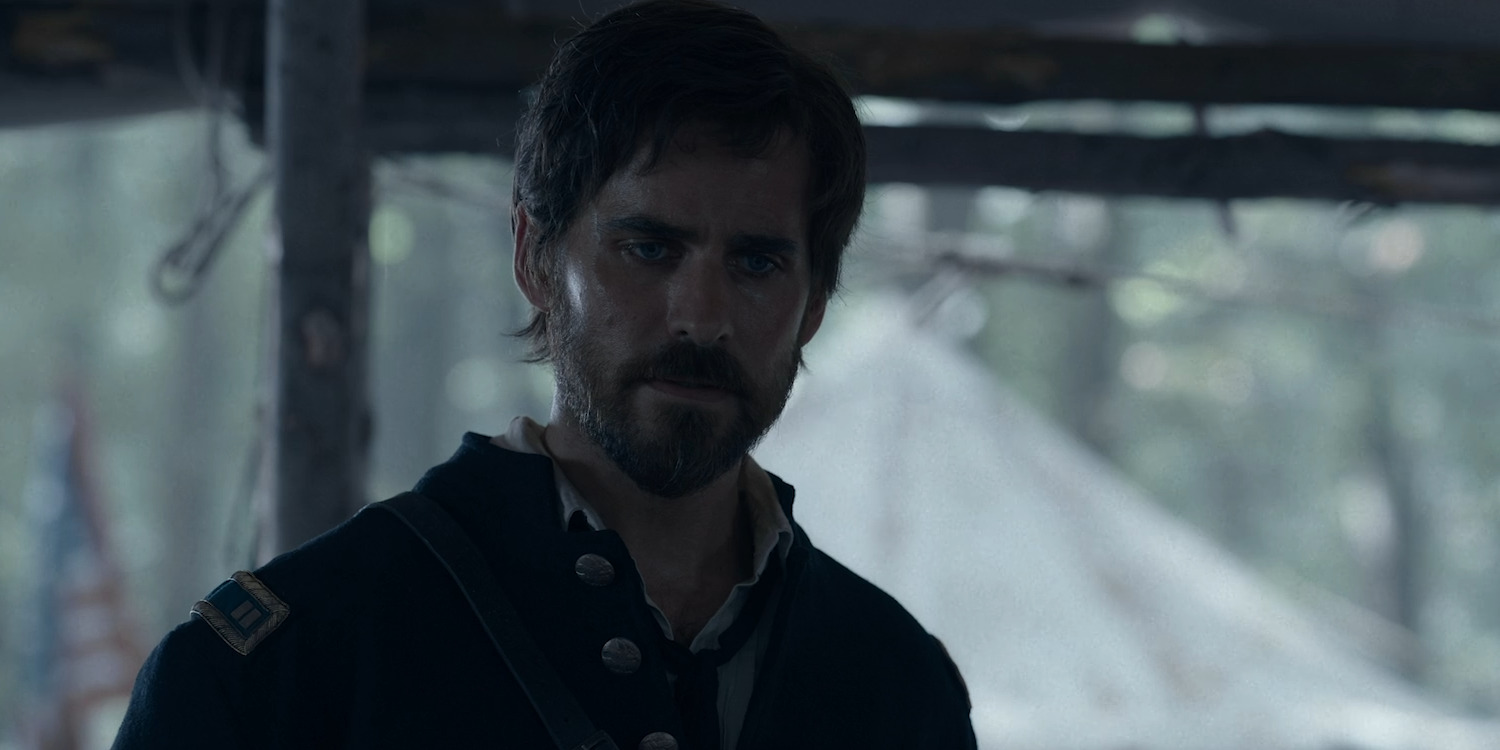
The on-screen Captain seems to be modeled after an eponymous soldier who fought in the Civil War as a Captain and later as a Lieutenant Colonel in the Union army. Historical records place one Captain William Lounsbury of the Union army in Richmond’s Libby prison, a penitentiary famously frequented by Elizabeth Van Lew in her pro-Union efforts. Reportedly, the latter used her status and social standing to gain access to the Union soldiers imprisoned within the establishment under the charitable guise of bringing them food, clothing, and other resources.
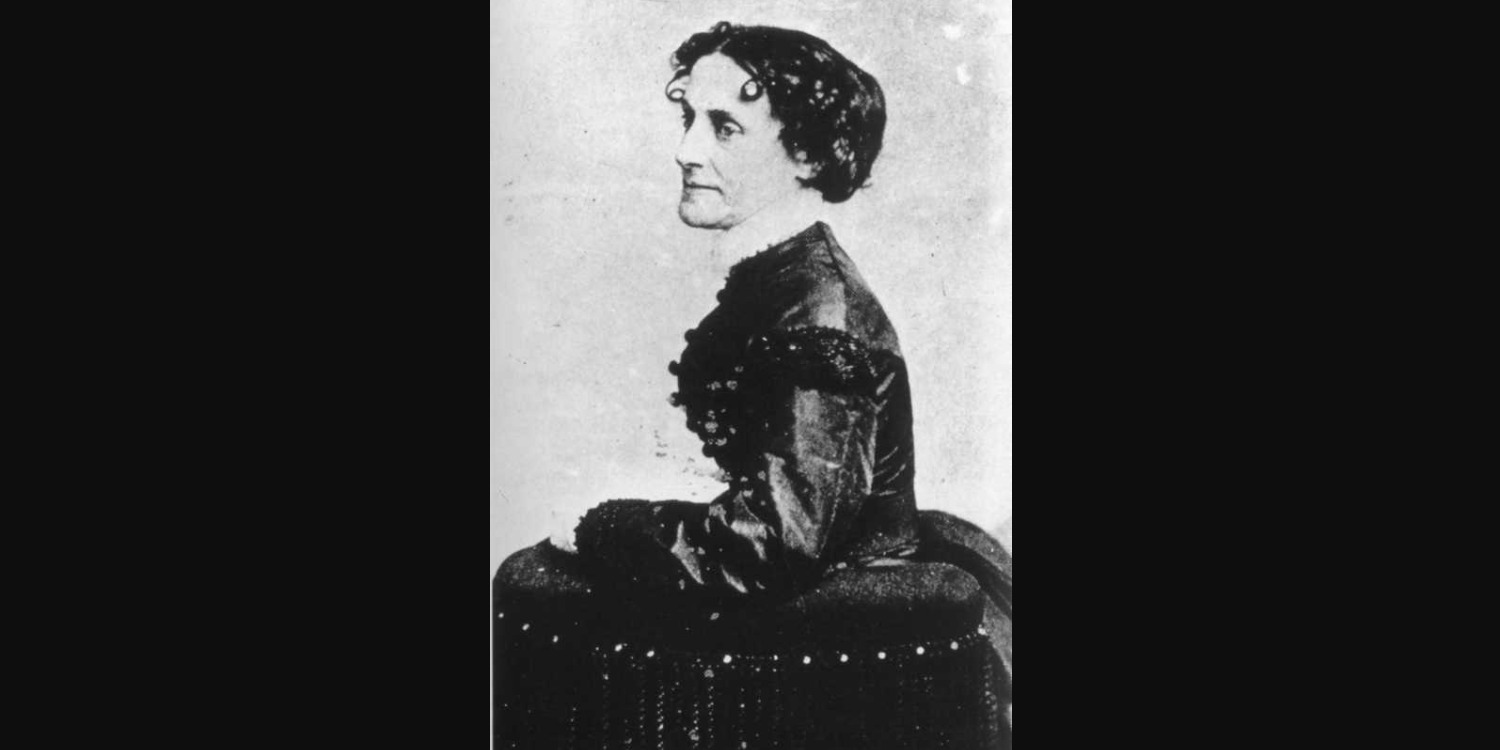
Lounsbury is believed to be one of the prisoners who received help from the growing pro-union sympathizers in Richmond. One of the prison clerks, a supporter of the North, helped Lounsbury escape by providing him with a Confederate uniform. Later, one of the servants from the Van Lew family, an African-American Union sympathiser, took the Captain to the family’s house. Afterward, the Van Lews, which presumably includes Elizabeth, helped him make his escape back to the North. This historical account plays out near-identically in the series, making the on-screen William Lounsbury a direct counterpart to the historical Union Captain who received help from the Richmond Underground in the 1860s.
The Gray House Fictionalizes Parts of Captain William Lounsbury’s Story
Even though Captain William Lounsbury is loosely inspired by a real-life high-ranking Union soldier of the same name, ‘The Gray House’ still utilizes plenty of fictionalization in the creation of his on-screen narrative. While William’s character plays a notable role in the functioning of the Richmond Underground spy network, he’s also involved in a romantic storyline that plays out between him and Elizabeth Van Lew. In real life, there are no records that suggest a romantic entanglement between the real Van Lew and Lounsbury. In fact, historically, the spymaster took part in no prominent courtships throughout her life. Nonetheless, in the show, a romantic subplot develops between William and Elizabeth during their collaboration as agents of espionage between the Richmond spy network and the Northern army.
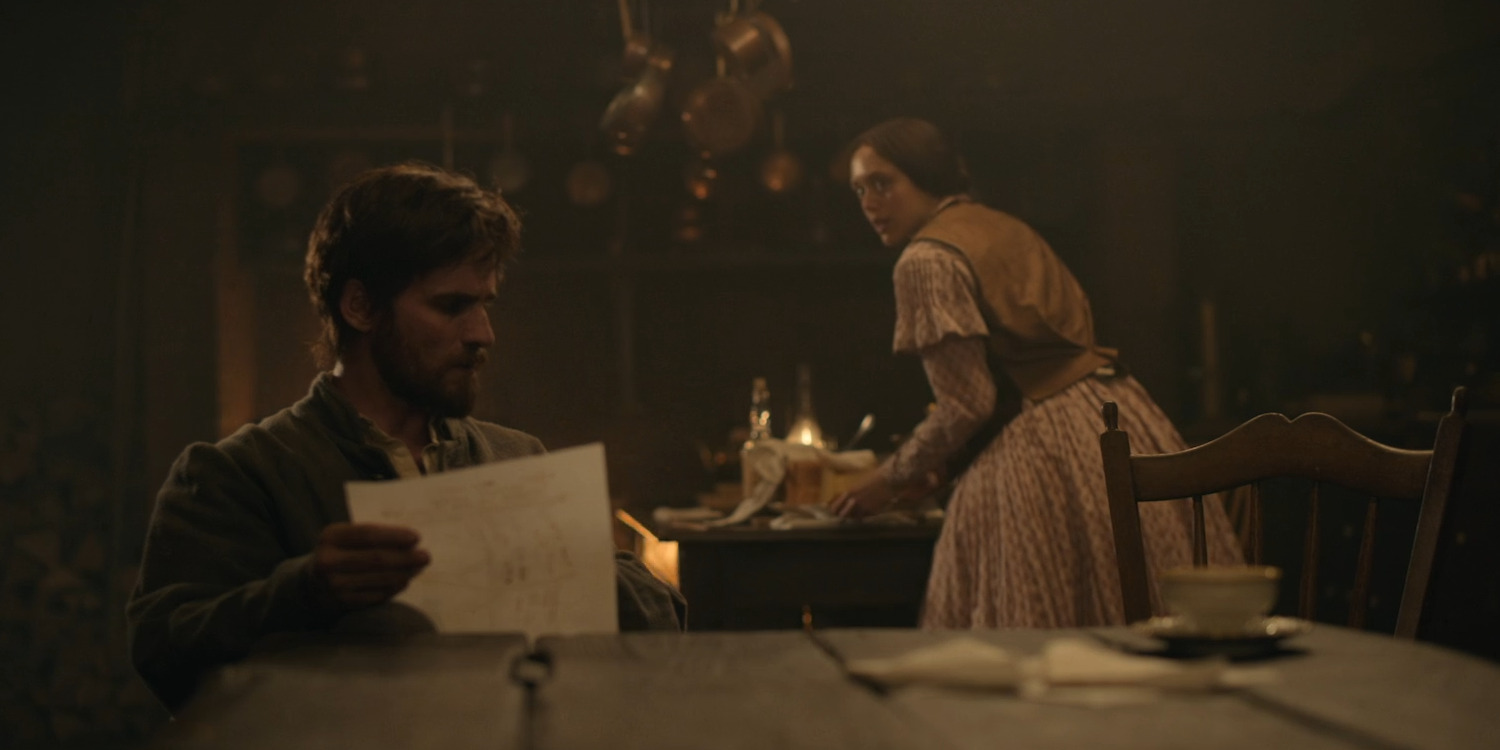
Furthermore, William’s heightened involvement in the success of the Richmond Underground also seems to be a work of fictionalized exaggeration on the show’s part. While these storylines lack a direct basis in reality, their inclusion in William’s narrative serves his characterization and allows for in-dynamic storytelling. Furthermore, the relationship between him and Elizabeth provides an effective foil for her previous courtship with the Confederate soldier, Hamton Arsenault. Thus, it becomes a metaphorical exploration of the protagonist’s complex relationship to the South, her homeland, and the North, to whom she was loyal. Thus, these instances of fictionalization remain in service of the show’s overarching themes.
Read More: Is Stokely Reeves Based on a Real Confederate Slave Catcher?


You must be logged in to post a comment.