
 Aahana Swrup
In ‘The Gray House,’ Richmond, Virginia, of the 1860s becomes the central backdrop to a story about rebellion and resistance brewing in the most unexpected of places. The story centers around an Underground spy network created by Elizabeth and Eliza Van Lew, a mother-daughter duo belonging to an esteemed and wealthy family in the city. As the two women utilize their high social statures to covertly give home to Richmond’s growing Unionist sentiments, their associates form crucial links in a widespread chain of infiltration and espionage. However, as the Confederacy continues to grow its legs in the South, the danger of hyper-surveillance grows more and more dire. The character of Stokely Reeves, a slave catcher with law enforcement privileges, quickly becomes a thorn in the side of the Van Lews and their growing resistance. SPOILERS AHEAD!
Stokely Reeves is a Fictional Character Who Highlights the Reality of Slave Catchers in the 1860s
‘The Gray House’ is a historical show that mines major inspiration from the lives of real-life historical figures from the American Civil War. As a result, much of the narrative is informed by the historical accounts revolving around Unionist spies like Elizabeth Van Lew, Mary Jane Richards, and the network of espionage workers around them. Even so, while many aspects of the show are rooted in reality, the narrative also employs a fair amount of dramatization, fictionalization, and creative liberty in order to deliver a fully fleshed-out story. Stokley Reeves’ character is mostly an outcome of the latter.
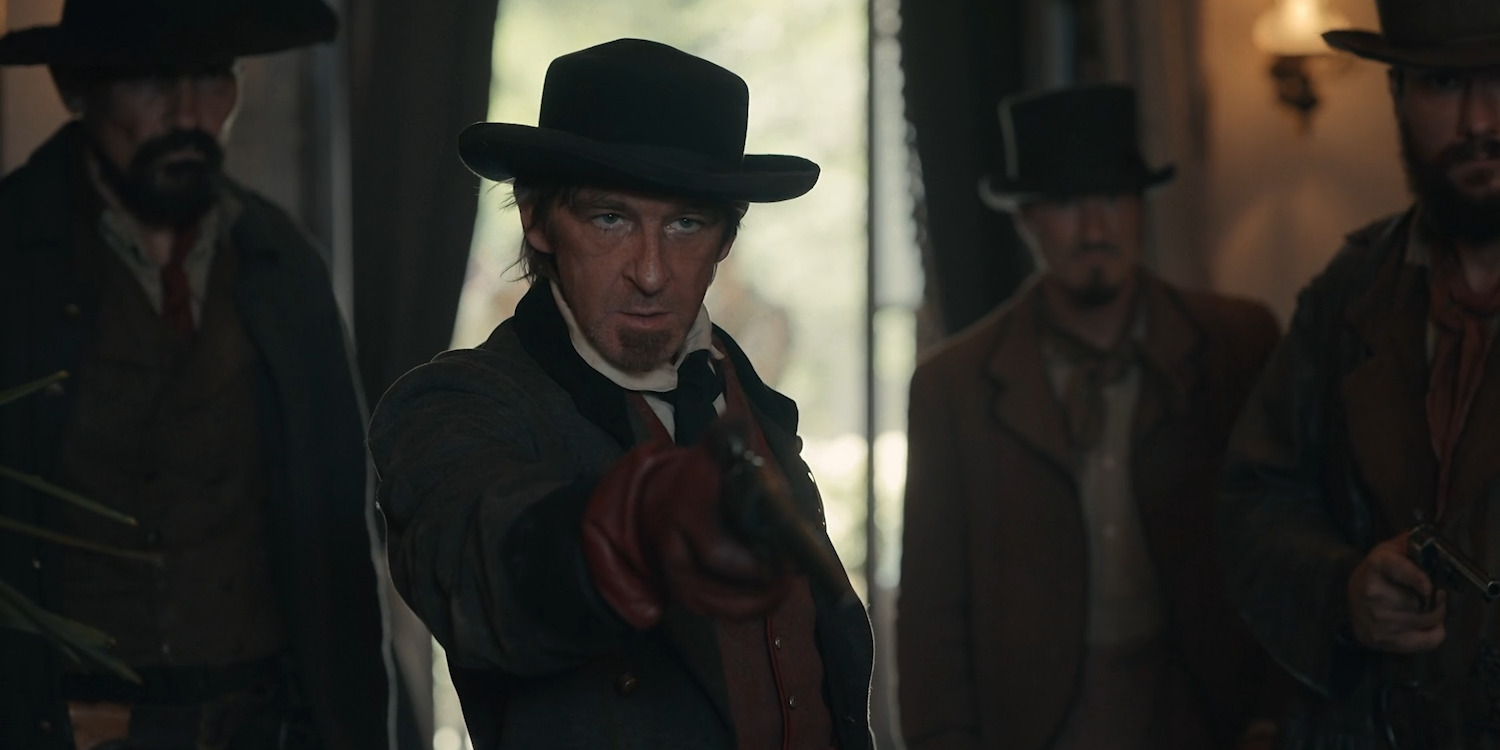
Unlike many other characters in the show, Reeves remains a fully fictionalized individual with no direct counterparts in reality. Still, given the historical nature of the show, his characterization still remains informed by the socio-political realities of the era. In the show, Reeves is introduced as a slave catcher who eventually goes on to earn a sheriff-like role and responsibility in Richmond, Virginia. Among the most important of his duties is the slave patrols, where he and his thugs police, catch, and harass enslaved African-American individuals.
Furthermore, as the Confederacy cements its governance in the town, Reeves’ troupe becomes more involved with investigating and abusing suspected civilians with pro-Union sentiments. Soon enough, his storyline becomes more involved in the specific pursuit after the Van Lews, the Richmond Underground, and their secret spies throughout town. In real life, there are no records of specific slave catchers who played an identical role in the lives of the Van Lews. However, the circumstances around Reeves’ characterization and storyline are steeped in reality. Through his narrative, the show highlights the correlation between law enforcement and its historic ties to the American slave trade and the slave catchers it brought into existence.
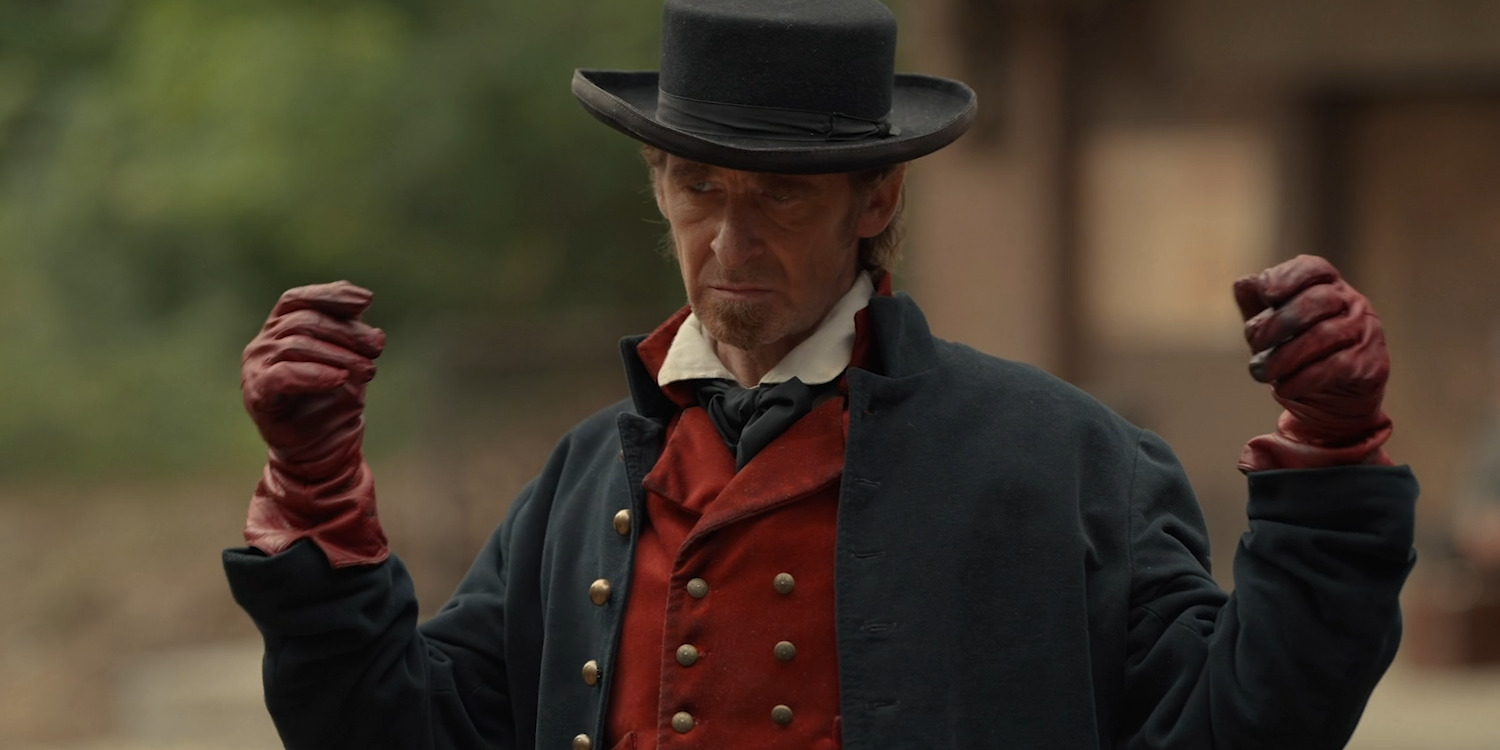
Reportedly, it’s widely believed that modern-day American policing has deep roots in the slave patrols of the 1700s and the 1800s. In her book, ‘Slave Patrols: Law and Violence in Virginia and the Carolinas,’ historian and author Sally Hadden speaks about the same and says, “The history of police work in the South grows out of this early fascination, by white patrollers, with what African American slaves were doing. Most law enforcement was, by definition, white patrolmen watching, catching, or beating black slaves.” Thus, by positioning Reeves’ character in the socio-political position of the town sheriff, the story underlines this association and showcases the brutality of its real-life implications. Therefore, even though Reeves’ character remains a work of fiction, his influence and impact on the story find roots in the crucial historical context of the 1860s.


You must be logged in to post a comment.