
 Aahana Swrup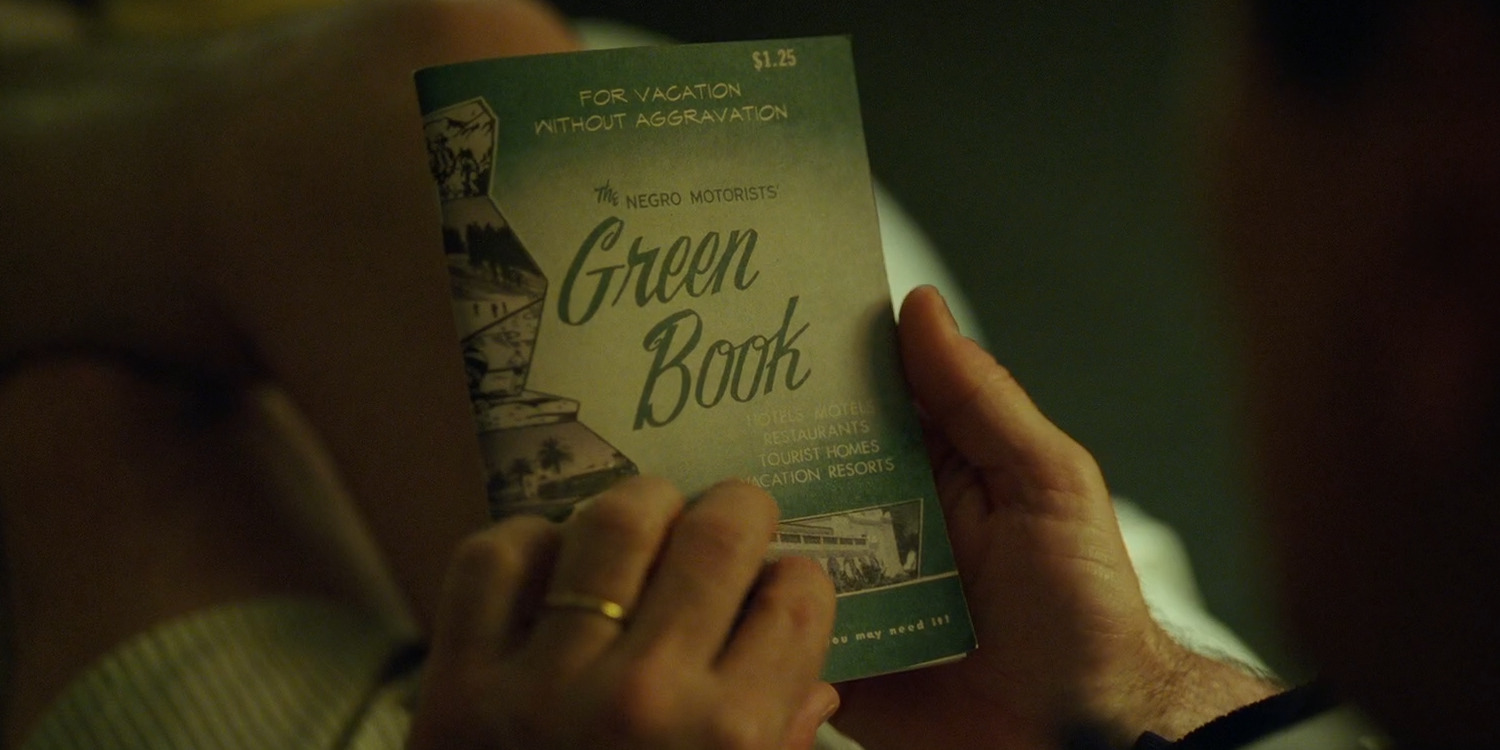
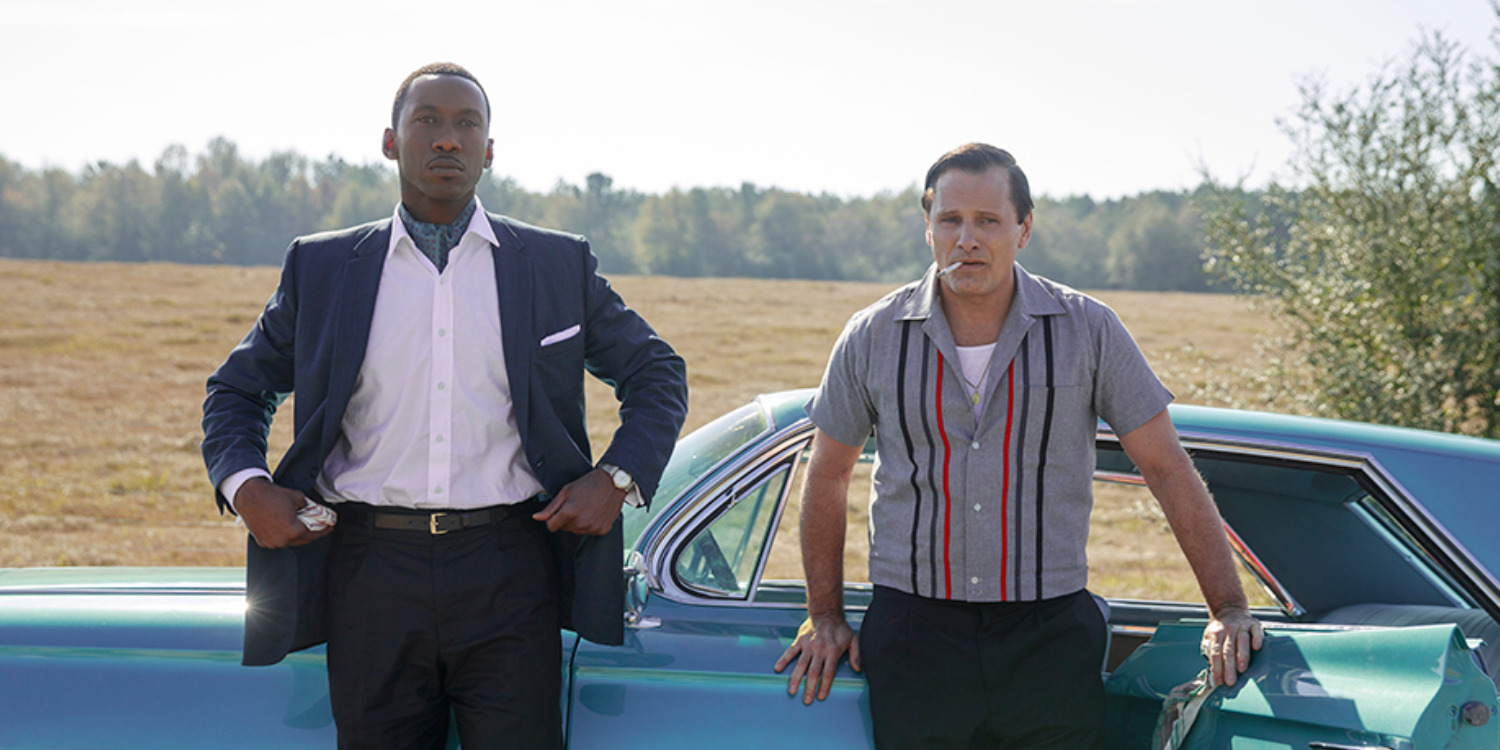
In the 2018 Peter Farrelly-directed film ‘Green Book,’ the narrative centers on a road trip undertaken by a touring pianist and his personal driver. However, the trip isn’t as simple as it seems on paper. The pianist in question is Dr. Donald “Doc” Shirley, an African-American musician, who is going on tour in the Deep South during the 1960s, when Jim Crow laws were still prevalent. As a result, despite booking shows and concerts at respected establishments and events, the pianist has to deal with the inhumane discrimination of legally authorized segregation and racism.
For the same reason, Tony Lip, the working-class Italian-American bouncer hired to drive Doc around, is advised to consult ‘The Negro Motorist Green Book’ during their travels to evaluate which hotels, restaurants, and other public places would be friendly for the African American musician. Thus, the book remains a crucial aspect in Doc’s safety during his tour as well as Tony’s understanding of racial discrimination. Moreover, the book’s roots in reality further ground the film’s real-life basis.
The Negro Motorist Green Book is a Real Travel Guide That Was in Publication For 30 Years
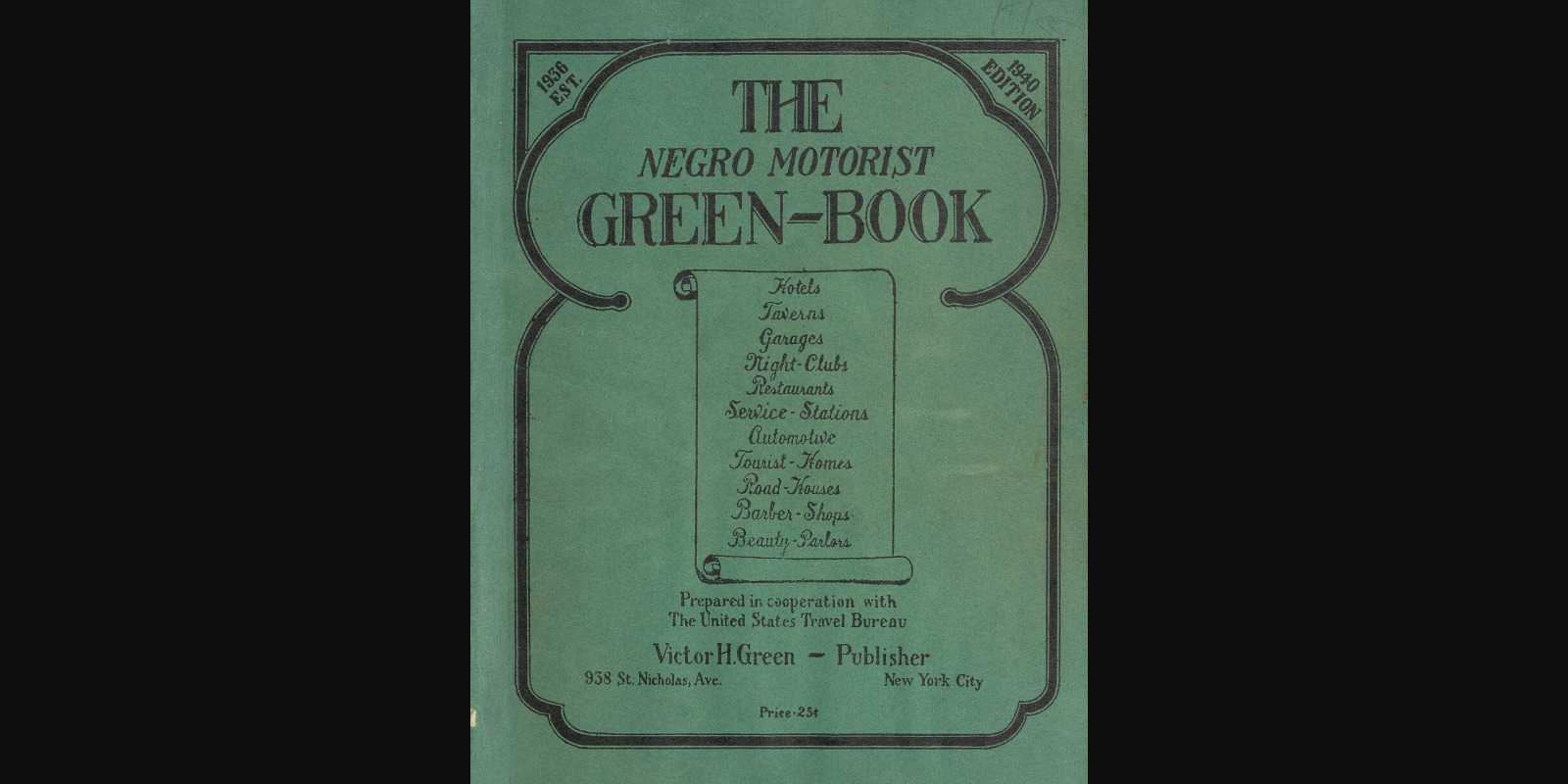
‘Green Book’ is a period drama that finds grounded inspiration in actual history. The story is based on the real-life friendship between pianist and composer Don Shirley and his driver/bodyguard Frank “Tony Lip” Vallelonga. The film itself is written by director Peter Farrelly along with his co-writers, Brian Hayes Currie and Nick Vallelonga, the son of the inspiration behind Tony Lip. As a result, most of the storytelling details in the film, including the employment of ‘The Negro Motorist Green Book’, have a basis in reality. The real-life travel guide for African-American roadtrippers was first published in 1936 by Victor Hugo Green.
The author was an African American mail carrier from Harlem, New York, who wanted to create a comprehensive, reliable guide for African American travelers during a time when Jim Crow laws levied heavy social and systemic segregation across the country. The book was an annual publication that included consistently updated lists of hotels, restaurants, gas stations, bars, barber shops, and almost every other public/tourist facility that a traveler might need. The establishments included in the book were all verified locations that were safe and welcoming for Black Americans, either because they were Black-owned or because they reliably practiced non-discriminatory policies.
For particularly hostile towns and cities where no black-friendly establishments existed, the book even listed addresses of homeowners who were inclined to rent out rooms. Through the years, as the book started to gain more and more popularity and notoriety, it even expanded to an international travel guide, including information for travel outside of the United States. Green was inspired to create this guide from similar books that were created for the Jewish population to help them find non-hostile accommodations. Although the author’s publication was one of the most well-known ones, selling up to 15,000 copies annually, there were also other titles that served a similar purpose.
Reportedly, in real life, during Shirley’s 1962 concert tour through Jim Crow South, Vallelonga specifically used ‘The Negro Motorist Green Book’ to find accommodations for the pianist across different cities. Even as Green was publishing his travel guides, he remained optimistic for a future when these guides would be rendered obsolete. In one of the editions of the book he wrote, “There will be a day sometime in the near future when this guide will not have to be published. That is when we as a race will have equal opportunities and privileges in the United States. It will be a great day for us to suspend this publication, for then we can go wherever we please.” Green passed away in 1960. In the aftermath, his wife, Alma Duke Green, took over as the editor and continued putting out updated editions. In 1966, two years after the Civil Rights Act of 1964 banned racial segregation in public places, the book eventually stopped publication.
Read More: What is ‘Green Book’ About? Is it Based on a True Story?


You must be logged in to post a comment.