
 Abhiroop Das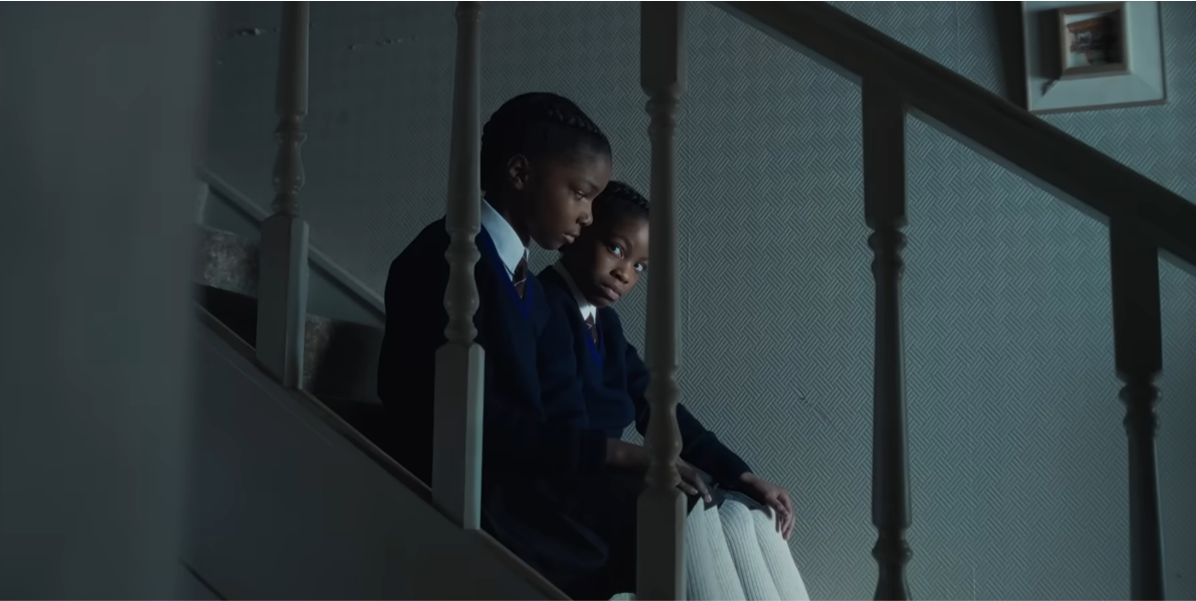
Helmed by Agnieszka Smoczyńska, ‘The Silent Twins’ tells the story of June and Jennifer Gibbons, identical twins who slowly stop speaking to everyone except themselves. As a number of concerned people, including their parents, come together to figure out a cause, the twins’ isolation begins taking a toll on their minds. However, that doesn’t mean that their lives are entirely devoid of expression, as the sisters find true joy in creating entirely fictional worlds, landscapes, and stories. However, when they are ultimately sent to an infamous mental health hospital, their bond is tested to its limits. In capturing this journey, the movie shines a light on an extraordinary story of resilience.
The Silent Twins is Based on the Biography of June and Jennifer Gibbons
‘The Silent Twins’ is an adaptation of the eponymous book by Marjorie Wallace, which in turn is based on the true story of identical twins June and Jennifer Gibbons. They were nicknamed “The Silent Twins” since they spoke only to each other. The script, written by Andrea Seigel and brought to the screen by Director Agnieszka Smoczyńska, maintains a high degree of biographical authenticity, shining light on how the twins also communicated via artistic expression.

Smoczyńska told the Los Angeles Times that “For me as a director, [it] was very important to portray them as artists,” adding, “I was really intrigued and inspired by — that June and Jennifer (…) chose writing words and decided to communicate with the outside world through their writings.” By creatively visualizing some of June and Jennifer’s creations, the story takes a more personalized look into the twins’ lives and the various circumstances that molded their experiences. Though some parts of the film may have been dramatized for creative purposes, Smoczyńska explained that the movie is closer to an interpretation of June and Jennifer’s story than to a documentary drama.
June and Jennifer Gibbons Faced Discrimination Early on in Their Childhood
June and Jennifer Gibbons were born on April 11, 1963, in Aden, Yemen, to Gloria and Aubrey Gibbons. While the family was originally from Barbados, they soon moved from Yemen to England, and then, in 1974, to the town of Haverfordwest in Wales. The twins were 11 years old by this point and had an unshakeable bond, shaped in no small part by the social isolation they had to endure. In a 2023 interview with the BBC, June explained that she and her sister had a speech impediment, which made it difficult to have conversations with their parents.
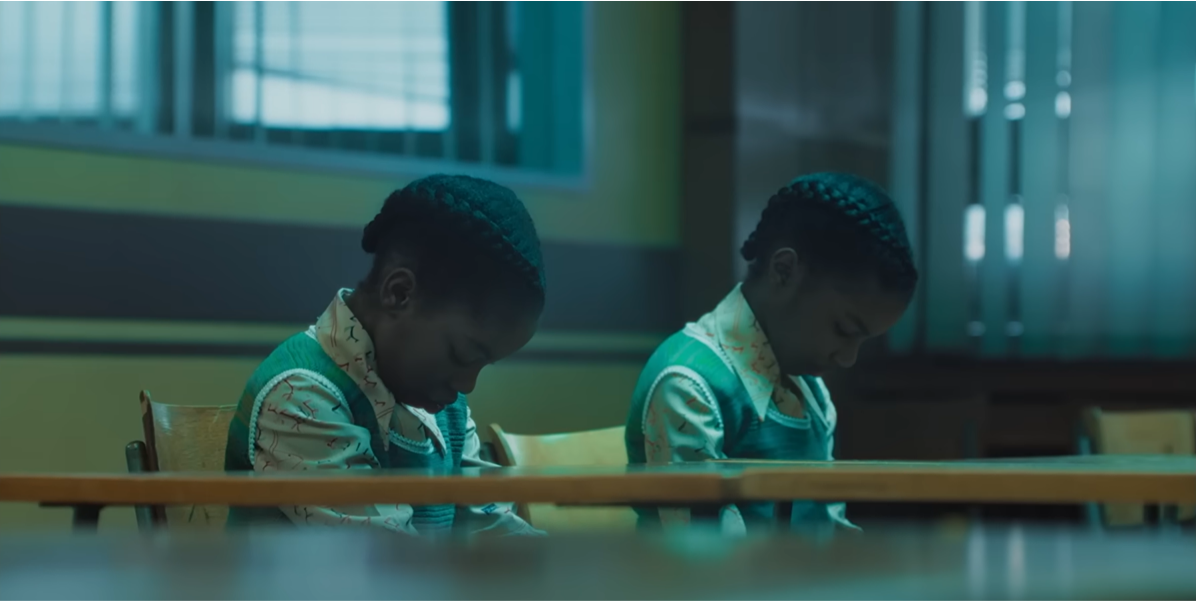
Conversation with other people proved to be even more challenging, partly because their language, reportedly a sped-up version of Bajan Creole, was unfamiliar to many listeners. June also expressed that hers was the only Black family in their Welsh neighborhood of Furzy Park at that time, and facing racial discrimination also took a toll on her and her sister’s psyches. “I must have lost confidence, maybe it was a look, gesture or someone said something, I just clammed up. I went back to square one.” June recalled.
The Twin Sisters Stopped Talking to Others After Repeated Misunderstandings
Writer Andrea Seigel said to the Los Angeles Times that June and Jennifer’s parents “had been coaxed into doing surgeries for them, which made it painful to talk.” The twins also had to endure bullying and ostracization in school, to the point that administrators reportedly dismissed them early each day so that they could avoid bullying. Their speech was often misinterpreted as part of an invented language, and before long, the twins had to rely on nonverbal cues and forms of communication to convey their intentions. “We had to point at things we wanted, when our mother asked us what we wanted for tea or whatever,” June said during an appearance on the BBC Sounds podcast, adding, “She (Gloria Gibbons) thought we were talking a different language.”
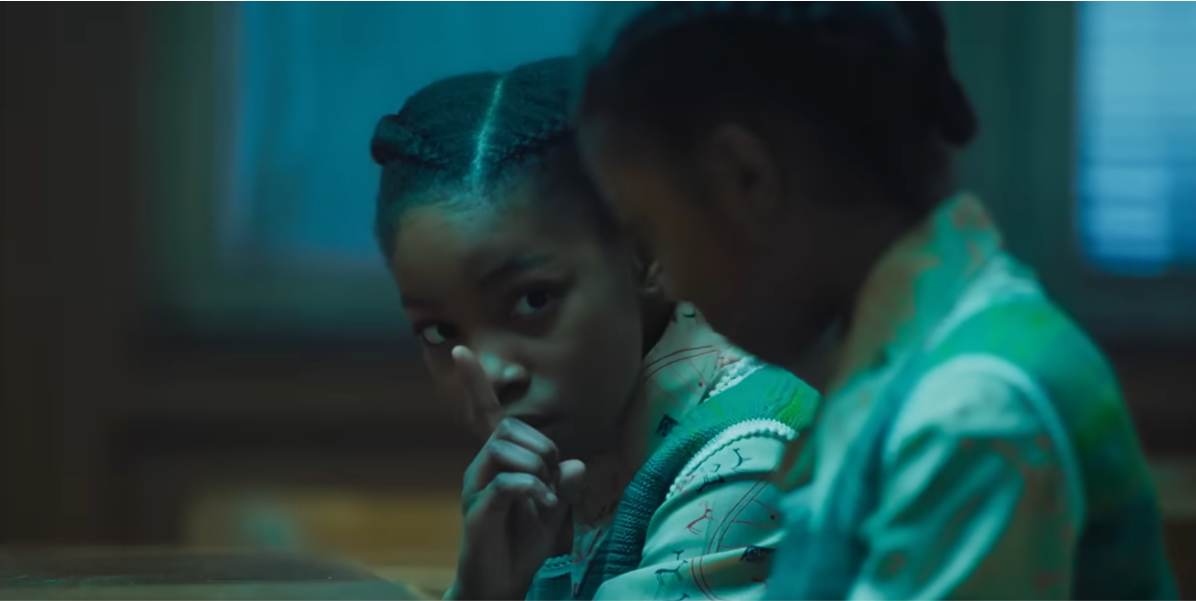
Though speech therapy was recommended for the twins, it ultimately failed to make a difference, with June stating that she and Jennifer were often unwilling to speak out of fear of being misunderstood. Over time, the twins became progressively more reserved and ultimately ceased all verbal communication with everyone but each other and their younger sister Rosie. Reportedly, June and Jennifer continued attending school in Yorkshire, but they didn’t participate in reading or writing activities.
In 1976, a medic visited June and Jennifer’s school to administer tuberculosis vaccinations and noticed their impassive reactions. Concerned, he contacted Evan Davies, the consultant child psychiatrist for the area, following which the twins were transferred to Eastgate Centre for Special Education. Around this time, they met Educational psychologist Tim Thomas, who reportedly described them as “electively mute” and attempted a range of therapeutic processes, but to little success. In 1977, a radical decision was made to temporarily separate the twins, with June being sent to St David’s Adolescent Unit, while Jennifer stayed at home. However, June reportedly turned catatonic soon after, and the twins were reunited shortly thereafter.
A Turn to Creative Writing Changed the Lives of June and Jennifer Gibbons
As documented in Marjorie Wallace’s book ‘The Silent Twins,’ June and Jennifer spent the years after their reunion largely in isolation, often playing with their dolls or creating soap-opera styled plays and short stories that they would record on tapes. On Christmas 1979, the twins received a pair of diaries as gifts from their mother, and this is believed to be the starting point of their writing careers. Reportedly, they cashed in their unemployment benefits to enroll in a creative-writing correspondence course, and soon, they were penning a number of short stories, poems, and novels. Many of these works are set in Malibu, California, and most feature young protagonists undertaking unusual journeys.
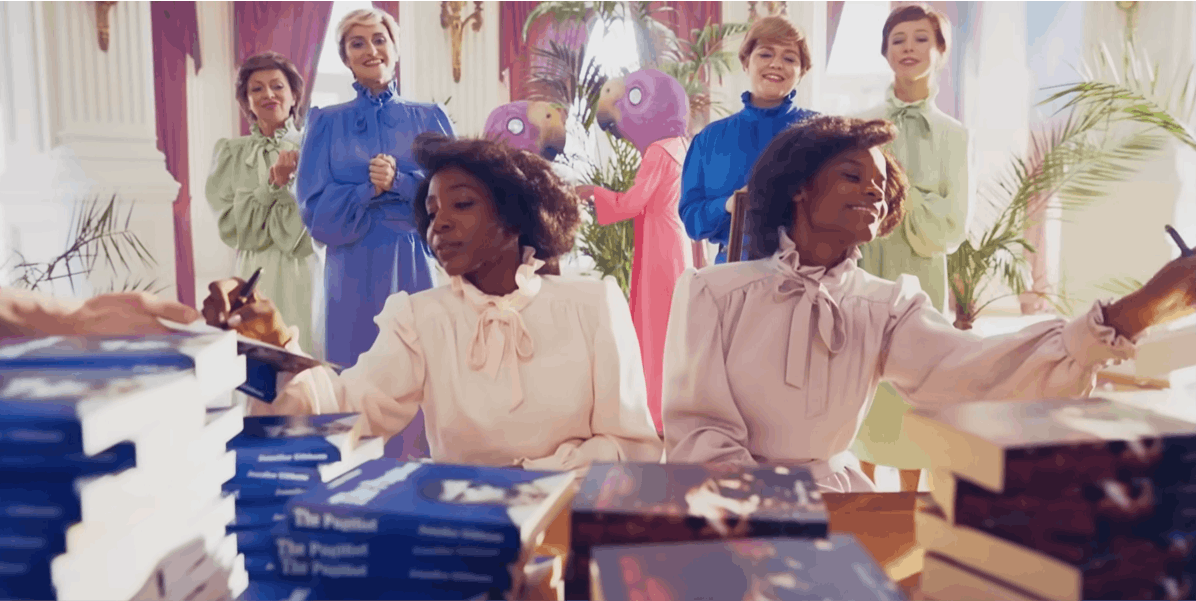
June’s novel, ‘The Pepsi-Cola Addict,’ was soon self-published, and for decades remained the only accessible work by either of the twins. Reportedly, Jennifer also tried to get her works published by other presses, but wasn’t met with a response. By the time the twins were 18, they had befriended the Kennedy siblings, who are referred to with pseudonyms in Marjorie Wallace’s book. In a conversation with The New Yorker, June described them as American white boys whom she and her sister were trying to impress. She recalled, “We wanted to be glamorized, so we got long brown wigs, sunglasses, and chewing gum. We spent about three hours getting ready to go out.”
Around the same time, the twins also discovered drugs and alcohol, with June stating that they felt the need to be inebriated before talking to others. As per The New Yorker, June and Jennifer had sex for the first time on two separate occasions with the youngest Kennedy sibling, named Carl, in the biography. However, the Kennedys soon left for America, and not long after, the twins returned to a state of social isolation. Their diary entries from this period reflect how this had a strong negative effect on their psyche, leading to a turn to more aggressive forms of expression. After they were reportedly rejected from a local gang, June and Jennifer began stealing objects and breaking into buildings, often damaging public property in the process.
June and Jennifer Gibbons Spent Years in Treatment at a Mental Health Hospital
On November 8, 1981, the twins smashed a window at Pembroke Technical College and attempted arson, but were stopped by a police officer just in time. Following this, they were arrested, and their personal belongings, including their diary entries, were examined. In the coming days, June and Jennifer were sent to the Pucklechurch Remand Center, where they remained for the next seven months, awaiting a court decision. In May 1982, they were tried on 16 joint counts of burglary, theft, and arson. While the twins pleaded guilty, a psychiatrist who had assessed them in the meantime reportedly recommended immediate detention at Broadmoor Hospital, a high-security mental health hospital in Berkshire, England.
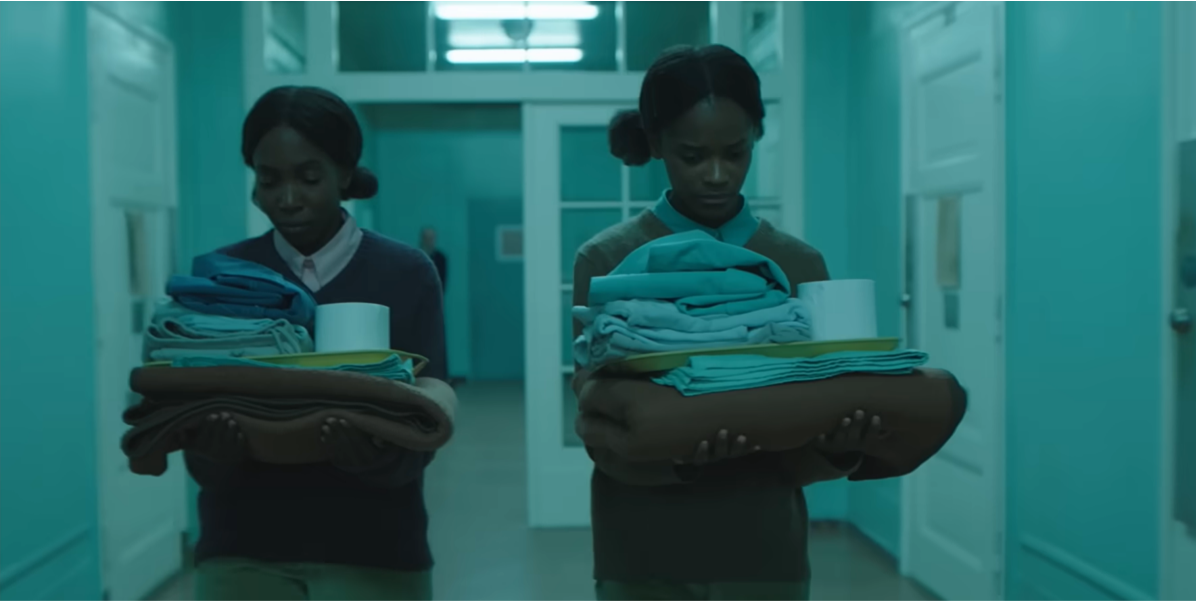
While speaking to the BBC, June explained that she and Jennifer were initially excited to go to Broadmoor but had expected a sentence of about six months. Instead, they received an indefinite detention and remained at the hospital for the next eleven years. Allegedly, the twins received antipsychotic drugs as part of the treatment, with Marjorie Wallace believing that they were misdiagnosed with Schizophrenia. Looking back on their extended detention, June opined, “We got twelve years of hell, because we didn’t speak (…) We lost hope, really. I wrote a letter to the Home Office. I wrote a letter to the Queen, asking her to pardon us, to get us out. But we were trapped.”
Jennifer Gibbons Passed Away on the Day of Her Release From Broadmoor
On March 9, 1993, the twins were nearly 30-years-old when they were released from Broadmoor and transferred to Caswell Clinic in Wales. However, upon arrival, Jennifer was found unresponsive, and later she passed away at the hospital due to a sudden inflammation of the heart. In her book, Marjorie claims that the twins had a longstanding arrangement that, if one of them were to pass away, the other would resume verbal communication with others. Allegedly, Jennifer also announced to Marjorie that she was going to die as part of a mutual decision by the twins. However, the authenticity of these claims remains hard to establish.
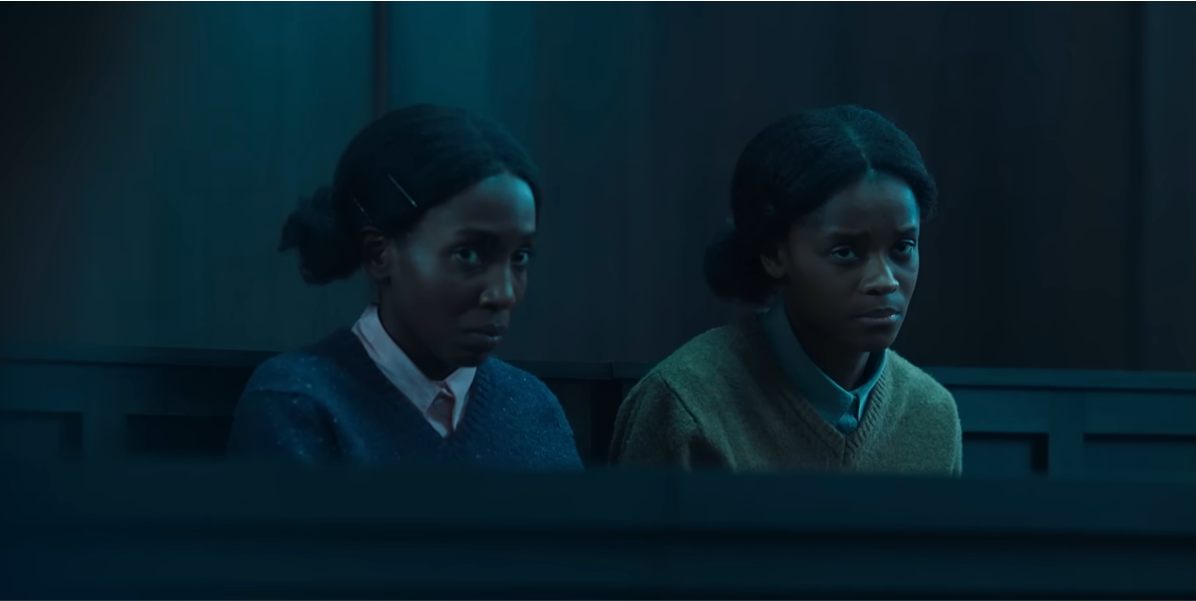
Jennifer’s funeral was held at St Martin’s Cemetery in Haverfordwest, Pembrokeshire. A year later, June was released from Caswell, and she continues leading a private life as of writing. Since 2022, some of the twins’ written works have been published and reprinted, including Jennifer’s ‘Discomania.’ In reimagining the twins’ true story, Agnieszka Smoczyńska and his team shine a light on the various social realities that go unaddressed more often than not, but are found to be expressed through art.
Read More: Movies and Shows About Twins on Netflix


You must be logged in to post a comment.