
 Aahana Swrup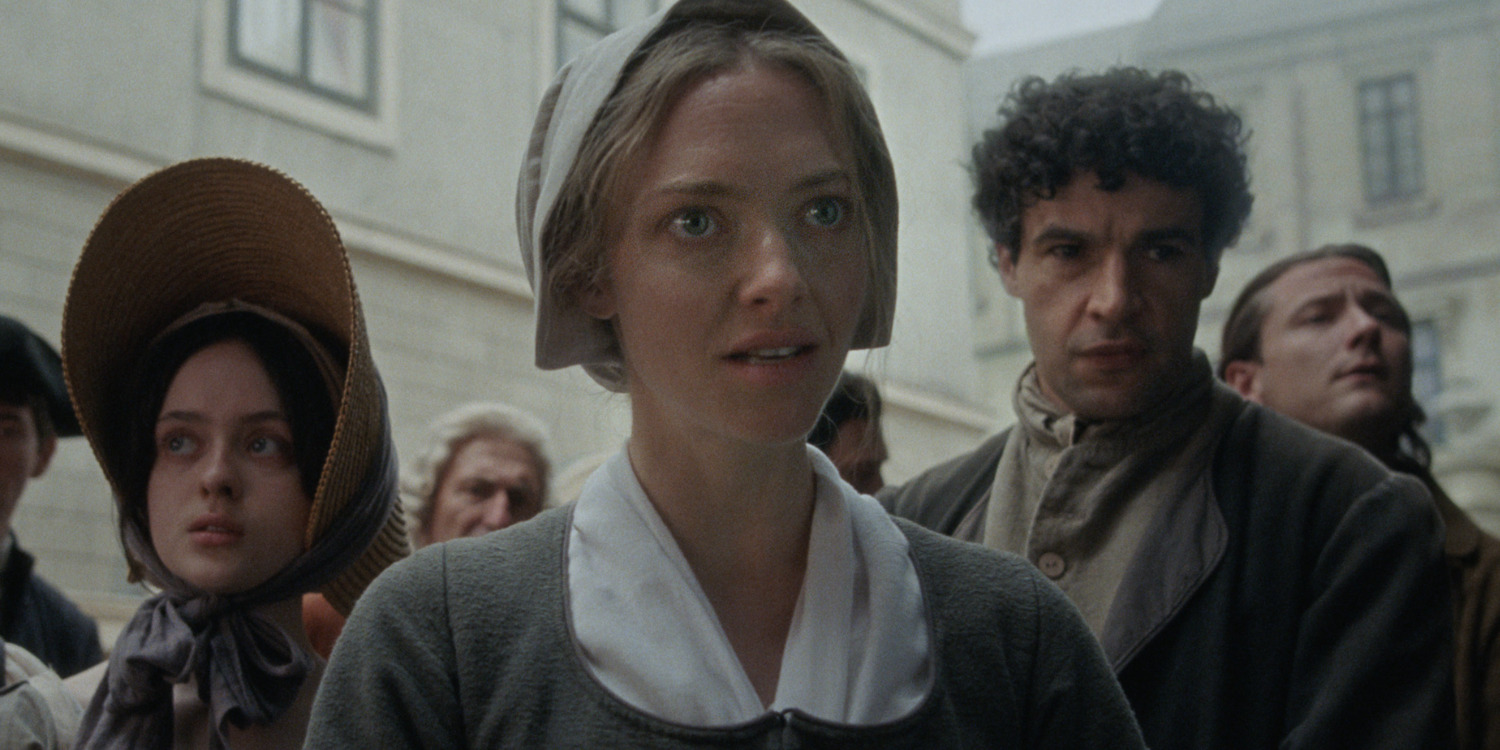
‘The Testament of Ann Lee’ is a historical film that delves into the life of the titular character, who was one of the key founders of a celibate Christian millenarian group in the 18th century. The narrative revolves around Ann Lee’s introduction to Jane and James Wardley’s Quaker worship group, which leads her to found her own sect, the Shakers. Defined by their practice of celibacy, equality of the sexes, and chosen method of worship, which includes music and dance, her small community of followers comes to be known as the Shakers.
Notably, after Ann receives a series of startling visions while incarcerated, the sect begins to perceive her as the second coming of Christ. As their faith and culture begin to take shape, Anne and some of her closest followers, including her niece Nancy and Richard Hocknell, the son of their benefactor, move to North America to set down new roots. Given the biographical nature of the protagonist and her story, personalities like Nancy and Richard, who are early believers in the faith, but not for long, naturally capture the audience’s intrigue.
Nancy Lee and Richard Hocknell Were Real People Who Joined Ann Lee in Her American Migration
For the most part, ‘The Testament of Ann Lee’ remains faithful to the historic source material of the life of the religious leader. While some creative liberty is applied to the narrative at times for the sake of storytelling, the film adheres to reality on a factual and foundational level. As a result, even minor supporting characters like Nancy Lee and Richard Hocknell have actual off-screen counterparts in history. In real life, Nancy and Richard were some of the earliest followers in the Shaker sect, who believed Ann Lee to be the second coming of Christ when she was just beginning to lay the foundation for the basis of the celibate Christian group. Nancy herself was the leader’s niece, and Richard was the son of another member, John Hocknell.
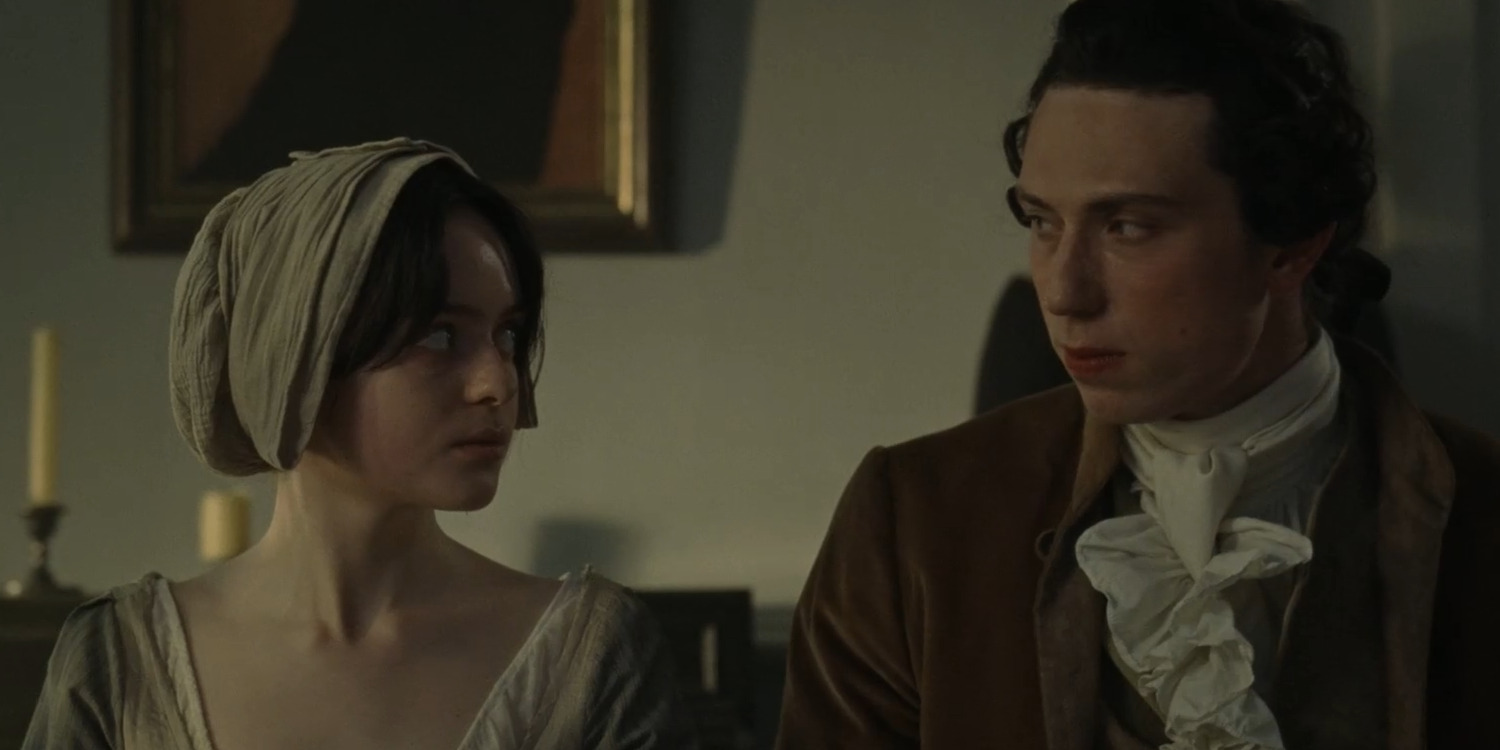
Reportedly, Nancy and Richard both accompanied Ann Lee and a handful of other members from their community on a voyage to the Province of New York on May 19, 1774. However, little else is known about the two in the aftermath of their arrival in North America. In the film, the on-screen counterparts of these two individuals go on to fall in love and lust with one another. As they consummate their relationship shortly after arriving in New York, they decide to get married and are promptly excommunicated from the religious sect. This is because celibacy was a cornerstone of their theology, which necessitated the end of marriages between men and women, who are even prohibited from physical touch between one another.
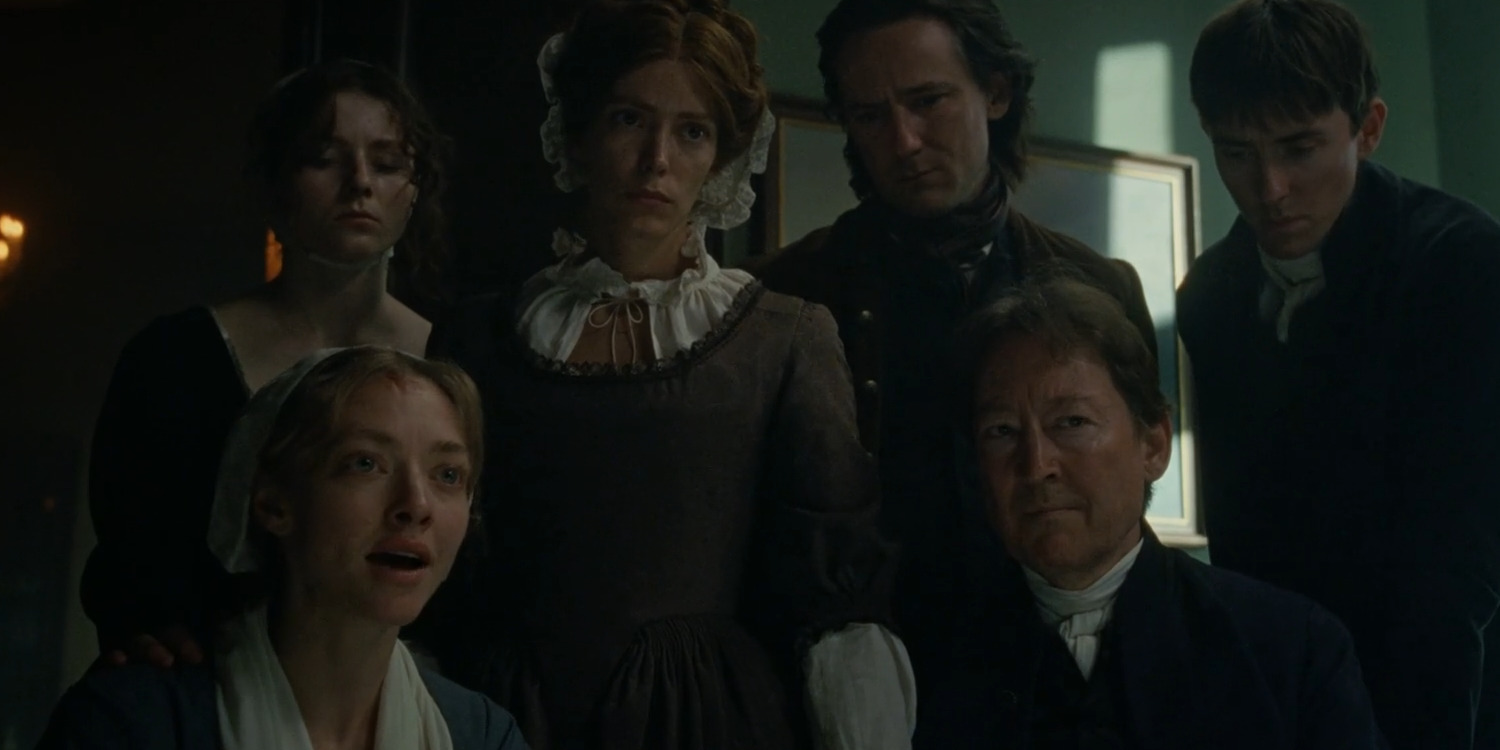
This characterization of the Shakers, also known as the United Society of Believers in Christ’s Second Appearing, is in line with the real beliefs of the community. However, it’s difficult to find any records that suggest Ann Lee’s own niece or Richard Hocknell chose to walk away together from the community in deference to the mandate. Similarly, there are no records that seem to suggest a romantic or marital relationship transpired between the two historical figures. As such, it’s possible the film fictionalizes this aspect of the narrative in order to showcase the nature of excommunication in the community and the severity of their rule of celibacy. Ultimately, though, based on real-life individuals, it’s possible that some aspects of Nancy Lee and Richard Hocknell’s on-screen story are a result of slight fictionalization.
Read More: Is The Testament of Ann Lee Based on a True Story?


You must be logged in to post a comment.