
 Abhiroop Das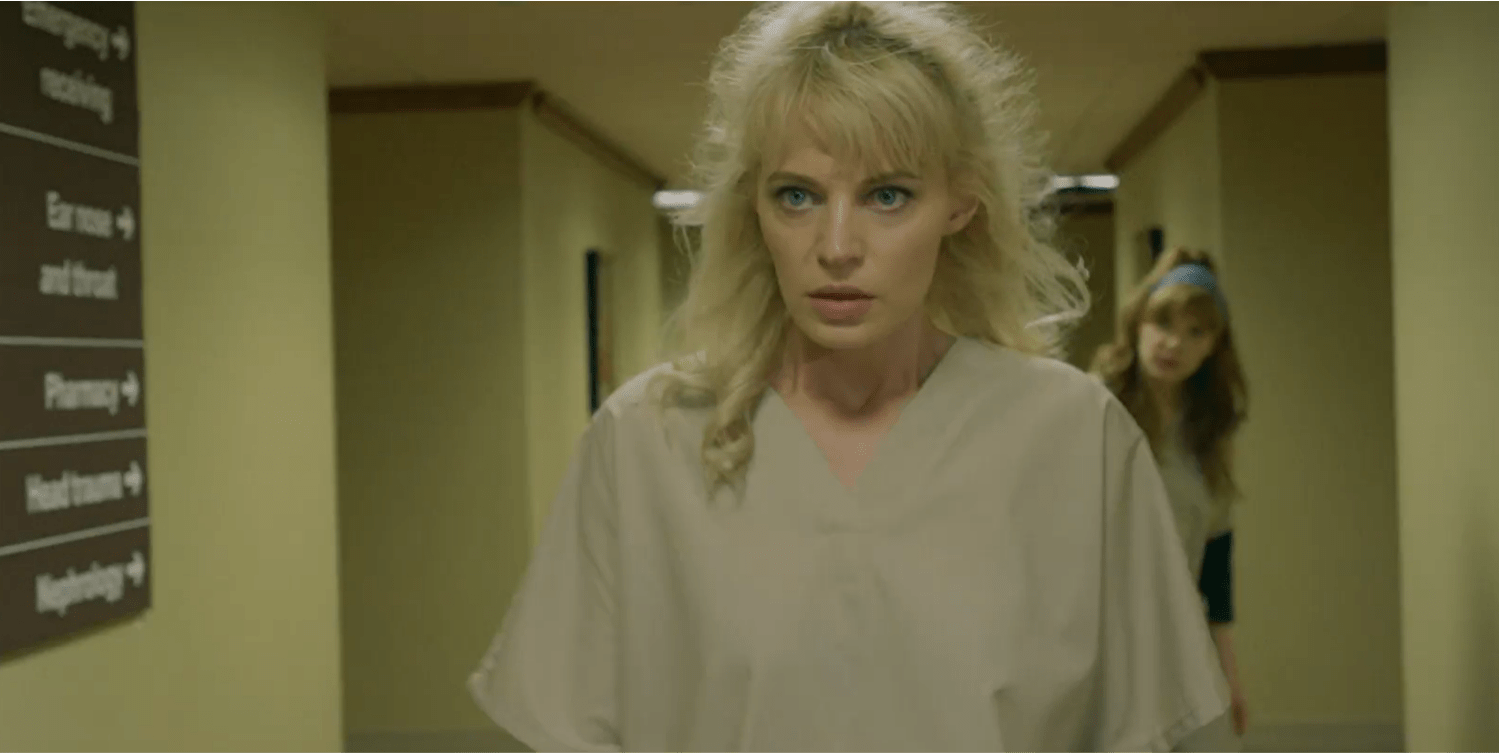
Helmed by Brea Grant, ‘12 Hour Shift’ sees a night turn into a living nightmare through the eyes of Mandy, a nurse at an unnamed Arkansas Hospital. However, describing her as just that would be a disservice, as Mandy also happens to be running an organ harvesting operation from within the hospital, working closely with nurses she trusts. A new addition to the ring is her distant relative, Regina, who is not a nurse but a bit of a loose cannon. Mandy’s trust in her backfires when Regina accidentally misplaces a kidney. What follows is a black comedy of errors, where everything that can go wrong goes wrong. Through its unpredictable storytelling, the movie seems most interested in capturing the zeitgeist of a very specific era and setting, as realistically as possible.
12 Hour Shift is Informed by Kidney Theft Urban Legends of the 90s
’12 Hour Shift’ is a fictional story penned by Brea Grant, and loosely reimagines a series of urban myths and legends about organ harvesting and Y2K. In her appearance on the ‘MovieMaker Interviews’ podcast, the writer explained that her story’s premise, about missing harvested kidneys, can be interpreted as a response to the pre 2000s-era anxieties about the legend, and what it socially represents. In Grant’s own words, the movie takes off from legends where “you wake up in the bathtub — you or anyone wakes up in a bathtub — and they’re missing a kidney, and there’s a sign on the wall that says ‘Go to the hospital immediately.'” That said, the actual narrative beats are themselves fictional in nature and do not correlate to any real-life incident.
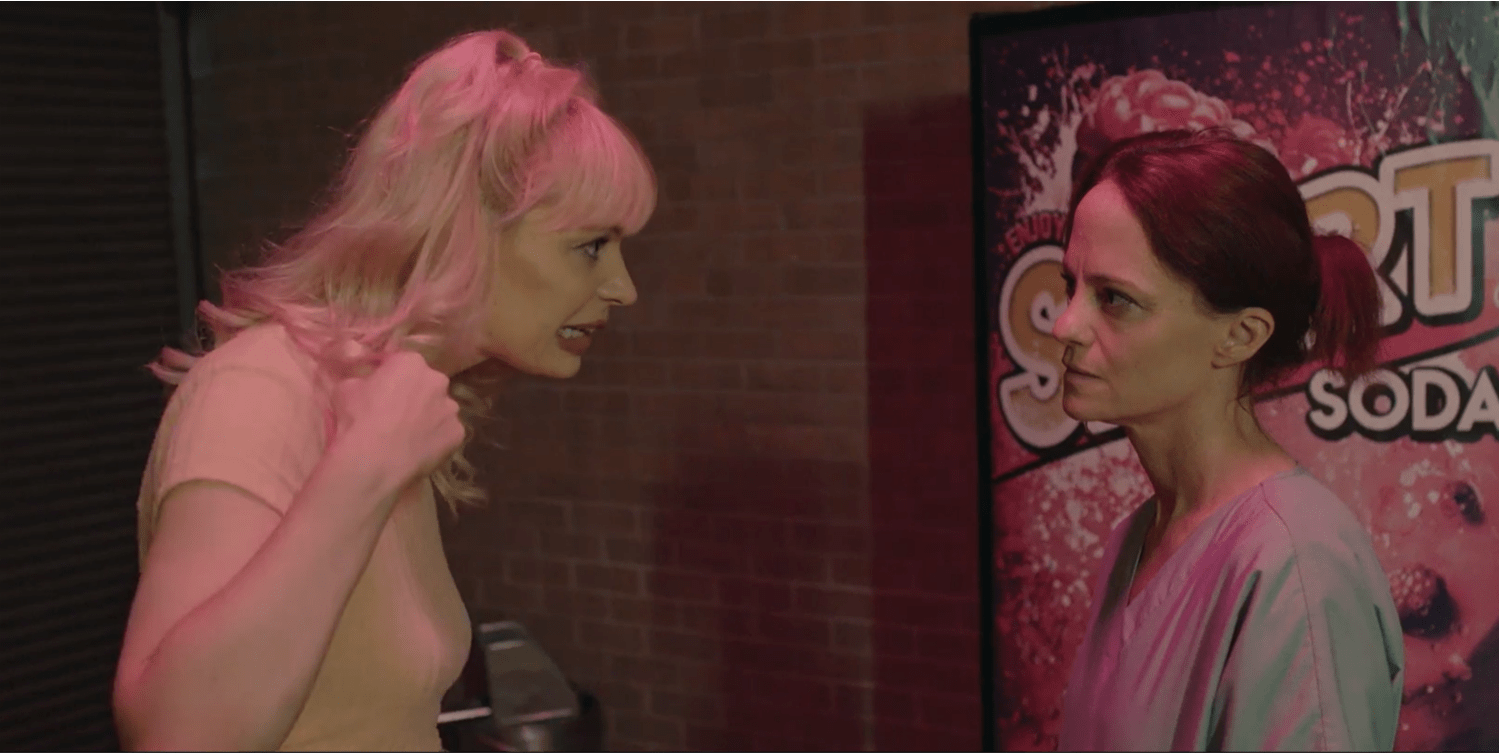
According to reports, the specific organ theft urban legend Grant brought up in the interview originated in the early 90s. By 1993, the myth also likely became a reference for the movie ‘The Harvest,’ where a Hollywood screenwriter’s kidneys are stolen while he’s on vacation. Over time, these myths and rumors nestled into the public consciousness, and while worldwide organ trafficking is a documented human rights crisis, ’12 Hour Shift’ chooses to narrow down its narrative focus to its mythic references.
Grant’s inspiration for the story isn’t just limited to any one phenomenon, as the creative process began with her wanting to write something about her experience with the 90s. An East Texas native, she initially planned to situate the story where she grew up, but later opted for the state of Arkansas instead. Additionally, the decision to set the tale in the late 90s also came with Grant’s interest in the Y2K scare, as well as the opioid epidemic, which is believed to have begun due to the abuse of prescription opioids in the 1990s. Additionally, she described the era as one “full of these kind of broad, interesting characters, these kind of crass people, but also just an interesting moment in time.” As such, ’12 Hour Shift’ appears to be the writer’s fictionalized retelling of a specific timestamp from the past.
The Fictional Hospital is the Beating Heart of the Movie
To bring the story of ’12 Hour Shift’ to life, writer Brea Grant relied on the fictional, unnamed hospital, which serves as a vessel for all the legends, rumors, and references that lay the foundations of the movie. Incidentally, while Grant may not have mentioned a real-life hospital as one of her inspirations, it makes sense for this dramatization of the “kidney urban legends” to take place in a hospital. In framing the movie this way, Grant posits a systemic commentary on the 90s, shining a light on the many moving parts of the era and how they came together. The fact that we are never told the hospital’s name also gives it a universal quality, which is most likely an intentional decision by the creative team.
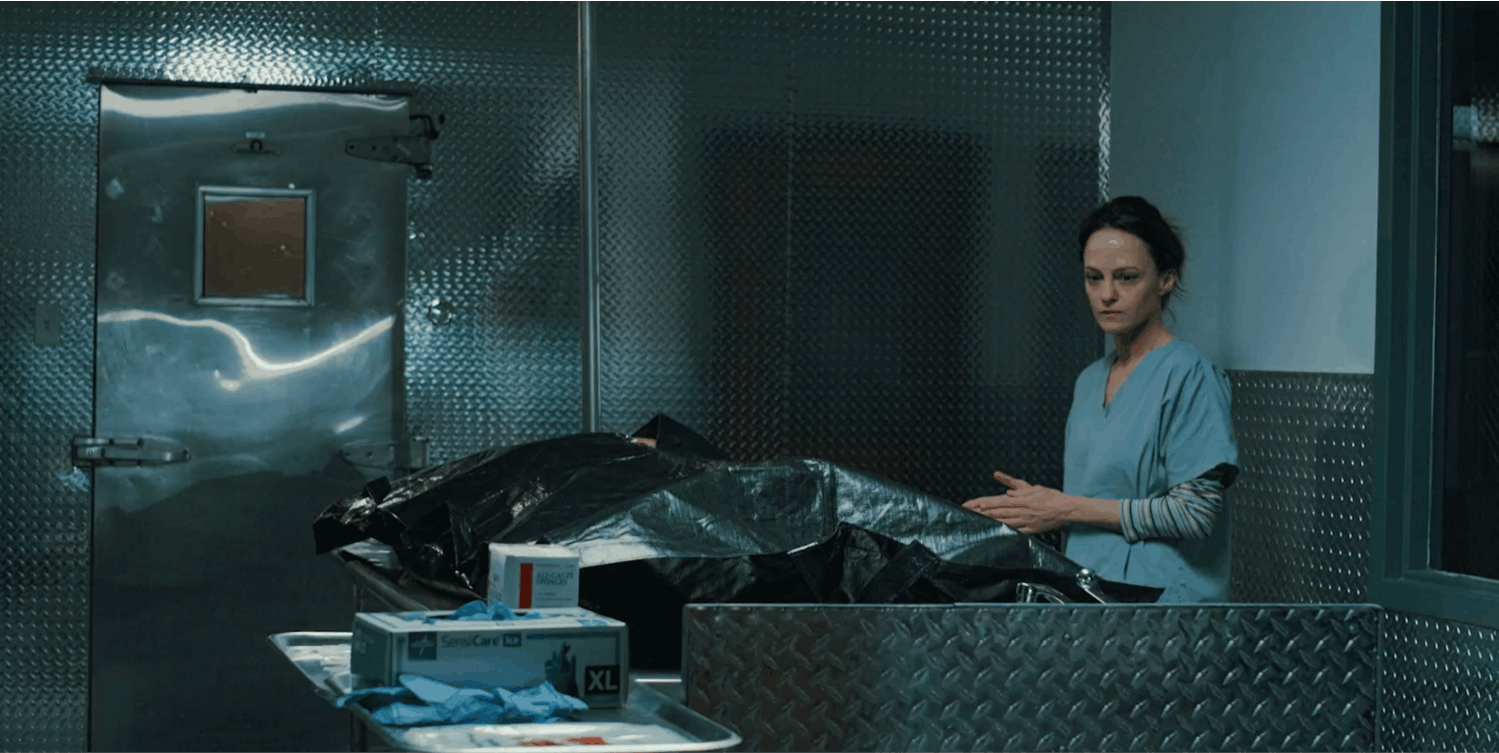
Though the hospital might be a nameless entity in the film, we know that it was filmed in a real-life hospital in Arkansas. While there aren’t any direct real-life correlations between the fictional setting and its corresponding filming location, Grant revealed that her depiction of nurses is somewhat modeled after what she observed in real life. During her conversation with ‘MovieMaker Interviews,’ she recalled an occasion when a real nurse commented on a scene being filmed. “There was one time I was talking to one, and it was a scene where Mandy was being really crass,” Grant said, “And I was like, ‘Am I being too rough? Like, is this too harsh?’ And she (the nurse) looked at me, she said, ‘Oh, no. It ain’t harsh enough.” As such, while the hospital and the people inside might be fictional constructs, the story is deeply informed by reality.
Read More: 12 Hour Shift Ending Explained: Who is the Man Following Mandy? Where Are the Kidneys?


You must be logged in to post a comment.