
 Abhiroop Das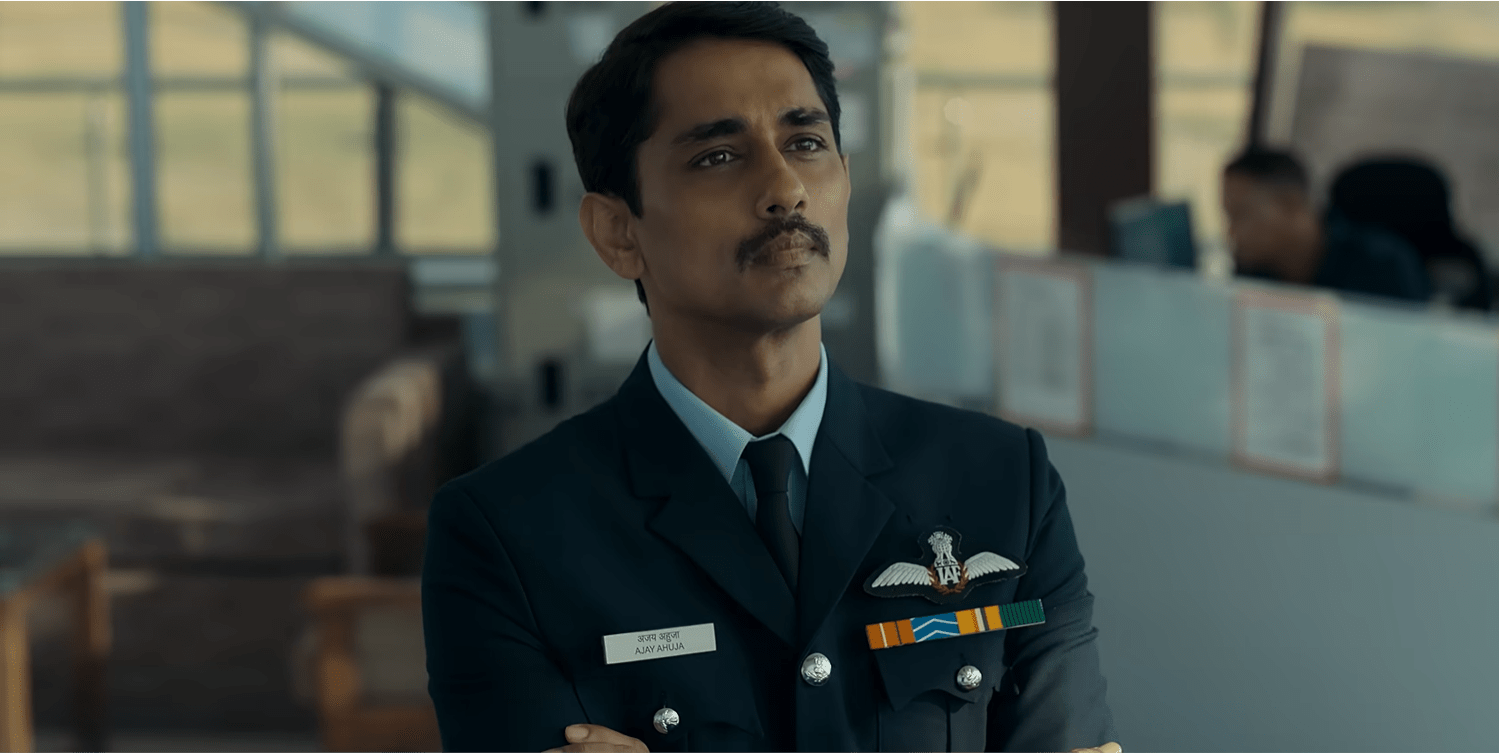
Created by Abhijeet Singh Parmar and Kushal Srivastava, Netflix’s ‘Operation Safed Sagar: The Untold Story of the Kargil War’ presents the events of the 1999 Kargil War with a dramatized lens. Throughout this story, the elusive Golden Arrows squadron serves as our eyes and ears in this war saga, and it is in the interpersonal relationships within this group that the show finds its true strength. Squadron Leader Ajay Ahuja joins Golden Arrows to improve their aerial reconnaissance abilities, but before long, their dynamic becomes far more powerful. When the Kargil War puts their skills to the test, Ahuja leads the squad into the mighty Himalayas, knowing the risks that await. From beginning to end, his arc is the beating heart of this war drama series.
The Real-Life Ajay Ahuja Was a Celebrated Indian Air Force Pilot
‘Operation Safed Sagar: The Untold Story of the Kargil War’ dramatizes the life of Squadron Leader Ajay “Aj” Ahuja, who made a monumental impact during the Kargil War of 1999. While the show mainly charts that specific chunk of his life, with writers Abhijeet Singh Parmar, Kushal Srivastava, Sandeep Jain, Barun Kashyap, and Nikhil Ravi penning the script, the true story behind it all is just as inspiring. Ajay was born on May 22, 1963, in Kota, Rajasthan, where he spent most of his childhood. His love for his country led him to the National Defense Academy, and after completing his training, he was commissioned into the Indian Air Force on June 14, 1985, as a fighter.
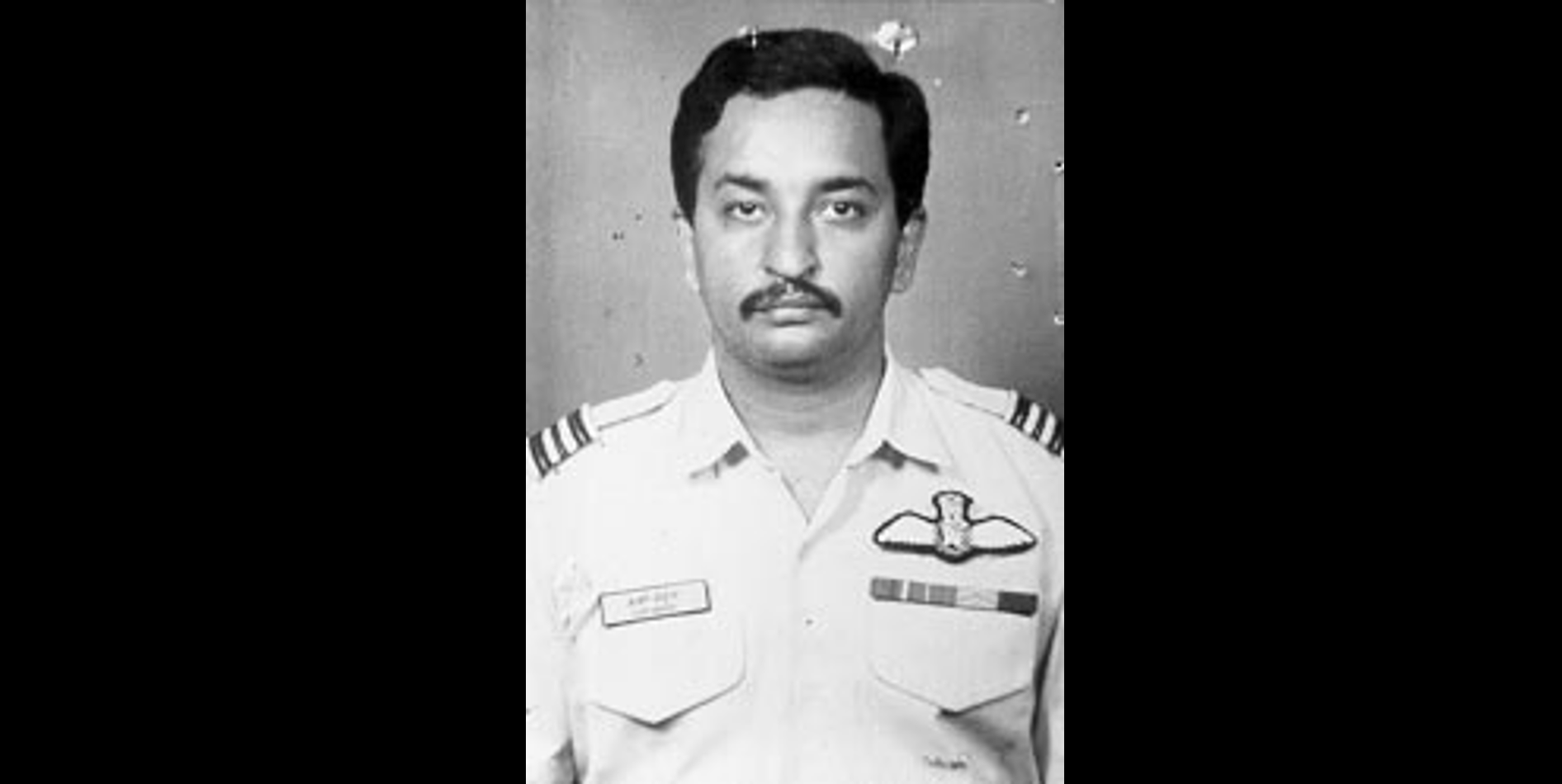
Over the next decade, Ajay emerged as an inspirational figure within the Air Force. He mastered the MiG-21 and MiG-23 fighter aircraft and gained more than 1,000 hours of flying experience, many of which were spent training the next generation of pilots. On June 14, 1996, Ajay was promoted to the rank of squadron leader, and the following year, he was posted to Bhisiana Air Force Station in Bhatinda, Punjab, then home to the famous “Golden Arrows” Squadron. Also known as the No. 17 Squadron, the Golden Arrows specialized in operating MiG-21 Type 96 aircraft, and Ajay’s experience was crucial to refining the squad’s aerial reconnaissance prowess.
Ajay Ahuja Played a Key Role During the Early Stages of Operation Safed Sagar
By early 1999, tensions along the Line of Control had begun to escalate, although the full scale of the intrusion in the Kargil region had not yet become clear. When Indian forces detected the presence of armed infiltrators on the Indian side of the Line of Control, or LoC, the air force was called into action. Due to the challenging geographic layout of the region, be it the elevation profile or the mountainous terrain, aerial reconnaissance emerged as the best option, and by May 18, 1999, the Golden Arrows were reportedly making their way towards the northern sector.
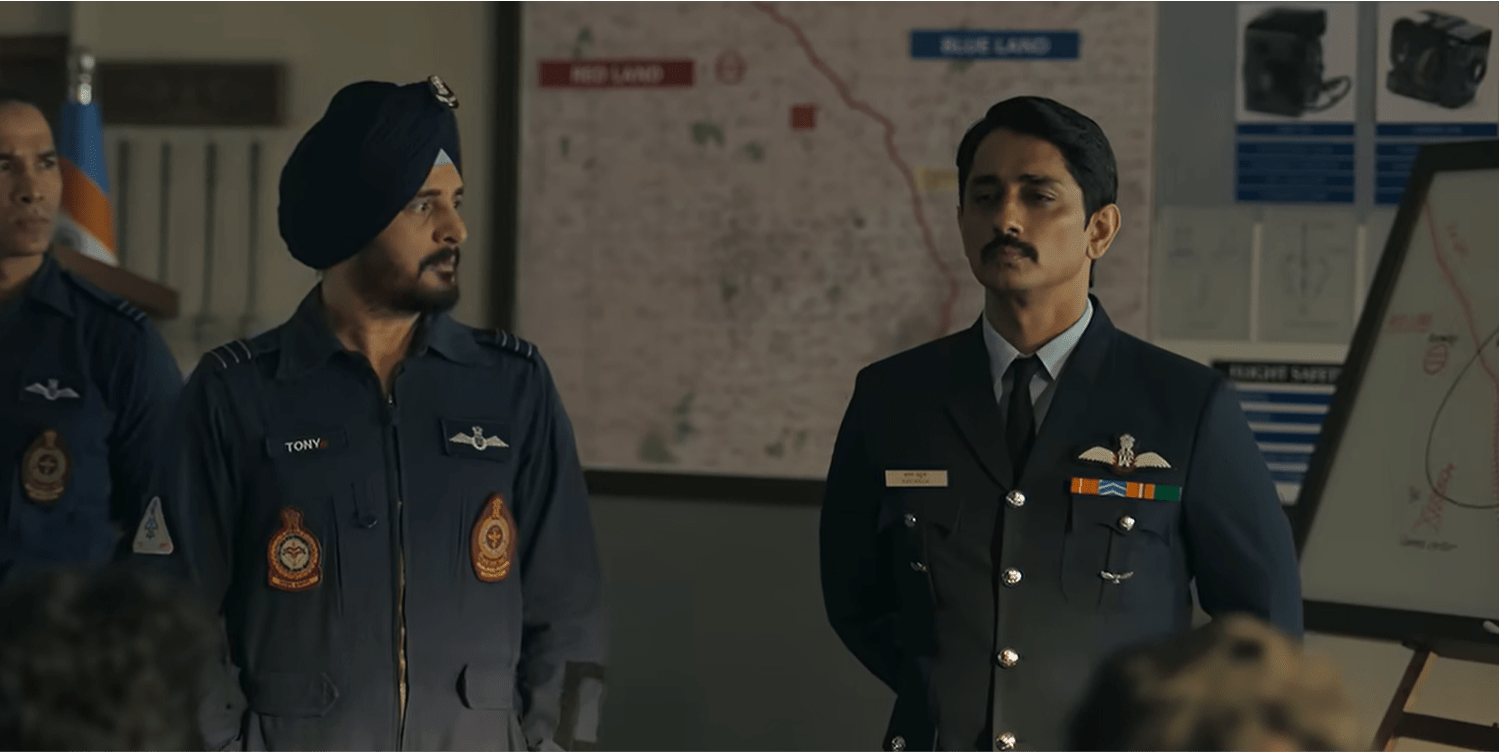
Air operations began on May 21, with Ajay Ahuja leading the squadron as a flight commander, and soon the Golden Arrows were able to trace out hidden snow tents, artillery residues, and trails. To support the Indian Army’s Operation Vijay, the Air Force launched Operation Safed Sagar on May 26, 1999, with the task of identifying and neutralizing threats from within the Indian side of the LoC. The following day, Ajay was assigned to lead a two-aircraft photo reconnaissance mission over the Batalik sector. However, before his own sortie could proceed as planned, it was reported that Flight Lieutenant Kambampati Nachiketa’s MiG-27 aircraft had experienced an engine malfunction. K. Nachiketa was forced to eject over hostile territory and lost contact with authorities shortly thereafter.
Ajay Ahuja Risked His Life to Search For a Missing Pilot
Upon hearing about Kambampati Nachiketa, Ajay Ahuja immediately changed his focus to looking for his fellow soldier and his downed aircraft, in an act of sheer bravery and camaraderie. As Ajay remained overhead, he reportedly instructed his wingman, whose craft was low on fuel, to return to base. Though Ajay was eventually successful in locating K. Nachiketa’s aircraft and relaying its position to the base, his own aircraft was then struck by what has been identified as an FIM-92 Stinger, a shoulder-fired missile.
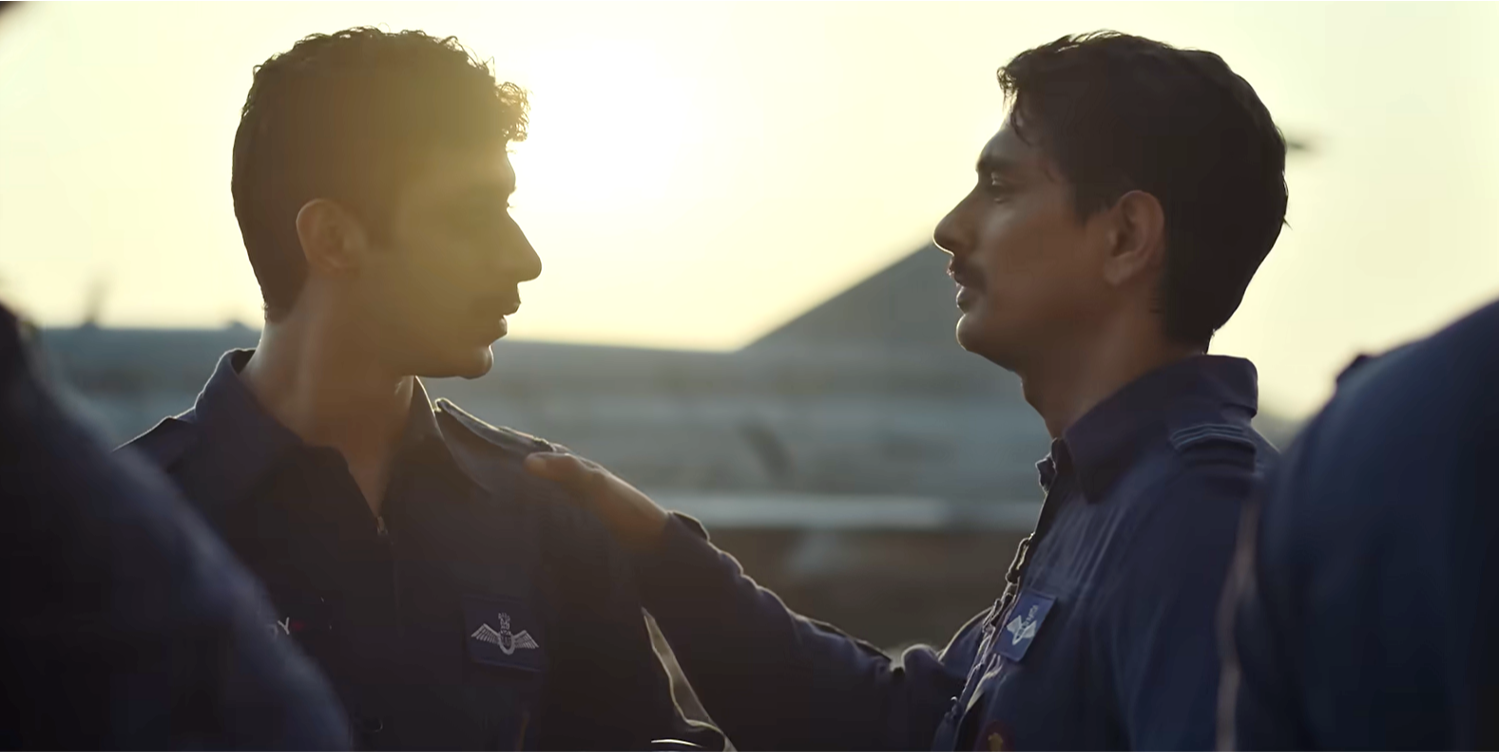
Ajay was forced to eject and soon lost all communication with IAF authorities. As per the information provided by the Indian Air Force, Ajay had crossed the LoC and entered Pakistan while making a parachute landing and was captured by the Pakistan Army. In the show, Ajay’s fate is reimagined to an extent, with one account of events being depicted for dramatic clarity. In reality, the exact circumstances following his landing became the subject of an intense international dispute between India and Pakistan.
Ajay Ahuja is Remembered For His Sacrifice For India
Ajay Ahuja died on May 27, 1999, and the following day, the Pakistan Army returned his remains to Indian authorities through the Wagah border in Punjab. As per the official Indian position, Ajay had survived the initial landing but was killed after being taken into custody by the Pakistan Army. A post-mortem reportedly revealed that Ajay had two fatal bullet wounds to the head and chest, respectively, alongside a fractured knee, which strengthened the Indian claim. However, as of writing, Pakistan has rejected this position, denying all allegations of Ajay being executed after his capture. While the Indian government presented autopsy findings as evidence of his execution, Pakistan’s continued denial leaves the official international narratives in conflict, but that doesn’t change the fact that he gave his life for his country.
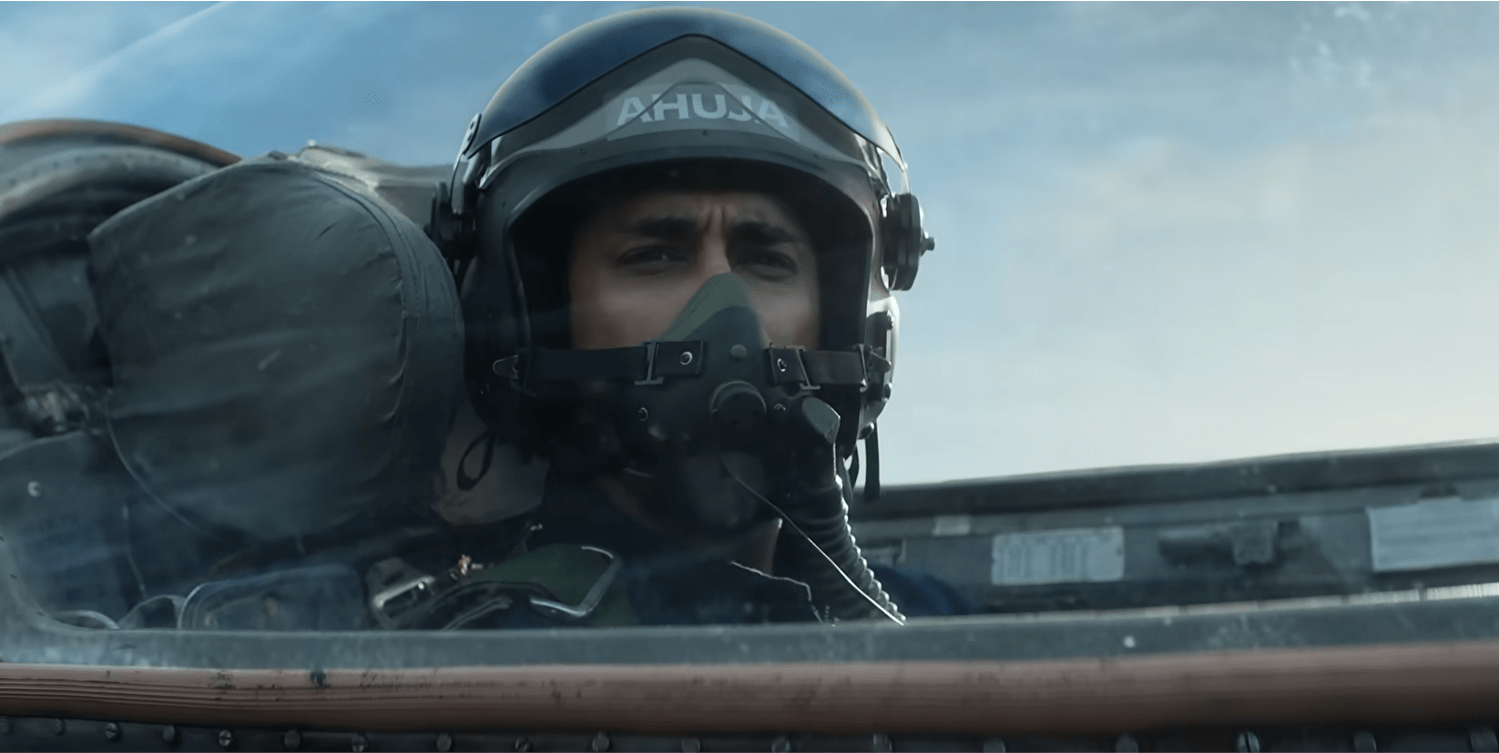
In recognition of his actions during the mission, the Government of India posthumously awarded Ajay the Vir Chakra, the third-highest military decoration in India, on August 15, 1999. He was later accorded a full military funeral in Bathinda, where his family, friends, people from the local communities, and beyond gathered to mourn his passing. He is survived by his wife, Alka Ahuja, and their son, Ankur Ahuja. In the years since his death, Ajay has remained a symbol of valor and duty, inspiring many who have come to know of his story. In his hometown in Kota, a residential sector was renamed as Ajay Ahuja Nagar in his honor, showing just how much he means to people. While his rendition in ‘Operation Safed Sagar: The Untold Story of the Kargil War’ fictionalizes certain elements for dramatic effect, at its core, the show can be seen as an homage to Ajay Ahuja and his noble sacrifice.


You must be logged in to post a comment.