
 Abhiroop Das
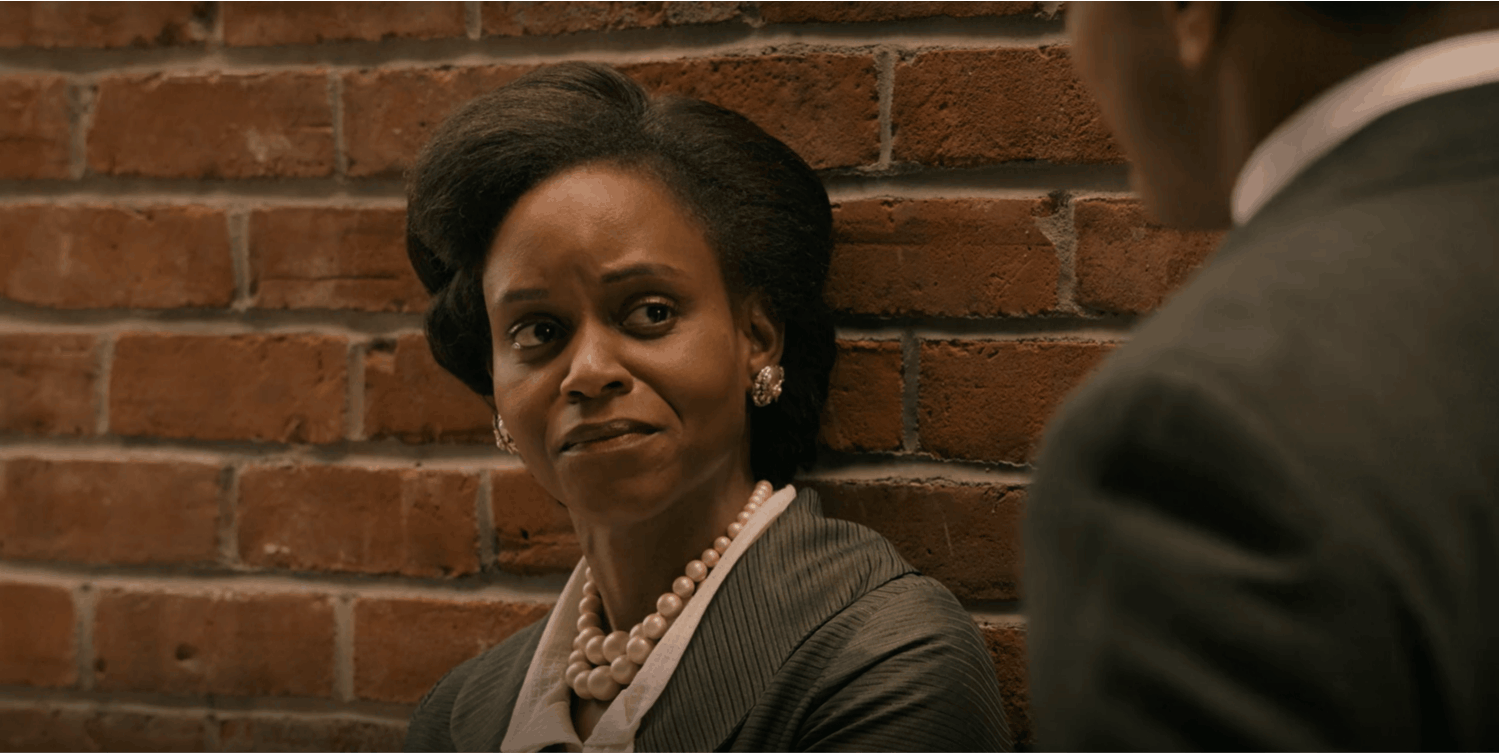
Prime Video’s ‘The Greatest,’ a biographical drama created by Ben Atkins, is as much about Muhammad Ali’s journey of becoming a boxing legend as it is a deeper look into a very specific time and space in American history. Set against the backdrop of the homeland in the late 1950s and the early 60s, the show tackles a great number of socioeconomic beats, allowing it to paint a full picture of just how impressive Ali’s achievements were. However, he isn’t the only historic icon that the show points us towards. One such person we come to know is Alberta O. Jones, an unsung hero who fought for a better future.
Alberta O. Jones Was One of the First Black Women Lawyers in Kentucky
Alberta O. Jones was a real-life Black attorney and civil rights activist who famously broke many barriers and went on to become one of the first African-American women to pass the Kentucky bar. Her role as Muhammad Ali’s attorney in the early years of his career makes for a lesser-known chapter of the boxing legend’s story, one that is reimagined for the screen in Ben Watkins’s ‘The Greatest.’ To understand her role in shaping up Ali’s career, one must dial back in time and study her own story of becoming the first woman appointed city attorney in Jefferson County, and how the intersections of race and gender influenced her role in history.
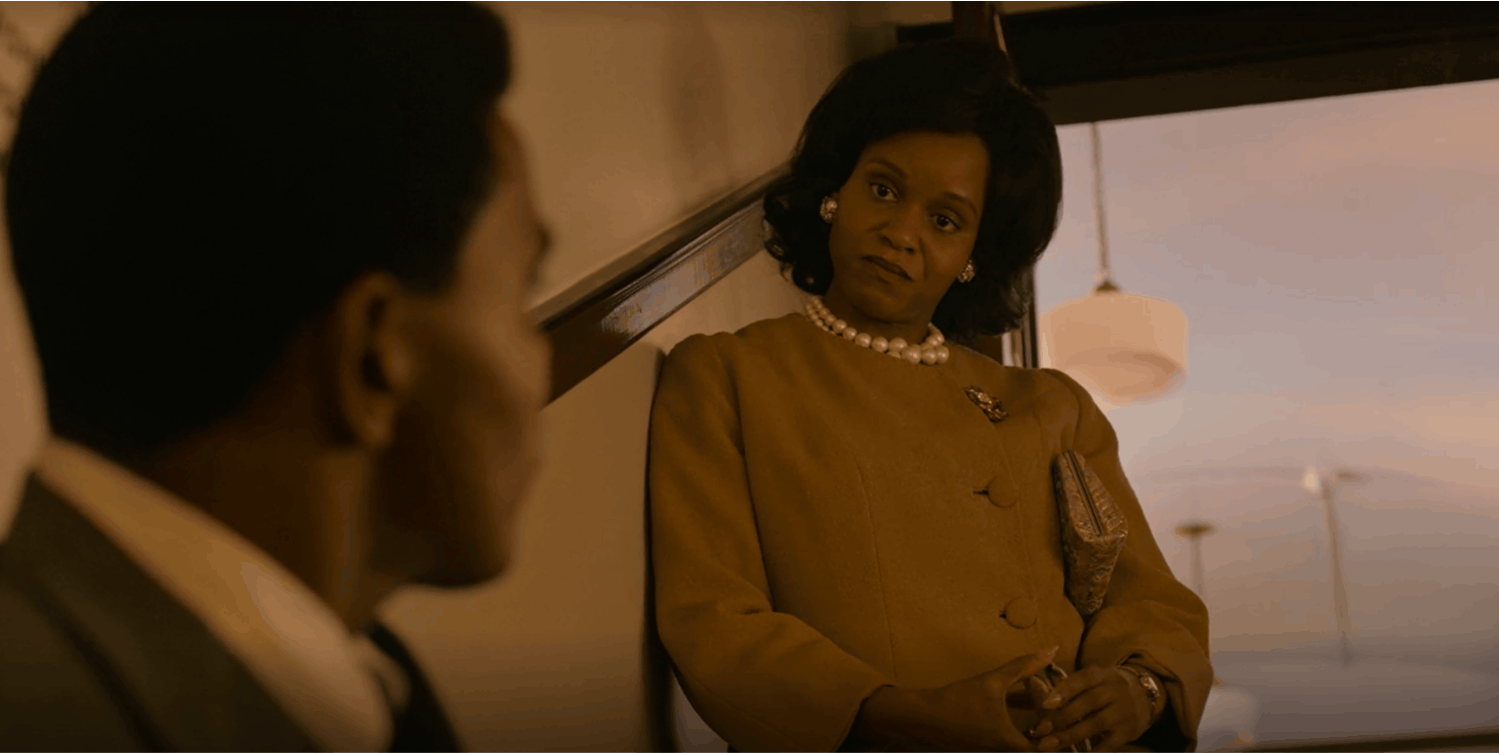
Born on November 12, 1930, Jones attended Louisville Central High School before enrolling at the University of Louisville, where she graduated third in her class in 1953. After studying law there for a year, she turned towards Howard University School of Law and subsequently returned to her hometown to practice. In 1959, she became one of the first Black women admitted to the Kentucky bar, thus stepping into a profession where the odds were systemically stacked against her. In a later interview with the Louisville Courier-Journal, she likened her position to a baseball analogy. “When I got back home, a lot of people said, ‘You’ve got two strikes against you,'” she recalled, referring to her race and gender, “but I’ve got one strike left, and I’ve seen people hit home runs when all they’ve got left is one strike.”
Alberta O. Jones Was Crucial to Shaping Muhammad Ali’s Boxing Career
As per the University of Louisville’s Women’s Work archive, Alberta O. Jones was summoned to Domestic Relations Court as a witness. Years later, she would return to that very court as its first woman prosecutor. As for her own practice in Louisville, she decided on 2018 West Broadway, located in the predominantly Black West End of the city. Around the same time, she also became more involved in community affairs, emerging as a lawyer who would give voice to people whose voices had been suppressed. It was around this time, in September 1960, that she had an encounter with an 18-year-old Cassius Clay, fresh from his Olympic victory. According to Jones’s younger sister, Flora Shanklin, Clay, who eventually came to be known as Muhammad Ali, expressly stated that he wished to see what a Black attorney looked like, and from that point onwards, they slowly began to develop a professional relationship.
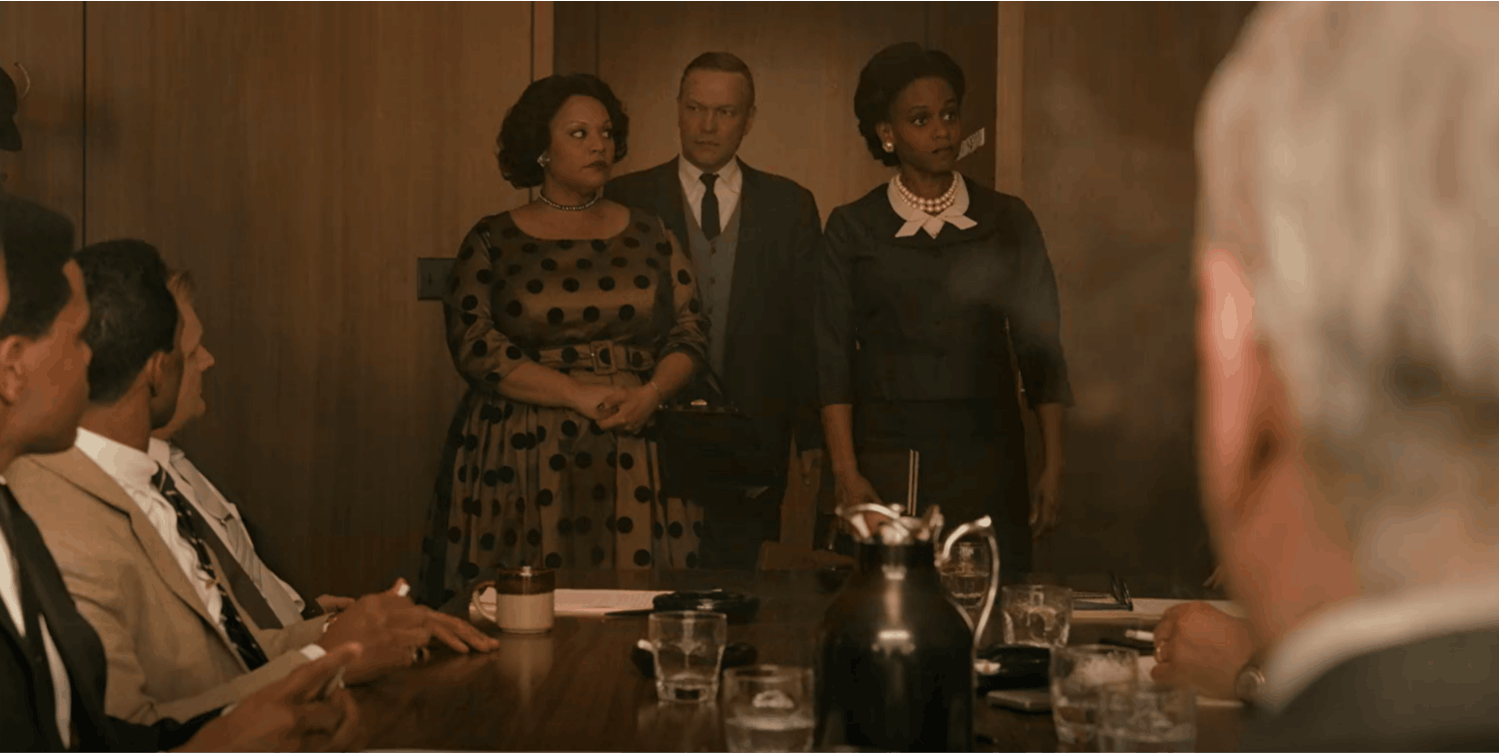
While the show, ‘The Greatest,’ creates a heavily dramatized narrative surrounding Jones’ decision to represent Ali, particularly in how his mother, Odessa Clay, is the one who convinces the on-screen Jones, the reality of things went slightly differently. Sometime after their first meeting, she helped negotiate the agreement Ali signed with eleven wealthy Louisville businessmen on October 26, 1960, helping him secure financial backing and a high degree of agency. However, their professional association reportedly ended over a disagreement regarding her legal fees.
Beyond the Ali chapter, Odessa had been establishing herself as a formidable presence in Louisville’s civil rights movement, which is also something the show touches on. In August of 1963, she founded the Independent Voters Association, an organization dedicated to educating and registering Black voters. She was simultaneously involved with the NAACP and the Urban League, and her combined efforts reportedly helped roughly 6,000 Black residents register to vote. Jones is also credited with arranging voting machines so that people could learn how to cast their ballots, which showed her committment to the cause and to the rights and dignity of her community. However, her valiant efforts would be cut short by a tragedy in the coming years.
Alberta O. Jones Was Murdered in 1965, and Her Case Remains Unsolved
On the night of August 4, 1965, Alberta O. Jones received a telephone call from a friend and subsequently left her family home to visit her. According to the Justice Department’s later review report, she was last seen leaving the friend’s residence at approximately 1:30 a.m. on August 5; however, she never returned home. Her mortal remains were discovered floating in the Ohio River the following morning, near Fontaine Ferry Park in Louisville. Jones, who was 34 years old at the time of her death, had reportedly suffered several injuries to her head, though an autopsy confirmed that the cause of death was drowning. Investigators subsequently recovered her abandoned vehicle, finding bloodstains, fingerprints, and evidence of a struggle inside, strongly indicating that she had been murdered.
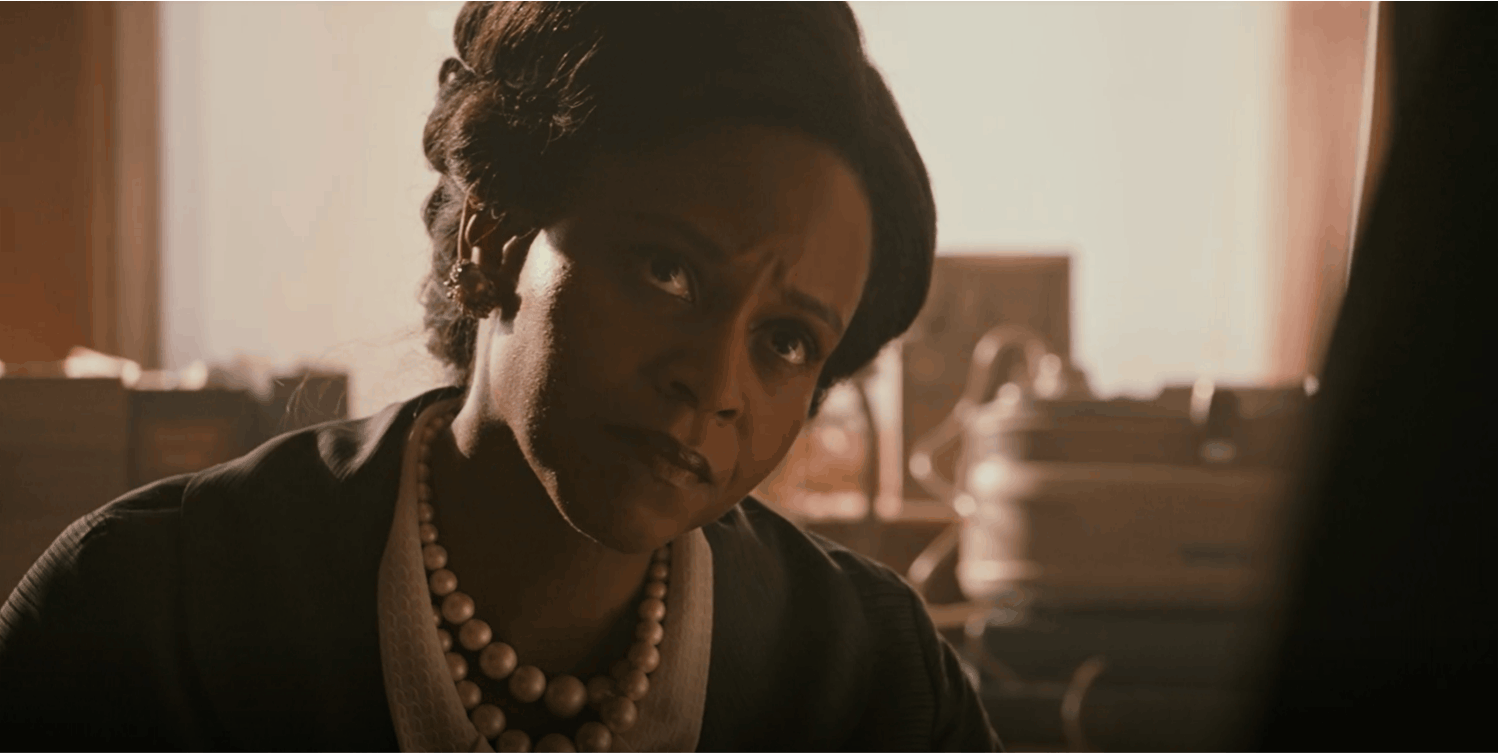
Despite the police launching a large-scale investigation, interviewing hundreds of people in the process, they were ultimately unable to establish the identity of the perpetrator, much less find them. In the following years and decades, the investigation was picked up numerous times, especially following the discovery of a fingerprint match in 2008. However, with much of the original physical evidence destroyed and many potential witnesses deceased, the process had become much more difficult. As of writing, Jones’ murder remains unsolved, though her contribution to the civil rights and women’s movements, as well as to her community, cannot be understated.
For actor Aimé Donna Kelly, coming across the script of ‘The Greatest’ was the first time she had heard of Jones’ name. “I did a deep dive and wondered why I didn’t learn about Alberta in school,” she explained during an interview with AOL. Being from Boston, the actor hired a dialect coach to get the accent right and do her character justice. Speaking about the historic significance of Jones’ work and the tragedy surrounding her death, Kelly expressed hope that viewers would be inspired to “try to put pieces together” about her death, ensuring that the woman who helped launch Ali’s career is remembered for her own achievements as well.
Read More: The Greatest: Did Geraldine Liston Leave Sonny Liston in Real Life? How Did She Die?


You must be logged in to post a comment.