
 Abhiroop Das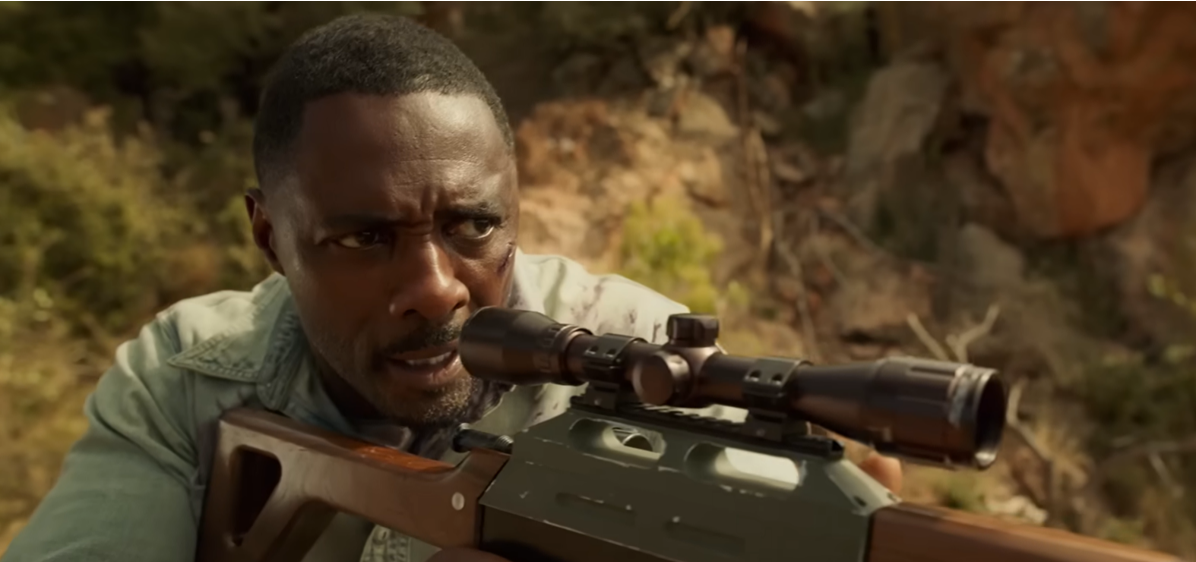
Helmed by Baltasar Kormákur, ‘Beast‘ glimpses into life in the African savannahs, where wild animals struggle in the face of an ever-increasing poaching network. When a lion’s pride is massacred by one such poaching group, the wild cat goes on a bloody rampage, attacking any and every human that comes in its way. Meanwhile, Dr. Nate Samuels, who is mourning the death of his wife, brings his two daughters to Africa for a safari trip in the hopes of changing the pace. However, the trio’s path soon collides with that of the rogue lion, who is determined not to stop, no matter what is thrown its way. Over the course of this survival-action horror movie, Nate finds himself pushed to his limits as a survivalist, even challenging an apex predator to protect his family.
The Lions of Beast Come to Life With the Help of State-of-the-art CGI
While the lions of ‘Beast’ undoubtedly steal the spotlight every time on screen, virtually all of the big cats we see on screen are actually CGI renditions. The decision to rely on CGI instead of real lions was made from a security standpoint, as many of the scenes involve very close interactions with animals. Visual Effects Supervisor Enrik Pavdeja collaborated with two acclaimed studios, namely Framestore and BlackGinger, to bring the lions to life. Reportedly, the studios crafted between 5,000 and 10,000 VFX shots, following which the team carefully selected the master shots after understanding how the action sequences would flow. “We try to find clever situations such as doing a paw print or a bit of car coming to a yield,” Pavdeja told VFX Voice, before elaborating on how placing a live element between sequences helped act as a natural bridge.
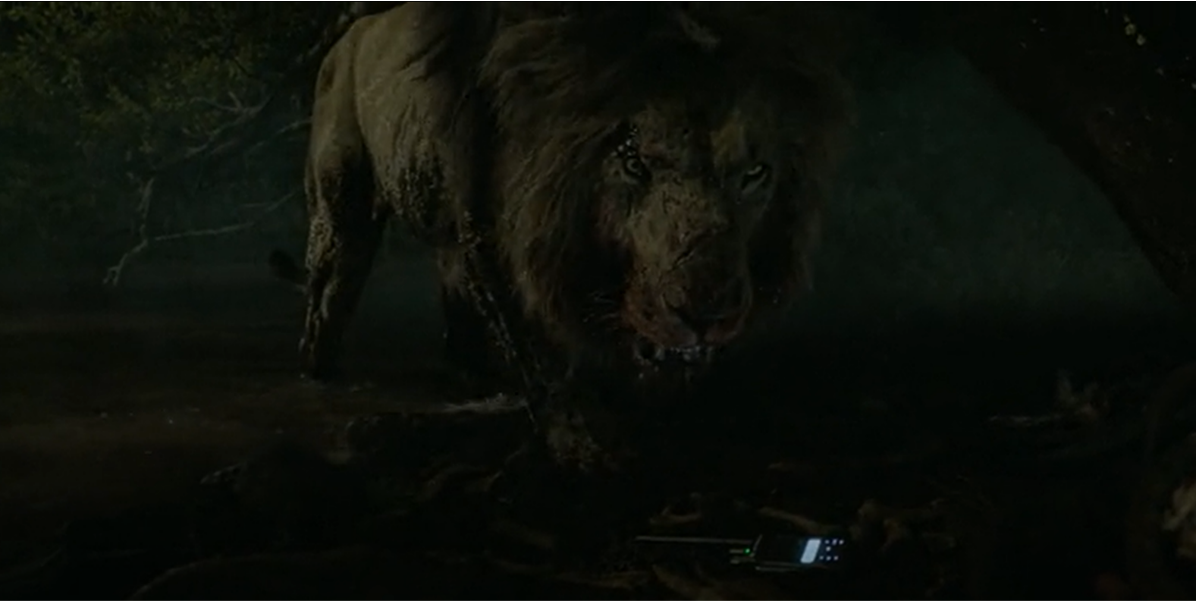
The inspiration for some of the most action-packed CGI scenes in ‘Beast’ came from ‘Revenant,’ which famously features a CGI grizzly bear. Pavdeja and his team were drawn to the viscerality of what’s on display, and decided to approach their craft project with similarly long and gritty cuts. The first step in doing that was creating an intricate CGI lion model, which the crew spent over a year developing and refining. Framestore confirmed that the overall look of the rogue lion is, in fact, based on a real lion, Scarface, but also noted that their CGI lion is slightly bigger. To get the realism right even further, they relied on a real traveling lion named Mojo, who helped the teams with references by recreating select shots from the film.
Depending on the scene and how it is angled and composited, the CGI team had to create and animate different muscles and their corresponding layer of skin. The claws turned out to be particularly complicated to create, with Pavdeja describing them as some of the most complicated engineering types of devices ever. While the creation of a photorealistic lion model is one thing, getting it to interact with other elements, and especially the characters, involved a whole other dimension of challenges.
The Film’s Trickiest Scenes Involve a Mix of Stunt Performers and Digital Doubles
From the start, director Baltasar Kormákur intended to film things on-site, in African savannahs. In an interview with Outtake Magazine, he explained that it was to create a base layer for the VFX shots to find a natural setting. However, this also meant minimal green-screen usage, and for that, the CG and special effects teams had to adapt. During his conversation with VFX Voice, Pavdeja named two sequences from the movie that feature a lot of human-animal interactivity. The first scene takes place early on, when the character, Martin Battles, reunites with two male lions he has raised since birth. For this scene, the crew brought in puppeteering artists, who wore a special costume and interacted with actor Sharlto Copley. While the plan was originally to overlay that footage with a CGI lion, the team found the interactions to be a bit out of sync. Following this, they instead used a CGI/digital double of Copley to nail the scene.
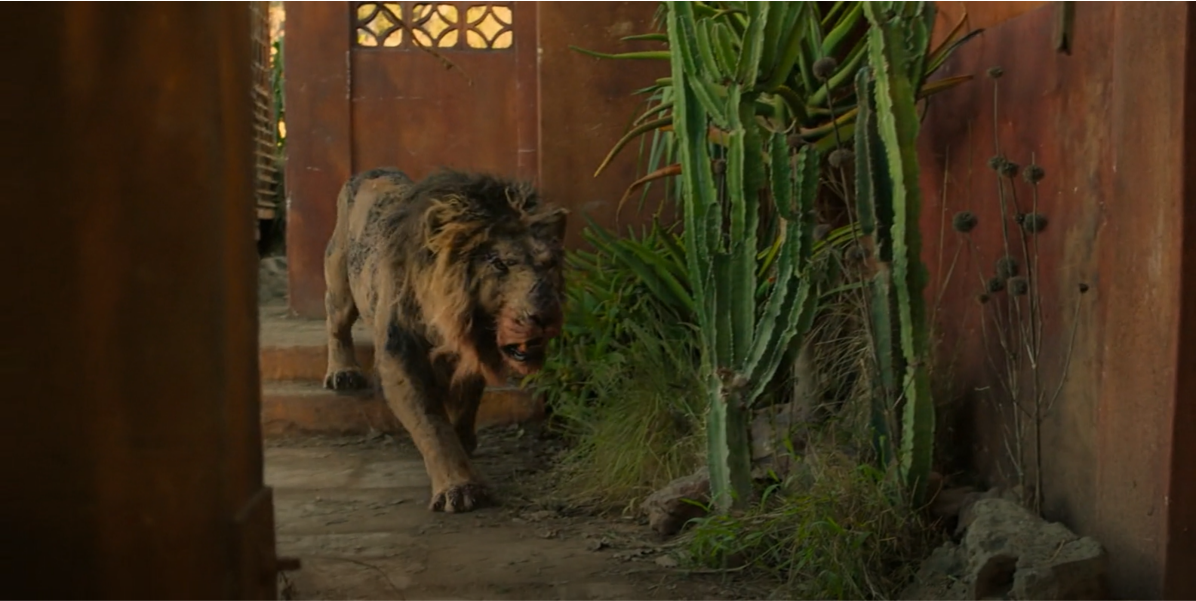
One of the film’s intense sequences, which features the rogue lion and Idris Elba sharing the screen, involved a similar approach. While most of the cuts feature a CGI lion and Elba’s digital double, the scenes were supplemented with footage of Elba performing on-site, with a stunt performer donning a lion head and a gray suit to play the part. The most demanding aspect of this scene turned out to be the sand simulations, which reportedly took the team several days to perfect. Given that many of the environmental elements were crafted using graphics, the animation team often had to figure out the physics behind every motion by themselves. As such, it is a testament to the skills of everyone involved that the lions look hyperrealistic every time they are on screen.


You must be logged in to post a comment.