
 Diksha Sundriyal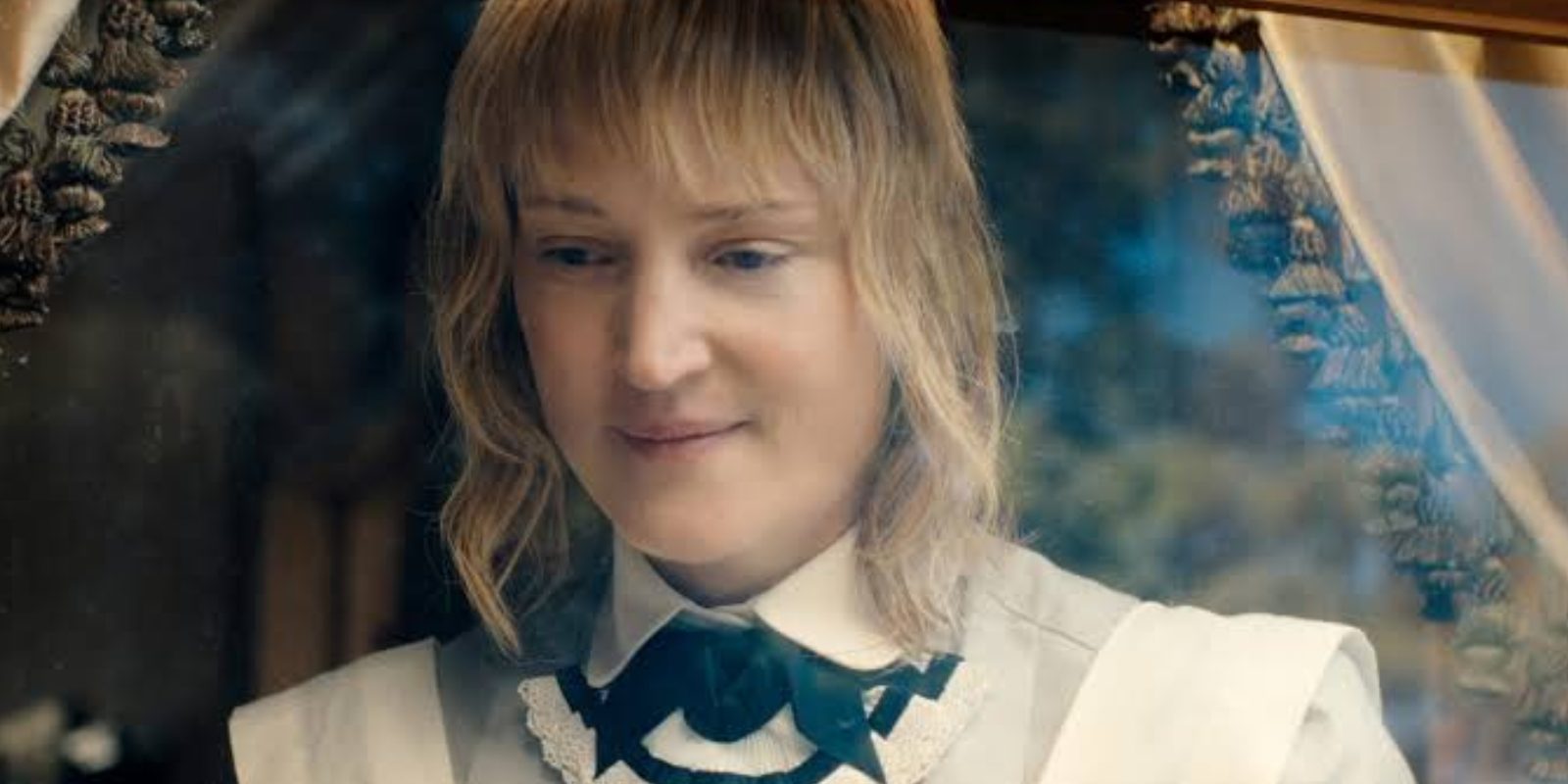
In Netflix’s ‘Monster: The Lizzie Borden Story,’ the murders of Andrew and Abby Borden create a stir in society, especially when suspicion turns towards Andrew’s daughter, Lizzie. She is the one who discovers their bodies, and later, some threads of the investigation lead the cops to her. However, it is found that she wasn’t alone in the house when the murders happened. The maid, Bridget Sullivan, aka Maggie, had been there too, making her a primary witness for the whole thing. However, everyone is shocked when Bridget says she didn’t see anything. Over the years, her testimony has led people to believe she may have had a closer connection with Lizzie, a point explored in depth in the Netflix series. However, it is a fictionalized version of events and takes many liberties with the details of what actually happened back then. This includes Bridget’s fate, which is more of a wishful thinking on the writers’ part. SPOILERS AHEAD.
Monster: The Lizzie Borden Theory Takes Creative Liberties With Maggie’s Portrayal
Bridget Sullivan was in her 20s when she arrived in America from Ireland, almost five years before she found employment with the Bordens in 1889. She remained with the family for almost three years before Andrew and Abby were brutally murdered with an axe. Although her name was Bridget, she was called “Maggie” by the Bordens, a name they had used for their previous maid. At the time of the murder, Bridget was at home, but she was out cleaning the downstairs window. In her testimony at Lizzie’s trial, she revealed that the entire family had been suffering from a bad case of stomach issues caused by something they’d eaten the night before. She, too, had vomited before returning to work.
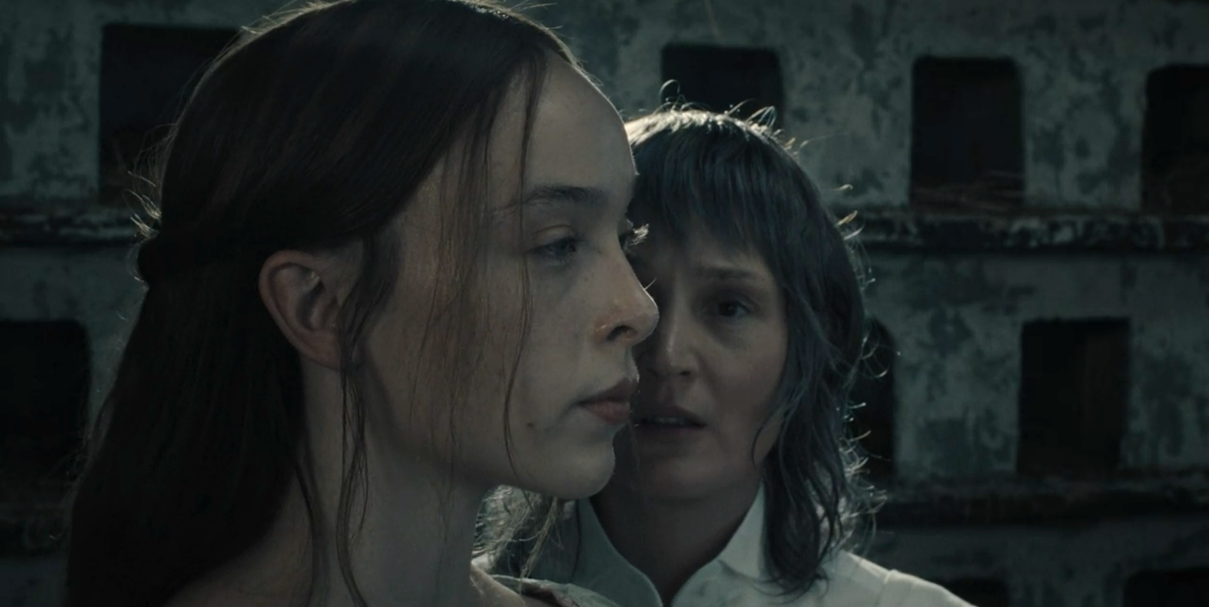
Bridget’s testimony confirmed the fact that Lizzie, too, had been present in the house when the murders took place. But she also mentioned that when Lizzie called out to her after finding her father murdered, there was no blood on her or anything else to suggest she was the one who swung the axe. Eventually, Lizzie was acquitted, but several people questioned Bridget’s testimony, wondering how she and Lizzie could have been in the house and not heard anything while Andrew and Abby were being murdered. This led people to suspect that she may have known more than she was letting on, or that she could even have been involved in the murders in some way. Others believe that she may have been paid off by the Borden sisters in exchange for her testimony that worked in Lizzie’s favor.
Extrapolating from this, theories eventually abound about the nature of Bridget and Lizzie’s relationship, with the forbidden romance between them being seen as an instigator for their murderous acts. Of course, none of these theories was ever proven, and there was never any evidence that connected Bridget to the murders. The show, however, fully leans into the romance aspect, presenting Bridget’s arrival as a turning point for Lizzie. Their romance becomes an important part of the story, and the finale gives them somewhat of a happy ending. Most, if not all of it, however, is made up to serve the show’s plot, including Bridget’s return and her and Lizzie working together to change the world in their own way.
Bridget Sullivan Likely Never Saw Lizzie Again
After Lizzie Bordden’s trial and eventual acquittal, Bridget Sullivan decided to leave the Borden house and move to a different place to start a fresh chapter of her life. Reportedly, she made a brief trip back home to Ireland, but eventually returned to the United States. She found a home for herself in Montana, where she settled on a farm with John Sullivan, whom she married in 1905. It cannot be confirmed whether their marriage was happy or whether Bridget was as discontented with it as shown in the Netflix series. However, unlike the show, Bridget remained with her husband till he died in 1939. The couple never had any kids. She spent the rest of her days at the farm, and there is no evidence to suggest that she kept in touch with Lizzie or her sister, Emma.
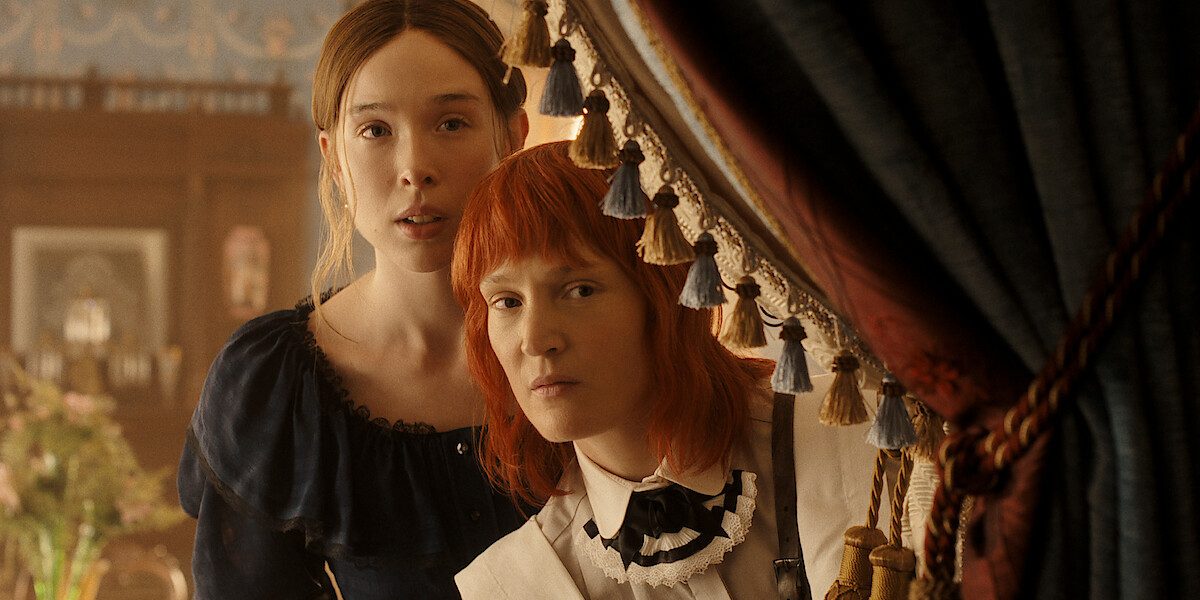
Bridget likely preferred to stay out of the case’s limelight and the notoriety that has followed Lizzie since then. She tried to keep things that way, never giving any interviews or coming forward with a different version of events. She passed away in her 80s on March 25, 1948. Though no rumors swirled around her when she was alive, her death opened the floodgates of theories people could more freely indulge in. There were talks about secret confessions, with some imparting the importance of her unloading her wrongdoing before meeting the maker. Without any note or other written confession from her, all the theories remain just that. As time passes, more details are added to this fictional narrative surrounding the very real former maid, and the Netflix series contributes its own take on the Borden murders.
Read More: Is Bertha Manchester Based on a Real Person? Did Lizzie Borden Really Kill Her?


You must be logged in to post a comment.