
 Abhiroop Das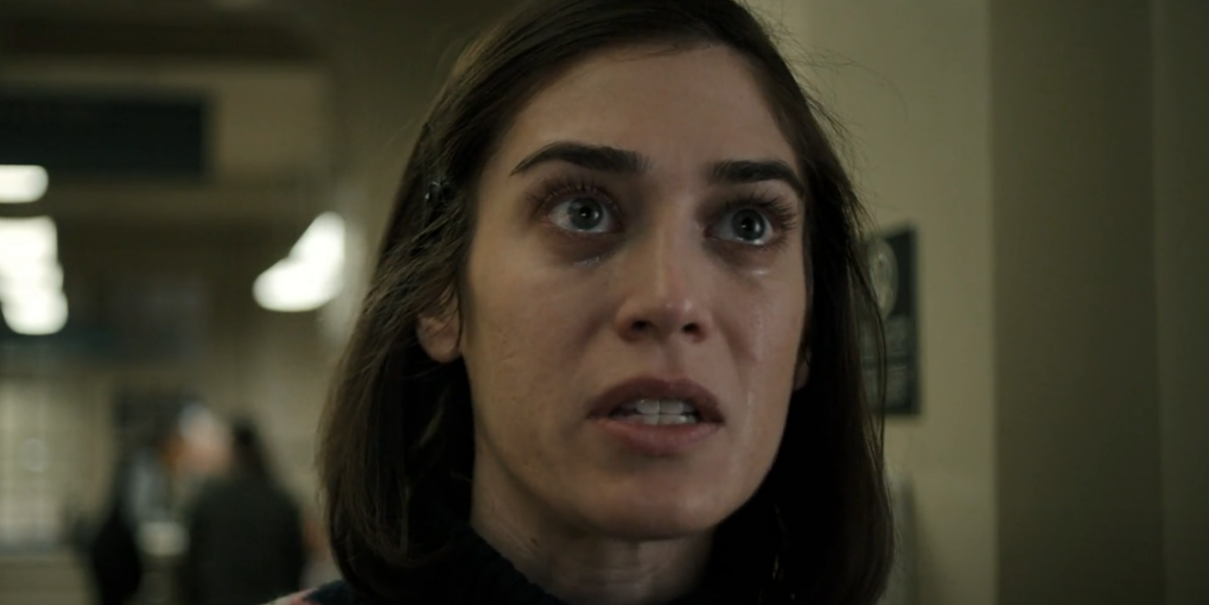
Season 2 of ‘Castle Rock‘ reimagines the story of Annie Wilkes, an iconic Stephen King character who first appears in the novel ‘Misery.’ While in that version of her story, Annie is depicted as a middle-aged nurse with sadistic and homicidal tendencies, this horror thriller series presents a much more detailed portrait of her life, as well as the insides of her mind. Constantly on the run with her daughter, Joy, Annie is as much at odds with reality as she is with her delusions and other psychological constructs. To that end, the eponymous town’s mystical nature ends up working against her, as the line between reality and illusion is blurred beyond recognition, giving way to her most vivid hallucinatory episodes yet. SPOILERS AHEAD.
Annie Wilkes’ Hallucinations and Paranoia Hint at a Long Battle With Schizophrenia
While Annie Wilkes isn’t explicitly diagnosed as schizophrenic in ‘Castle Rock,’ or even its alternate-reality film counterpart, ‘Misery,’ many of her symptoms are consistent with the medical diagnosis. The most prominent way her mental health disorders take shape is through hallucinations, be it that of the tall man, or later her own mother. This is worsened by her prolonged episodes of paranoia and psychosis, which she barely keeps at bay using stolen anti-psychotic drugs. Additionally, she also experiences memory and sensory lapses, which combine to warp reality in her mind, often leading to violent episodes. All of this echoes a haunting, if not dramatized, portrayal of mental health disorders, with Schizophrenia being the most likely explanation for Annie’s symptoms.
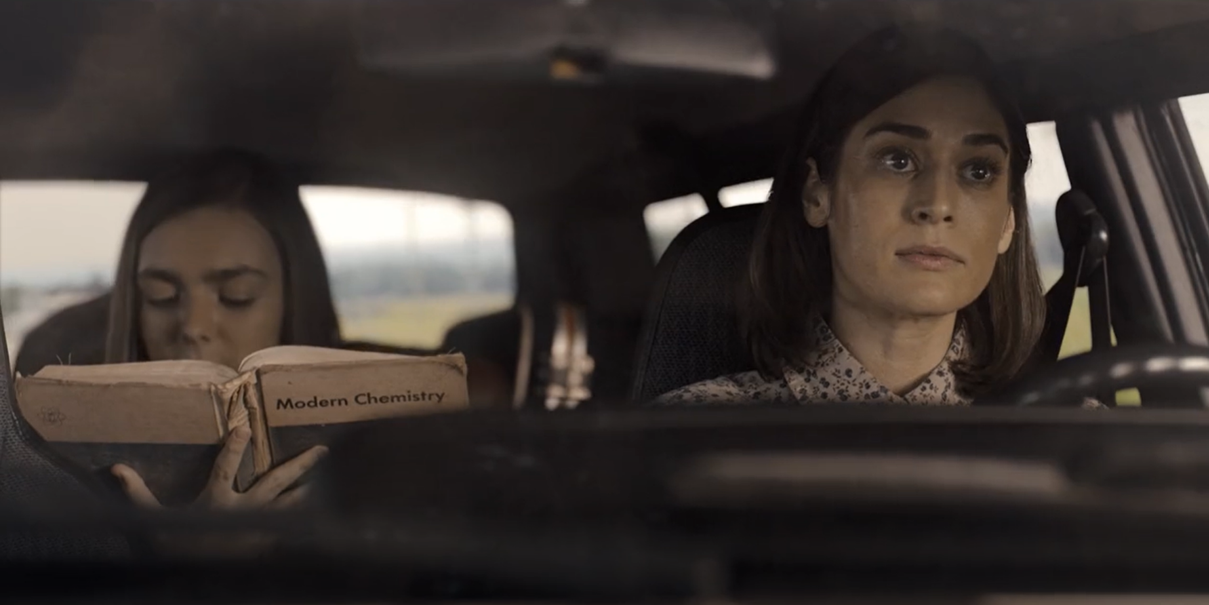
Annie’s neurological disorder finds itself at constant odds with the supernatural nature of Castle Rock, and soon it becomes nearly impossible to distinguish between what is real and what is imagined. This holds true for the audience as much as it does for Annie from the very beginning, being evident with the appearance of the tall man early on. First arriving in the sophomore season premiere, the tall man appears to be a walking corpse, whose sole narrative function is to haunt Annie everywhere she goes. As her supply of medication runs out, the tall man eventually confronts her face-to-face, declaring that she will soon have to kill “her.” The ambiguity in the wording here is intentional, as it can equally refer to Joy or the part of Annie that she considers to be mentally stable.
Annie’s Hallucinatory Visions Tie Back to Her Past
Ultimately, the tall man is revealed to be a hallucination of Annie’s dead father, reflecting her familial trauma. This is furthered when she begins hallucinating her mother, who appears in the form of a drenched, but moving, corpse. Both these visions foreshadow the revelations of episode 5, which takes us back to Annie’s teenage years. Here, we meet the loving Wilkes family, which fractures when Annie’s father falls in love with her nanny, Rita. As he moves out of the house, Annie’s mother slowly descends into depression, culminating in attempting a murder-suicide with her own daughter. While Annie survives, the image of being nearly drowned clearly stays with her, explaining the hallucinations, as well as her later alcohol abuse, reiterating her mother’s trauma response.
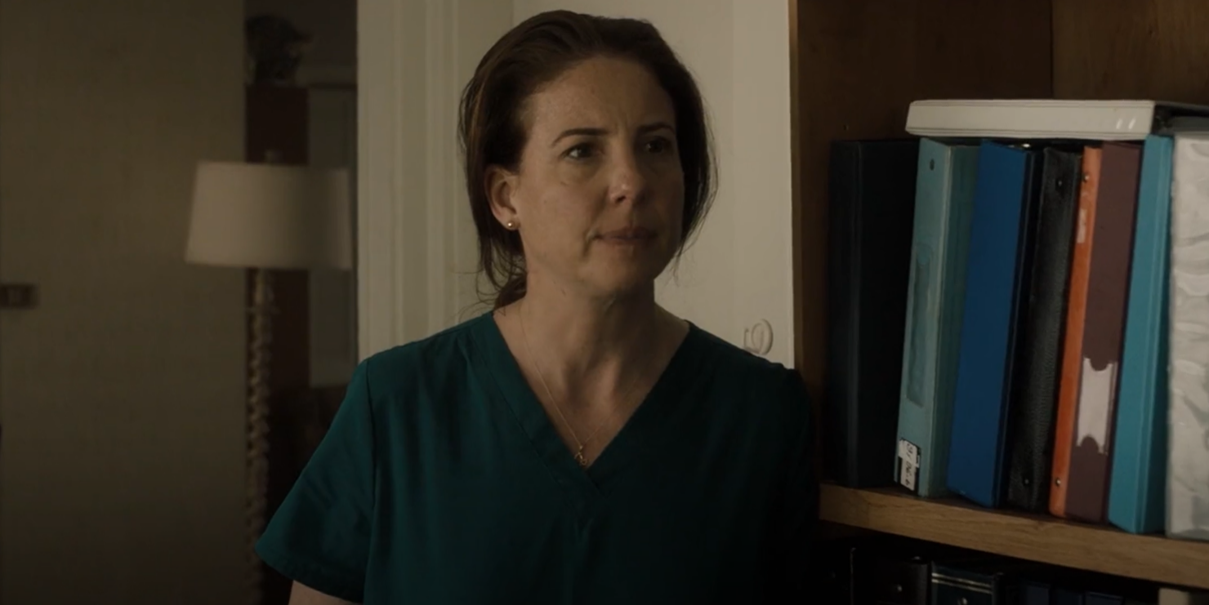
Annie’s hallucinations are also informed by the concept of “the Laughing Place,” which she is introduced to by her father. As he starts a new life with Rita, along with a baby daughter, Annie’s psyche begins to crack further, and in a violent episode, she kills her father, and then stabs Rita, before running away with her baby. Here, we encounter yet another ambiguity, which may or may not have been a result of her delusions. Moments before she drowns baby Joy, then baby Evangeline, the latter breaks into a smile, seemingly giving Annie joy and purpose to keep on living. Given her history of imagined interactions, it is entirely possible that she hallucinated the exchange, and that is the only reason that Joy is still alive.
The Show’s Final Sequence is a Mirage in Annie’s Mindscape
Annie’s hallucinatory episodes begin directly clashing with reality when Ace inexplicably comes back to life. Initially believing this to be a made-up story, Joy chains her half-sibling, but that leads to trouble snowballing out of control. While there is an in-universe explanation for all the extraordinary happenings in town, it is possible that they merely reinforce Annie’s delusional grasp on reality, pushing her deeper into a downward spiral. Before long, the town is collectively hit by a wave of mass psychosis, and that puts her paranoia at an all-time high. While in season 1, shifts in perspective are used largely as storytelling devices; here, they blend in with Annie’s preexisting disorders, cleverly subverting the show’s established creative patterns.
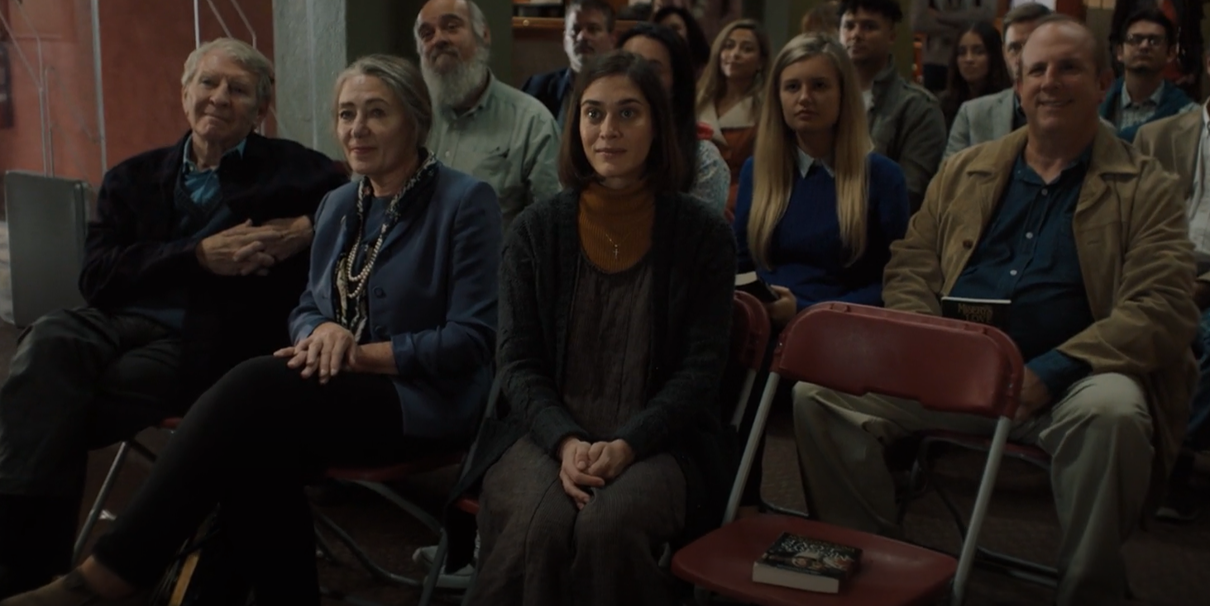
Annie’s final, and most tragic hallucination in the show happens towards its very end. After drowning Joy to her death due to a belief that she is possessed, Annie comes across a letter that Joy had penned, seemingly to communicate with Annie. Realizing her mistake, Annie rushes back to resuscitate Joy, but by then it is too late. Faced with a bitter reality, she hallucinates an entirely made-up scenario, where Joy not only comes back to life, but is actively devoted to Annie as her mother. Here, her delusions take their most complete and consistent form, as she is implied to imagine Joy at all times. There is also a shift in her attention from Joy to writer Paul Sheldon, which connects to her arc back to the novel, ‘Misery,’ effectively sealing her fate.
Read More: Castle Rock Season 2 Ending Explained: Is Joy Dead or Alive? Is Annie Hallucinating?


You must be logged in to post a comment.