
 Abhiroop Das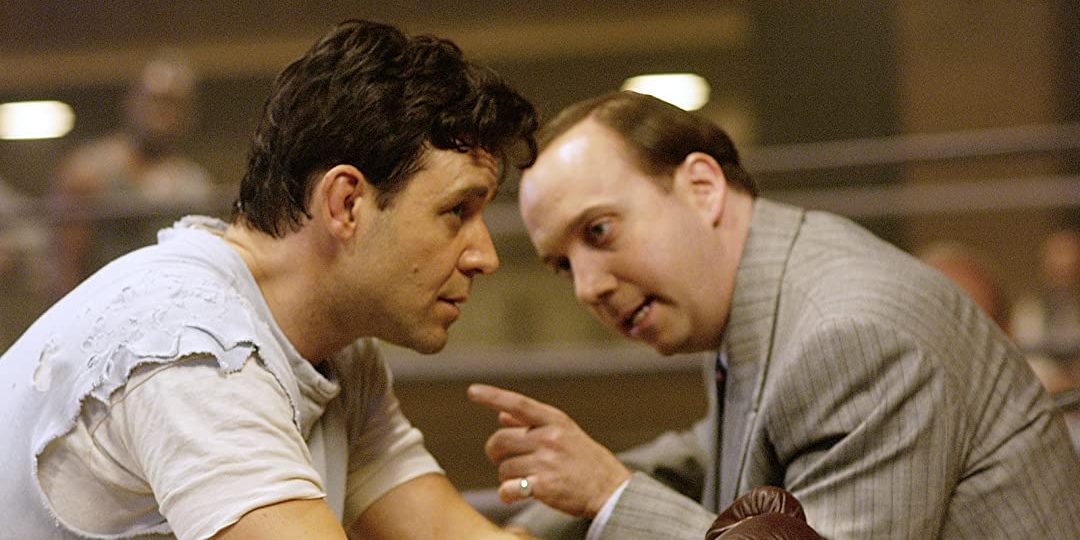
Helmed by Ron Howard, ‘Cinderella Man’ follows former heavyweight contender James J. Braddock as he struggles to support his family after the Great Depression derails both his boxing career and financial stability. While the biographical sports drama centers on Braddock’s unlikely return to the ring, much of that journey unfolds through his partnership with manager Joe Gould, one of the few people who continues to believe in him after the rest of the boxing world has moved on. As injuries, unemployment, and mounting debts push the fighter toward obscurity, Gould works relentlessly to secure opportunities that might keep his career alive.
What begins as a desperate attempt to earn a living gradually develops into one of the sport’s most improbable comeback stories. Through Braddock’s rise from dockworker to title contender, the film examines perseverance, loyalty, and the role that faith in another person can play during moments of profound uncertainty.
Joe Gould Was James J. Braddock’s Friend First, and Boxing Manager Second
The character of Joe Gould in ‘Cinderella Man’ is based on James J. Braddock’s real boxing manager, Joseph “Joe” Gould. While the movie’s representation of Gould and Braddock’s dynamic has been dramatized to an extent, it draws a lot from reality. Gould was not only the heavyweight champion’s business representative, but also one of the few people who constantly supported Braddock through the darkest years of the Great Depression. Their friendship, both in and out of the work dynamic, lies at the heart of the movie.
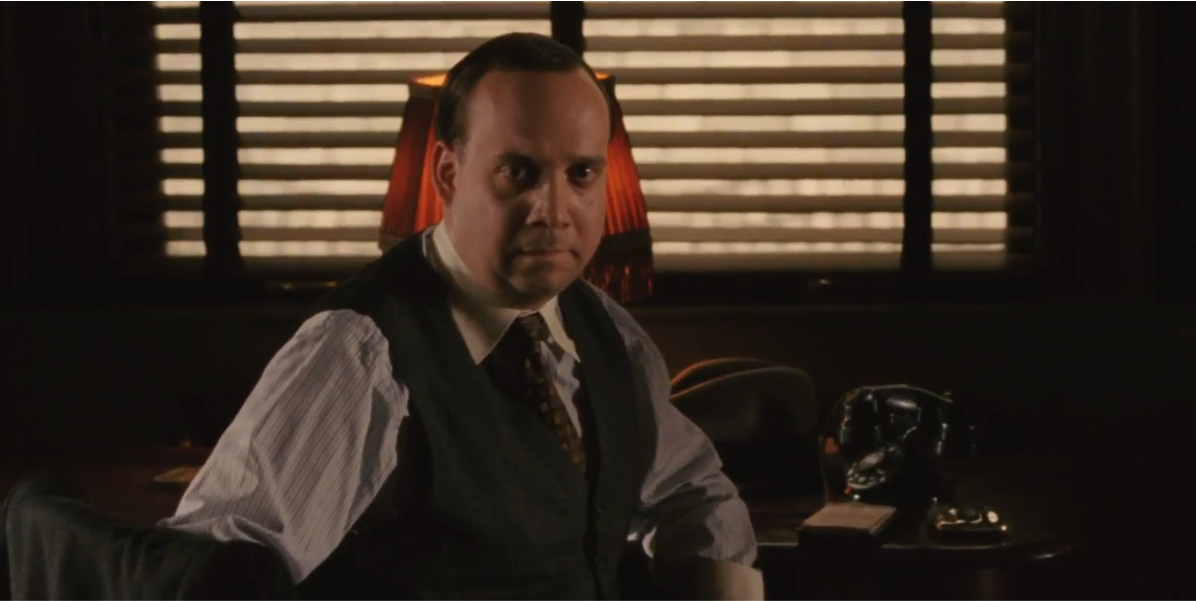
Born on August 13, 1896, in the city of Poughkeepsie, New York, Gould reportedly grew up with little formal education and instead worked as a candy seller on local railroad trains. Later, during World War 1, Gould served as a sailor for the U.S. Navy, and that is where his journey with boxing truly began. After getting an officer to arrange boxing matches in a sail loft, Gould gradually began promoting fights around Newport. After completing his service, he began managing fighters professionally, eventually crossing paths with Braddock in 1925, at the iconic Joe Jeanette’s gym in Hoboken, New Jersey.
At that point, Braddock, 20, was still an amateur boxer, but had managed to beat Gould’s welterweight boxer, Harry Galfund, during a training session. This caught Gould’s eye, and from that point on, the Gould-Braddock partnership became one of boxing’s most memorable ones. For quite some time, the duo reportedly operated without a contract, with often a handshake sealing their mutual agreements. Over the next four years, Braddock stacked up an impressive record of 44 wins, 2 draws, and 2 losses, all with the support of Gould.
Joe Gould Supported James J. Braddock Through the Highs and Lows of His Career
A major turning point in Joe Gould and James J. Braddock’s careers came with the latter’s narrow defeat against Tommy Loughran. Braddock had reportedly suffered multiple fractures in his right arm and was left in a terrible mental state after the fight. The following years saw a downward trend in Braddock’s career, coinciding with the Great Depression. Gould, too, was deeply affected by the economic crisis and reportedly struggled with getting enough food for his family. Despite these hardships, Braddock and Gould remained close friends, sharing resources and supporting each other throughout. An opportunity came in 1934, when Braddock was offered a fight with up-and-coming talent.
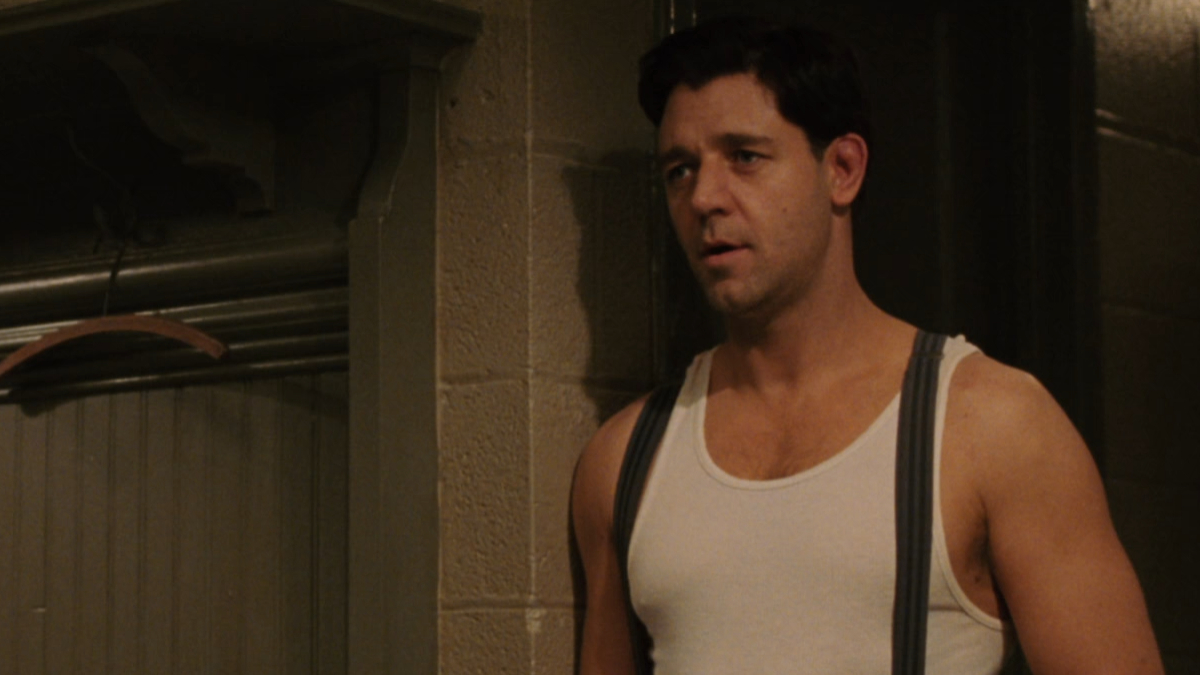
As reports go, Gould had to practically force Braddock out of his longshoreman job for the fight, having complete faith in his friend’s abilities. Braddock then went on to win the bout in three rounds, recording a major upset within the industry. This was merely the start of Gould-Braddock’s professional comeback, as Braddock soon went on to defeat Max Baer, the reigning world heavyweight champion, on June 13, 1935. Braddock held the title for two years, until his loss against Joe Louis on June 22, 1937. However, one of the conditions that Gould had reportedly set for the bout was to receive a 10% cut of all future boxing promotion profits earned by Louis’ manager, Mike Jacobs, for the next 10 years. This included all of Louis’ fights for the next decade, with Gould and Braddock reportedly receiving more than $150,000 in the process.
Joe Gould Died in 1950 After Battling Leukemia
During World War II, both Joe Gould and James J. Braddock entered military service and received commissions as first lieutenants. However, Gould later became embroiled in a corruption case involving military procurement contracts. He was accused of accepting money in exchange for influencing the awarding of army equipment contracts. In 1944, a court-martial convicted him of the crime, which led to his immediate dismissal from the army. Gould was initially sentenced to three years of hard labor and a $12,000 fine, though the punishment was later reduced to one year in prison and a $1,000 fine.
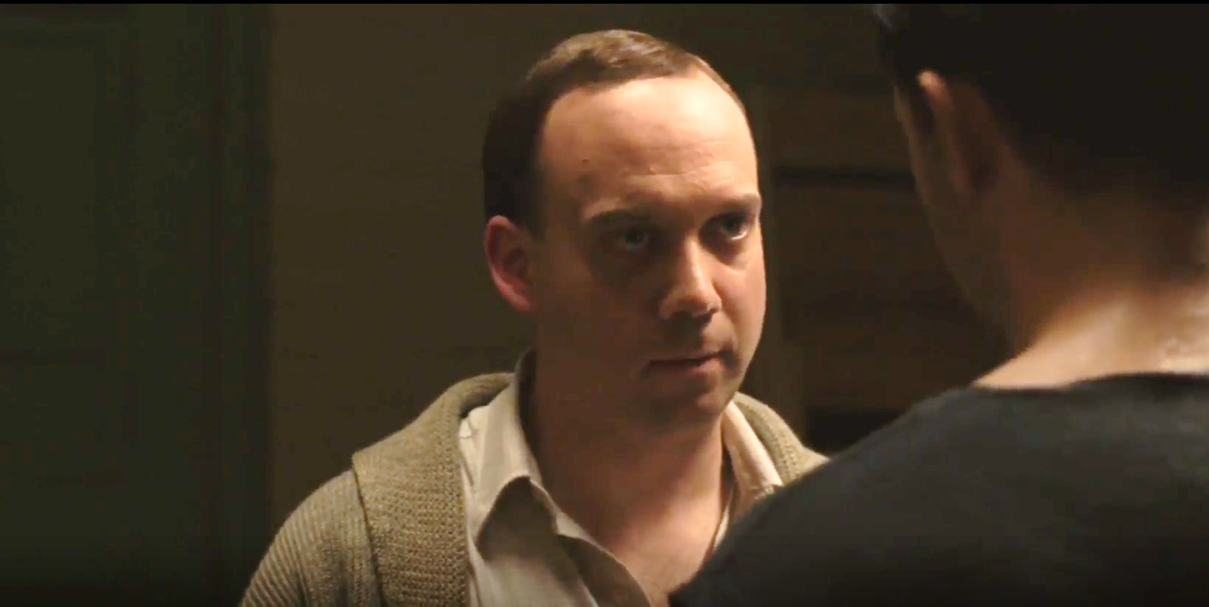
In his later years, Gould managed Braddock’s restaurant venture, named Braddock’s Corner, and remained close friends with the boxer himself. Gould died of leukemia on April 21, 1950, at his residence in the Century apartment building on Central Park West in New York City. He was 53 years old at the time of his death and had spent roughly three decades dedicating himself to boxing, cementing his legacy as one of the most influential people in the industry.
Read More: Cinderella Man Explores the Remarkable True Story of James J. Braddock


You must be logged in to post a comment.