
 Abhiroop Das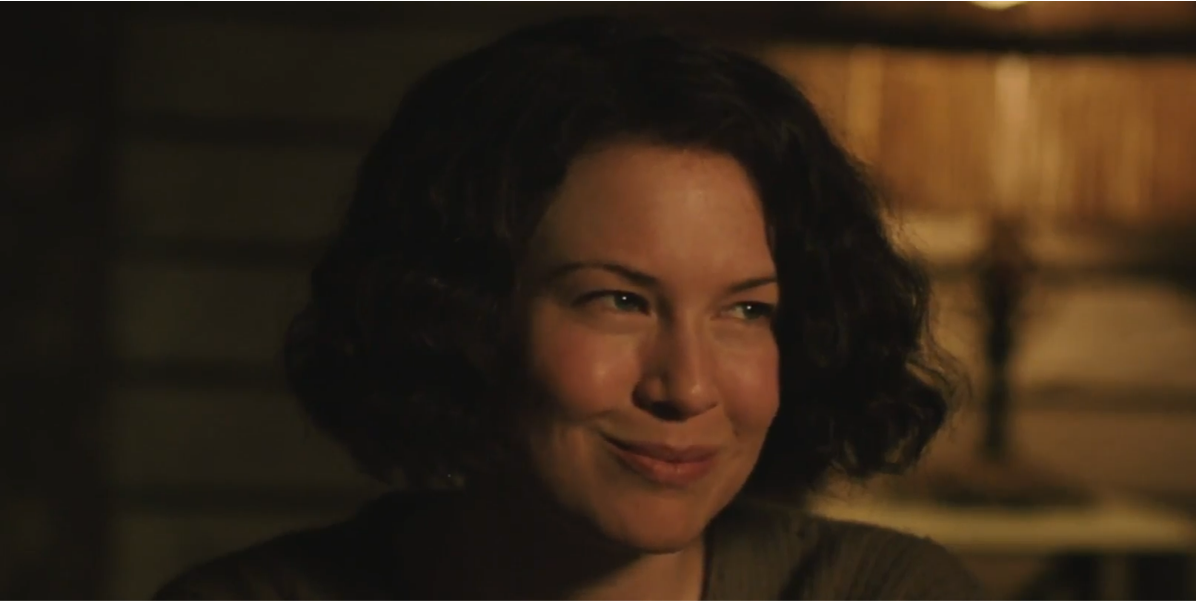
With Ron Howard at the helm, ‘Cinderella Man’ chronicles the rise, fall, and resurgence of boxer James J. Braddock during the depths of the Great Depression. Although the film is structured as a biographical sports drama, many of its most significant moments occur away from the boxing ring, within the Braddock household. As James struggles to find work and provide for his family, his wife Mae becomes a constant source of support while carrying the burden of uncertainty alongside him.
Every opportunity that brings the possibility of financial relief also carries the risk of serious injury, placing Mae in the difficult position of wanting her husband to succeed while fearing the consequences of that success. As Braddock’s fortunes begin to change, Mae remains caught between hope and apprehension. In tracing their shared experience, the film presents a portrait of a family attempting to endure extraordinary hardship without losing sight of one another.
Mae Braddock Braved the Great Depression Alongside Her Family
The character of Mae Braddock in ‘Cinderella Man’ is based on the real-life Mae Braddock, James J. Braddock’s wife, who remained by his side through much of his career and beyond. Born Mae T. Fox on March 27, 1906, in New York, to Peter J Fox Sr and Mary Maroney Fox, Mae grew up in an Irish-American family and reportedly worked as a telephone operator before her marriage. She met James through her brother, Howard Fox, who was acquainted with the young boxer. The couple married on January 25, 1930, just as the economic effects of the Great Depression were beginning to deepen across the United States. The couple would eventually have three children: James “Jay” Braddock Jr., born in January 1931; Howard Braddock, born in December 1931; and Rosemarie Braddock, born in May 1933.
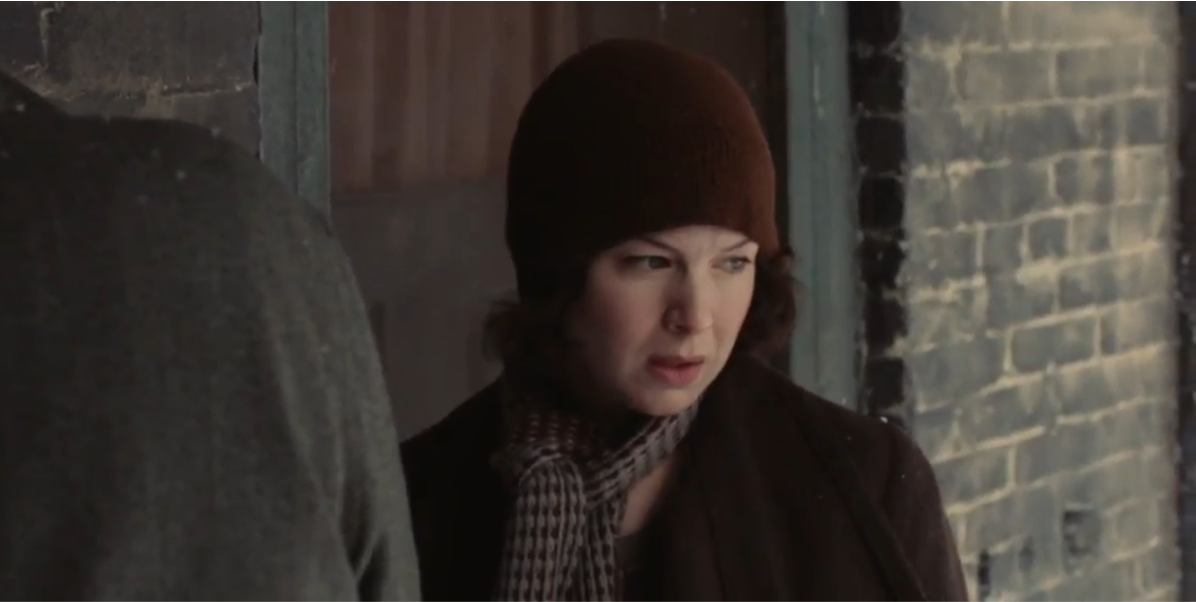
While James had established a stellar record of 44 wins, 2 draws, and 2 losses up until 1929, there came a turning point in his career following a defeat at the hands of Tommy Loughran. The next five years proved to be the most difficult in the Braddocks’ lives, as James’ boxing-related injuries led to a decline in his win rate and overall performance across subsequent bouts. At the height of the Great Depression, James had to quit boxing altogether and work instead as a longshoreman. While not many details are known about Mae’s perspective during the crisis, we know that she emerged as a pillar of support and resilience for the family. The film uses its real-life research as a starting point to then dramatize some aspects of her life and struggles.
Mae and James Braddock Built Their Dream House After the Latter’s Boxing Comeback
Mae and her family persevered through the harshest periods of the Great Depression, often dealing with hunger and natural forces on a daily basis. At one point, James accepted his government relief funds, but it has been reported that he felt humiliated in doing so. However, change came in 1934, when James was given a bout with popular boxer John “Corn” Griffin. In what came as a surprise to the entire industry, James defeated Corn in the third round, beginning a boxing comeback that culminated in his victory over Max Baer, the then-reigning World Heavyweight Champion.
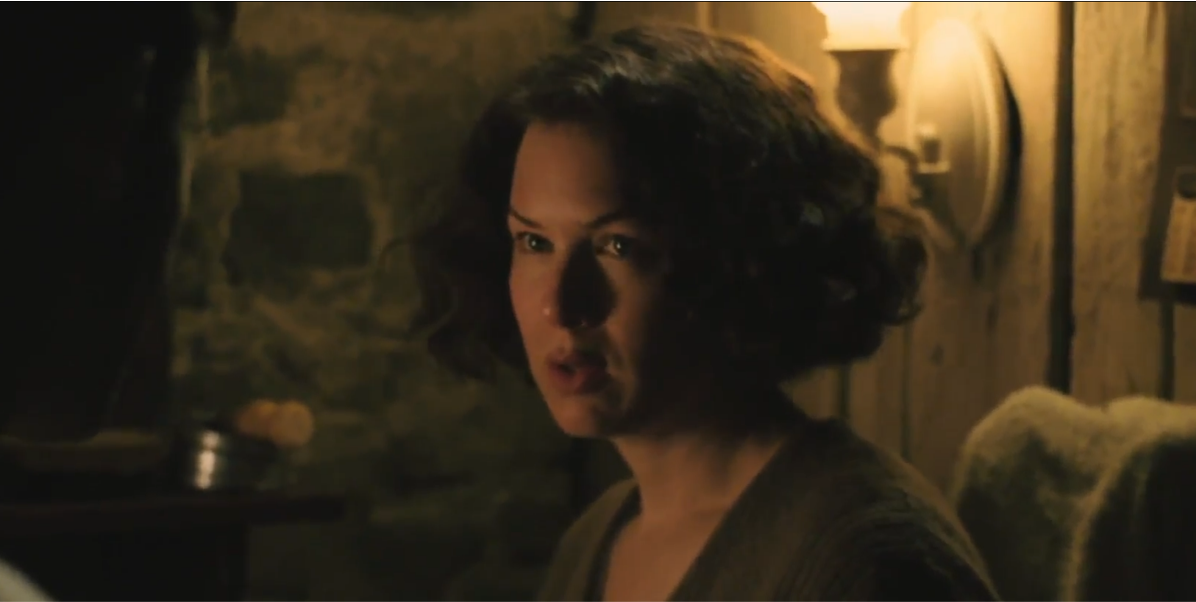
The movie approaches Mae’s reaction to this fight with sensitivity, bringing in the fear of losing her husband, as well as her faith in him. While it is likely that some of the sequences in the movie have been fictionalized, its base remains rooted in reality. On June 13, 1935, James defeated Baer to become the new heavyweight champion of the world. The victory dramatically altered the family’s circumstances, while also establishing James as a household name. When he later fought Joe Louis in 1937, the purse from the bout reportedly totaled to $250,000, and was a major help in financing the family’s new home in North Bergen, New Jersey. The house, located at 7712 Park Avenue, became the family residence for decades.
Following James’ retirement from boxing, the family led a stable life and continued to support the community. James died at his North Bergen home on November 29, 1974, at the age of sixty-nine, after nearly forty-five years of marriage. Mae survived him by almost eleven years, with records indicating that she later lived in Whiting, New Jersey, in Ocean County. She died there on September 25, 1985, at the age of 79, and was buried at Mount Carmel Cemetery. While Braddock’s success story has captured and held the world’s attention for years, Mae’s role in all of this was just as important. Despite her minimal public appearances, she remains an important voice when it comes to understanding the Great Depression’s impact on life, family, and society.
Read More: Cinderella Man Explores the Remarkable True Story of James J. Braddock


You must be logged in to post a comment.