
 Diksha Sundriyal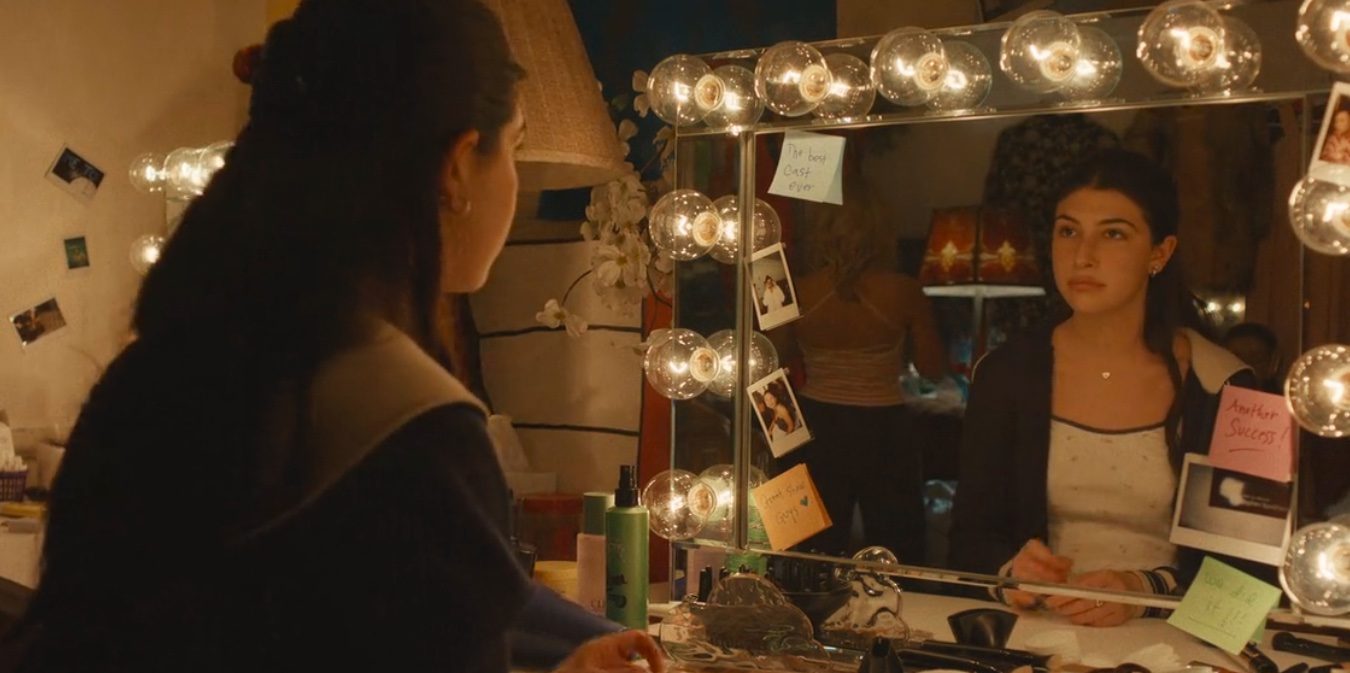
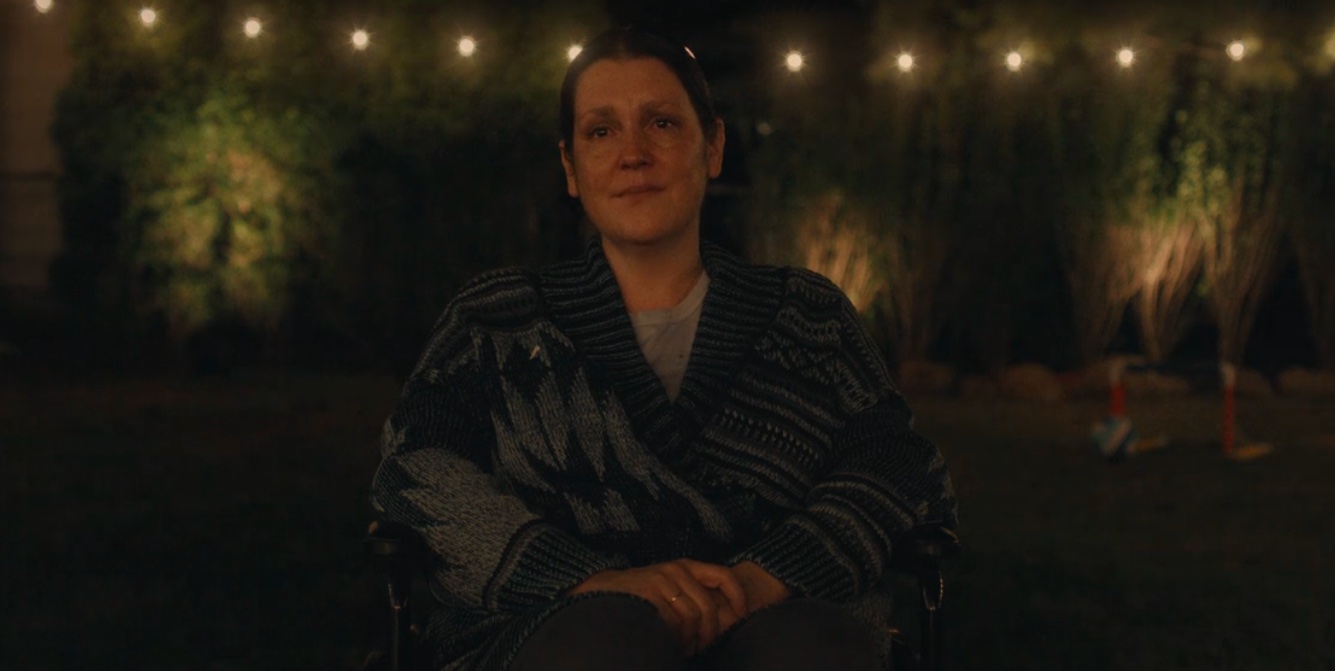
Netflix’s ‘Don’t Say Good Luck’ is a coming-of-age drama film that follows Sophie Birenbaum as she navigates a particularly tough time in her life. In school, she nervously auditions for a musical play and crushes over a boy who is cast to play her love interest. At home, however, things take a tumble when her mother receives a cancer diagnosis. As Sophie focuses on the play, she also struggles with the grief of slowly losing her mother to cancer. Directed by Julia Hart, the film is steeped in raw emotion, making it a heartrending watch while presenting a deeply realistic portrayal of a mother-daughter relationship. SPOILERS AHEAD.
Don’t Say Good Luck is a Fictionalized Rendering of the Writer’s Real Experience
‘Don’s Say Good Luck’ is a fictional story written by Laura Hankin with Julia Hart and Jordan Horowitz. The root of the story lies in Hankin’s experience as a teenager. When she was a junior in high school, her school put up a musical production of ‘Moby Dick.’ She was cast in the lead role of Ishmael, which was pretty huge for her. For the next few months, she deeply invested herself in the rehearsals, building friendships and harboring crushes. However, this normalcy of the teenage years was marked by a difficult situation at home. Around the time she got cast, Hankin discovered that her mother’s cancer was back. Thus, it became a confusing time for her, as her grief stood in stark contrast with the fun she had while working on the play.
Hankin wondered whether she should continue with her normal school life and have fun with her friends. Or if she should rather stay at home with her mother and spend more time with her. She kept these feelings to herself and didn’t process them on paper until years later. A major catalyst for her to adapt the story into a screenplay was Bo Burnham’s ‘Eighth Grade.’ When she watched that film, she felt seen and was highly moved by the realistic portrayal of teenage emotions. The more she thought about the complexities of adolescence, the more the memories of her own young years returned to her. In hindsight, she realized what an intense time it had been for her, preparing for a play while watching her mother’s health wither.
The Writer Wanted the Story to Feel Universal
Laura Hankin decided to explore the depths of her teen experience through a film. This led her to write a draft that, after a few revisions and with Julia Hart and Jordan Horowitz coming on board, turned into the story of Sophie Birenbaum. While Hankin tapped into her own emotions and experiences for the film, she wanted it to be a fictional story from the start. For her, it was important to have the core emotions intact, but she found it better to change the characters rather than stick strictly to her personal experience. As a result, she made several changes to Sophie’s life. Like, while Hankin has one brother, she gave Sophie two.
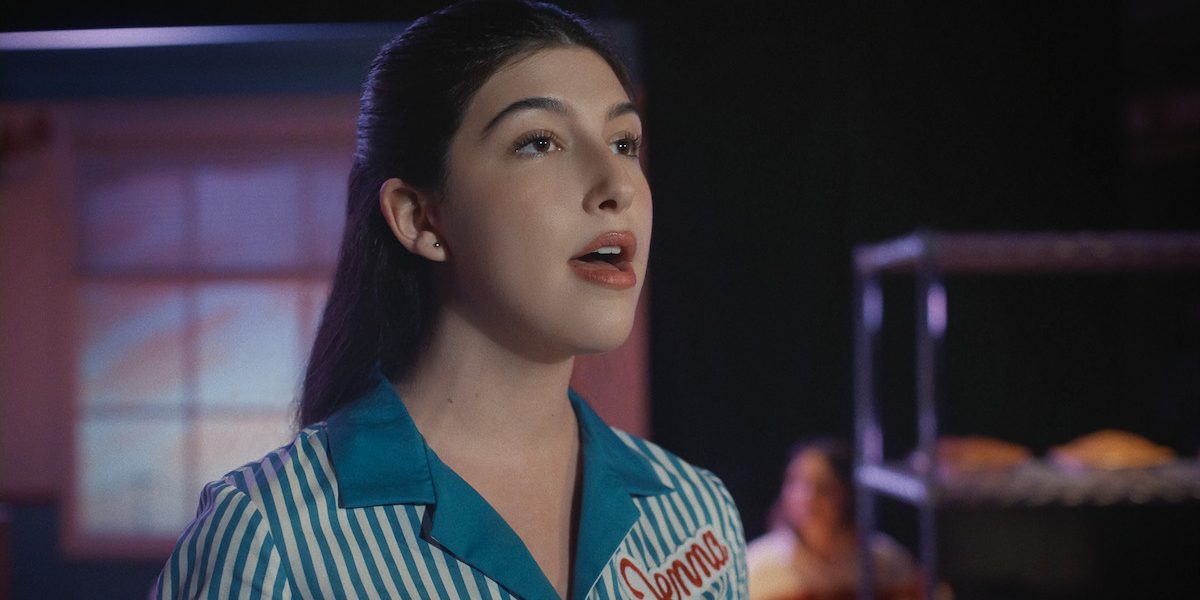
She changed the story’s setting and tweaked the family dynamics, primarily to feed the drama required for a film. While the writer had performed in a production of ‘Moby Dick,’ she chose ‘Waitress’ as the play for Sophie and her school. She found the musical highly fitting to the story’s tone and the emotions she wanted to convey. Hankin felt that music and song would have a greater impact than simple words in expressing the uproar of Sophie’s feelings. She also made certain changes to the ending. In the movie, Sophie’s mother’s health deteriorates so quickly that she is not able to attend the play, no matter how much she wants to.
In real life, Hankin’s mother got to see her play. She passed away a few weeks later. With all these changes, the writer wanted to set the story apart from her own. However, she also wanted it to be a way to honor her mother as well as the people who worked with her on the ‘Moby Dick’ production all those years ago. Above all, Hankin wanted the story to resonate with the audience. She wished for viewers to see themselves in Sophie and her family, even though they were fictional characters. She hoped that people would feel Sophie and Elizabeth’s love and pain and come out of the movie with empathy, even if it’s tinged with a little heartbreak.
Read More: Don’t Say Good Luck Ending Explained: Does Elizabeth Die?


You must be logged in to post a comment.