
 Aahana Swrup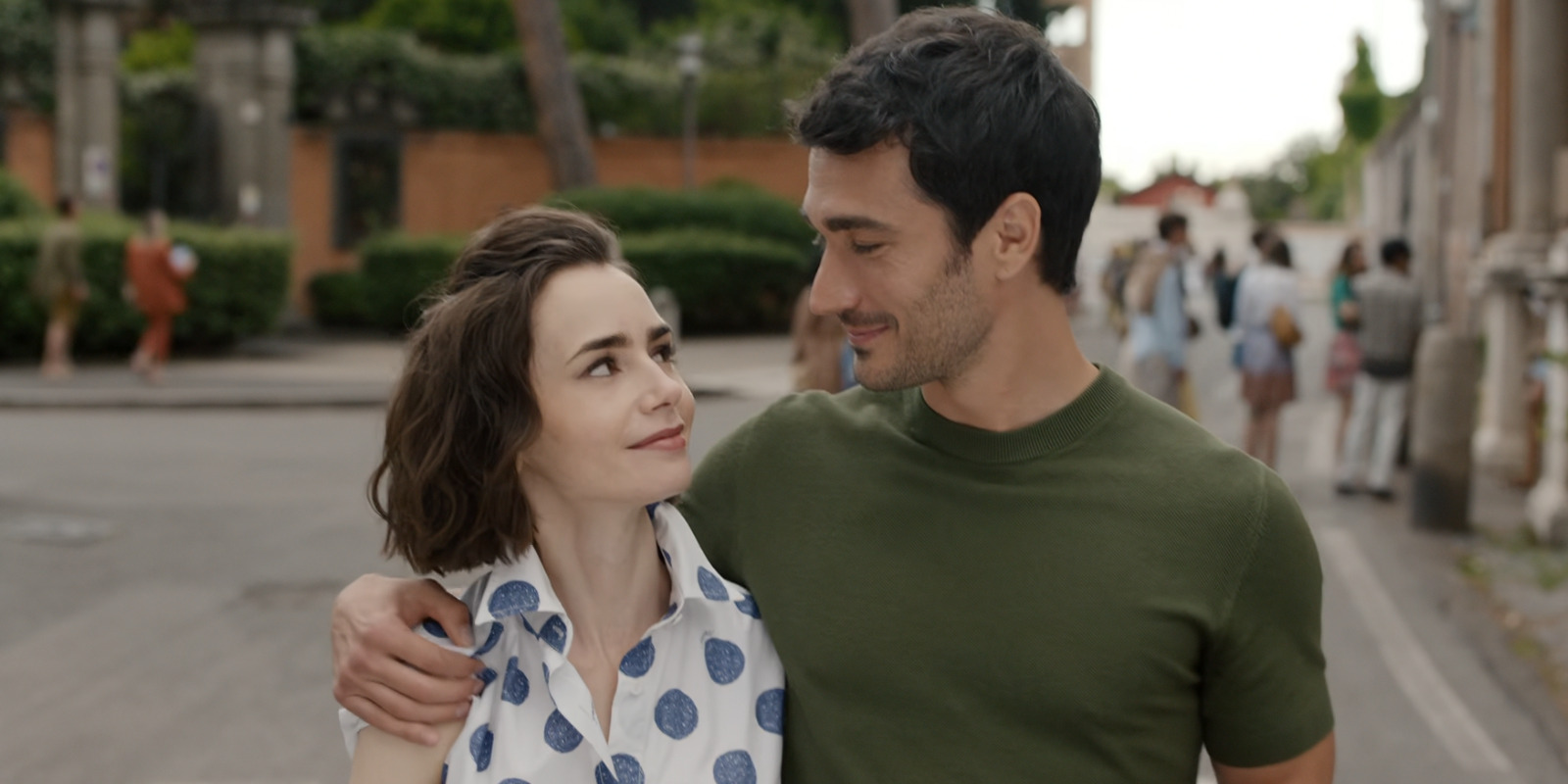
‘Emily in Paris’ season 5 finds the titular character out of her Parisian life as she undertakes a brand-new adventure in Rome, Italy. As Agence Grateau had gotten the account of the luxury brand Umberto Muratori, Sylvie put Emily in charge of the project, partially due to her connection with the company’s heir, Marcello Muratori. However, while the marketing executive seamlessly impresses the latter, his mother and the actual Head of the brand, Antoina, prove to be a different case. Still, through a few visits to the family’s base of operations at the quaint village of Solitano, which has been home to Muratori’s cashmere empire for years, Emily slowly but surely manages to win the older woman over. However, as integral a role as the village plays in Emily’s personal narrative, it becomes an even more relevant player in the worldbuilding around the Muratori brand. Naturally, the location must have become a point of intrigue for the fans.
Solitano is Partially Inspired by the Real Town of Solomeo
Even though ‘Emily in Paris’ creates many fictitious elements throughout the course of its storytelling, most manage to sustain some roots in reality. The same is true for the House of Muratori, or the Umberto Muratori brand, which mines some inspiration from the real-life luxury fashion brand, Brunello Cucinelli. As a result, Solitano, the village connected to the base of the Muratori family and their company, also finds a corresponding counterpart in reality. Salitano is based on the Town of Solomeo, a part of the Province of Perugia’s Corciano comune in Umbria, Italy. Known as the Hamlet of Cashmere and Harmony, the town is the headquarters for the renowned Italian luxury brand, Brunello Cucinelli.
The brand has shared connections with the town since 1985. The creator of ‘Emily in Paris,’ Darren Star, visited the town of Solomeo in the summer of 2024, when he was given a tour of the location personally by the fashion designer Cucinelli himself. In a conversation with Conde Nast Traveler, Star spoke about the experience and shared, “I had the privilege of visiting there, meeting Cuccinelli and the family, getting a tour of everything, and seeing that town. We did our best to capture it. But Solomeo is on another level. It’s such a gem. I was very inspired by my visit there.”
As such, the on-screen village shares many similarities to the real Solomeo. For instance, in the show, the Muratori family is involved in the socio-economic development of the town through the construction of public establishments like schools, libraries, and theaters. This is directly inspired by the Cucinelli family’s similar efforts in Solomeo. Similarly, the infamous Cucinelli hospitality, including the regular company-wide 1 p.m. lunch hour, also makes it to the on-screen design of Solitano. However, while the latter shares these similarities and many visual overlaps with Solomeo, a different real-life place became the actual filming location for Solitano.
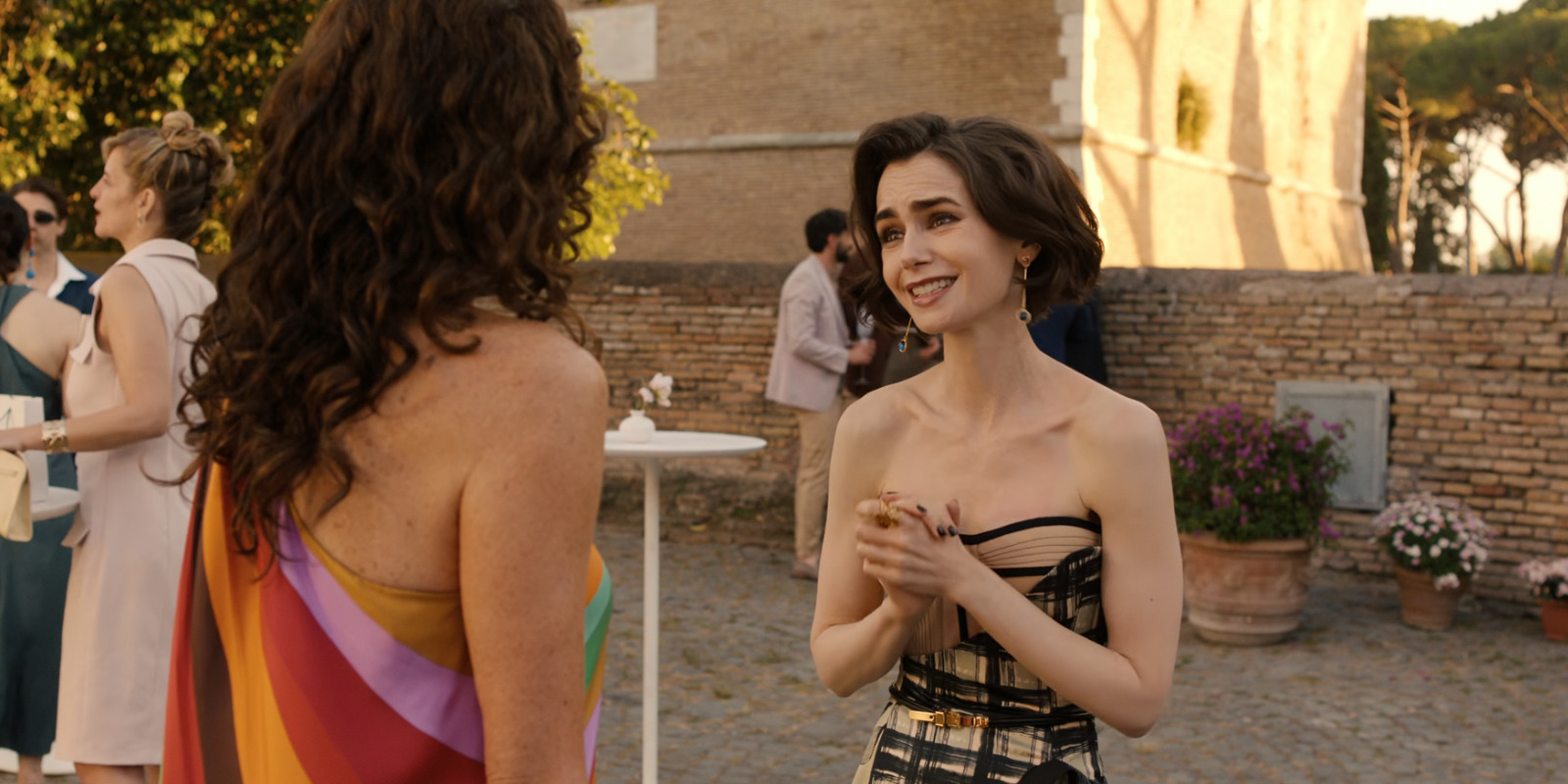
Instead of the Umbria-based town that serves as the on-screen village’s main inspiration, Ostia Antica, ancient Rome’s harbor city, located at the mouth of the Tiber, becomes the filming location behind Solitano. “It’s (Ostia is) near the seaside,” Star shared, delving into the creation of the fictional village for the show. “We wanted to evoke a Tuscany feeling there. Solemeo is actually in Umbria, but it’s (Solitano is) the same idea of this small village where the company is based and the family lives. I want to capture that feeling, which is a little magical.” These connections instill a level of realism in the on-screen location as well as the overall narrative of ‘Emily in Paris.’
Read More: Do Emily and Marcello End Up Together in Emily in Paris?


You must be logged in to post a comment.