
 Abhiroop Das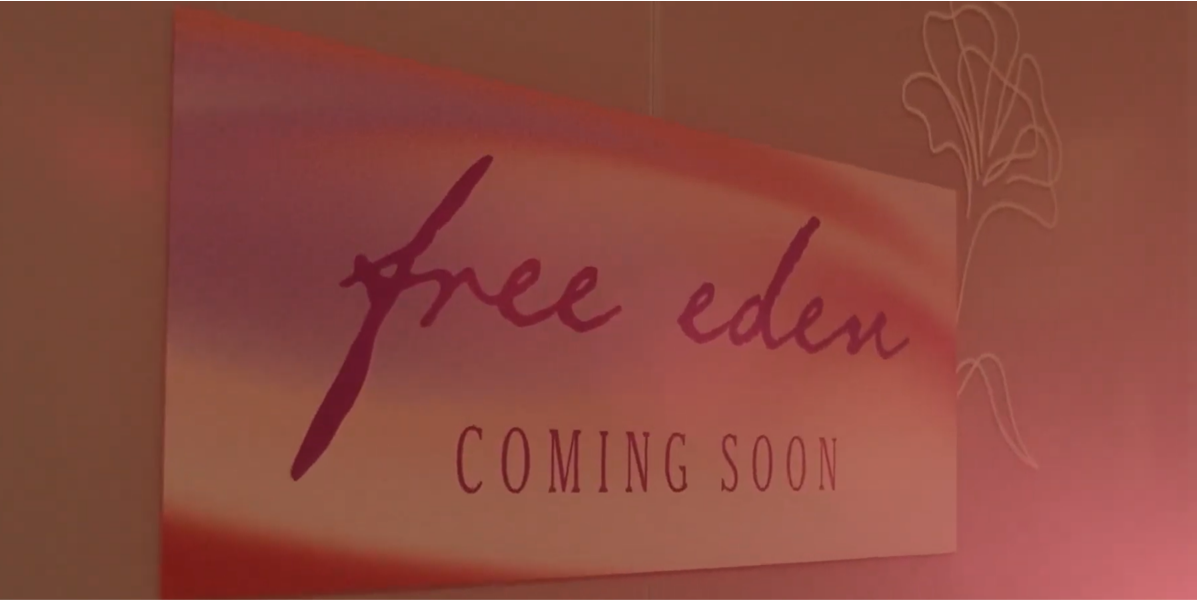
Helmed by Meredith Alloway, ‘Forbidden Fruits’ follows Pumpkin, a new employee at a pretzel store in the Highland Place Mall, who stumbles across a unique group of friends who refer to each other as fruits. Apple, Fig, and Cherry work at Free Eden, the most prestigious retail store in the mall, and though they are equal parts revered and feared by everyone else, Pumpkin has little trouble leaving her mark on them. Before long, she begins working at Free Eden and joins the friend clique, unaware of what that entails.
In the dead of the night, Apple and her group cease to be employees, and instead practice strange forms of witchcraft as part of an even stranger cult. Though Pumpkin has second thoughts about joining them, the possibility of finding true sisterhood becomes too appealing to turn down. Throughout this horror–comedy movie, Free Eden, like the mall it inhabits, takes on newer and more sophisticated symbolic meanings, essentially becoming a character in itself.
Free Eden is a Fictional Boutique Rendered in Biblical Imagery
Free Eden is a fictional retail store created by Lily Houghton and Meredith Alloway that becomes the main setting of ‘Forbidden Fruits.’ While the store is amongst the most premier shopping hotspots during the day, by night, it becomes the base for Apple’s cult sessions. Notably, the film is based on Lily Houghton’s play, ‘Of the woman came the beginning of sin and through her we all die,’ and there too Free Eden becomes the main grounds for all the horrors and eccentricities that follow. It is possible that the name Free Eden is a superficial nod to Free People, a bohemian-themed apparel and retail company where Houghton reportedly worked after college. However, aside from the similarity in names, there appears to be no overlap between Free People and the fictional boutique.
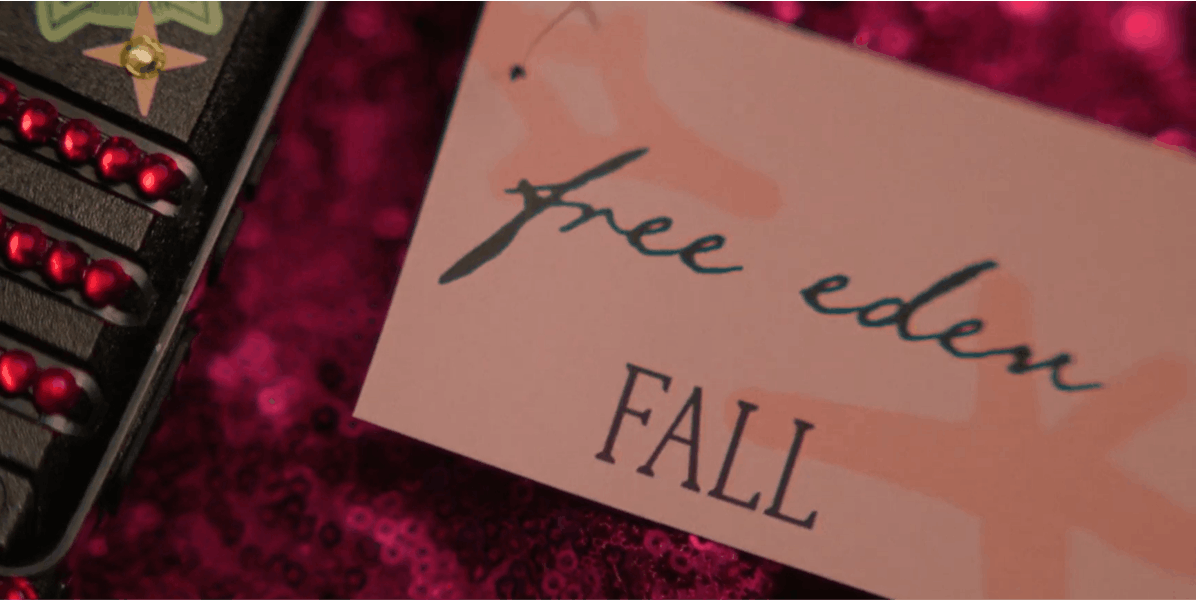
In an interview with Joy Sauce, Meredith Alloway, who is also the film’s director, recalled walking by an Abercrombie & Fitch store as a child and being fascinated with its style and work culture. As such, it’s possible that her conceptualization of Free Eden is driven by that childhood feeling, though that doesn’t indicate any direct parallels to Abercrombie & Fitch.
Where Free Eden finds its distinct style is in how it becomes the stage for broader commentary. In a conversation with Dazed Digital, Alloway likened Apple’s endeavors to building “a garden in a cement parking lot, a capitalist space.” The parallel also extends to the biblical conceptualization of the Garden of Eden, which Apple reinterprets in the story to create a safe space for her cult members. The crew even went above and beyond by creating a fictional website for the store, adding to the aesthetic and emotional factor. While there might not be a real-life antecedent for Free Eden and the unique way it operates, it is possible that the writing team drew loose inspiration from Houghton’s lived experiences and then crafted an invented location to fit the story.
Highland Place Mall is Invented to Serve as a Canvas For the Characters
Just like Free Eden, Highland Place Mall is a fictional shopping mall created specifically for the world of ‘Forbidden Fruits.’ While the mall is narratively set in Dallas, Texas, it was filmed in Toronto. There, the crew took over CF Sherway Gardens, located at 25 The West Mall, in the city’s Etobicoke district. What’s particularly interesting about this location is that it also features in ‘Mean Girls’ during the iconic water fountain sequence. Fittingly, ‘Forbidden Fruits’ pays homage to that scene by setting up a climactic sequence around that same fountain.
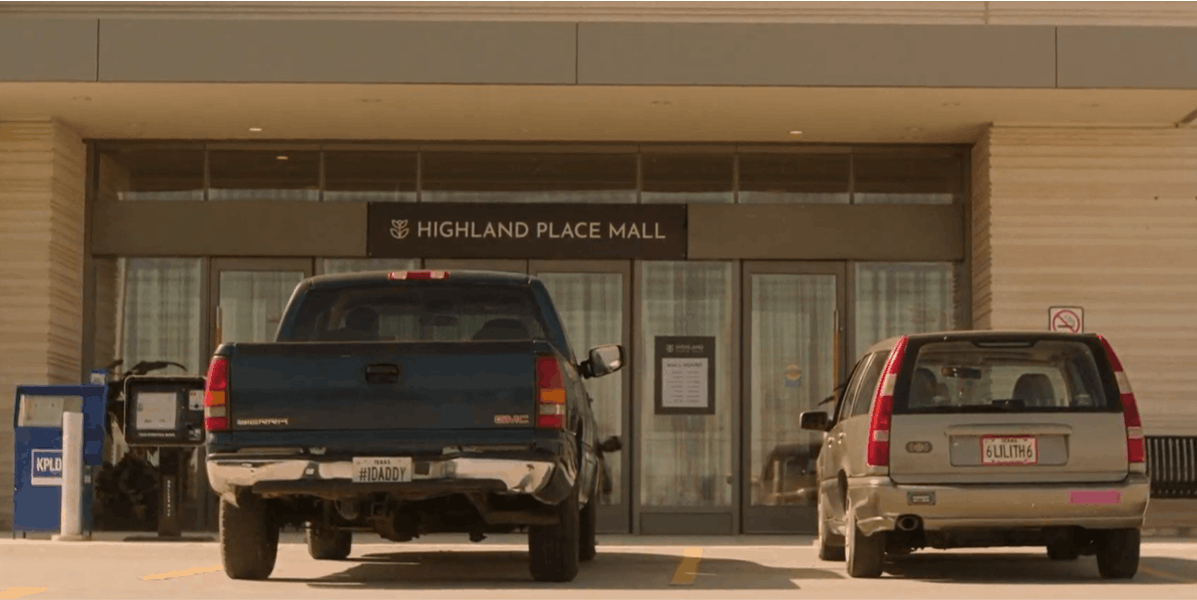
In a conversation with Joy Sauce, Meredith Alloway vaguely hinted that a real-life mall in Dallas inspired the atmosphere of Highland Place Mall, but what makes the fictional version work is her attention to the details. She added, “There is an ecosystem to the mall, and I think we like mall movies in the same way that we like Mean Girls because it’s set in a school.” Alloway also noted that malls are a place where people who come together are often hired separately. To that end, she likened the building of friendships there to alchemy in its blending of boundaries. Taking all of that into consideration, Alloway and her team allowed the fictional setting to become a canvas for a host of characters to interact and enhance one another.
Read More: Is Half Man Based on a True Story? Are Niall Kennedy and Ruben Pallister Based on Real People?


You must be logged in to post a comment.