
 Abhiroop Das

Helmed by Marie Kreutzer, Netflix’s ‘Gentle Monster’ follows renowned pianist Lucy Weiss and her family after a sudden revelation breaks their peaceful life apart. When police come knocking at her door one day and charge her husband Philip with possession and distribution of child sexual abuse material, Lucy can hardly believe the situation in front of her. As it dawns on her that there are things about Philip she does not know, the possibility that Philip might have hurt their young son, Johnny, becomes more heart-wrenching for her. In parallel, we get a deeper look into the life of Elsa Kühn, the police officer investigating the case.
Elsa’s father has been suffering from dementia, and it is all she can do to care for him while working. So when she comes to know that her father has been attempting to sexually assault his live-in nurse, her ethics and principles clash with her instinct to protect her father. By the end of this multilingual psychological drama movie, Lucy and Elsa are forced to rethink their love for the person they have given their whole lives to. SPOILERS AHEAD.
Gentle Monster Plot Synopsis
‘Gentle Monster’ begins with Lucy Weiss, a celebrated pianist, moving from Munich to the countryside with her husband, Philip, and their young son, Johnny, for a change of pace. Her husband, Philip, is a filmmaker who had to turn to television to make money and is currently going through a burnout phase, spending most of his time with Johnny. What is shaping up to be an idyllic life, however, takes a dramatic turn when Elsa Kühn, a special investigator from Munich, arrives to arrest Philip for possession of child sexual abuse material. It is slowly revealed that he has been involved in online forums connected to child sexual abuse material for years, which makes him a threat, particularly to his own son.

Sometime after the revelation, Johnny is brought to the police station, where Elsa and a psychologist ask him if he and his father keep any secrets, though we never get a direct answer to it. However, the investigation and the material found on Philip’s devices deepen Lucy’s fears about whether Johnny may also have been exposed to his father’s activities. Unable to cope with this, she leaves the house with Johnny and begins staying with her mother, where she learns more about child sexual abuse and its potential long-term impact on children. Meanwhile, Philip gets bail and desperately tries to reconnect with Lucy and Johnny, though their subsequent attempts at communication only leave things on a sourer note than before.
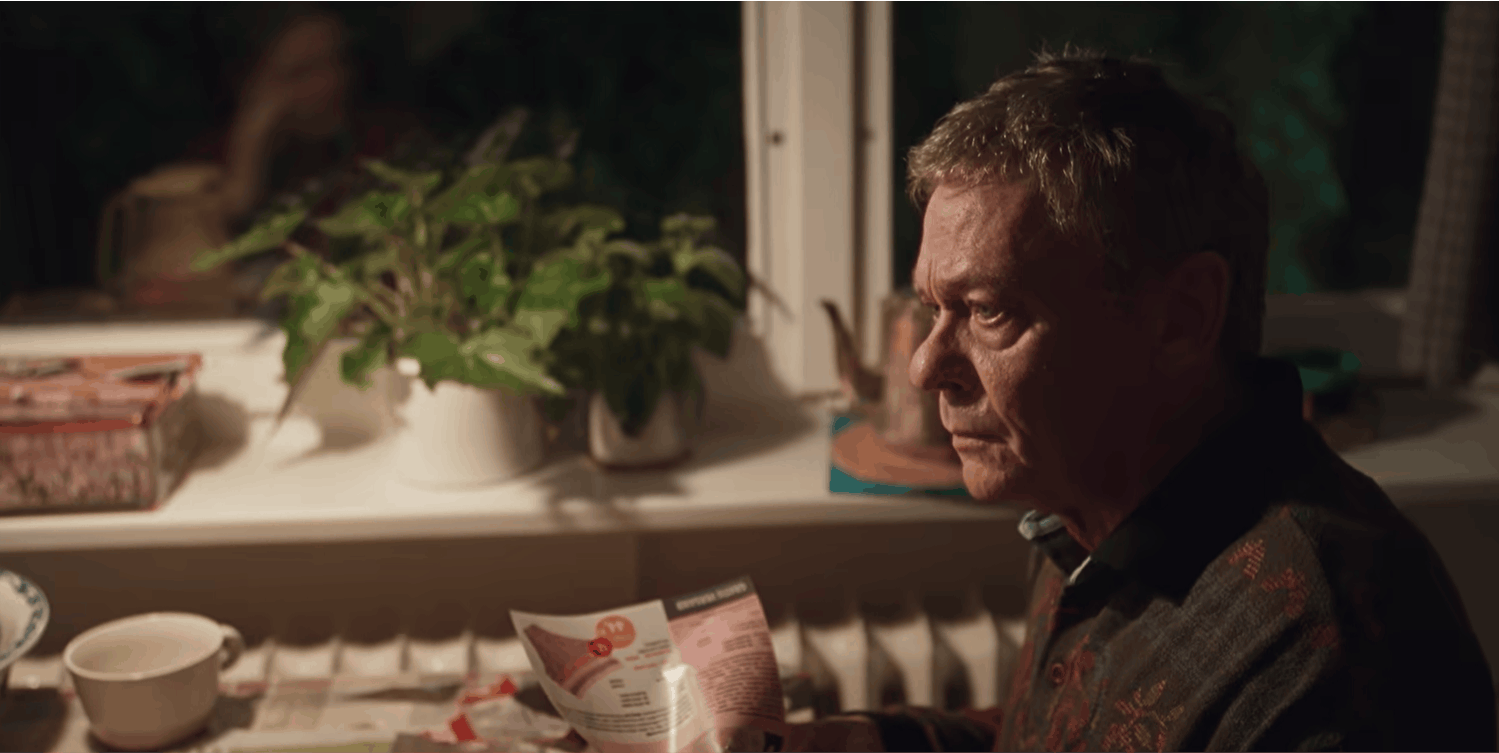
While all of this is transpiring, we also get a look into Elsa’s own personal life, particularly her relationship with her father, Hermann, who has dementia. Struggling to balance work and taking care of her father, she tries to hire an attendant, though her father ends up having friction with all of them, except Natalia. Though Elsa feels relieved at first, she soon learns from Natalia that Hermann has started to inappropriately touch her at times, claiming to misremember her as his late wife. Hearing this, Elsa tries to reason with her father, all the while trying to tell Natalia that it won’t happen again, despite doubting that herself. In the meantime, Lucy files for divorce and sole custody just as Philip’s case comes to a head.
Gentle Monster Ending: Does Philip Go to Prison? Does Lucy Get Custody of Johnny?
‘Gentle Monster’ ends on an ambiguous note as Philip and Lucy’s lives take on entirely different trajectories. While the former remains under the police’s watch, Lucy learns that he might not go behind bars, after all. Instead, it’s revealed that he was offered a deal granting him some degree of freedom in return for his dark web account being used as bait to apprehend other criminals. This is likely how Philip was caught in the first place, and just like that, his twisted, abusive behavior rejoins the cycle as part of the very machinery designed to end it. While Lucy understands that this has a net positive impact, there is still a vague desire for justice that goes unheard. The fact that she still feels things for him only makes it more complicated, as, in her own words, there is no “off button.”
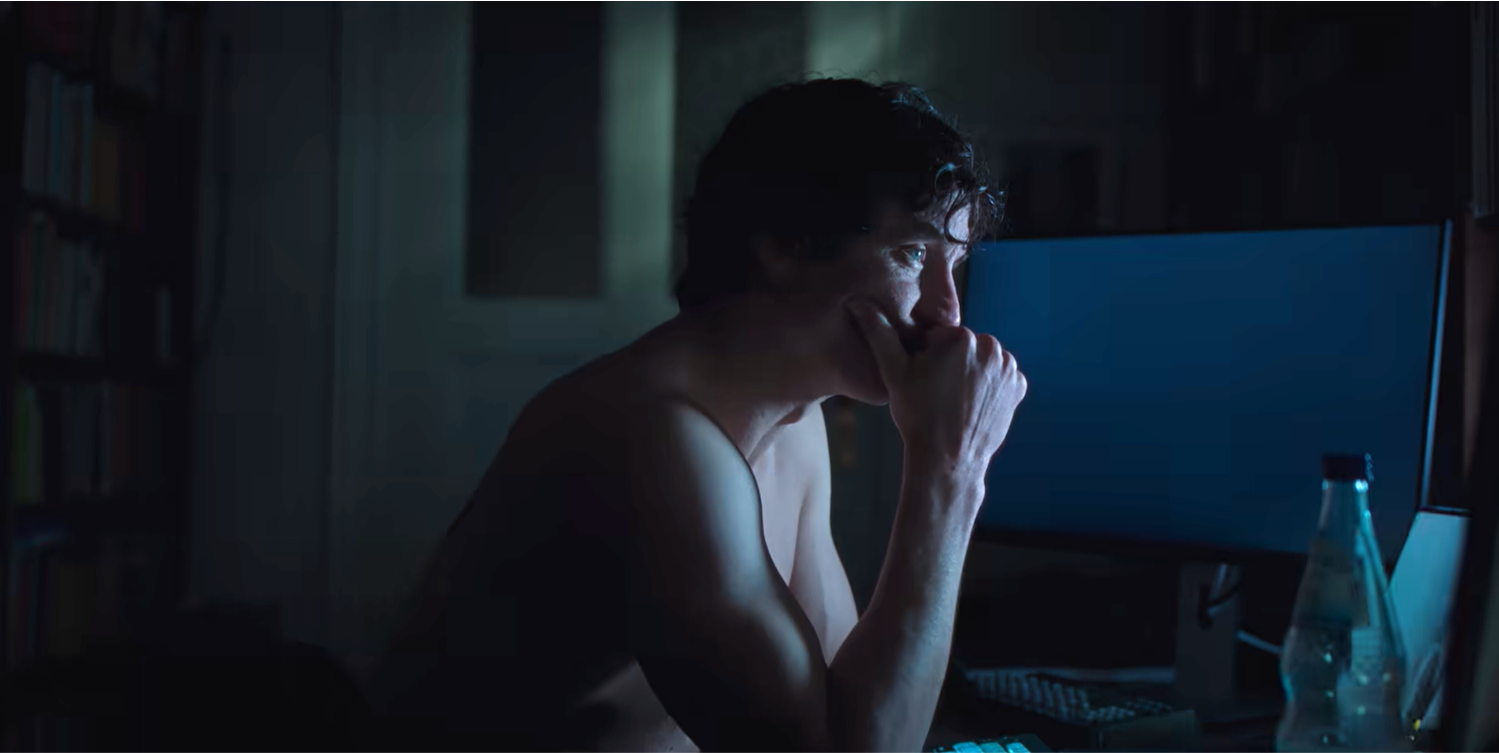
The definitive turn in Lucy’s convictions comes when she learns that Philip has not only signed the divorce papers, but also left their house in her name. Refusing to take the house, she instead plans to move to a new town, and just as the moving crew arrives and the house is stripped bare, all that remains is Philip’s laptop. This entire time, Lucy has been shielded from his worst side in its most graphic form, but now, with nothing to lose, she decides to brave it and open one of his image galleries. What at first seems like a harmless collection of family photos takes a sharp, morbid turn when she comes across a video of Johnny with his shirt off. It immediately becomes clear that Philip’s love for his family does not contradict his darkest actions; rather, they coexist with them, in a grim display of depravity.

With Philip signing the divorce papers and relinquishing custody of Johnny, Lucy finds at last the will to move on, starting with moving to a new location. In a way, this is a full-circle moment, as the story itself begins with the family moving into a new town and struggling to adjust. While this time won’t necessarily be any easier, Lucy finds comfort in the fact that her son is safer than before. That said, her own mental health largely goes unaddressed in this ending, and a lot of it is by her own design. Desperate not to feel the crushing pain of everything that has transpired, she tries to sweep it under the rug, or respond with music. However, if all of her performances in this film are anything to go by, Lucy’s music, particularly the song lyrics, has always been about expressing grief rather than healing from it, which means that her journey might take a while to stabilize.
Does Johnny Remember? Is He Traumatized?
One of the more difficult questions that ‘Gentle Monster’ leaves us with pertains to Johnny, particularly whether he remembers the traumatic experiences he has endured. While his conversations with the police hardly yield much information, everything from the investigation points towards Philip clicking pictures and videos, all the while Johnny remains unaware that he is being abused. For him, all of this still feels like an elaborate game on some level, which makes explaining things quite challenging, not just for his therapists, but also for Lucy.
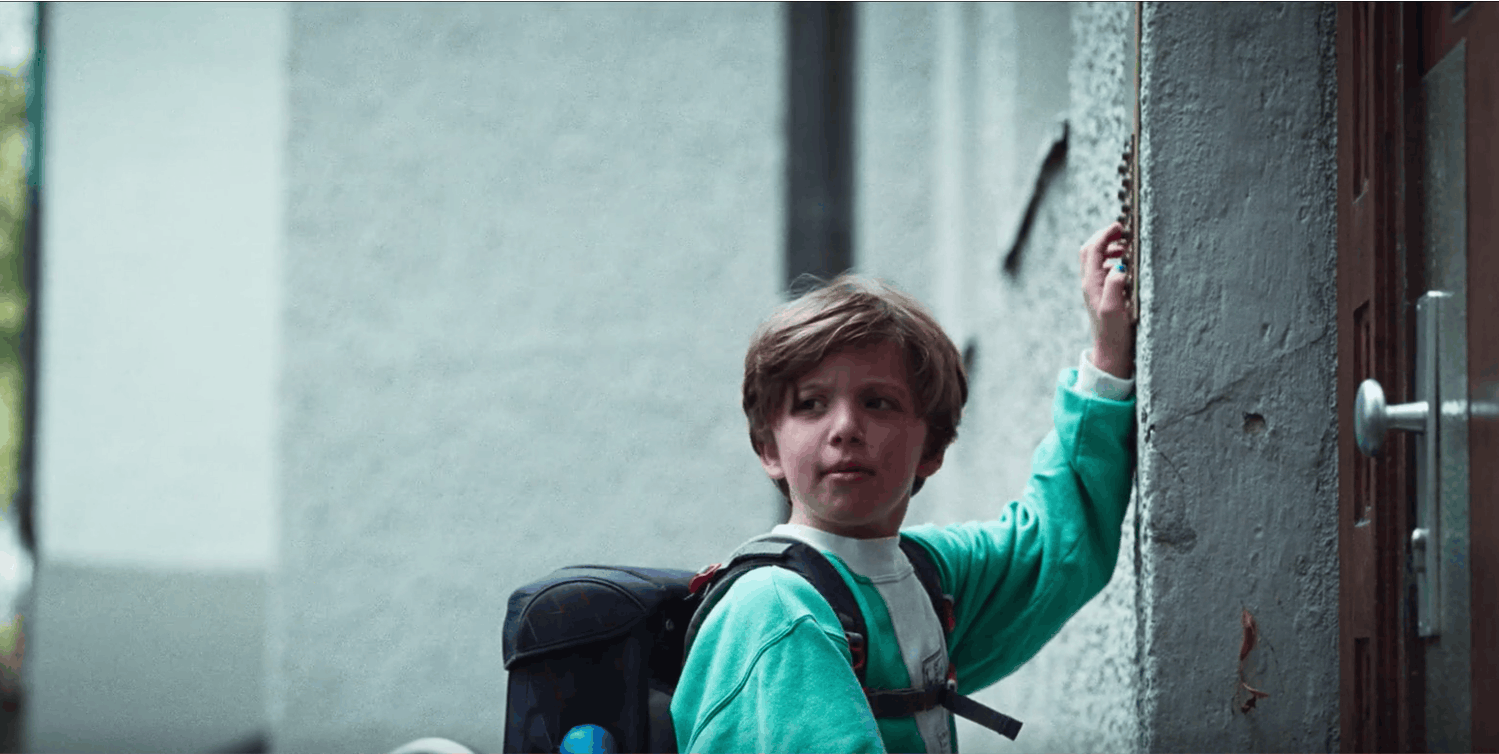
By the end, Johnny doesn’t appear to show any of the conventional signs of a traumatic response, which the film identifies as increased agitation, aggression, or problems with sleep and building relationships. That said, merely a selection of symptoms cannot necessarily reveal the full picture, as the therapist also explains that each child can have a distinct response to trauma. In Johnny’s case, there is never a moment when he has bursts of aggression, be it in his house or on the trampolines that he loves so much. However, as he grows older and learns more about his father, these memories are likely to resurface in a new light. Recovering from trauma is always a long, slow process, and perhaps Johnny’s greatest strength in this moment is that his mother is with him, every step of the way.
What Happens to Elsa and Her Father?
While the Weiss’ side of the story has a somewhat clear conclusion, Elsa’s arc ends on an almost antithetical note, in that she is unable to find a solution for her own crises. While she specializes in apprehending sexual abusers, things get a lot more complicated when she is met with a similar situation in her own home. Despite Natalia repeatedly raising alarm about the sexual harassment she has to endure at Hermann’s hands, Elsa constantly tries to shift the blame or minimize the actions, in an intensely hypocritical turn of events. Initially, Elsa tries to ease the tension by telling Natalia that Hermann’s dementia is causing him to mistake her for his late wife, though that still doesn’t explain his complete lack of consensual boundaries.
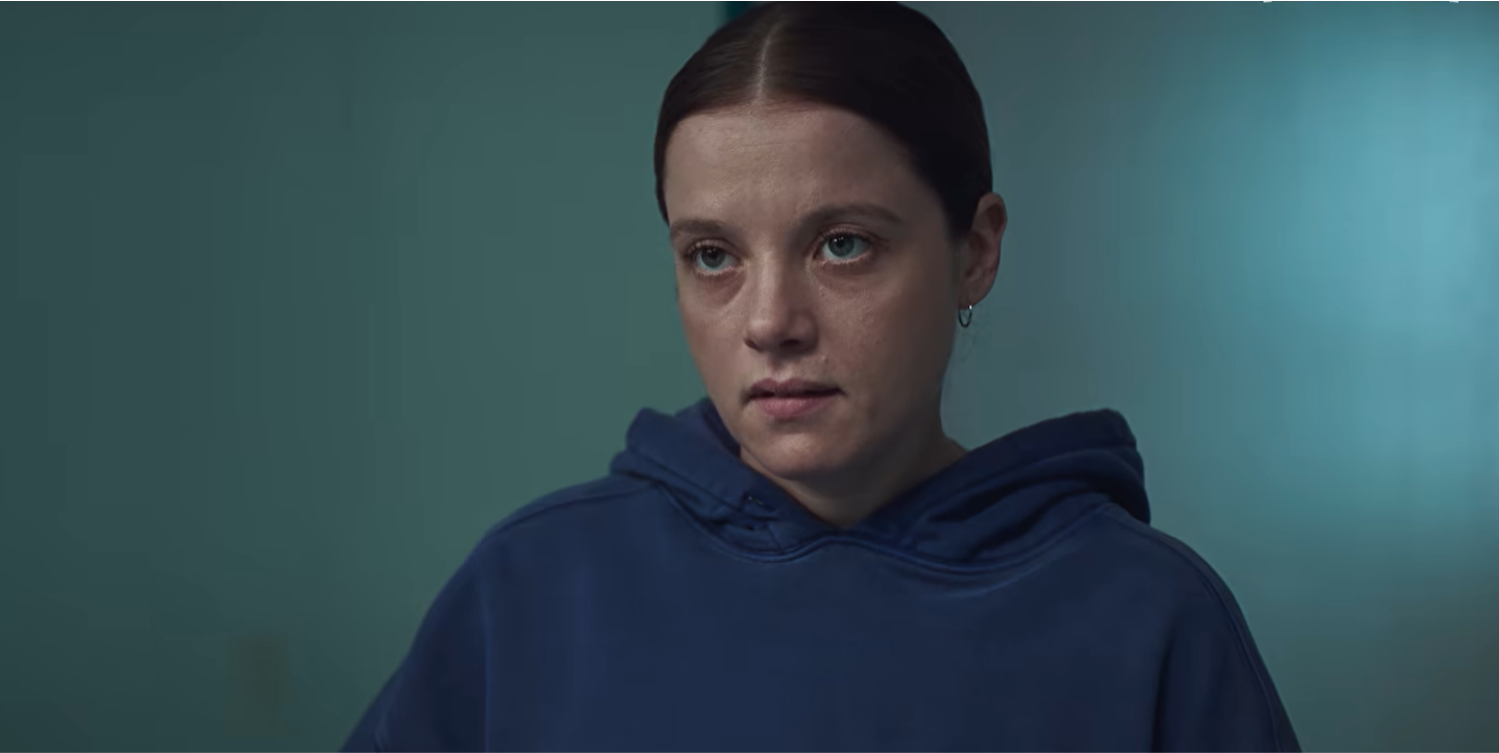
When Natalia decides to leave after Hermann tries to enter her room one night, Elsa simply suggests locking the door, completely devaluing what Natalia must have felt in that moment. Understandably, Natalia leaves the house not long after, and as Elsa has to take care of her father for the first time in a long time, Hermann ends up mistaking her identity too. In his final appearance, he rebukes Elsa—mistaking her for his wife—for not being sexually active since they had children. Symbolically, this connects right back to the guilt Elsa has felt over her father’s declining health. In both situations, Elsa can’t help but see herself as the reason behind all that has gone wrong in her parents’ lives, failing to realize the truth of the abusive aspects of her father, a reality she must confront sooner or later.
Read More: Where Was Gentle Monster Filmed? All Shooting Locations


You must be logged in to post a comment.