
 Aahana Swrup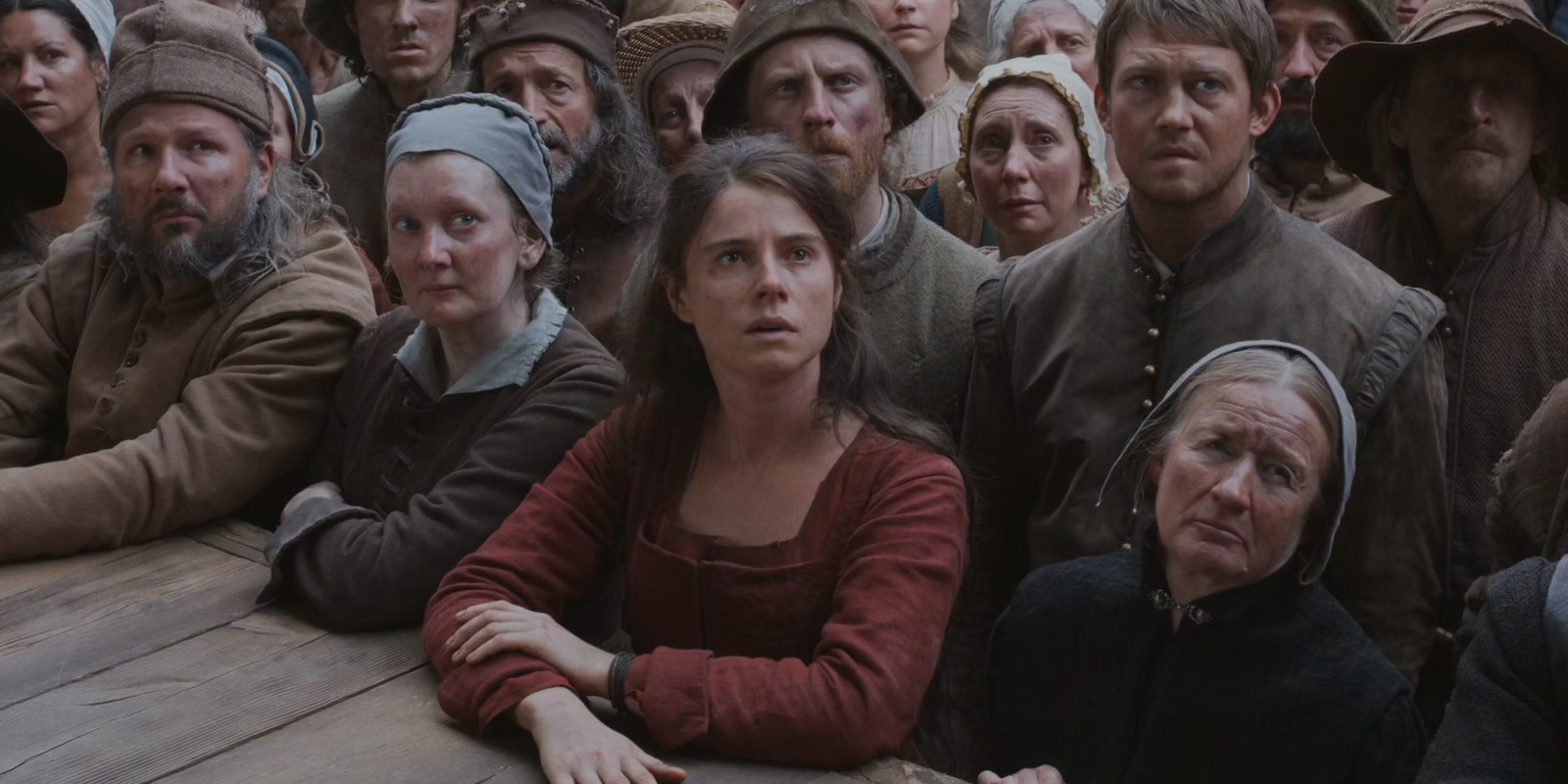
‘Hamnet,’ the Chloé Zhao-directed film, explores the story of a family who experiences a life-altering loss, which leaves them in a grief-riddled aftermath. When Agnes, a woodland healer, meets Will, a Latin tutor with towering aspirations as a storyteller, their lives soon become inevitably entangled as husband and wife, partners through life. As they begin their shared life together, the playwright travels to London for work, while Agnes stays behind at home in the Hewlands, giving birth to three wonderful kids. However, their happiness is soon taken from them when their only son, Hamnet, falls victim to a lethal plague passing through the country. As a result, after the child’s death, his parents turn inconsolable, dealing with their grief in their own ways. For Will, this means penning a play, which goes on to become the film’s climactic heart. Moments of particular catharsis arrive through Agnes’ reaction to the play’s end. SPOILERS AHEAD!
Agnes Laughs For the First Time Since Hamnet’s Death at the End of Will’s Play
Hamnet’s devastating death marks a turning point in the film’s narrative. Where the first half of the story focuses on the joy Agnes and Will find as they build their family together, the death of their son heralds a somber shift. The parents’ marriage takes perhaps the biggest hit in the aftermath of his death. Both Agnes and Will suffer greatly at the reality of having just lost a child. Worse yet, the circumstances around the death manifest in different but equally harmful ways for the two. In the lead-up to Hamnet’s death, his twin sister, Judith, was the one who caught the bubonic plague. However, in the end, it’s her brother who dies from it after contracting it one morning. When the boy dies, his father is still on his way, making the journey from London to his family’s home in Stratford.
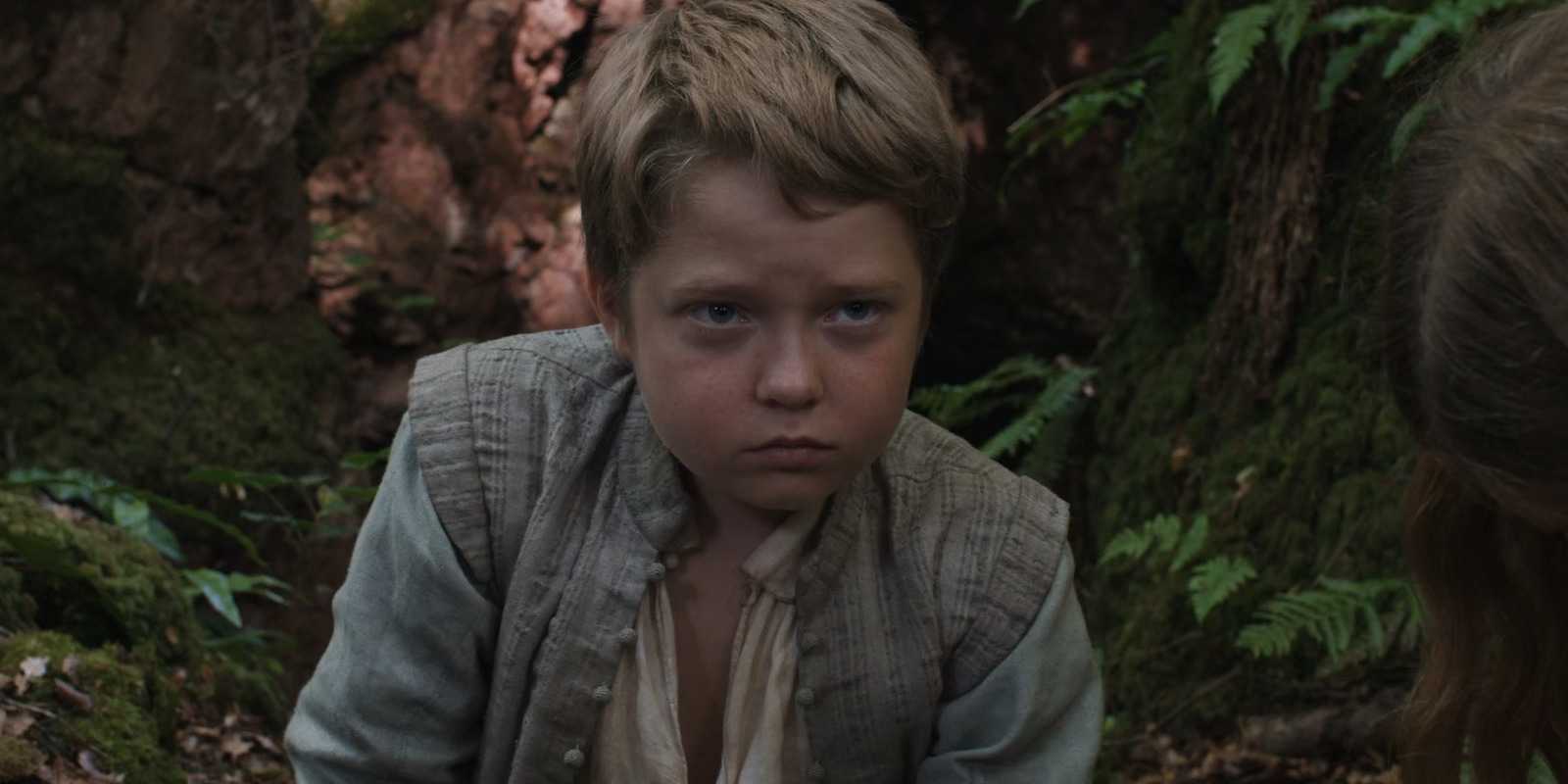
As a result, when the miserable hour of Hamnet’s agonizing death arrives, Agnes finds herself alone, without her husband to share the weight of the wound. For the same reason, she grows resentful of Will and lashes out at him, accusing him of caring more about his artistry and ambitions than his own family. Her reaction is a misplaced manifestation of her grief and ends up determining the future of their diminishing relationship. As such, when Agnes first learns about Will’s play, ‘The Tragedie of Hamlet,’ her initial response is one of anger and irritation. She feels like her grief over her son’s death is being misused as creative fodder in the service of her husband’s ambition. Nonetheless, once she actually watches the entire play, she realizes that it is, in part, a wishful fantasy in which Will swaps places with his son, allowing Hamnet to live out a full life as Hamlet, even if it is for a few hours on a stage.
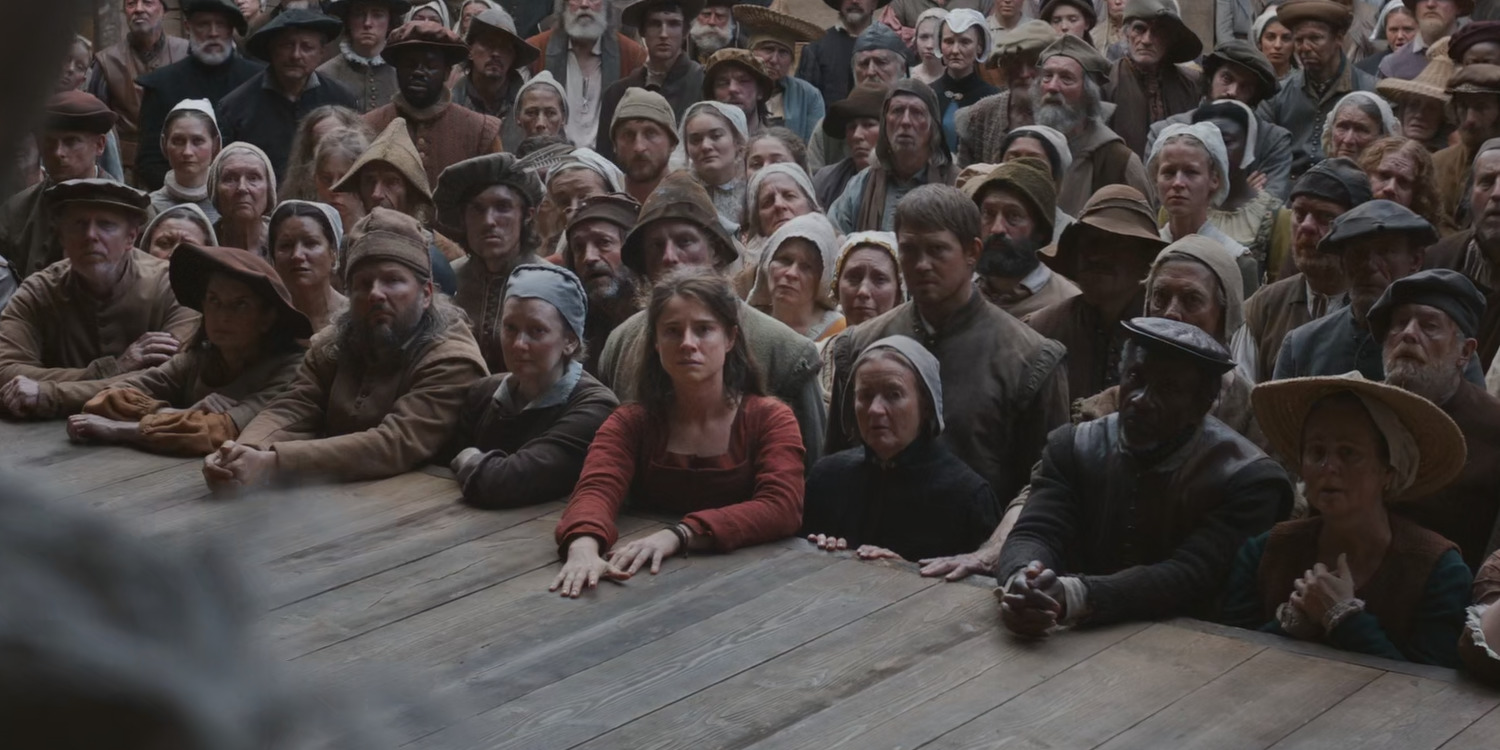
Additionally, the play in itself weaves such a beautiful story that it moves Agnes on a spiritual level. It finally allows her to accept her son’s tragic death without drowning under the weight of her own emotions. She sees Will’s hopes and dreams for his son attached to the character on stage and feels the depth of her husband’s grief. Furthermore, she’s moved by the reactions of the fellow theatergoers who each find their own catharsis in the tragedy. Agnes realizes that Will has just immortalized their son through his work. In fact, she even sees the phantom of Hamnet walking off the theater’s stage at the end of the play, which marks the mother’s first steps toward accepting her son’s passing. Thus, in that moment, her laugh, the first expression of joy we see from her since Hamnet’s death, becomes a symbol of a cathartic release from a period of overwhelming grief.
Orpheus and Eurydice’s Influence on Will and Agnes’ Love Story
Early on in the play, Will comes out on the stage as the ghost of Hamlet’s father, perpetually haunting the narrative from beyond the grave. During this time, there’s a moment where he almost walks off-stage, turning his back on the audience, and subsequently his wife. As this happens, Agnes asks the playwright to “look at her.” This instance is a callback to one of the earliest moments in the duo’s story. In the early days of their meeting, when Will first tries to spend time with Agnes and tells her he’s lousy at making conversation, she urges him to tell her a story. In turn, he recounts the story of Orpheus and Eurydice. The pair of tragic lovers from Greek mythology are characters in a devastating story about love, loss, and grief.

In the story, after Orpheus and Eurydice’s marriage, the latter ends up dying from the venomous bite of a viper. In his grief, her husband journeys to the Underworld in a bid to take her back with him to the land of the living. Hades, the ruler of the Underworld, allows him a chance to win his love back. Orpheus has to walk out of the Underworld back to the land of the living with Eurydice following behind her. Throughout their journey, he can’t look back at her, or he will lose her forever. The legend has seen many iterations over the years; however, every version shares the same tragic ending. Orpheus, overwrought with the fear of his wife not being behind him, turns around and seals their fates.
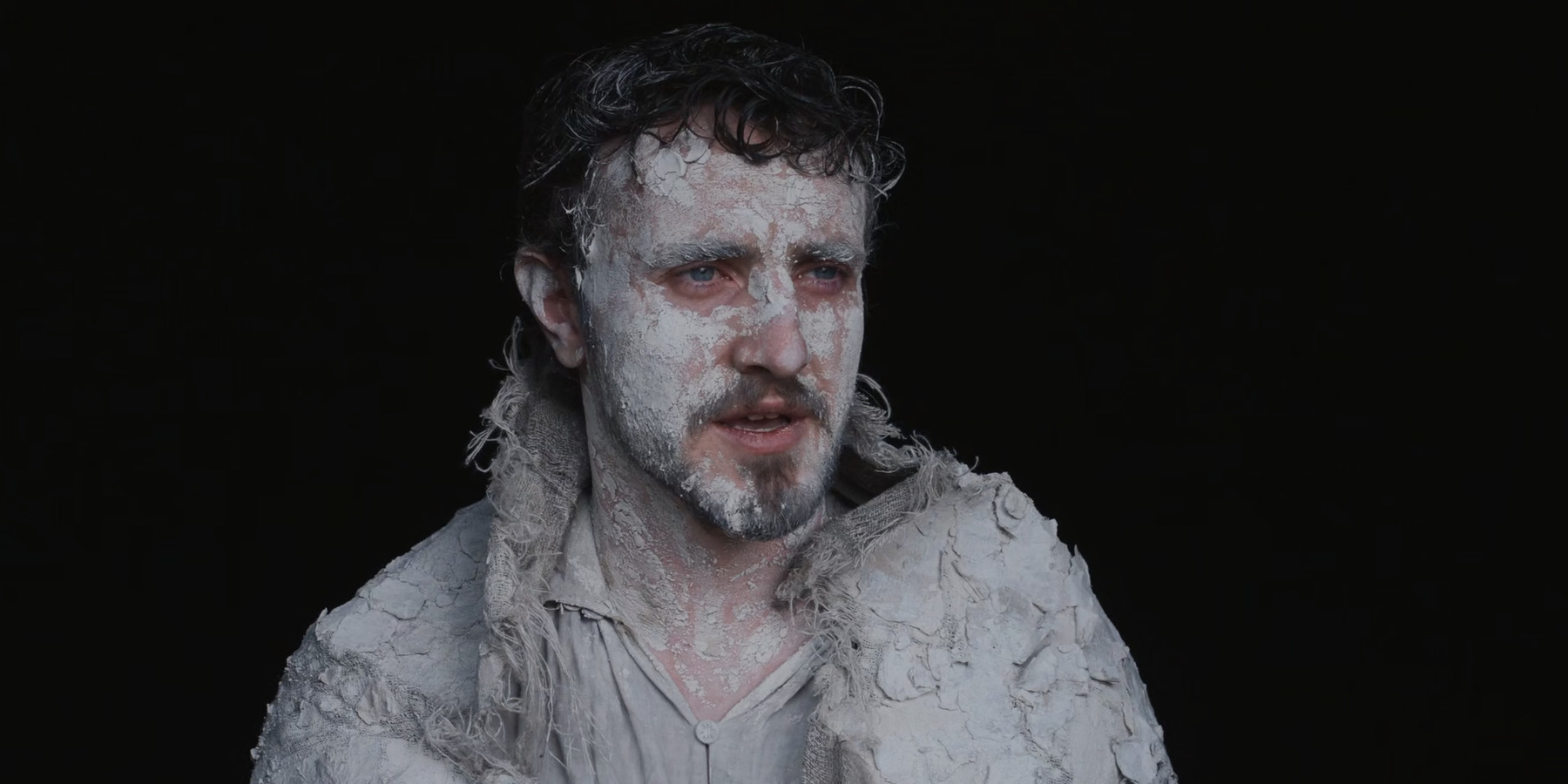
This fatal flaw of the Greek hero is a symbol of the profound love Orpheus had for Eurydice. When she calls, literally or metaphorically, for him to turn around and look at her, he can’t ever deny it. For Will, Agnes’ demand for him to “look at her” holds the same gravity. Ever since Hamnet’s death, the spouses have been drifting further and further away. However, his play helps his wife understand the tangible reality of his own grief. Her call after him signifies her willingness to put an end to their estrangement and share in each other’s mounting grief. The reference to Orpheus and Eurydice, too, is intentional due to the significance it holds in the story of the healer and playwright. Much like how Orpheus proves his love for Eurydice by turning around in the Underworld, knowing it will damn him, Agnes wants Will to cement his love for her even if it opens them up to a future of shared pain and sorrow.


You must be logged in to post a comment.