
 Abhiroop Das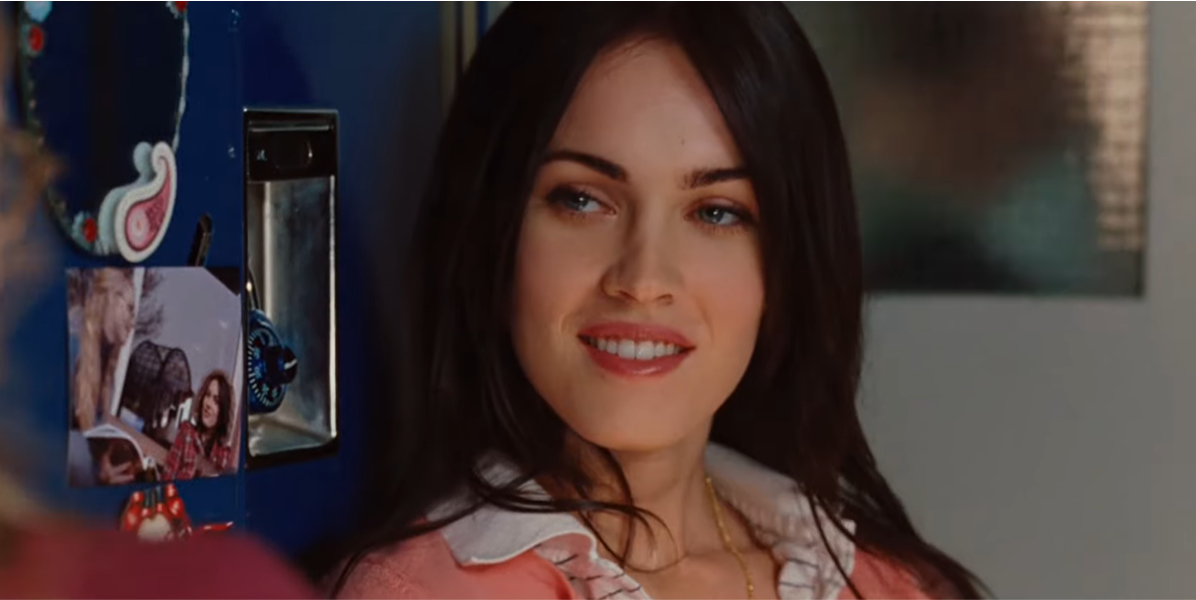
Helmed by Karyn Kusama, ‘Jennifer’s Body’ is a horror comedy movie that zooms in on a small town by the name of Devil’s Kettle, where high schooler Anita ‘Needy’ Lesnicki leads an ordinary life with her extraordinary best friend, Jennifer Check. As the apple of everyone’s eye, Jennifer feels the need to be sociable and hip at all times, and when members of an indie band force her to join them after a fire breaks out during their concert, she can hardly say no.
However, when Jennifer returns, only Needy can tell that something is wrong and potentially connected to a string of murders that have been taking place every month. Before long, we learn that Jennifer has undergone a supernatural transformation and is now on a single-minded path of retribution. In telling her story, the movie taps into the essence of youth friendships and anxieties, all wrapped up in a supernatural mystery.
Jennifer’s Body is Diablo Cody’s Woman-Centric Subversion of Horror Storytelling
‘Jennifer’s Body’ is a fictional tale penned by Diablo Cody, with director Karyn Kusama bringing it to the screen. While the story’s overt supernatural elements place it in the realm of fantasy, much of its thematic depth stems from Cody and Kusama’s shared perspective on life and the horror genre. In an interview with Reuters, Cody expressed, “Karyn Kusama and I are both outspoken feminists. We wanted to subvert the classic horror model of women being terrorized.” To that end, she ventured to create not just a film that follows a female perspective but reimagines the role of women across cinematic storytelling.

When it came to seeking inspiration for ‘Jennifer’s Body,’ Cody began digging into horror cinema and identified some recurring themes. One movie in particular, ‘The Lost Boys,’ became a major influence, with Cody applying the same principles, and in some cases subverting them, for her own film. In a conversation with Movies Online, she recalled noticing that, often, “the last survivor standing in the typical horror film is a woman.” Because of that observation, she came to theorize that “horror has always had kind of a feminist angle to it in a weird way and, at the same time, it’s kind of delightfully exploitative.” It is in reconciling these two perspectives that a project like ‘Jennifer’s Body’ finds its identity.
Diablo Cody’s Interest in Dissecting Teenage Experiences Gives Jennifer’s Body Its Edge
Another reason Cody felt compelled to write the film was to innovate new ways of depicting female bonds. Using her own childhood as a reference, she noted, “The friendships that I had as an adolescent had this unparalleled intensity.” She expanded on that inspiration in an interview with AfterEllen, where she discussed her teenage experiences with her female friends and how she almost found them romantic. “I wanted to sleep at my friend’s house every night, I wanted to wear her clothes, and we would talk on the phone until our ears ached. I wanted to capture that heightened feeling you get as an adolescent that you don’t really feel as a grownup,” she added.
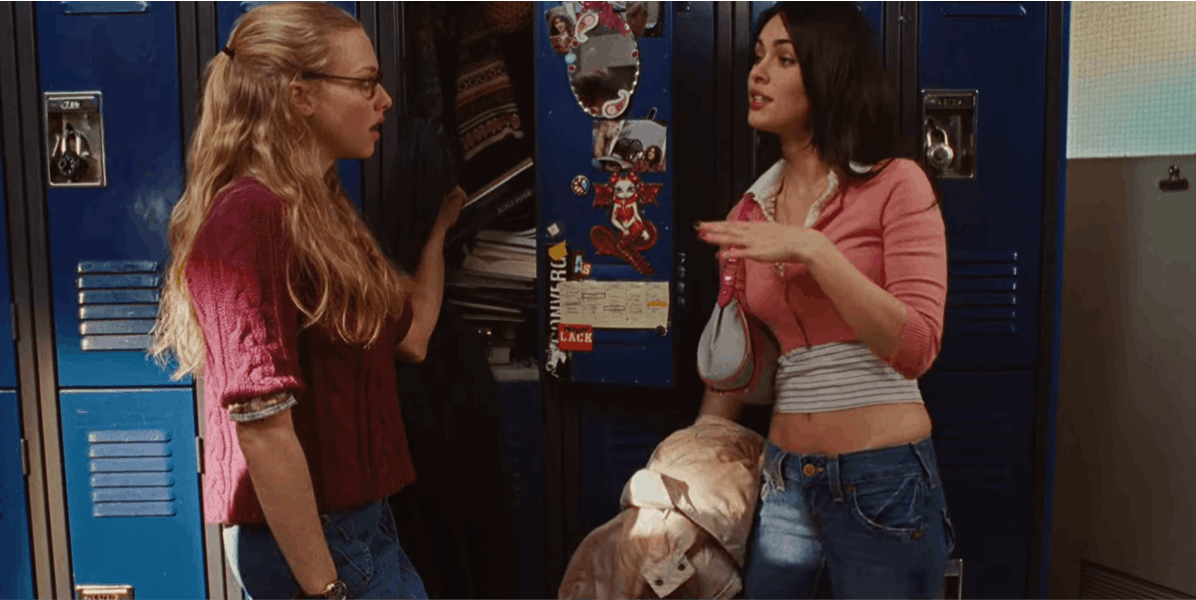
With the story of Jennifer and Needy, Cody intended to probe deeper into such dynamics and connect them to the concept of parasitism. On a related note, the writer and her team also wanted to connect the story to the experience of puberty, which is why the movie begins with the words, “Hell is a teenage girl.” Cody also opined that the complex emotions teenage girls feel during high school often re-manifest as they “mature into young women.” When connecting that idea to the movie’s supernatural elements, she pointed to one scene in particular, in which Jennifer sits alone, crying, while applying makeup. Cody recalled thinking, “She (Jennifer) is so vulnerable. I don’t know any woman who hasn’t had a moment sitting in front of the mirror and thinking, ‘Help me, I want to be somebody else.'”
While the interpersonal dynamics of ‘Jennifer’s Body’ might have a loose basis in Cody’s own experiences and understanding of such ideas, there is also a larger social commentary at play. To that end, Cody described Jennifer, and by extension, the movie, as a product of the cultural realities of the time, where she found that girls are pressured to fit into arbitrary beauty standards. Following up on that, she expressed hope that the movie would inspire young girls to lead lives of their choice. Though the larger narrative is invented in nature, its social commentary has proven itself to be ahead of its time, and continues to embed the movie in a sense of realism.
Read More: Is Half Man Based on a True Story? Are Niall Kennedy and Ruben Pallister Based on Real People?


You must be logged in to post a comment.