
 Abhiroop Das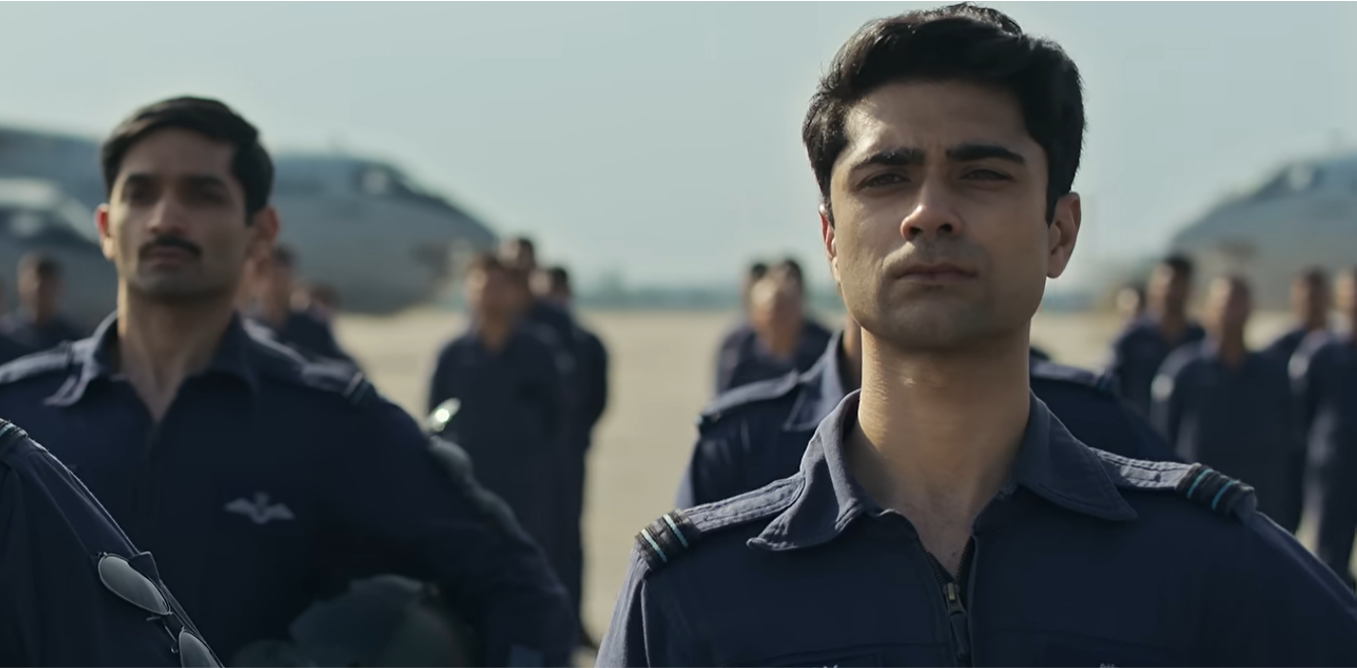
Created by Abhijeet Singh Parmar and Kushal Srivastava, Netflix’s ‘Operation Safed Sagar: The Untold Story of the Kargil War’ is a fictionalized rendition of the 1999 Kargil War, fought between India and Pakistan, which saw aerial combat unlike any in history. Fittingly, our lens into this war drama series is a group of young, promising Indian Air Force pilots who comprise the No. 17 Squadron, better known as the Golden Arrows. Trained for aerial reconnaissance, the squadron soon finds itself in the heart of a complicated battle, one that pushes all characters to their limits. Jitendra Singh “Sangy” Sangwan is one such character, and over the course of several episodes, we see him become a courageous pilot who embodies the spirit of his country.
Jitendra Singh Sangwan Served in the Golden Arrows During the Kargil War of 1999
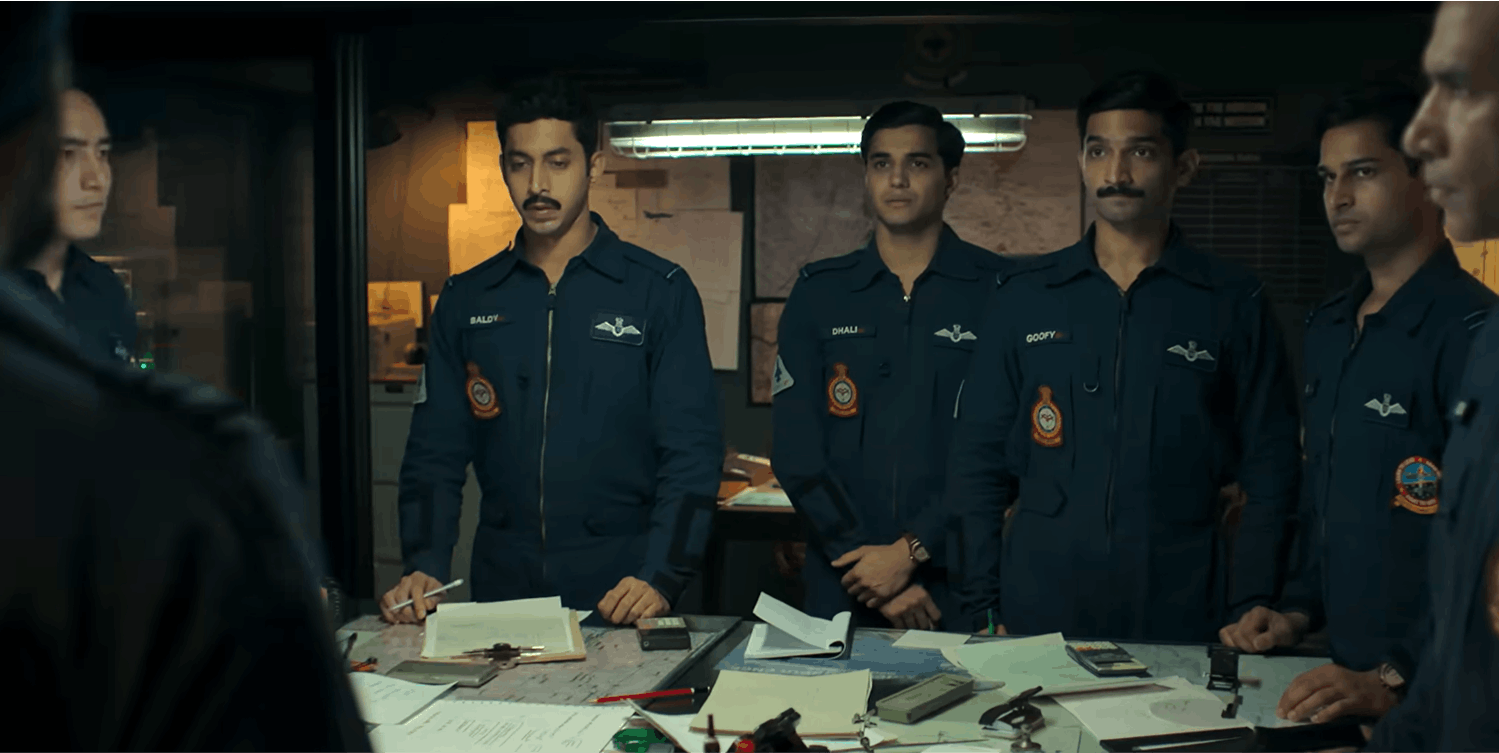
The character of Sangy in ‘Operation Safed Sagar’ is based on the real-life Jitendra Singh “Sangy” Sangwan, who was a flight lieutenant serving in the famous No. 17 Squadron when the Kargil War began in 1999. Like many of his fellow officers, Sangwan has remained largely outside the public spotlight, but given how much research goes into depicting the experiences of characters like RS “Dhali” Dhaliwal and Bal “Baldy” Reddy, it is safe to say that what we see of Sangwan is also loosely rooted in reality. After completing training at the National Defense Academy, he got commissioned into the Indian Air Force on June 17, 1995, and by the following year, he had already been promoted to flying officer. Belonging to the generation of pilots who joined the force only a few years before the war, Sangwan faced a unique set of challenges but overcame them.
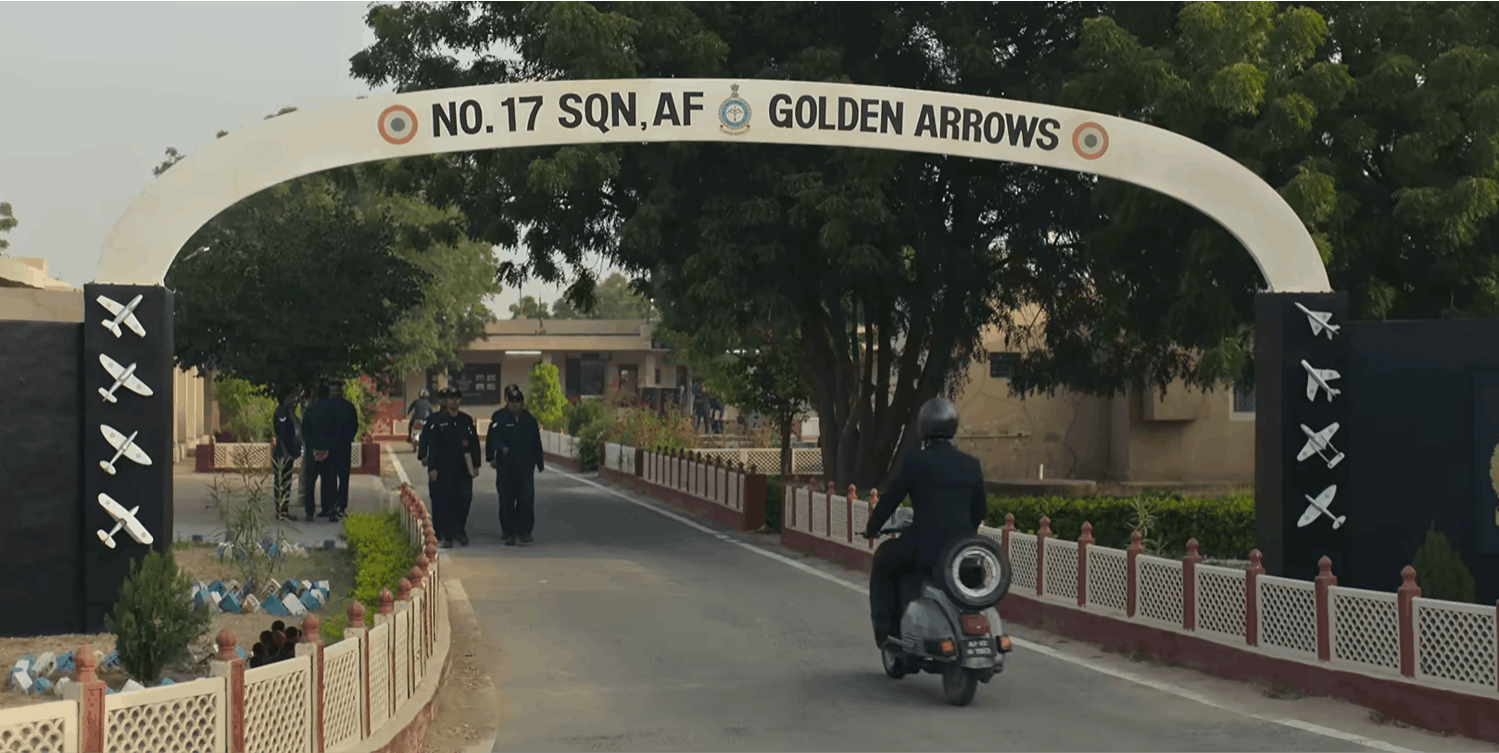
In 1999, Sangwan was one of the key pilots in the Golden Arrows Squadron, led by Wing Commander Birender Singh “Tony” Dhanoa, and already had extensive experience flying MiG-21 Type 96 fighters. When tensions over the Line of Control began to rise, several pilots from the Golden Arrows were summoned from Air Force Station Bhisiana before the squadron deployed north, and Sangwan was most likely among them, if not assisting Flying Officer Bal “Bal” Reddy, back at the base with operational duties. By May 26, 1999, however, the entire squadron had made its way to the force’s Srinagar base, where it began preparations for Operation Safed Sagar.
Jitendra Singh Sangwan Retired From the IAF in 2017 and Joined the Border Security Force
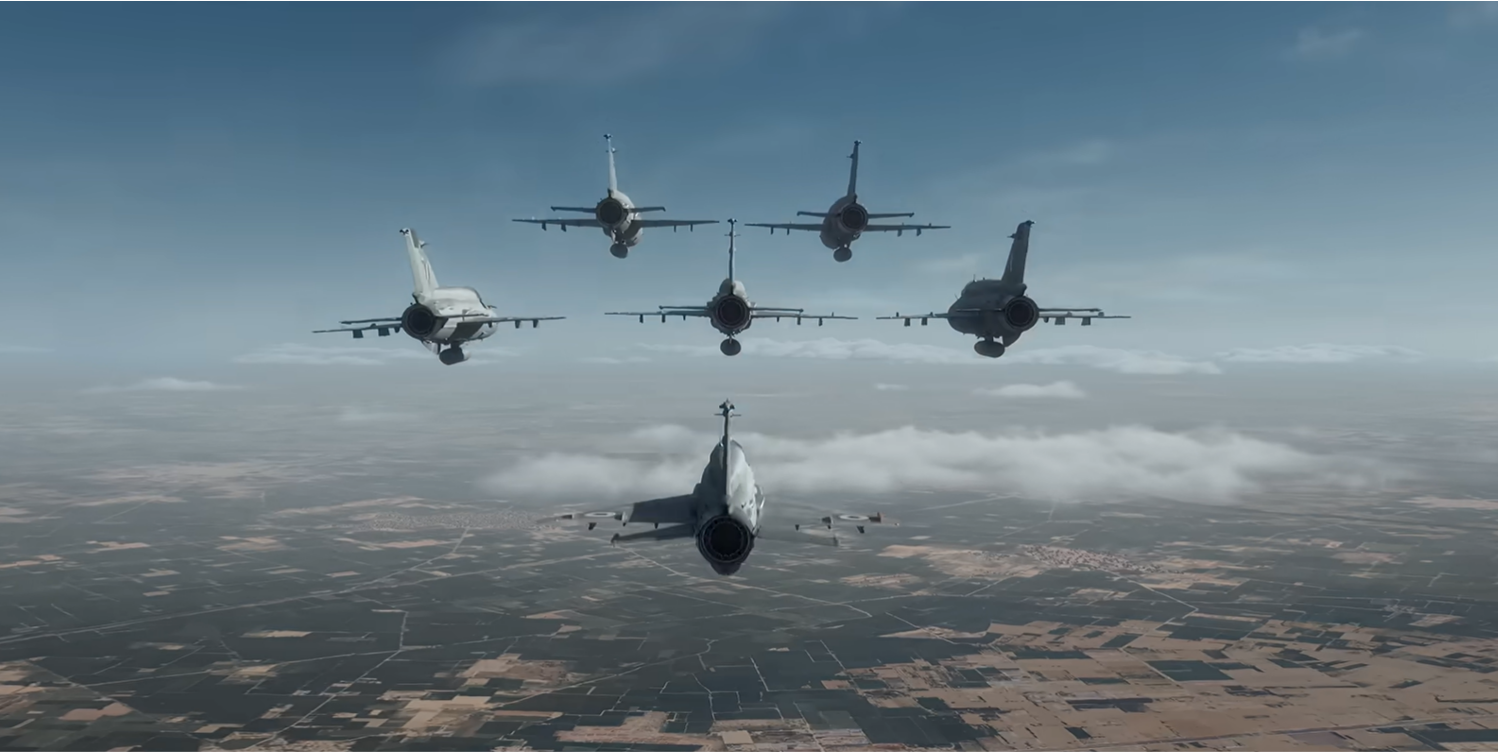
Following the launch of Operation Safed Sagar, Jitendra Singh “Sangy” Sangwan and his team conducted a number of successful aerial operations across the Line of Control, identifying infiltrators’ bases, routes of communication, and ammunition centers. Bombing missions began on June 3, with the Golden Arrows employing several novel strategies and complex formations to seamlessly complete their sorties. On June 27, the Indian Air Force was given a green light for night bombing, and that marked a decisive turning point for the war. In the coming days and weeks, the Indian Defense Forces successfully recaptured all the peaks that had been occupied, and India declared victory on July 26, 1999, a date that has come to be commemorated as the Kargil Vijay Diwas.
Following the Kargil War, Sangwan continued his military aviation career for nearly two decades, rising to the rank of a Flight Commander. Additionally, he also qualified as a ‘Category A’ Qualified Flying Instructor and Lead Test Pilot. His expertise in the field led him to play a major role in the selection of the RAFALE Aircraft in 2009-10, a decision that bore fruit in 2020, when the French aircraft were formally inducted into the Indian Air Force. Sangwan bade the IAF goodbye in 2017, and on September 5 of the same year, he was appointed Commandant/Pilot in the Border Security Force Air Wing.
Jitendra Singh Sangwan’s BSF Tenure Later Became the Subject of a Controversy
In August of 2019, Jitendra Singh “Sangy” Sangwan found himself in the center of controversy after the BSF alleged that false emails had been sent in the name of a senior officer recommending that Sangwan fly an aircraft meant to carry Union Home Minister Amit Shah. According to the complaint, L&T, an engineering company, allegedly received fake emails from the Air Wing of BSF recommending Sangwan as a pilot for VIP movement, claiming that he had 4,000 flying hours under his belt, four times the minimum required amount for clearance. However, Sangwan was stopped from flying Amit Shah from Chennai to Delhi, and a preliminary investigation found that he had misrepresented his total flying hours and impersonated the email of a senior colleague.
Days after the impersonation allegations surfaced and a complaint was filed against Sangwan, he sent in his resignation letter to the BSF in the first week of September. However, he was denied on the grounds that a departmental inquiry against him was still ongoing. Later that month, he followed it up with a second request, this time for voluntary retirement. According to court records, Sangwan had stated that limited flying opportunities within the BSF were hindering his ability to accumulate the flying hours required for promotion.
In 2020, Sangwan withdrew his retirement request and approached the Delhi High Court, alleging that the BSF had failed to set up a Departmental Promotion Committee to consider his promotion to Deputy Inspector General. On November 9, 2020, the Delhi High Court ruled that a promotion cannot be granted for Sangwan without fulfilling statutory eligibility criteria, that is, a minimum of 1000 flying hours. At the same time, the court directed the BSF to consider the petitioner’s request for rule relaxation in a time-bound manner. Sangwan has chosen to keep his personal life private, but his on-screen rendition in ‘Operation Safed Sagar: The Untold Story of the Kargil War’ continues to serve as a unique glimpse into the Kargil War.


You must be logged in to post a comment.