
 Abhiroop Das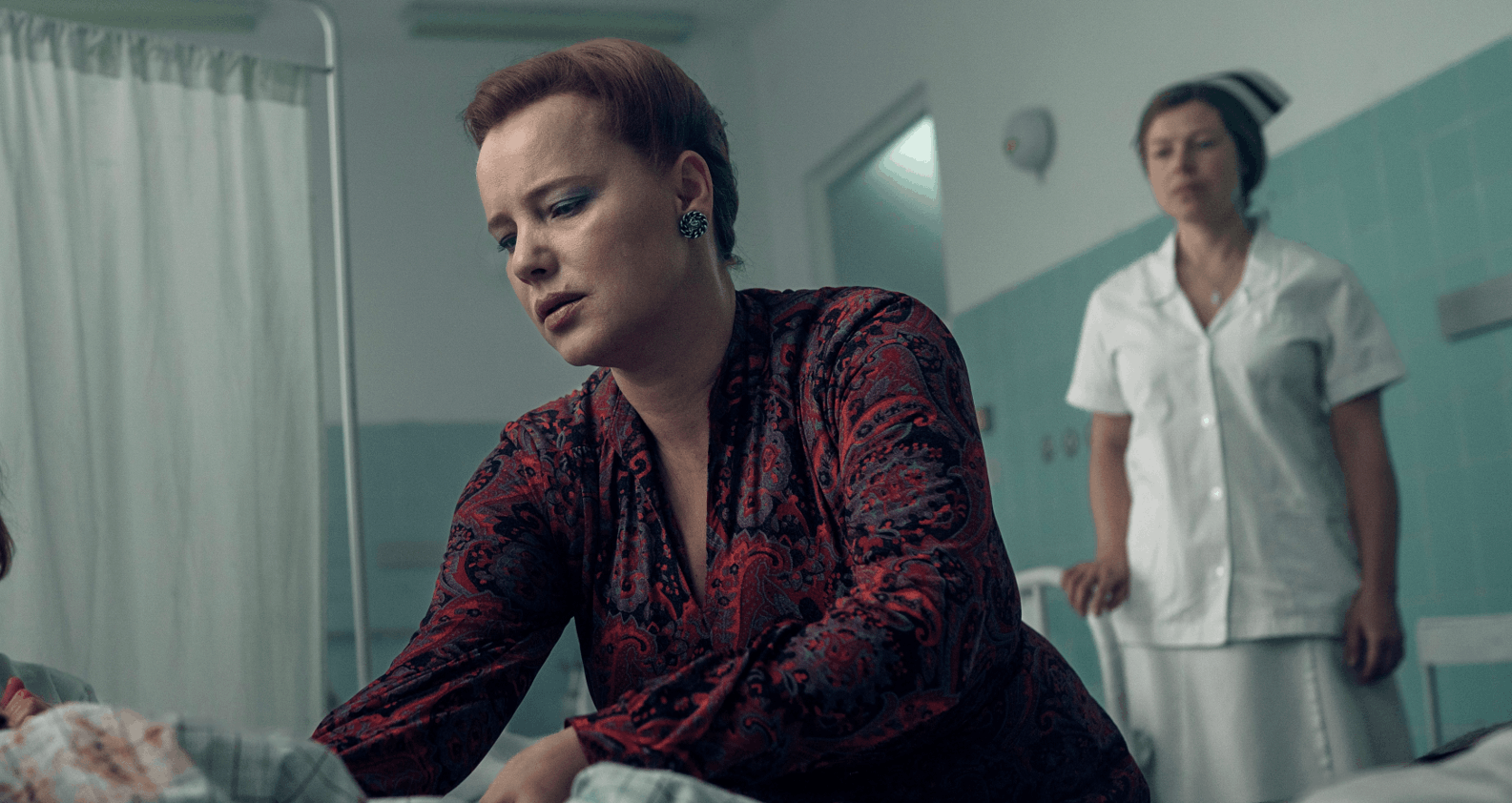
Helmed by Maciej Pieprzyca, Netflix’s ‘Lead Children,’ also called ‘Olowiane Dzieci,’ follows a young doctor named Jolanta Wadowska-Król, who in the early 1970s makes a horrific discovery: the sharp rise in child sickness in her local community of Szopienice is directly connected to the lead emissions from the town’s largest smelter factory. However, given that the same industry feeds hundreds of people in the region, sounding the alarm proves much harder than expected. Jolanta also finds an opposition in the form of the authoritarian leadership, who much prefer burying the truth and ensuring their legacy. At its core, the Polish drama series depicts Jolanta’s courage as she takes a stand against the imminent health disaster all by herself, even when her own life is put in danger.
Lead Children is Based on the Real-Life Lead Poisoning Crisis in Poland’s Katowice City
While ‘Lead Children’ is adapted from the eponymous novel by Michal Jedryka, it is nonetheless a dramatization of a real health crisis that unfolded in 1970s Poland. From the 19th century onward, the Szopienice district of Katowice, in the Upper Silesia region, became a booming industrial hub that specialized in zinc and lead smelting. Following the reorganization of nationalized industries in the 1970s, the district’s main production center was renamed Szopienice Nonferrous Metals Smelter. While it shaped and employed the majority of the town’s population, the smelter’s adverse effects rippled throughout the thousands of people who called the region home. According to reports, the subsequent atmospheric emissions and dustfall led to severe local contamination, which, over time, began to manifest as a health crisis.
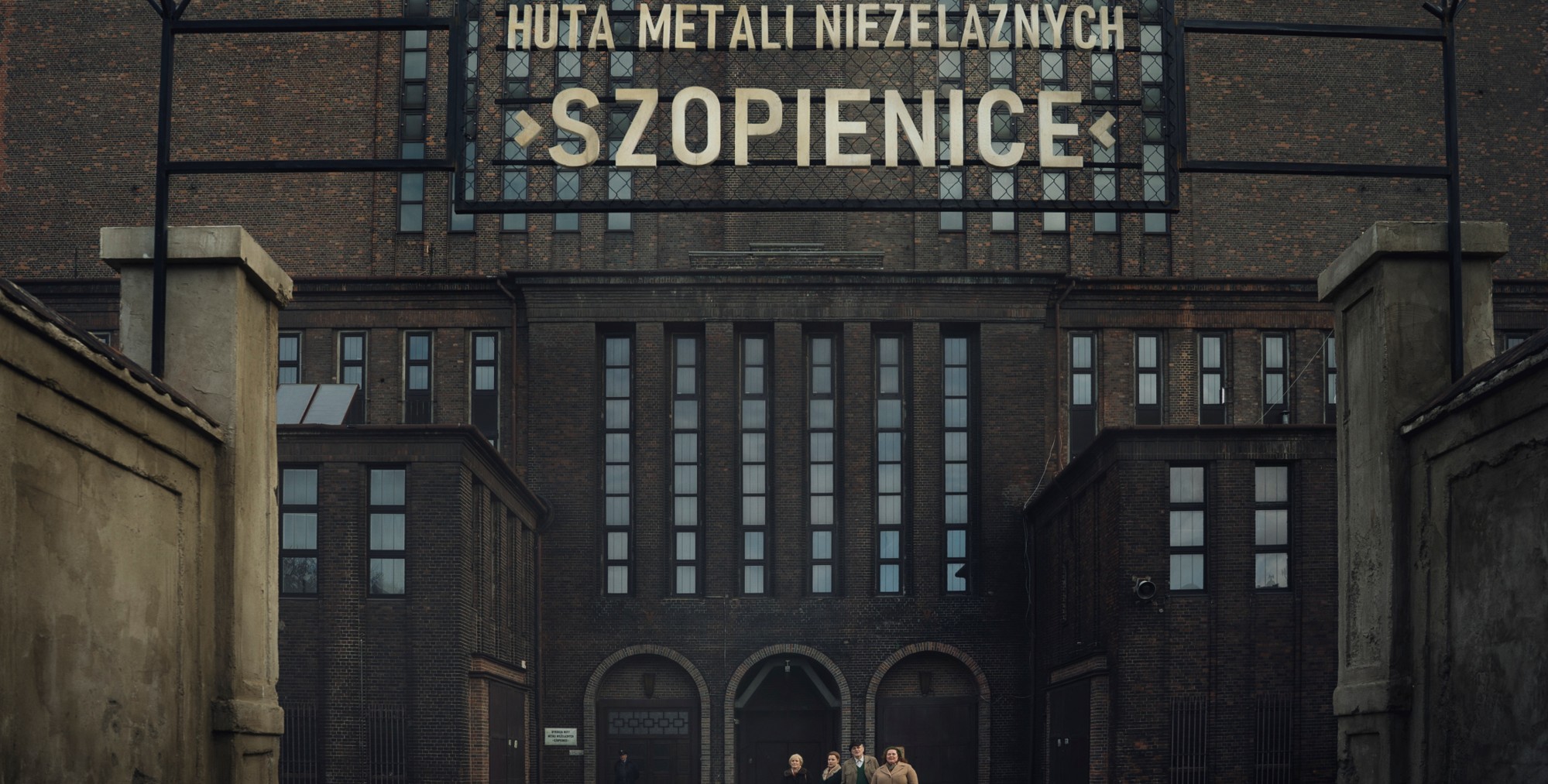
Research into the soil profiles of smelter neighborhoods revealed concentrations of metals, such as zinc and cadmium, reportedly more than 100 times the average. In the samples taken from the Szopienice housing estates, lead concentration ranged between 8,000 and 12,000 mg/kg (milligrams per kilogram) as compared to the average value of 18 mg/kg in other regions in Poland. The staggering rise in pollutants was felt most closely by the families that lived next to the factories, with children often being the most affected. A study conducted in 1998 measured blood lead concentrations in 211 children from Katowice and reported readings as high as 1.9 μmol/L, almost four times the level at which metals begin to have a negative effect on mental development.
Dr. Jolanta Wadowska-Król Saved Thousands of Lives by Pushing For Awareness
Dr. Jolanta Wadowska-Król was working as a paediatrician at the District Clinic in Szopienice when she first noticed symptoms of lead poisoning, also known as saturnism, in a number of children. Upon realizing the severity of what was unfolding, she presented her primary findings to Professor Bożena Hager-Małecka, who headed the Paediatrics Clinic at the Silesian Medical University in Zabrze and reportedly also held sway in the Polish Parliament. From there, the duo began to closely monitor different regions in Katowice, simultaneously measuring the extent of the contamination, while also treating the many children who were affected by it.
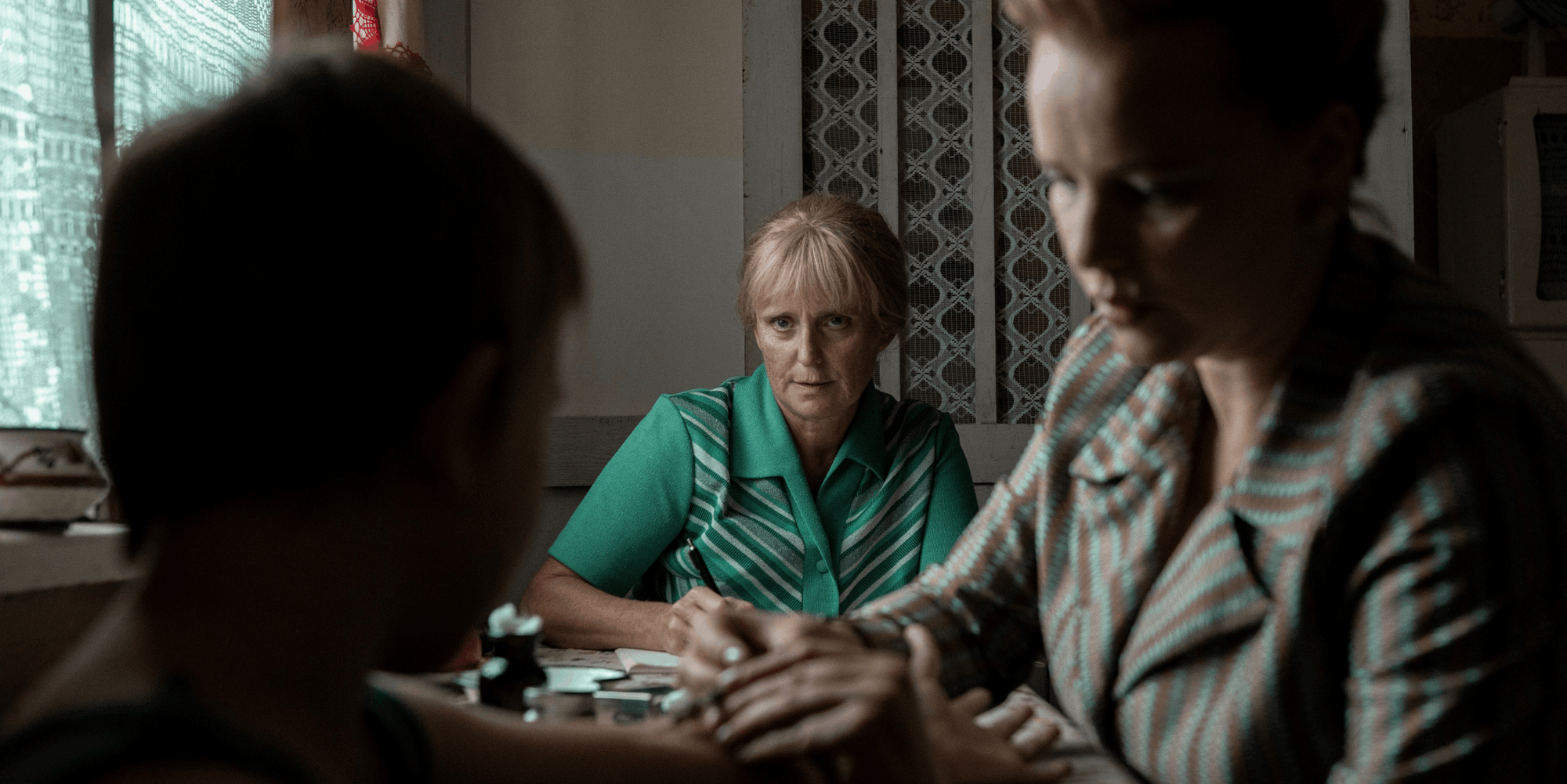
While Jolanta’s warnings were initially met with a mixed reaction, things changed in 1974, when she reportedly delivered a speech that made the lead crisis known far and wide. In response to the findings, several families in Szopienice volunteered for a preventive relocation of as many as 140 children to mountain sanatoriums, also known as prewentoriums. These measures continued for the next 6 months, saving numerous lives, but also attracting stiff resistance from authorities. RMF FM reported that the Polish government officials tried to silence Jplanta’s work on many occasions, and a dramatization of this push and pull constitutes several key sequences in the show.
Jolanta’s doctoral thesis, which studied the effects of lead pollution on the people of Katowice, was rejected at the Medical University of Silesia. It is believed that she was blocked by the authorities in an effort to hide the truth from the public, but that didn’t stop her from pushing for the just cause. To that end, the show also features a fictionalized version of the Soviet leader Leonid Brezhnev’s visit to Katowice on July 20, 1974, highlighting how the health crisis kept piling up behind the scenes.
Lead Children’s Narrative is Also Informed by Writer Michal Jedryka’s Life
In the show, Jolanta finds solidarity in the form of a women’s union, which fights tooth and nail to secure the health and safety of themselves and their families. In reality, a similar turning point was reached in 1975, when the authorities, under public and political pressure, ordered the demolition of several buildings or “marketplaces” like Targowisko, which were among the most contaminated zones. The residents were resettled and tended to, with Szopienice’s crisis, and eventually, Jolanta’s valiant efforts, being recognized and studied worldwide.
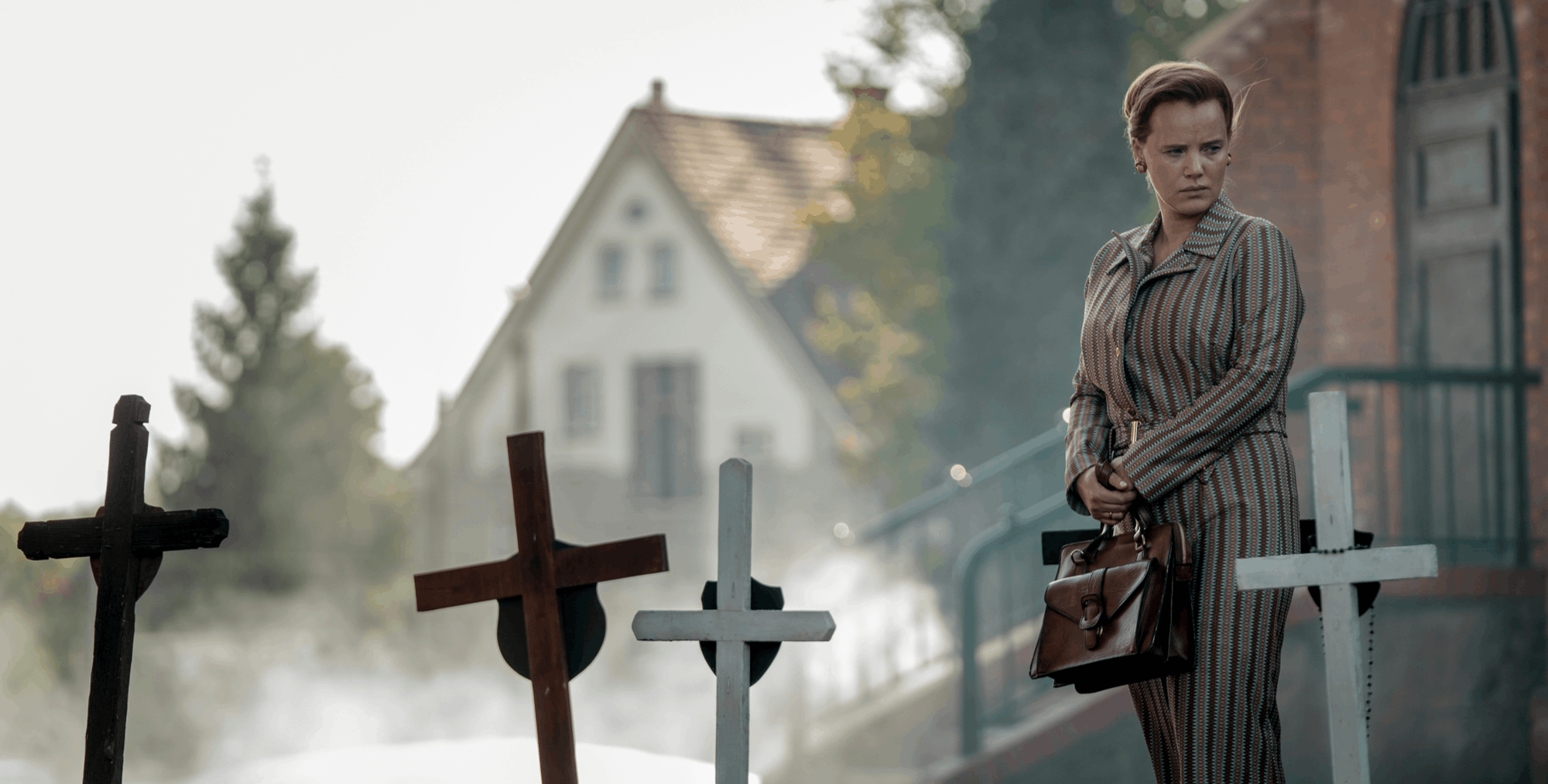
In adapting the true story of 1970s Katowice to the screen, the show’s writer, Jakub Korolczuk, likely relied on both historical records and the detailed account of novelist Michal Jedryka. It is important to note that Jedryka himself was born in a Silesian neighborhood and experienced lead contamination. Thus, his work is simultaneously a sweeping historical narrative and a deeply personal perspective on life in that time and place. The show perfectly captures this idea, not just through its recreation of the setting, but also through its powerful lead performances. Actor Joanna Kulig, who plays Jolanta, told Netflix that she was moved by the courage and persistence her character displayed. Kulig also praised the show’s ability to put us in Jolanta’s shoes and ask the same burning questions that she once did.
Read More: Is Unfamiliar a True Story? Are Simon and Meret Based on Real Spies?


You must be logged in to post a comment.