
 Abhiroop Das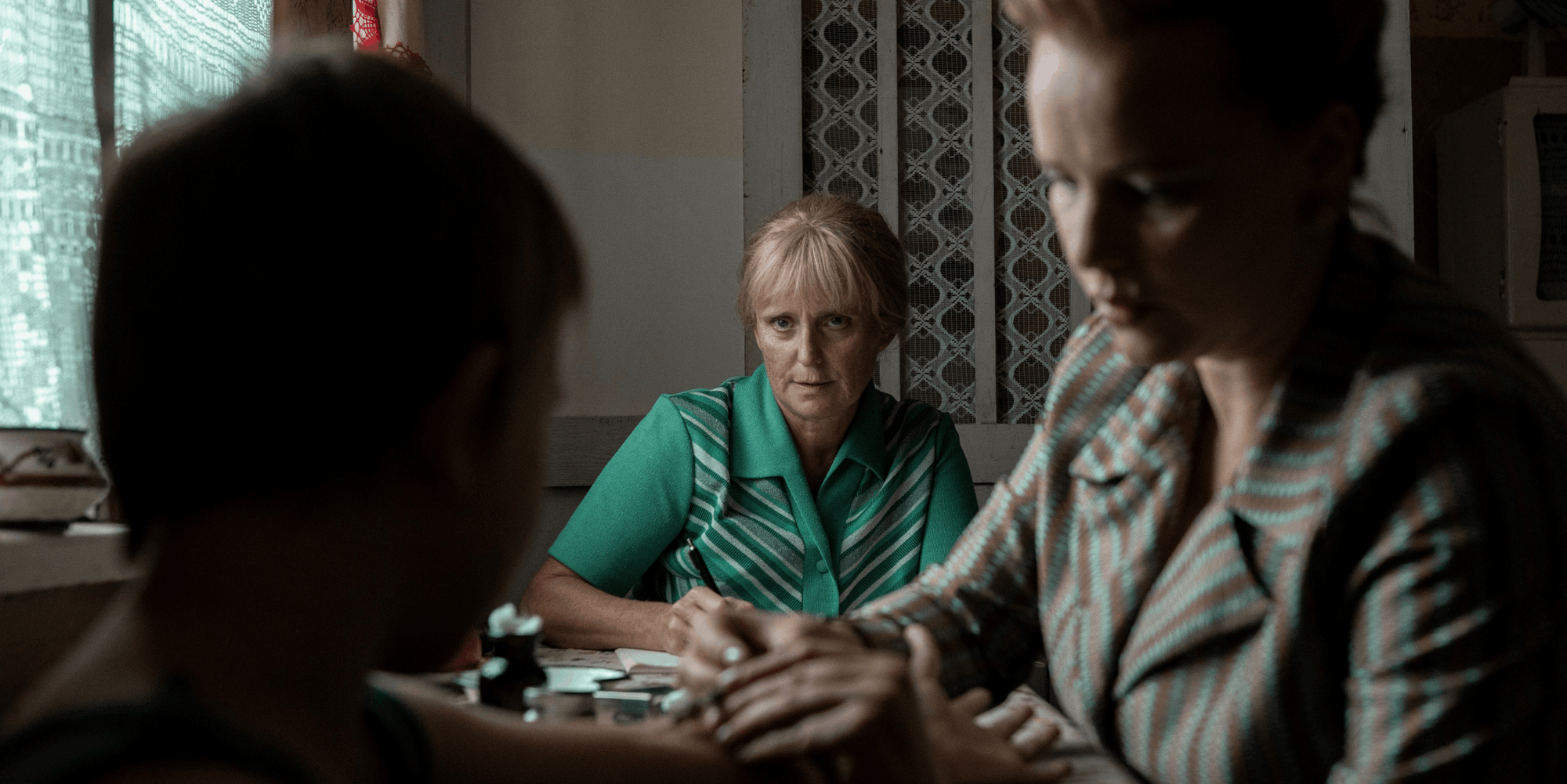
Helmed by Maciej Pieprzyca, Netflix’s ‘Lead Children,’ also known as ‘Olowiane Dzieci,’ steps into the shoes of a young doctor named Jolanta Wadowska‑Król, who in 1974 discovers that some of her child patients are exhibiting symptoms of severe lead poisoning, also known as saturnism. Alarmed, Jolanta reaches out to her superiors and authorities alike, and while she is initially allowed to look deeper into the problem, shadowy figures soon begin targeting her and her work. Faced with an ever-expanding problem, Jolanta draws support from her near and dear ones, who join her in the quest to save as many lives as possible. Among these is nurse Wiesia Wilczek, who assists Jolanta in not only treating those who are sick but also in saving hundreds of children from a much worse fate.
Wiesia Wilczek is a Dramatized Version of a Real Nurse Who Worked With Dr. Jolanta
The character of Wiesława “Wiesia” Wilczek in Netflix’s ‘Lead Children’ is based on the real-life Wiesława Wilczek, a nurse who worked alongside Dr. Jolanta Wadowska‑Król in 1970s Poland. While not much is known about her early days, we know that she was working at the District Clinic in Szopienice when the first cases of lead poisoning began to emerge. When further examination at the Silesian Academy of Medicine in Zabrze confirmed these findings, Wilczek reportedly joined Jolanta on the frontline, helping her screen as many as 5000 children who were at risk of lead contamination. As per reports, they also traveled door to door, handing out notices and referrals to town residents. The show is largely faithful in its adaptation of their dynamic, while also adding some dramatic beats in line with the scope of the narrative.
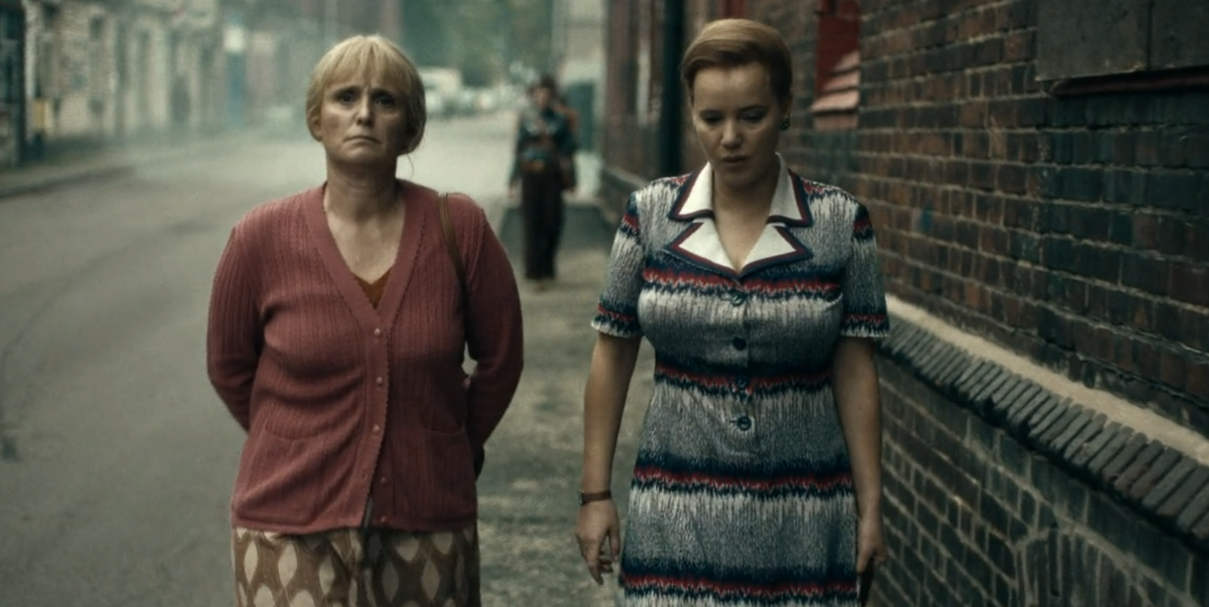
Although Wilczek, along with Jolanta and Professor Maria Hager-Małecka, tirelessly pushed for increased awareness of lead pollution and its harmful effects, their path wasn’t one without hurdles. According to reports, they faced continuous opposition from the authorities overseeing the local smelting plants. As a result, Wilczek and Jolanta had to carve out an alternative plan, which reportedly involved the preventive relocation of more than a hundred children from Szopienice to various mountain sanatoriums. This move marks one of the most moving plot beats in the show, and while the on-screen events are dramatized to an extent, they help shine a light on Wilczek’s contributions to these courageous endeavors.
Wiesława Wilczek is Recognized as a Local Hero For Saving Lives
In 1975, authorities responded to mounting public pressure and scrutiny by demolishing houses in contaminated areas around the Szopienice smelter, after which several families were provided with new, safer housing. While this marked a significant victory for Wilczek, her journey was far from over. It is likely that, much like Jolanta, she continued serving as a healthcare professional in Katowice, providing follow-up care for those affected by lead poisoning while also raising awareness about the cause. In the late 1980s, when Jolanta’s work began to receive renewed attention, Wilczek’s contribution to documenting the health crises, as well as her efforts to mitigate them, were also duly recognized, turning her into a community hero.
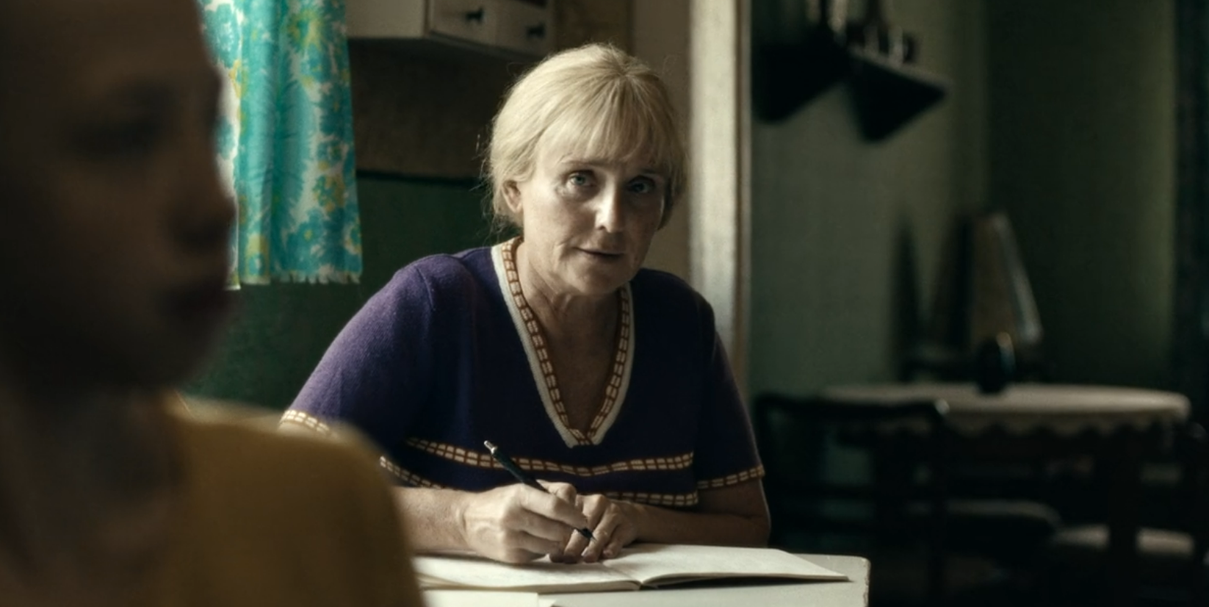
In the years following the lead contamination incident, Wilczek and Jolanta collaborated on numerous occasions to share their words of wisdom in public forums and events. In March 2023, the duo was invited to the Rolling Mill museum in Katowice to celebrate Magdalena Majcher’s novel, ‘Doktórka od Familoków,’ or ‘Doctor of the Family,’ which tells their story. Two years later, on May 7, 2025, Wilczek was invited to the Rolling Mill museum once again, this time by Jolanta’s granddaughter. There, she shared memories of her lived experiences, the challenges she endured, and the lives she saved with the help of her peers. Decades after the incident, Wilczek continues to be the shining light in any room she steps into and inspires people to take the right stand when necessary.
Read More: Where is Jolanta Wadowska-Król Now? Update on the Lead Poisoning Activist


You must be logged in to post a comment.