
 Abhiroop Das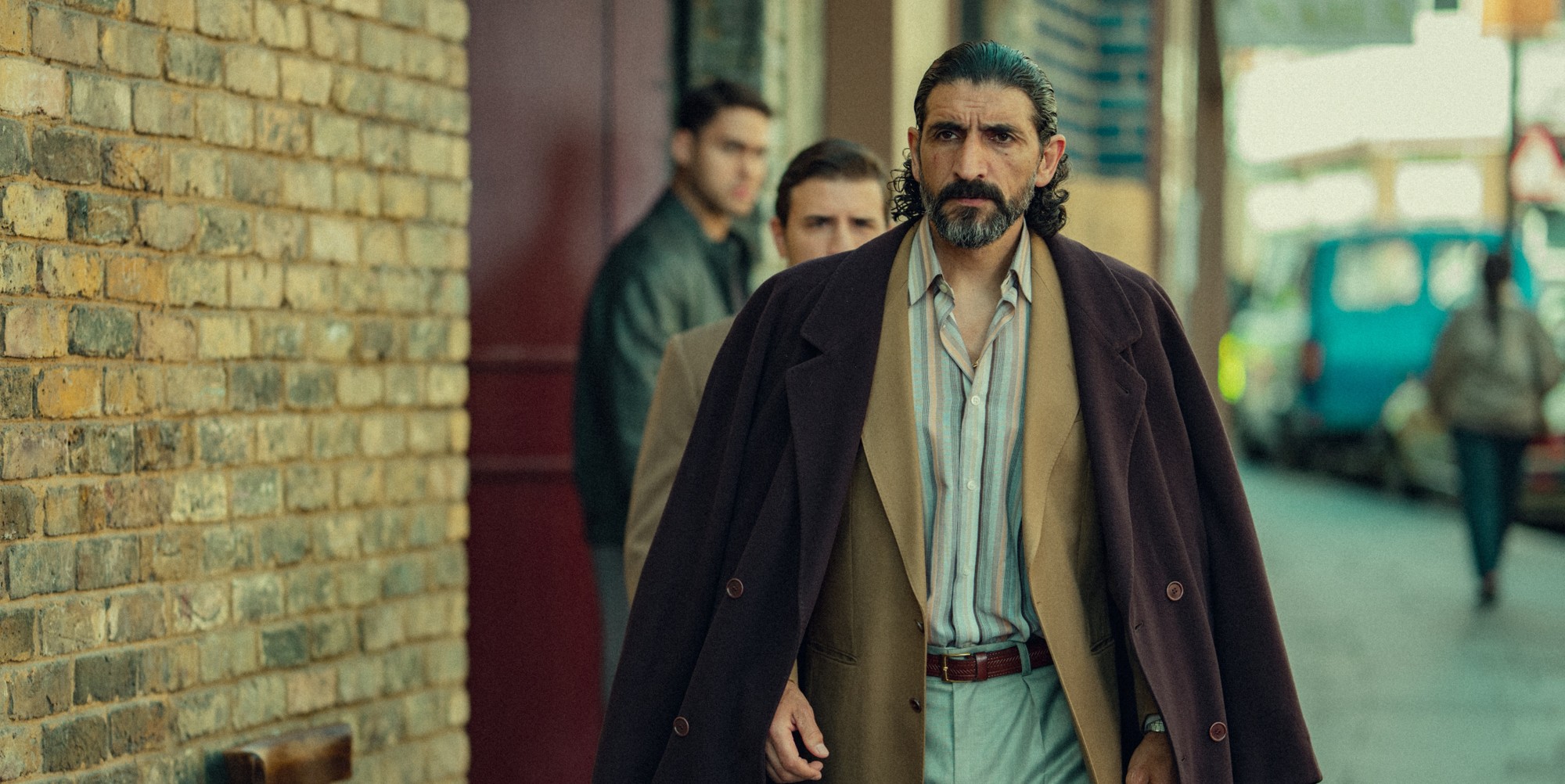
Created by Neil Forsyth, Netflix’s ‘Legends‘ follows four employees of Her Majesty’s Customs and Excise who become part of a specialized unit tasked with dismantling the UK’s growing drug empires. With limited time and resources, Don Clark, the head of operations, has no choice but to train a select few Customs employees in the ways of espionage and surveillance, all the while assigning them brand-new personas, or “Legends.” Guy, who emerges as the best trainee out of all the recruits, is given the most difficult mission of them all: to infiltrate the infamous Green Lanes Turks gang of London, and smoke out information about their hierarchies, sources, and communication channels.
As Guy dives deeper into his Legend persona and climbs his way up the ranks, he comes face to face with the gang’s leader, Hakan Ulukaya, whose aim is to rule and control the supply of drugs all over the nation. As such, Guy’s battle soon becomes one of taking down Hakan and his crew before things get out of hand.
Hakan Ulukaya is Potentially Based on Hüseyin Baybaşin, a Real-Life Kurdish Drug Lord
While writer Neil Forsyth has not confirmed any direct inspiration for the character of Hakan Ulukaya in ‘Legends,’ the closest parallel seems to be Hüseyin Baybaşin, a Kurdish drug baron who is believed to have been involved in drug smuggling for more than 30 years until his arrest in 1998. Infamously nicknamed “Europe’s Pablo Escobar,” Hüseyin formerly led the Baybaşin family crime syndicate and was estimated to have a personal fortune in the billions. Given the vague similarities between him and Hakan, it’s possible that the show’s creative team drew partial references to Hüseyin’s life and history when crafting their antagonist.
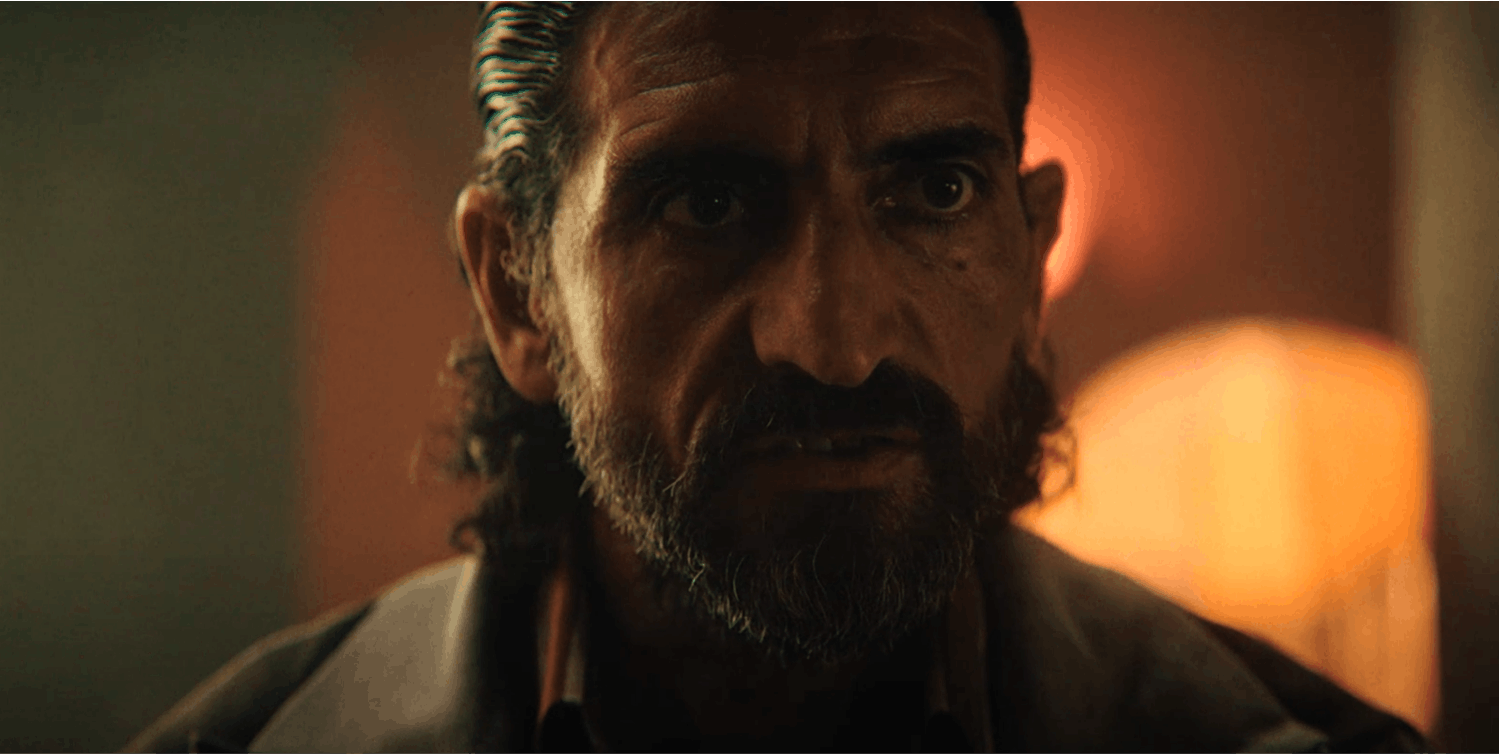
Hüseyin was born on December 25, 1956, in the town of Lice, in Turkey. While he came from a family of farmers, Hüseyin took to a life of crime after reportedly discovering marijuana at the age of 14. By the 1970s, Hüseyin became deeply involved in the transportation of illegal drugs. Over the next decade, he was arrested twice, including once in the United Kingdom, for using a fake passport to smuggle drugs. After he was sentenced to 12 years in prison and sent to Turkey, Hüseyin was released in 1989 and continued expanding his criminal empire.
Hüseyin Baybaşin Was Arrested in 1998 While in the Netherlands
In 1994, Hüseyin Baybaşin applied for asylum in the UK alongside his brother, Abdullah Baybaşin, and from then on, the Baybaşin family began making its presence felt on an international level. As per a report by the Guardian, some members of the syndicate allegedly developed political contacts in the UK and received help from Turkish consulates during the shipment of drugs. A big difference between what is known about Hüseyin’s criminal activities and how Hakan is woven into the plot lies in the timing. ‘Legends’ is set entirely in the late 80s and early 90s, a period that doesn’t overlap with Hüseyin’s arrival in the UK. As such, it is likely that most of Hakan’s arc has been fictionalized to fit the larger narrative.
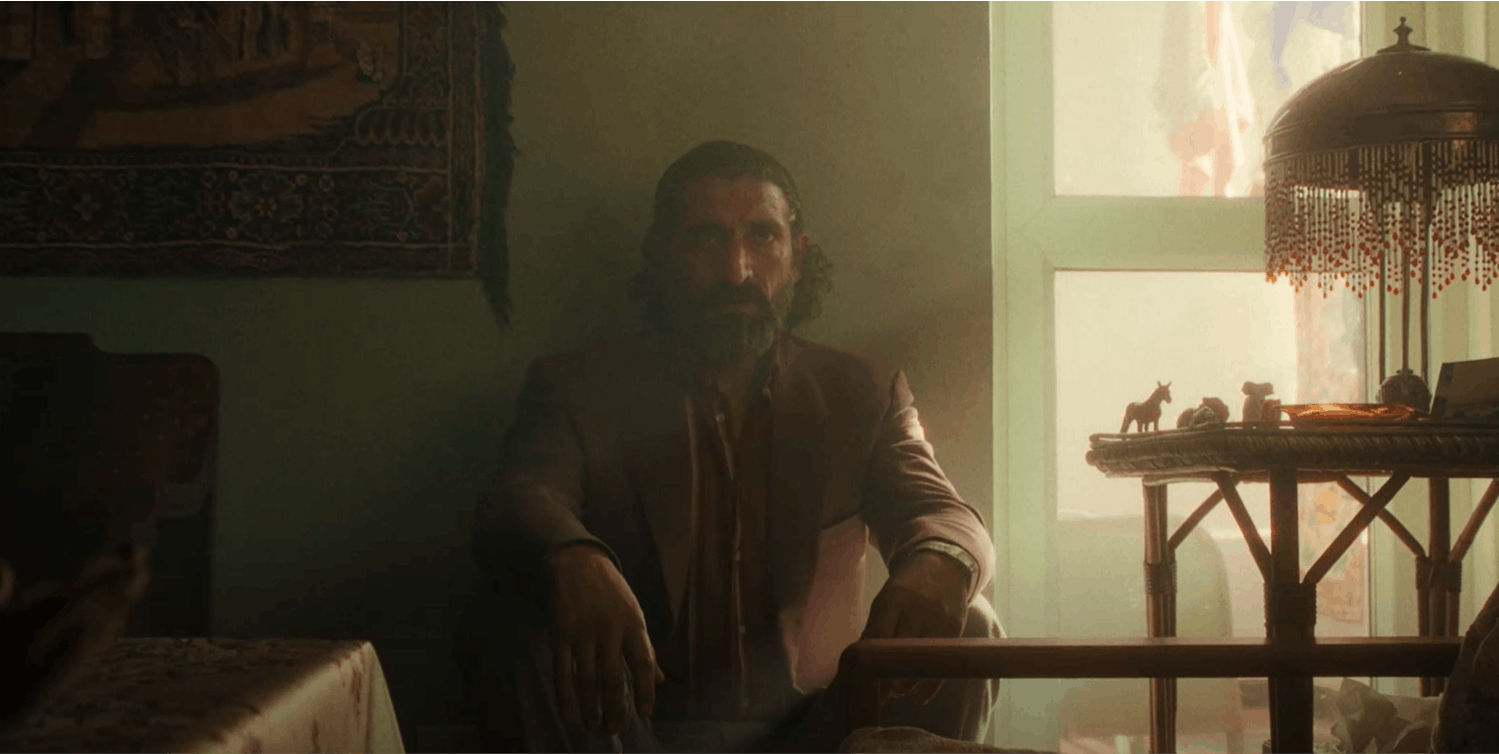
By March of 1998, Hüseyin was heavily under MI6’s radar, and his secret hideout in Lieshout, the Netherlands, had been discovered. On March 27, he was arrested alongside his nephew during Operation Black Tulip. Three years later, on February 10, 2001, Hüseyin was found guilty of murder, torture, drug trafficking, arms trafficking, and a range of other offenses, and sentenced to 20 years’ imprisonment. In July of the following year, that sentence was commuted to life imprisonment. As of writing, he remains imprisoned at the Nieuw Vosseveld prison in Vught, the Netherlands. In the show, Hakan reaches an altogether different conclusion, reiterating that, while there may be superficial similarities between him and Hüseyin, the show’s approach to the character is largely original.
Related
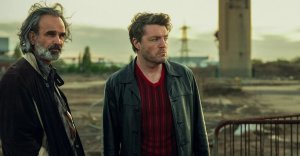
The Green Lanes Turks is Posssibly a Vague Nod to Hüseyin Baybaşin’s Crime Syndicate
Much of the story of ‘Legends’ is informed by Guy Stanton and Peter Walsh’s book ‘The Betrayer: How an Undercover Unit Infiltrated the Global Drug Trade,’ where Guy details his experiences as a covert operative working for Her Majesty’s Customs and Excise. As such, it is likely that the show’s conceptualization of the Green Lanes Turks was heavily influenced by Guy’s account of events. In the book, Guy recalls collaborating with numerous Kurdish, Turkish, and Cypriot drug gangs, slowly gaining their trust and forwarding intelligence to his supervisors. While the Green Lanes Turks from the show aren’t directly based on any of these gangs or criminal syndicates, Hüseyin Baybaşin’s family remains the most likely source of inspiration.
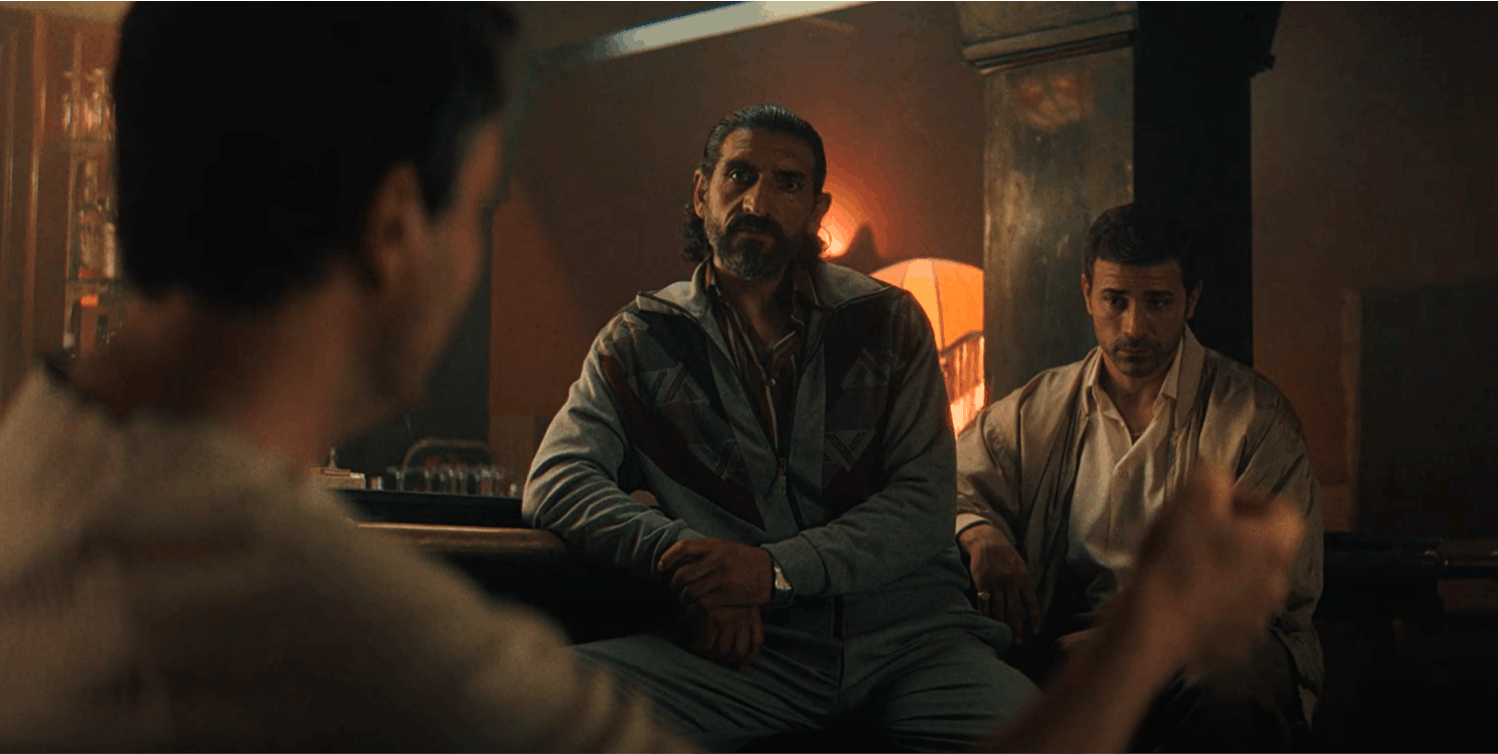
As per the National Crime Squad, at its peak, the Baybaşin family controlled up to 90% of the heroin entering the UK. It should be noted that the term Green Lanes refers to a real road in North London that spans roughly 6 miles and connects Newington Green to Winchmore Hill. Reportedly, Hüseyin’s house in London was located on Green Lanes, and following his arrest, law enforcement suspected that his brother, Abdullah Baybaşin, used a sports club in Green Lanes as the base for his operations. While these parallels make a strong case for the Baybaşin cartel being the main reference for the Green Lanes Turks, it should be noted that the real-life Green Lanes thoroughfare is known for its vibrant Turkish and Kurdish culture, which makes it just as likely that the creators were influenced by the location’s aesthetic when coming up with an antagonistic faction.


You must be logged in to post a comment.