
 Abhiroop Das
Helmed by James Kent, Lifetime’s ‘Stolen Girl’ is a thriller crime drama movie that follows Maureen on a ten-year journey to rescue her daughter, who is kidnapped by her own father and taken to Syria. With no real support from official authorities, Maureen decides to take matters into her own hands, partnering up with a mysterious ex-operative by the name of Robeson. The latter specializes in retrieving internationally kidnapped children, and working with him means that Maureen has to train and eventually get her hands dirty. Still, nothing can stop the mother from locating her daughter and saving her from the worst possible fate. While the movie is wrapped in layers of high-octane action, at its heart lies a story of a distraught mother searching for her child, which grounds the narrative in sincerity.
Stolen Girl Recreates the Real-Life Alleged Kidnapping of Maureen Dabbagh’s Daughter
‘Stolen Girl’ is partially based on the true story of Maureen Dabbagh, whose ex-husband, Mohamad Hisham Dabbagh, has been accused of kidnapping their daughter, Nadia, in 1993 and fleeing to the Middle East. What followed were years of Maureen’s exhaustive and diplomatic actions to rescue her daughter. In the movie, actor Kate Beckinsale plays a dramatized version of Maureen, with writers Kas Graham and Rebecca Pollock introducing some fictional elements to their rendition of the incident. Nonetheless, the base of this narrative is rooted in reality, with a particular focus on Maureen’s multiple, independent attempts to reunite her daughter over the course of several years.

Maureen Dabbagh was born in 1958 in a small town in Michigan. Reportedly, she had three children with her ex-husband from her first marriage, and worked as an emergency medical technician and a seamstress following their divorce. However, things got more challenging when she was diagnosed with a rare neural disease that caused paralysis, following which, she reportedly gave up custody of her three children. It was during the treatment of her paralysis that Maureen met Hisham Dabbagh, a Syrian man working as a technician at the hospital. The duo got married shortly after her recovery, and in 1990, Maureen gave birth to a daughter, Nadia. Around two years later, in 1992, the couple divorced following a grueling legal battle.
According to the divorce proceedings, both Maureen and Hisham were granted alternating temporary custody of Nadia. More specifically, it was decided that Nadia would spend approximately 30 days at a time with each parent. On November 3, 1992, Nadia was sent to Hisham’s home in West Palm Beach, Florida, for her month-long visitation. However, he never brought her back to Maureen’s home in Medina, Ohio, even after the scheduled period ended. As days turned into weeks, Maureen began to panic, and things only worsened when she reportedly received a call from Hisham on Christmas later that year, with no response from the other end.
Several Procedural Delays Worsened Nadia’s Situation
Realizing the urgency of the matter, Maureen’s lawyer petitioned the Medina County Court for an emergency hearing. However, in January 1993, no judicial response was made, as Hisham claimed to be unavailable. Maureen, however, did not give up and continued to urge both Ohio and Florida authorities for help. She even tried contacting Hisham’s parents and his workplace in Florida, but on February 17, 1993, she learnt that he had been absent from work the entire week. Not long after, Hisham’s car was found parked at Palm Beach International Airport, indicating that he might have flown Nadia out of the US sometime around February 12.
As per reports, Hisham had told Maureen that his family had powerful connections in Syria, which only accentuated her fear regarding her daughter’s well-being. However, despite her legal efforts, she continued to encounter obstacles. At the time of the alleged kidnapping, there was no law concerning international child kidnapping, meaning Hisham couldn’t exactly be charged. According to reports, authorities from neither Florida nor Ohio took charge of the investigation due to the ongoing custody dispute between the two parents. Change came gradually, as in December of 1993, Congress declared international kidnapping of a child by their parent a felony. Later, in October of 1994, Maureen was given full custody of her daughter. Still, it wasn’t until November 1994, nearly two years after Nadia’s disappearance, that a warrant was issued for Hisham’s arrest.
Maureen Allegedly Became a Covert Recovery Agent and Rescued Several Kidnapped Children
In the coming months, the US Department of State, the FBI, and Interpol all got involved in the efforts, and an official inquiry was made to immigration centers in Syria, Saudi Arabia, and Kuwait to determine whether Hisham and Nadia had made an appearance. When Saudi Arabia confirmed their presence, a breakthrough seemed near, but problems soon arose in the extradition process, delaying things further. By February of 1995, Maureen had found legal counsel in Syria. It is important to note that, as per sources, Hisham had not registered Nadia as his daughter in Damascus, Syria, which meant that he was not legally recognized as her father there. Thus, Maureen and her legal team were hoping for results if and when Hisham landed in his native country.
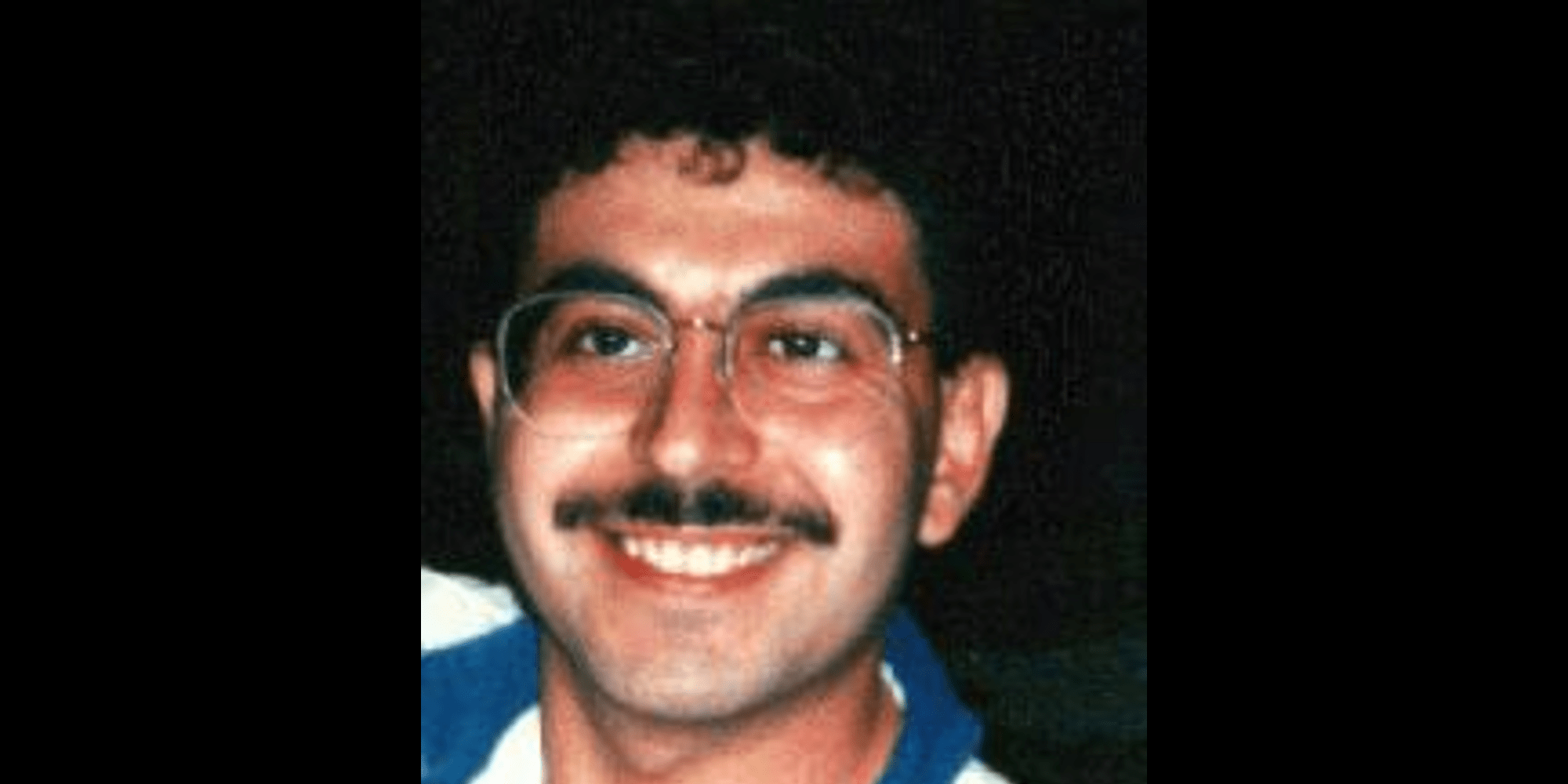
Around the same time, Maureen also became an activist, raising her voice against international child abductions. To that end, she founded P.A.R.E.N.T. International, a worldwide network for parents going through similar ordeals. Additionally, she also became acquainted with alleged child recovery programs and learnt the finer details of conducting risky rescue and extraction missions. As the process was legally gray, Maureen later claimed to have received training from private recovery groups, a subject that remains difficult to independently verify due to the clandestine nature of such operations. Over the course of the next few years, Maureen claimed she entered Syria numerous times and assisted other parents in efforts to recover children taken abroad.
However, Maureen’s quest to locate Nadia was only met with more setbacks. In 1996, the Islamic court in Damascus, Syria, granted Maureen full custody of Nadia, provided that both of them permanently reside in Syria. Faced with very limited options, Maureen opted for a different, more unconventional approach. This involved coordinating with Ibrahim Saad, the president of the Syrian-Arab Council, who volunteered to travel to Syria with Maureen and retrieve Nadia on their own. According to some accounts, Maureen entered the region with the assistance of local intermediaries. However, the exact nature of these connections has never been independently verified. Faced with many other obstacles along the way, Maureen’s attempts ended in failure.
Maureen Reunited With Nadia in 2010, and Continues to Fight For the Cause
From the late 1990s to the early 2000s, Maureen provided continuous support to the parents whose children had been kidnapped by ex-spouses. In light of her professional expertise in cross-border parental abduction, Maureen became a mediator for the Virginia Supreme Court Juvenile & Domestic Relations. Alongside giving key testimonies on the subject, she also authored books and guides on the recovery of internationally kidnapped children. The major written work she published around this period is ‘The Recovery of Internationally Abducted Children: A Comprehensive Guide.’
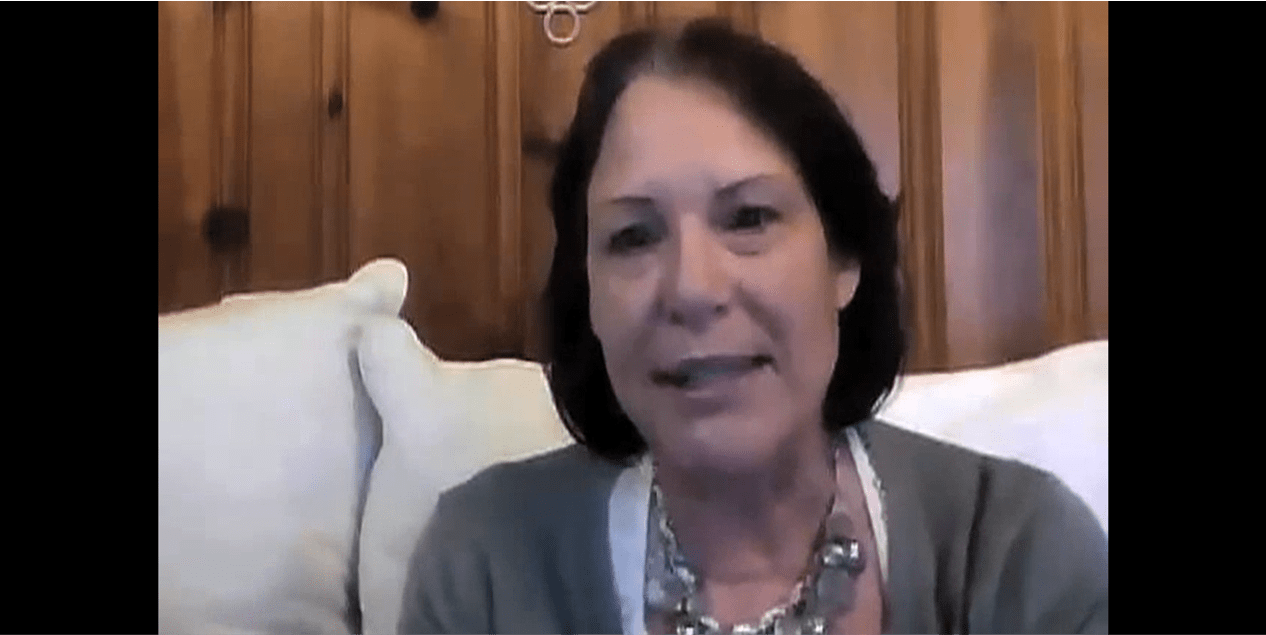
In April of 2010, nearly two decades after her alleged kidnapping, Nadia made contact with Maureen via a phone call. According to reports, the duo initially had a hard time reestablishing their relationship, but have been in touch since, slowly recovering from their shared trauma. According to available court records from the 1990s, an arrest warrant was issued for Hisham, and there are no publicly available records indicating that he has returned to the US since then. In 2011, Maureen published a book, ‘Parental Kidnapping in America: An Historical and Cultural Analysis,’ where she traced the origins and evolution of such crimes throughout various historical cultures around the world. Maureen continues to champion humanitarian causes as an International Child Abduction Specialist and has helped countless people in their journey. Her own true story continues to stand as a testament to human resilience in the face of absurdities.
Read More: Is Sentimental Value Based on a True Story?


You must be logged in to post a comment.