
 Aahana Swrup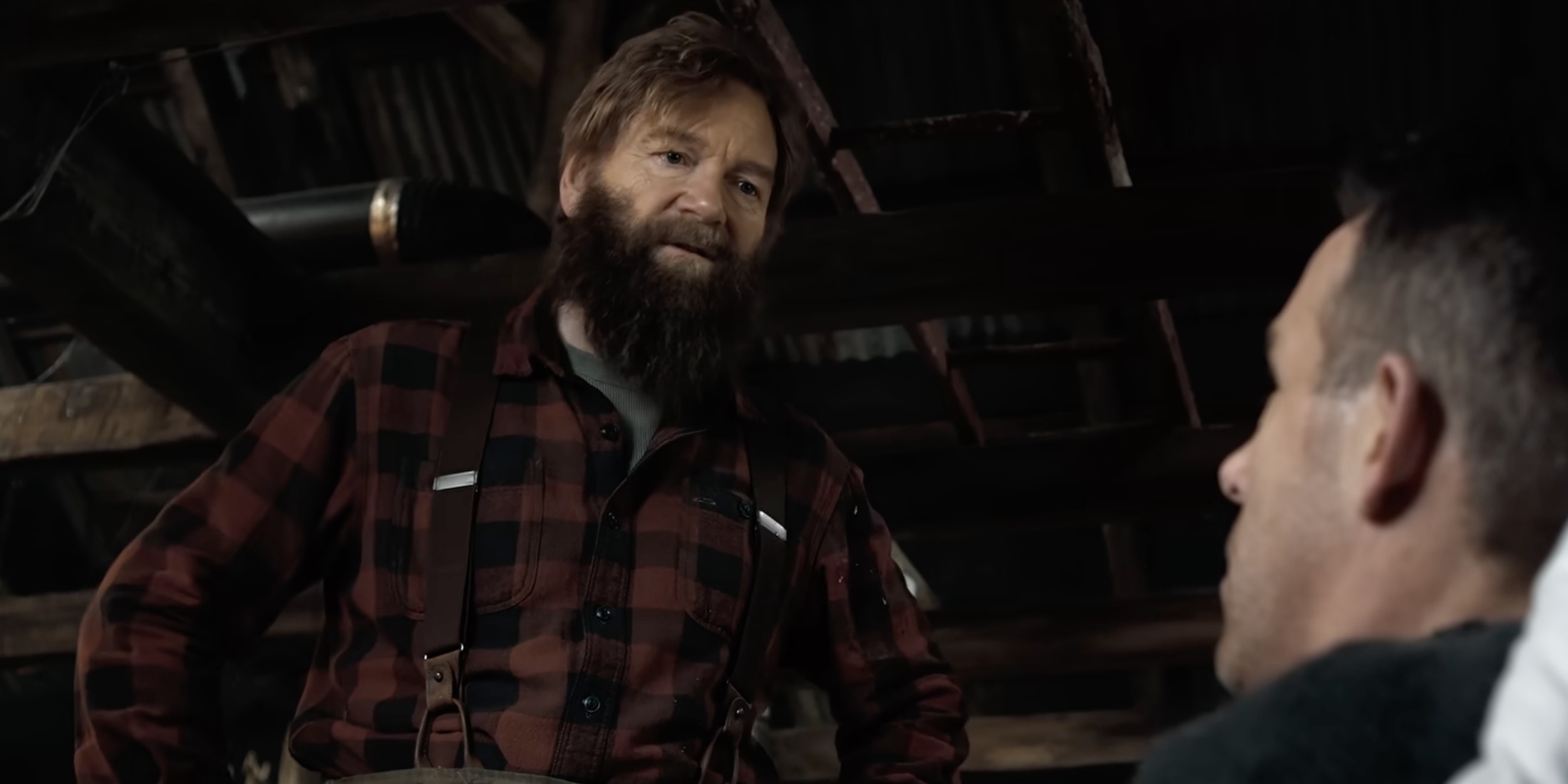
In ‘Mayday,’ Nikolai Ustinov is introduced as an offbeat mountain man who is a mine of contradictions. While the Cold War brews in the outside world, the Russian recluse lives far from civilization, indulging his love for American culture. Eventually, when a US Navy spy pilot, Troy Kelly, aka Assassin, crash-lands in the woods near Nikolai’s cabin, the former takes the enemy stranger in and nurses him back to health. Shortly thereafter, he reveals himself to be a former KGB officer who grew disillusioned by the life of blind loyalty and violence and thus left it behind. As a result, when Troy gains the Red Army on his tail, Nikolai, better known as Nick, strikes up a quid pro quo deal to help the pilot, and hopefully himself, escape the Soviet country. The character becomes a grounding force in the narrative, taking on a unique role in the fictional buddy comedy.
Related


Nikolai Ustinov is a Fictional Character Who Offers a Nuanced Take on Internal Victims of a Corrupt System
Since ‘Mayday’ is entirely a work of fiction, the characters and storylines attached to it are similarly confined within the fictional parameters of the narrative. Nikolai Ustinov, aka Nick, is no exception and remains a purely fictional character, created in service of the story. The inspiration for his character stemmed from the 1999 movie ‘Misery,’ based on the eponymous 1987 novel by Stephen King. The horror film revolves around a novelist being rescued by a woman who seems to be his biggest fan. However, over the course of his recovery at her house, the dynamic between the fan and her idol becomes nightmarish. The foundation of Troy and Nikolai’s relationship in the film stems from a similar background.
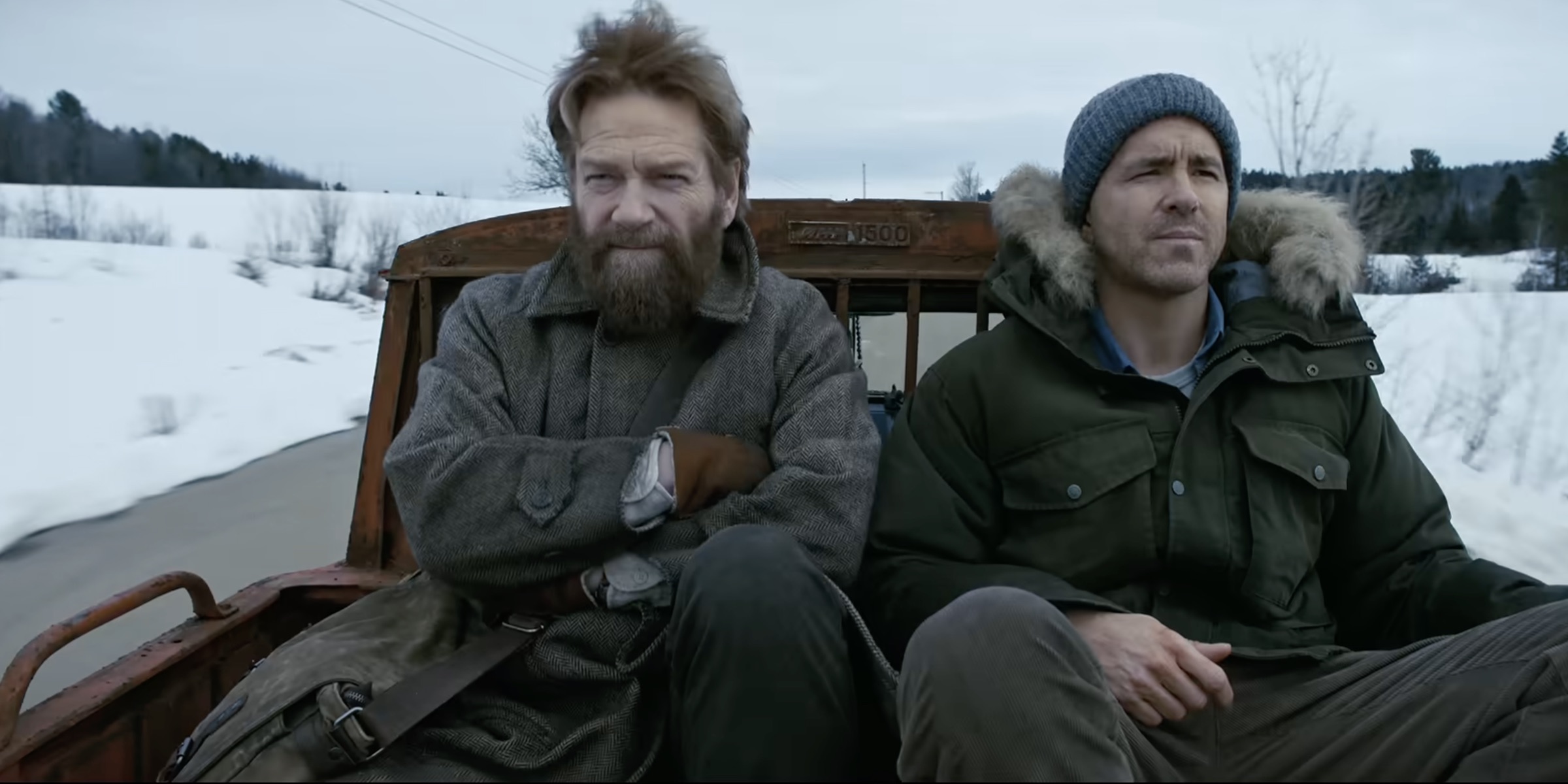
Nonetheless, ‘Mayday’ ends up taking a comedic route, turning the idea of ‘Misery’ on its head. As the narrative progresses, Nikolai’s character continues to grow and evolve as more of his past is revealed. His history as an ex KGB officer defines his disdain for the oppressive regime that he once served and continues to survive under. Narratively, it offers an archetype of a Russian citizen in a form that the hotshot pilot Troy had previously been sorely missing from his worldview. As such, Nikolai becomes a reliable source for Troy, and in turn, the audience, to understand the internal national politics under a totalitarian government. This ensures that the character’s narrative remains aligned with the story’s period setting.
Ultimately, no direct real-life inspirations were used for the development of Nikolai’s character. Yet, Kenneth Branagh worked extensively with the directors to craft a well-rounded inner world for the on-screen ex-KGB agent. The actor spoke about the same in a conversation with Screen Rant and said, “He’s (Nick is) isolating himself. You’ve got to remember how massive Russia is. The boys, our directors, were very specific about how far it was. I had in my room a map of how far it was to Moscow, what was the territory and landscape that you’d have to go across? What would have attracted him about that particular area? What did he have to do to constantly be on vigil in case the KGB called him back?”


You must be logged in to post a comment.