
 Abhiroop Das
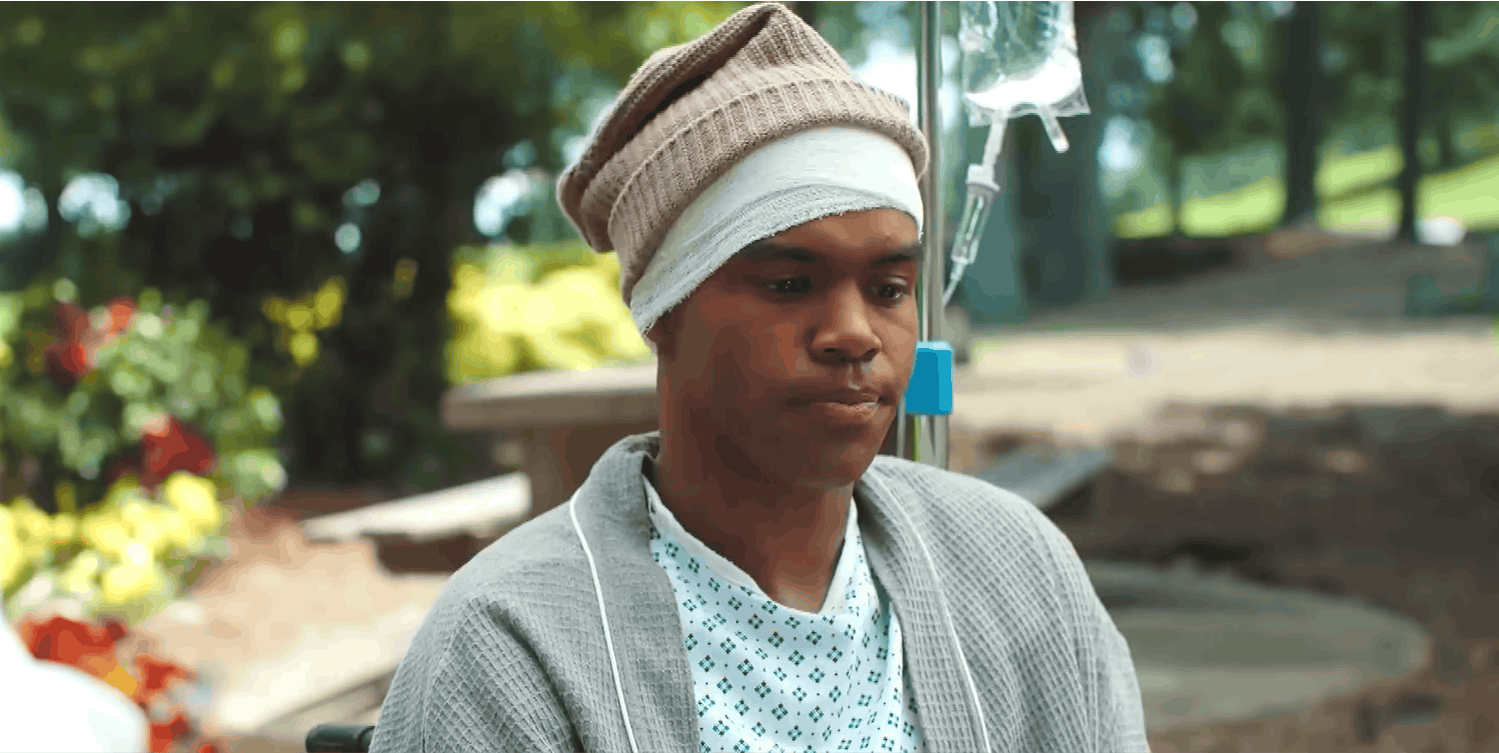
Helmed by Erica C. Sutherlin, Lifetime’s ‘One Last Shot’ is a family drama film that tells the story of Joy Walker, a single mother whose world turns upside down when her son Chaz is diagnosed with a brain tumor. As Joy pours all her efforts into caring for her son and getting him the best treatment she can, many hurdles come along her way. However, she isn’t alone in this challenging journey; over time, she finds help from her community and even reconnects with her ex-partner and Chaz’s father, Royce, who is fighting demons of his own. Somewhere along this path, Joy realizes that she must learn to care for herself as much as she has cared for everyone else in her life, and thus, her story takes on a new dimension, one of self-rediscovery in times of tragedy.
One Last Shot is a Fictional Story Informed by Tisha Campbell’s Perspective on Grief
‘One Last Shot’ is a work of fiction deeply inspired by a personal family tragedy experienced by its lead actor and co-writer, Tisha Campbell. In a conversation with TV Insider, she revealed that the idea for this story originated following the death of her cousin Eddie and the grief experienced by his mother, Sharon, afterward. Around that time, Campbell was approached by her co-writer, Dani Wright, to create a Lifetime project about grief. She explained, “I then thought, let’s kind of hone in on the types of grief because there are different types. There’s loss of a relationship, loss of a family member, loss of a job. Let’s just concentrate on one,” which is how the larger narrative came to be shaped.
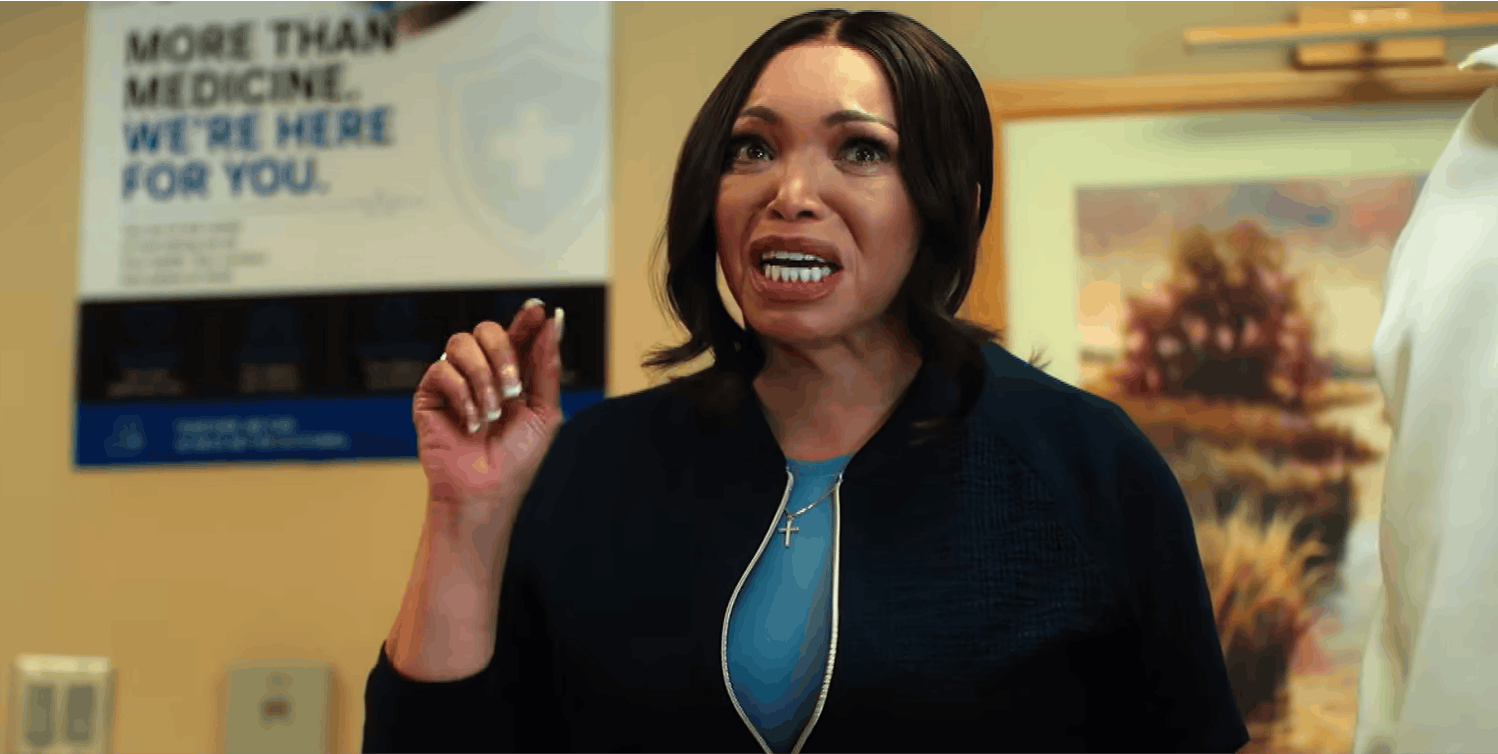
While the film may be informed by Campbell’s experiences, the characters in the movie do not appear to be direct portrayals of her real-life family. Instead, Campbell has envisioned the story as a “love letter to women,” particularly African American women, whose emotional needs are often overlooked because of expectations that they should always remain strong. Expanding on this idea, she noted, “I personally have always leaned into the strong black woman tropes where we’re not allowed to feel grief, or sorrow, or anger, or fear, or joy.” Through the character of Joy Walker, then, Campbell and her writing team seek to reexamine these tropes and peel back their layers, focusing on the more human aspects instead.
One Last Shot Expands its Social Commentary to Cover the Healthcare Sector
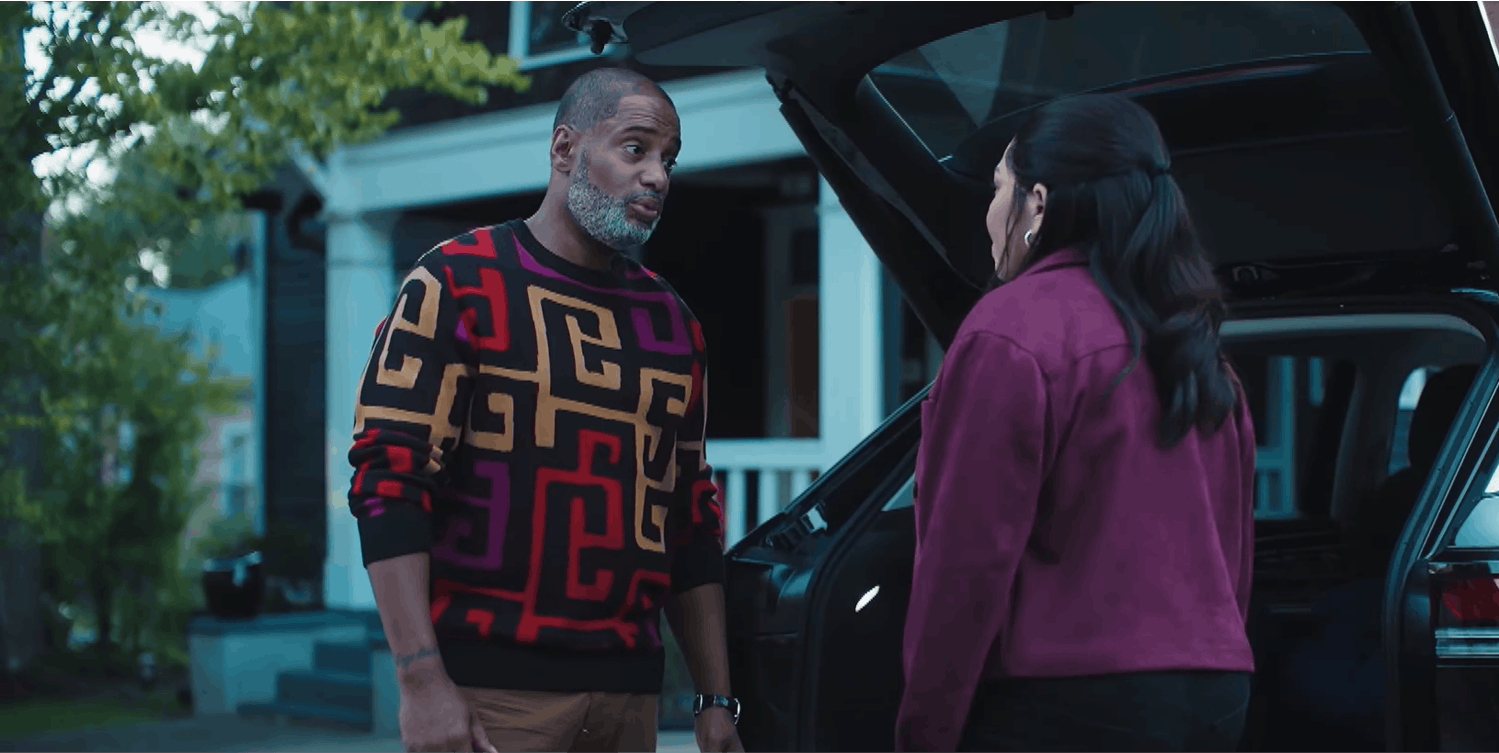
In creating ‘One Last Shot’ as a women-centric narrative, Tisha Campbell and Dani Wright were also deliberate about their portrayal of men. In the TV Insider interview, Campbell stressed that they did not want to turn the male characters into antagonists without allowing them room to change. Joy Walker’s ex, Royce, brings a nuanced look into the relationship between a parent and child, as well as between partners, and the impact of substance abuse in fractured family relationships. Campbell also recalled the film’s screening at the Peachtree Village International Film Festival in Atlanta, where men cried and applauded when Royce entered clinical trials, reflecting the story’s sensitive approach to these subjects.
Another real-world issue Campbell wanted to address was racial disparity in the American healthcare system. In the context of the film, this connects to all the challenges Joy Walker faces in trying to get treatment for her son. She also acknowledged that while the story itself doesn’t delve deeply into these systemic concerns, it is nonetheless something that should be discussed more. Ultimately, ‘One Last Shot’ is a tale about recovering from grief and locating the proverbial light at the end of the tunnel, and the film’s connection to real-life stories, while loose, is nonetheless foundational to its profound message.
Read More: Is Lifetime’s Murder in a Small Georgia Town Based on a True Story?


You must be logged in to post a comment.