
 Abhiroop Das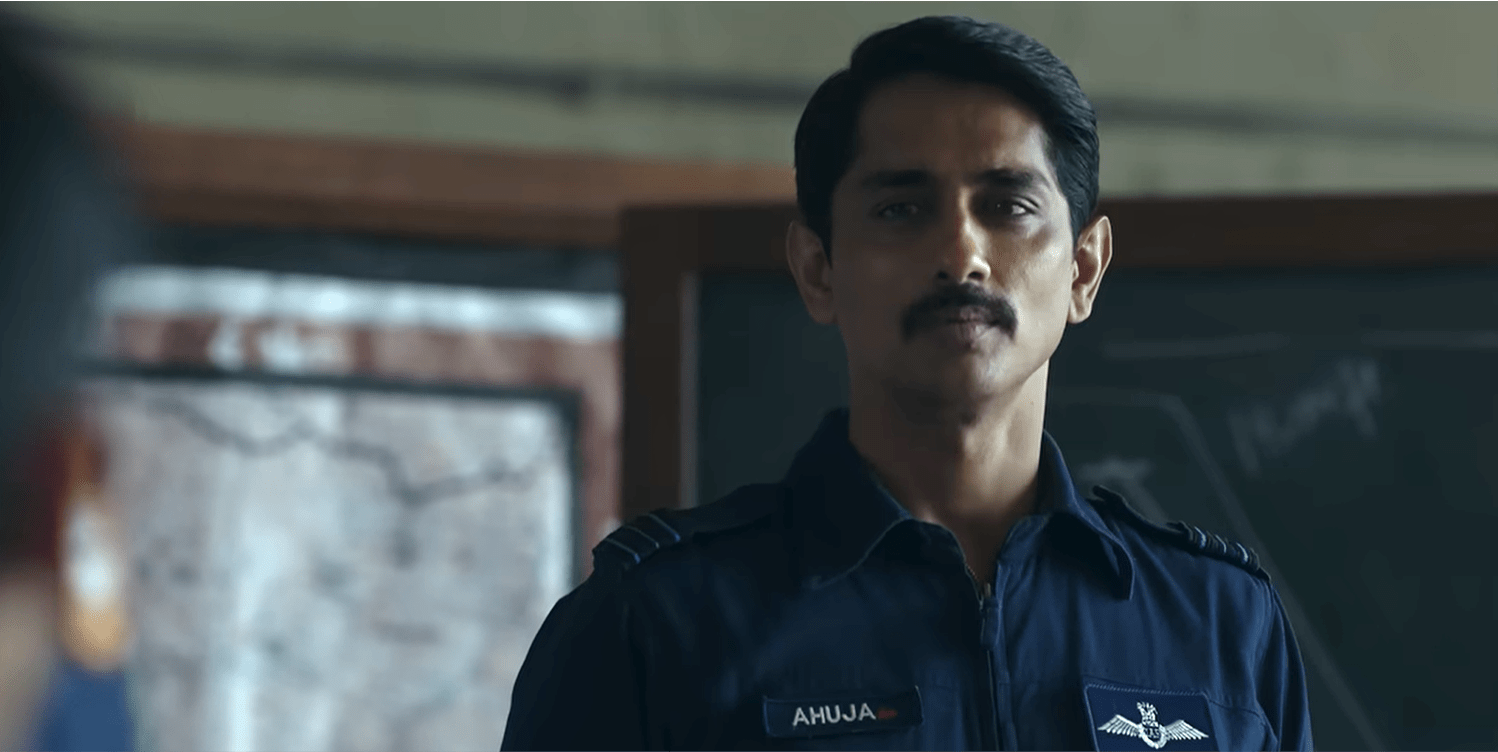
Created by Abhijeet Singh Parmar and Kushal Srivastava, Netflix’s ‘Operation Safed Sagar: The Untold Story of the Kargil War’ is a war drama series that follows a group of Indian Air Force officers who constitute the elite Golden Arrows Squadron, famous for their reconnaissance abilities. However, their skills are soon put to the test in one of the most challenging military campaigns ever recorded, where pilots have to soar over towering peaks, and often through meandering valleys, to find infiltrators hiding in a sea of white snow. For many characters, like Squadron Leader Ajay Ahuja, Flying Officers Dhali, Baldy, Sangy, and others, this is their first war, and with it comes an undefeatable spirit and a sense of commitment, defining the highs and lows that follow.
Operation Safed Sagar Reimagines One of the Most Intense Chapters of the 1999 Kargil War
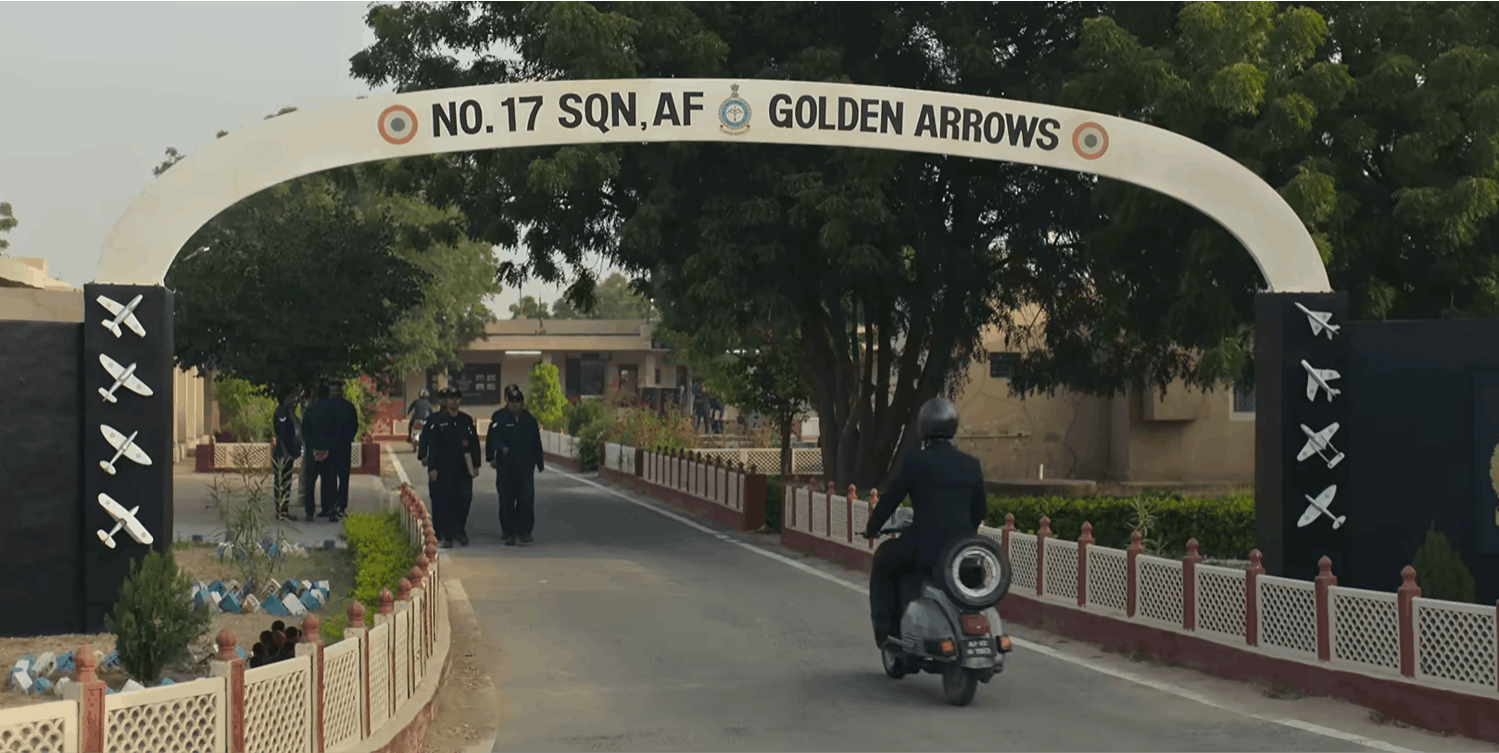
‘Operation Safed Sagar: The Untold Story of the Kargil War’ is a dramatized retelling of the eponymous military operation undertaken by the Indian Air Force during the 1999 Kargil War. While not exactly biographical in its depiction of India’s military campaign, the show, penned by Abhijeet Singh Parmar, Kushal Srivastava, Sandeep Jain, Barun Kashyap, and Nikhil Ravi, still displays a remarkable degree of realism. At the heart of the show is No. 17 Squadron, better known as the Golden Arrows, which, in real life, played a critical role in India’s victory over the Pakistan Army. The majority of the names of people and locations have been preserved on screen, but the actual rendition still includes elements of fiction to convey this remarkable true story with dramatic effect.
To understand the events that led up to the Kargil War, it helps to look at the history of the Line of Control, or LoC, which has molded India and Pakistan’s relations between India and Pakistan for decades. In the immediate aftermath of the first Indo-Pakistan war in 1949, a Ceasefire Line was delineated under the UN-supervised 1949 Karachi Agreement. Later, when the 1972 Shimla Agreement was signed after the 1971 Indo-Pakistani War, that Ceasefire Line became redesignated as the Line of Control. The LoC has since served as the de facto military boundary, despite neither country officially recognizing it as an international border. It is this very point of contention that contextualizes the 1999 Indo-Pakistan War.
The Kargil War Began With an Intrusion Across the Line of Control
In early May 1999, Indian patrols and local shepherds reported unusual activity along the Kargil, Dras, Batalik, and Mushkoh sectors of the Line of Control, all located in the region formerly known as Jammu and Kashmir. These sectors are home to some of the tallest peaks in the world, and that, along with high elevation, unpredictable weather, and rugged terrain, makes them among the most challenging territories to navigate, even for trained professionals. During the winter season, many Indian forward positions along the LoC had reportedly been vacated due to bad weather. However, with the turn of the month, subsequent reconnaissance operations by the Indian Army confirmed the presence of a number of heavily armed personnel, who were occupying strategic, high-altitude Indian posts.
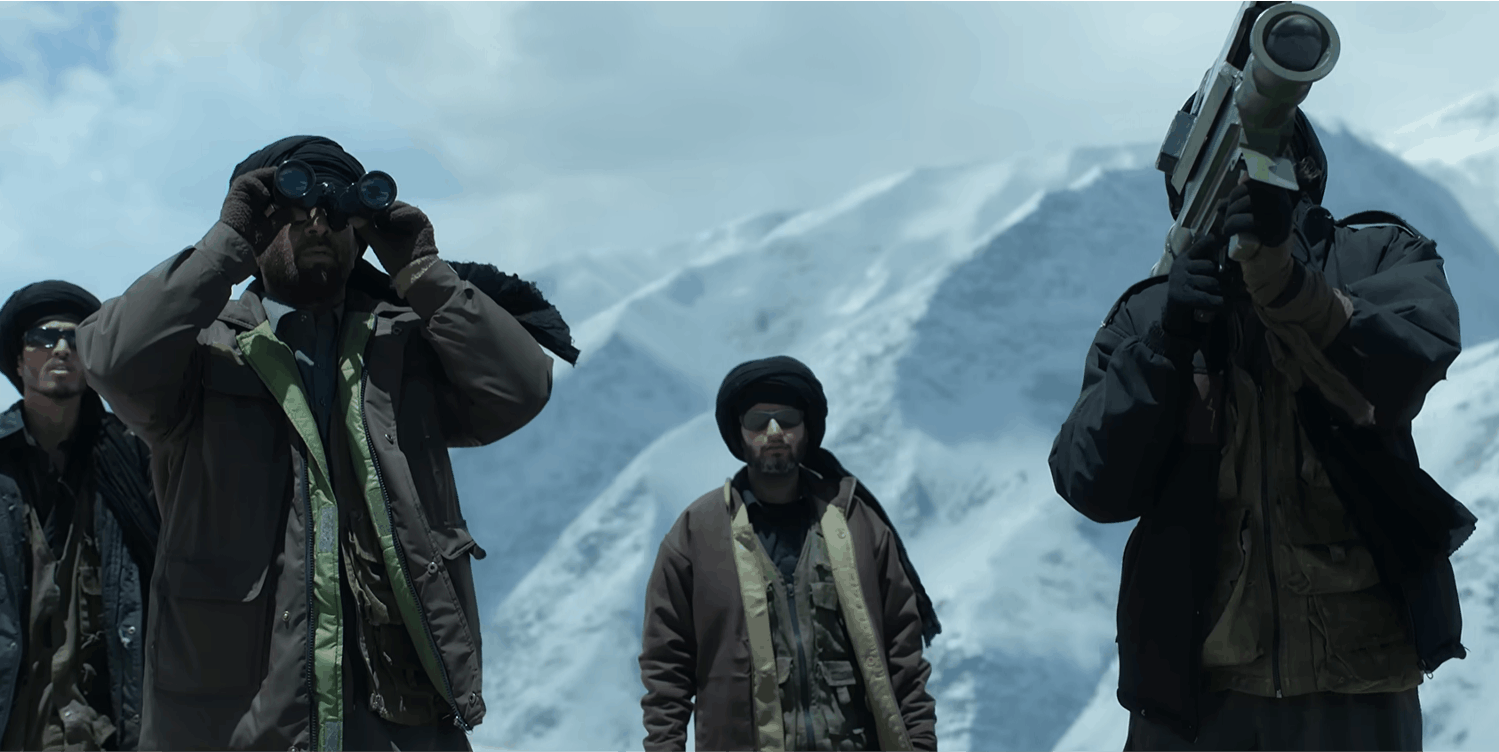
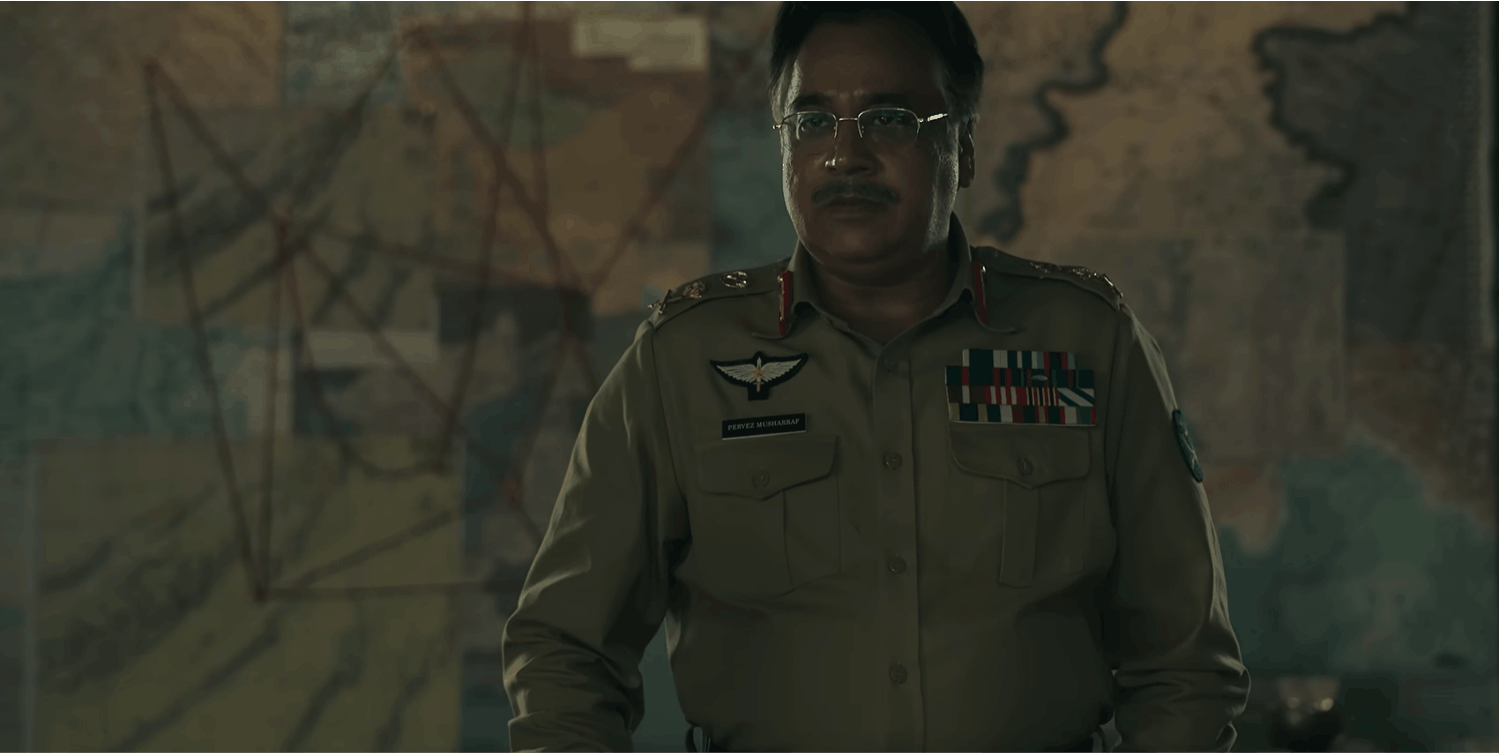
When the Indian forces attempted to advance, they were met with stiff resistance from the infiltrators across multiple ridgelines at once. Soon, this evolved into a much larger military confrontation, and several soldiers and key officials became involved in the operations. All this time, the Government of Pakistan, headed by Nawaz Sharif as the prime minister, claimed that the infiltrators were Kashmiri militants fighting independently. India, however, maintained that these were soldiers of the Pakistan Army, specifically from the Northern Light Infantry (NLI) in disguise. In the days and months that followed, captured documents, radio interceptions, and other evidence strengthened India’s claim that this operation had been planned and executed by the Pakistan Army, then led by Pervez Musharraf.
As the scale of the intrusion became apparent, the Indian Army responded with Operation Vijay, the purpose of which was to recapture the occupied regions and neutralize the threats. Around the same time, the Indian Air Force launched Operation Safed Sagar on May 26, 1999, with the name referring to the aerial view of snow-capped mountain ranges. The IAF was given specific instructions never to cross the LoC for geopolitical and diplomatic reasons, which made the missions all the more challenging. At that time, the Golden Arrows Squadron flew under the command of Wing Commander Birender Singh “Tony” Dhanoa, and boasted the presence of experienced pilots like Squadron Leader Ajay “Aj” Ahuja, as well as prodigious young bloods like Flying Officers RS “Dhali” Dhaliwal and Bal “Baldy” Reddy.
The No. 17 Squadron Made a Historic Comeback After an Early Loss
While several pilots from the Golden Arrows Squadron had been summoned to the IAF’s Kashmir Base by May 18, 1999, for reconnaissance sorties, their mission really began with the launching of Operation Safed Sagar on May 26. However, the very next day, the IAF was met with two tragedies in the form of two ejections. While conducting a sortie, Flight Lieutenant Kambhampati Nachiketa was forced to eject over hostile territory due to an engine failure. As his aircraft went down, Indian authorities lost contact with him, and hearing that, Ajay Ahuja took it upon himself to locate his fellow soldier and his aircraft.
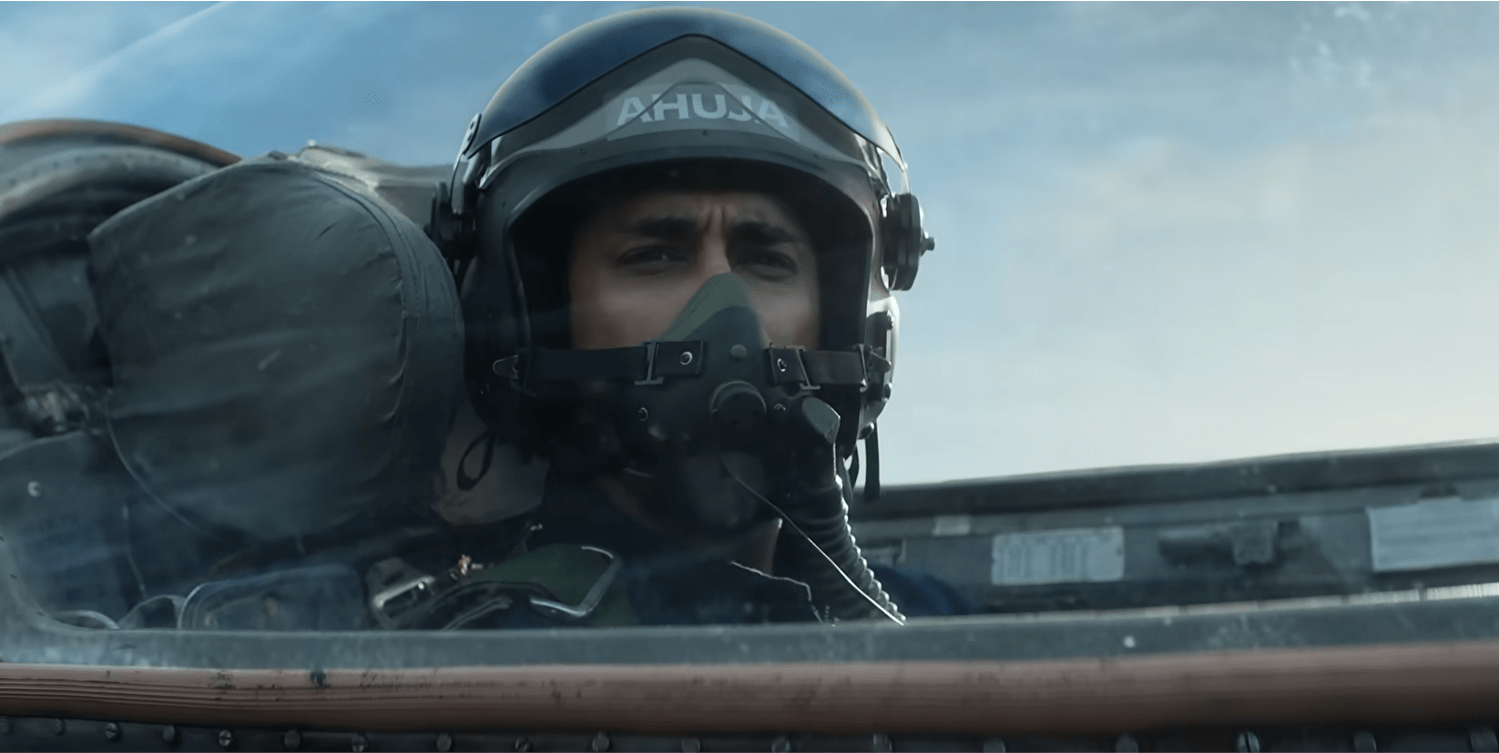
Although Ajay Ahuja was leading a two-plane formation, his wingman, Flying Officer Pingle Githender Reddy, had to return to base due to not having enough fuel. Ajay was eventually able to locate Nachiketa’s downed aircraft and even relayed the approximate coordinates before a stringer missile, launched by enemy forces, hit his aircraft. Ajay was forced to eject as well, only to land on the other end of the LoC, in Pakistan territory. Later that afternoon, it was announced that Nachiketa had been captured in Pakistan as a prisoner of war, and Ajay had lost his life. The official Indian position, strengthened by post-mortem reports of Ajay’s mortal remains, has always been that he made a safe landing, but was captured, subjected to torture, and later killed by the Pakistan Army. Pakistan, by contrast, has denied these allegations, and because of that, his death remains shrouded in mystery to this day.
Following Ajay Ahuja’s demise, Operation Safed Sagar was briefly suspended, but was later resumed, with the Golden Arrows, under the leadership of Birender Singh “Tony” Dhanoa, conducting several successful aerial strikes. On June 3, 1999, the squadron began bombing at precise targets, employing a series of complex aerial formations and offensive tactics to maximize efficiency. By June 27, the IAF had authorized night bombing, allowing pilots to gain the upper hand over the enemy forces who had so far mostly relied on ground-to-air offensive measures. The fiercest battles were fought on and around the Point 5140, Tololing, and Tiger Hill peaks, which were recaptured by the Indian forces on June 13, June 20, and July 8, respectively.
India Declared Victory in the Kargil War on July 26, 1999
A meeting between Pakistani Prime Minister Nawaz Sharif and US President Bill Clinton, held on July 4, 1999, ended with a joint statement announcing Pakistan’s withdrawal from all occupied sectors past the LoC. However, the battle continued in a few regions, and it was only on July 26, 1999, that the Government of India declared Operation Vijay a complete success. That date is commemorated annually as Kargil Vijay Diwas, marking a historic moment for the Indian Armed Forces. In the months following Pakistan’s defeat, General Pervez Musharraf led a coup against the civilian government of Pakistan and assumed the position of Chief Executive on October 12, 1999.
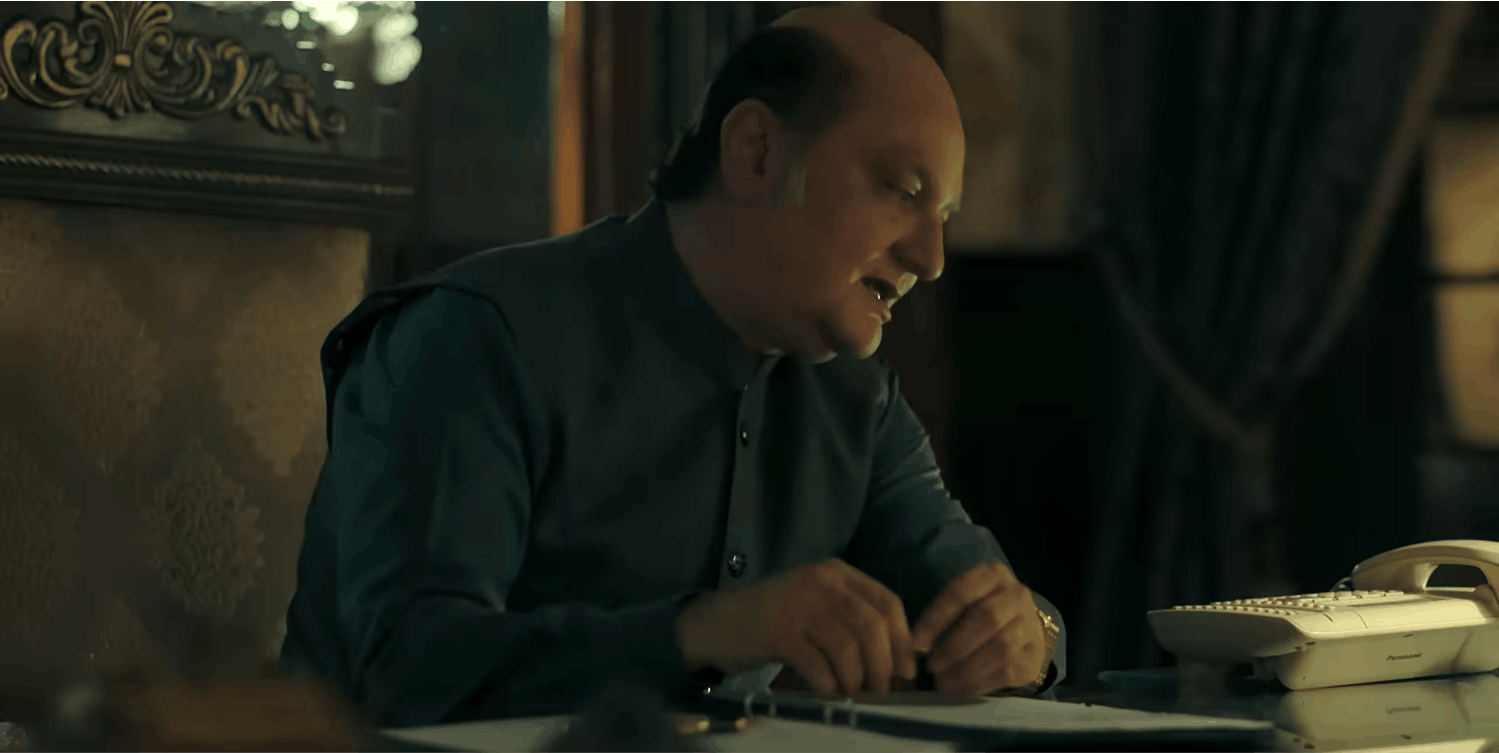
The impact of the war and its aftermath can be felt to this day, both in the realm of diplomacy and the lived experiences of the people of both nations. In ‘Operation Safed Sagar: The Untold Story of the Kargil War,’ the narrative focuses on the Golden Arrows and their aerial campaign, but the larger point is to highlight the stories that have gone unheard over the years. In a conversation with Netflix, Birender Singh “Tony” Dhanoa, former commander of the Golden Arrows and a consultant on the show, said, “India is ready to hear this story now. In fact, it is long overdue, (…) stories like these ignite young minds.” The extensive research that went into the writing process is clearly reflected on screen, reaffirming the show’s aim to capture the full scale of Operation Safed Sagar and introduce it to a new generation of audiences.


You must be logged in to post a comment.