
 Diksha Sundriyal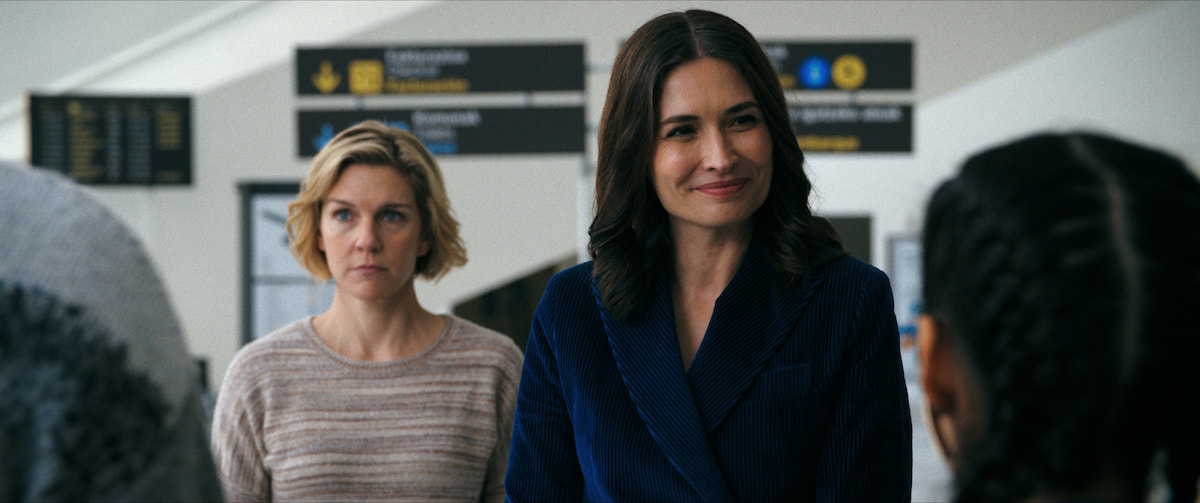
Apple TV+’s ‘Pluribus’ transports the audience into a world where everyone, except a handful of people, has been taken over by an alien virus. The effect of this virus has connected the billions of people through a hive mind, which allows them to share thoughts, memories, and even talents. There is no “I,” only a “we.” Moreover, these people, called the Others, are also exhaustingly nice, or at least, that’s how Carol Sturka feels. She thinks that the world needs to revert to the way it was before. As we follow her journey through this brand new world, the show also opens a discourse for something alien that has started to become a more prominent part of people’s lives: artificial intelligence. Does this mean that ‘Pluribus’ explores the pitfalls of AI? The answer is more complex than a simple yes or no. SPOILERS AHEAD.
Pluribus is Not About AI, But It Is Anti-AI
The content and timing of ‘Pluribus’ make it appear as a well-timed allegory on artificial intelligence, especially tools like ChatGPT, but that’s not what Vince Gilligan had in mind when he created the show. The idea for ‘Pluribus’ germinated in his mind while he was still working on ‘Better Call Saul.’ He thought about a man to whom everyone would be nice to the point that they’d be ready to do whatever it takes to make him happy. He sat with this premise for a while, until he decided to have Rhea Seehorn as the lead and changed the protagonist from a man to a woman. Once the ‘Breaking Bad’ spinoff wrapped up, he turned his attention to this new series.
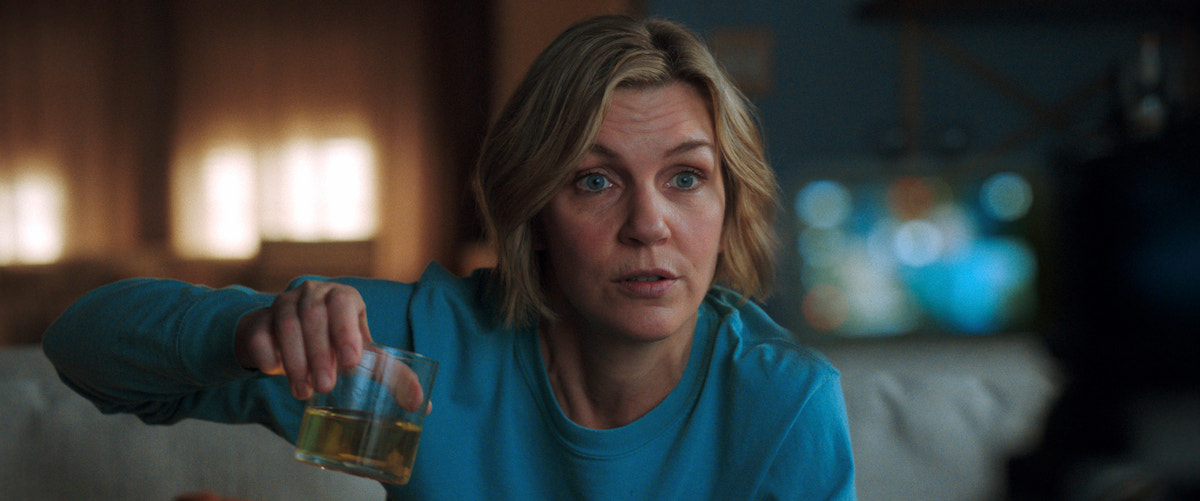
In his interviews, he has clearly stated that he was “not thinking about AI” when he first thought of the show’s premise. However, he is aware of the comparisons that have been made, and he encourages the audience to make their own deductions and take from the show whatever they want. He does not want to limit any viewer’s perception of the story. At the same time, he has also made his anti-AI stance very clear. At the end of the credits in ‘Pluribus’ reads the message, “This show was made by humans.” He has slammed the possibility of the use of AI actors in Hollywood and has supported the idea that humanity is what brings meaning to art.
In an interview with Variety, he called AI “the world’s most expensive and energy-intensive plagiarism machine.” Saying that he hates it, he considered the possibility that it’s most likely “ a bunch of centibillionaires whose greatest life goal is to become the world’s first trillionaires” who are selling “a bag of vapor” to the world. Gilligan said that he has never used ChatGPT and has no intention to do so either. At the same time, he is also conscious of the fact that once AI becomes sentient and develops its own sense of identity, the question of slavery would come into the picture. He wondered if AI being sentient would turn into a slave for the trillionaires who would want to monetize it against its own will.
Pluribus is About Humanity and the Importance of Being Different
There are, undeniably, things in ‘Pluribus’ that compare to the current discourse on AI. The conversations between Carol and the Others are reminiscent of talking to an AI tool. Before the grenade fiasco, Zosia struggles to converse with Carol, referring to random facts about things around them. After the blast, Carol also realises that the Others have become slaves to her desires, which places no limit on them about what orders to follow and which ones not to go forward with. They trust Carol to the extent that if she really, really wants it, they will put a nuclear device in her hands. At the same time, they are conscious enough not to tell her how the process of the Joining can be reversed.
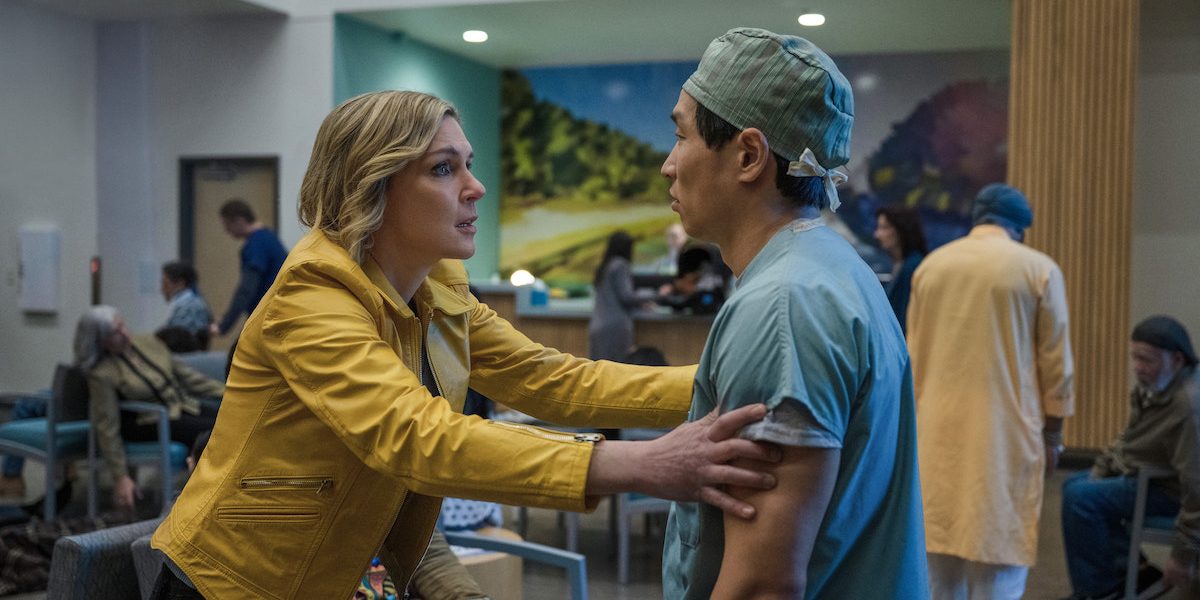
All this, and more, makes a person pause and think about what it feels like communicating with an AI model. However, this only makes Carol even more adamant about dismantling their system and bringing humanity back to the way it was. A major concern for Carol is that by becoming one of the Others, people have lost their individuality. Yes, people were bad, messy, and chaotic before, but every person was unique in their own way. They were messy and rude and chaotic in a way that defined who they were as humans. More importantly, just because a person was bad in the context of one thing didn’t mean that they were an overall bad person. People were more layered and complex than what the hive mind has turned them into, and that’s what Carol misses.
They might have achieved world peace and whatnot, but they are not people anymore. They are not humans, and that’s what makes Carol and others like her feel so much more alone. Though this, it contemplates the cost of losing one’s identity. At one point, Carol points out that of all the people who were turned, no one had the chance not to do it. They were simply forced into it, and they had to accept whatever was being pushed on them. So, in a way, the world was saved against its will. The humans were made nice and subservient against their best, or worst, nature, and that’s what ‘Pluribus’ launches into with more depth in each episode.
Read More: Is Pluribus in the Breaking Bad Universe? Are They Related?


You must be logged in to post a comment.