
 Aahana Swrup

The Korean drama film ‘Possible Love’ revolves around two couples from different walks of life who seem to be after the same unattainable things. Ho-seok and Mi-ok’s marriage remains tainted by the scars of a recent violent labor strike that robbed many factory workers of their hope and dignity. Lee Ye-ji, a novice filmmaker, wants to make a documentary about the same incident, keeping laid-off workers and their stories at the center of the project. As a result, she ends up taking an interest in the couple, eager to capture their lives on her camera. However, as the director and her husband, Sang-woo, a wealthy businessman, get closer to the other couple, the differences in their socioeconomic status begin to overshadow the group’s attempt at a friendship. Soon enough, unbalanced power dynamics, internal conflicts, and inconvenient desires begin to steer the two couples toward their potential downfall. SPOILERS AHEAD.
Possible Love Plot Synopsis
In the aftermath of the SP Heavy Industries workers’ strike, the company’s factory workers are divided into two. Those who are alive, i.e., they’ve managed to hold onto their old jobs, and those who have been fired and are hence referred to as “the dead.” Ho-seok, who belongs to the latter category, arrives at the funeral of one of his former colleagues, who had committed suicide in the wake of his firing. At the somber event, his wife, Mi-ok, runs into a couple, Ye-ji and Sang-woo, whose presence at the funeral is due to a unique reason. Ye-ji is a filmmaker who has decided to make a documentary about the recent strikes and their impact on people who ultimately lost their jobs. The filmmaker takes notice of Mi-ok and becomes interested in hearing her story. Thus, the two soon become friends, with the latter turning into a central figure in the filmmaker’s documentary.
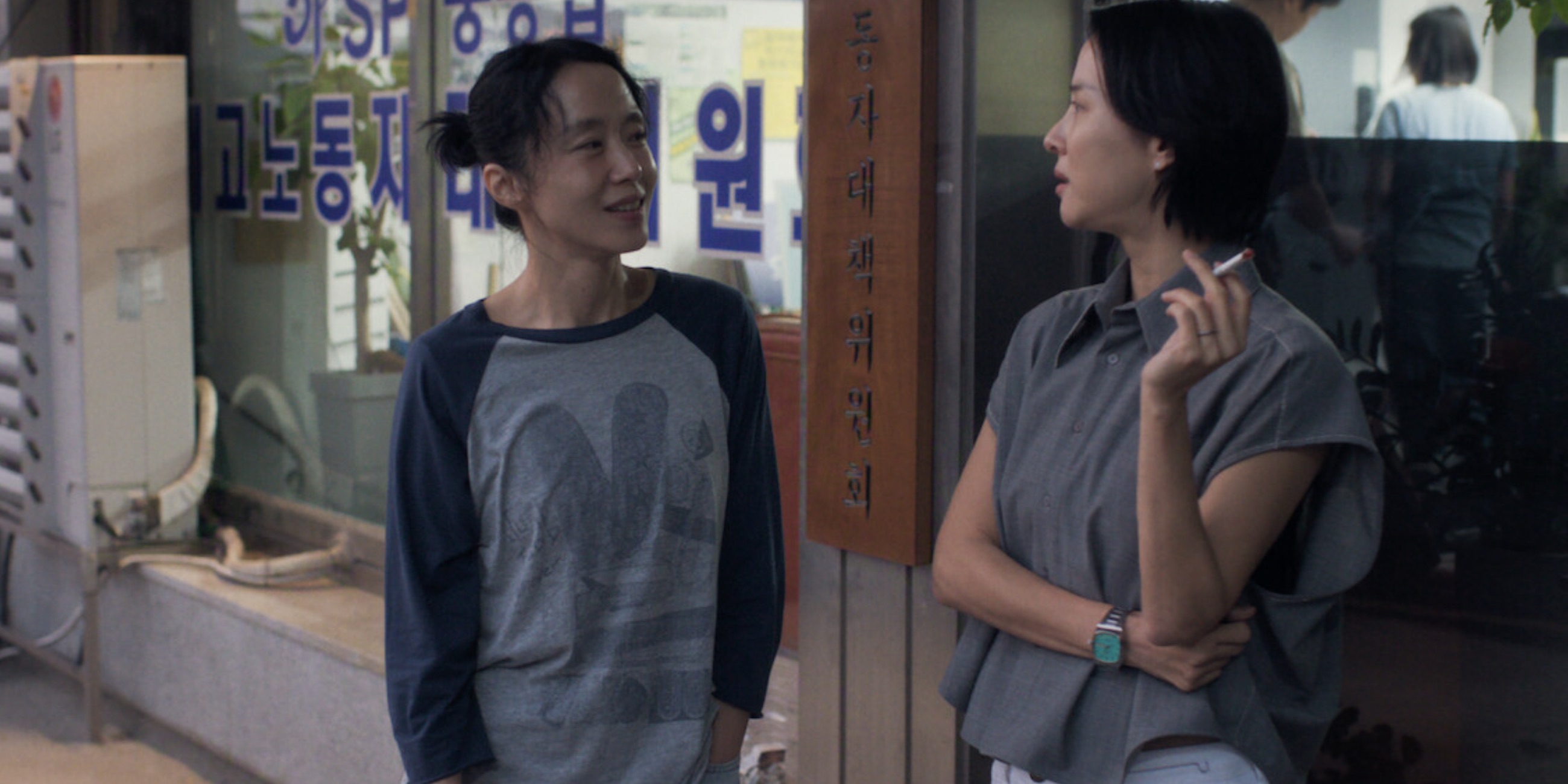
The duo’s conversations, often recorded on Ye-ji’s equipment, encompass a wide range of topics, including Mi-ok’s past, her relationship with her husband, and their involvement in the workers’ strike. In time, the director also showcases an interest in eventually interviewing Ho-seok for her project. Nonetheless, the factory worker has been clammed up ever since the strikes ended. His drinking problem has worsened; he seems to have cut all ties with his old colleagues, and he remains unable to participate in the group therapy that many of his old allies benefit from. Still, his wife’s friendship with the filmmaker inevitably puts him and his family at the center of Ye-ji’s curiosity. Eventually, after getting to know the family well, she even invites them for a weekend getaway with her and her husband to a beachside holiday house.
The filmmaker’s husband, Sang-woo, is an extremely wealthy businessman. He’s supportive of his wife’s work and often shows it by showing up for her. Yet, he doesn’t seem to have the same level of empathy for the subjects of her film as she does. In fact, he even assumes her friendship with Mi-ok is a part of her overarching attempts to achieve authenticity in her work. At the beach house, Ho-seok, who has been opposed to giving an interview so far, agrees to sit down with Ye-ji in front of her camera. This session between the filmmaker and her subject sends their spouses off to wander the beachside in each other’s company. When Ho-seok speaks of his past, it’s with a raw honesty that he has never shown before. During the strike, he was one of the workers who were brutally assaulted by the police officer following state intervention.
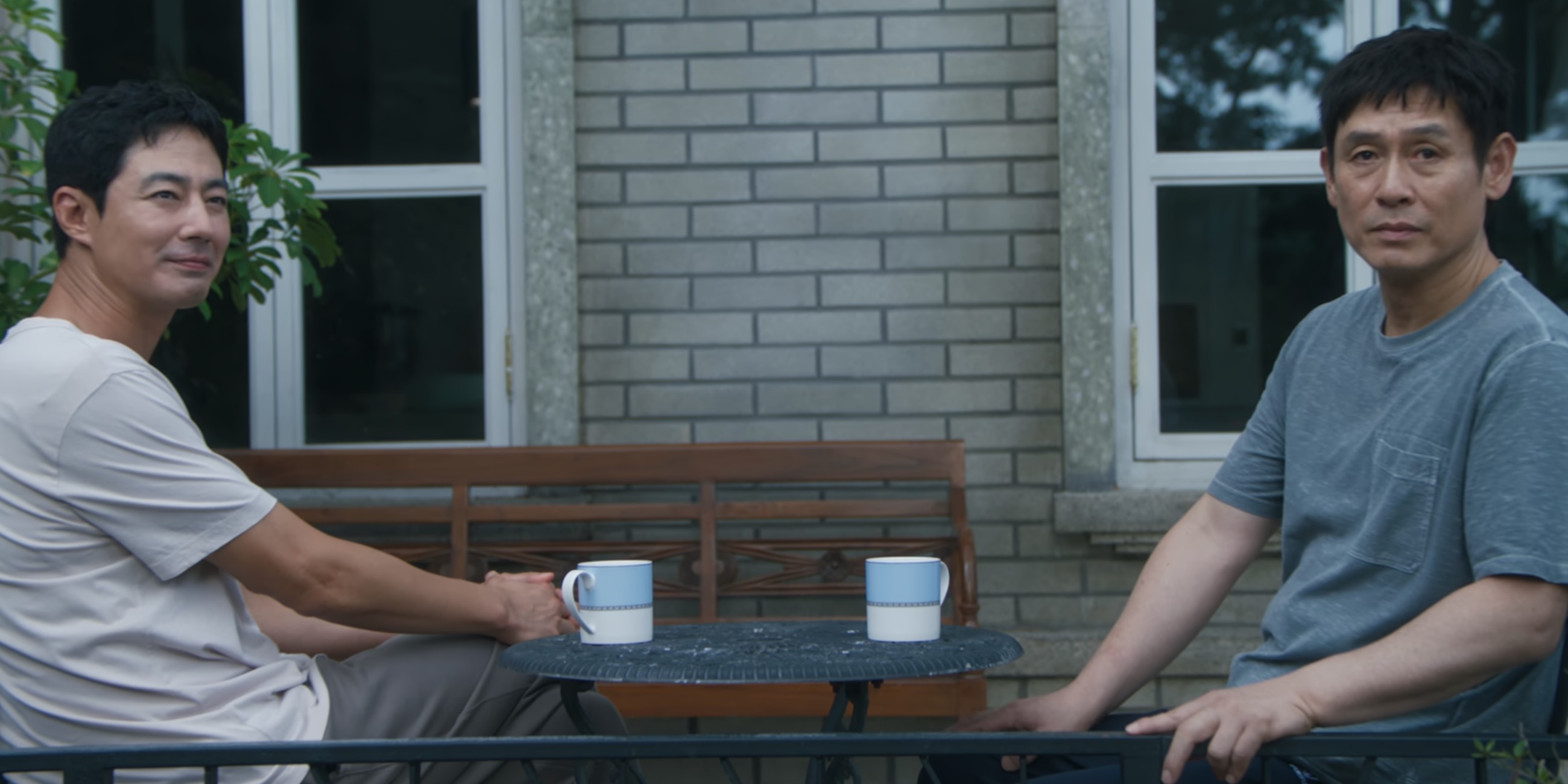
Where Ho-seok had looked out for his comrades, his friends had all but left him behind when things went south. The catharsis of his first interview with Ye-ji sticks with him to the point where he has to run away into the woods the following night to scream, shout, and trash in his frustration. Mi-ok, who had followed him from their room, witnesses this breakdown from hiding. Ye-ji and her camera do the same thing. On the second day of the vacation, a repeat of the previous day’s events happens. The filmmaker interviews Ho-seok while Mi-ok and Sang-woo go out for a walk on the beach. Only this time, things don’t end on a mellow note with the foursome partying the night away in the basement. This time, Mi-ok realizes the reality of what this vacation truly means for both herself and her husband, as well as the other couple. Thus, when she returns to the house to find her husband sobbing in front of Ye-ji’s camera, she insists on ending the vacation along with her and her family’s involvement in the documentary.
Possible Love Ending: Why Does Mi-ok Pull Out of the Documentary?
Throughout the story, Mi-ok remains happily supportive of Ye-ji’s documentary while her husband shows some skepticism about the venture. However, in the story’s climax, these roles are reversed, with the latter opening his heart out ot the filmmaker and his wife insisting on ending their collaboration on the project. The change in Mi-ok’s behavior isn’t actually sudden or abrupt at all, but rather a result of a mounting pressure that has been building between the two couples from the very start. The dynamic between the two couples remains plagued by the various instances of power imbalance between them. The trip to Sang-woo’s beach house brings this disparity into stark clarity. Regardless of the honesty behind Ye-ji’s friendship, the truth of the matter remains that her relationship with Mi-ok and Ho-seok is built from a position of exploitation. Her interest in the couple’s lives and stories comes with the caveat of a camera that brings its own share of complications.
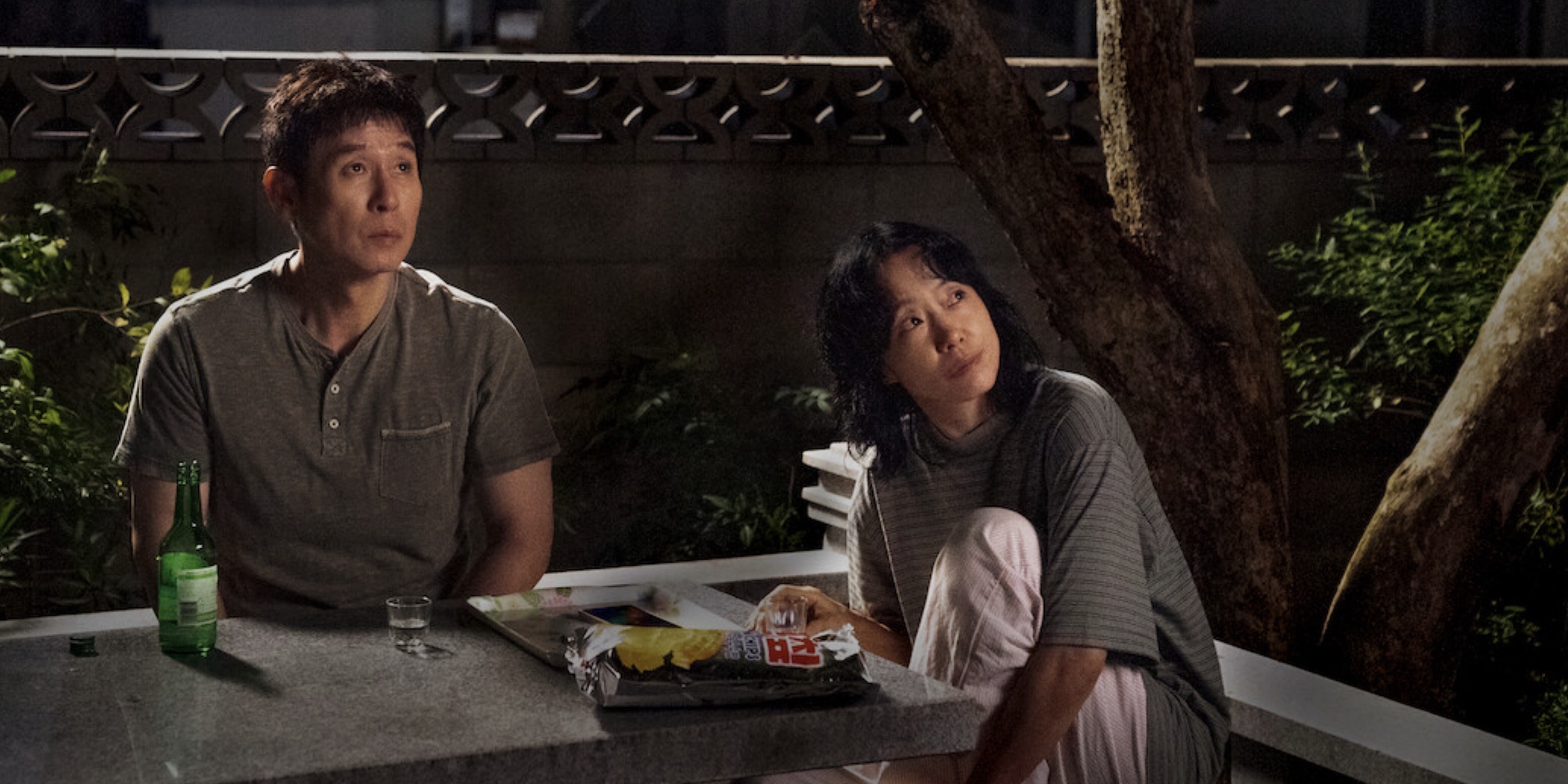
As such, even though the filmmaker wants to establish that the dynamic between the two couples is one of friendship, she’s also the one who constantly puts the other duo in the position of the subjects. Mi-ok and Ho-seok’s stories, even ones shared over dinners, aren’t just a means for understanding to form between them and the other couple. Instead, it’s fodder for an overarching project that is ultimately in service of Ye-ji’s best interests. Two instances stand out as possible events that make this reality clear to Mi-ok. One unravels on the early morning of their first day at the beach house when Ho-seok seeks catharsis in solitude by wandering off into the woods. When Mi-ok finds her husband, she has the decency to grant him his privacy by keeping her presence a secret. Ye-ji, who has followed the couple from the house, also keeps her presence a secret, but her camera robs the moment of any privacy.
Additionally, the revelation that, over the course of the weekend, Sang-woo has closed a business deal worth millions also puts things in perspective for Mi-ok. She realizes that despite Ye-ji’s insistence that she wants to understand the plight of the laborers, she lives in a completely different world. In fact, her reality is much closer to the bigwigs at SP Heavy Industry than to its laid-off workers. Afterward, an encounter with Sang-woo, likely a test intentionally set up by Mi-ok, confirms the transactional nature of the other’s couple’s company. They’re perpetually on the hunt for their desires, whatever form in which they might manifest. For Sang-woo, it can be a business deal or the desire to chase after Mi-ok. For Ye-ji, it’s gaining access to the poorer couple’s stories, both joyous and traumatic ones, to exercise her own empathy and creativity. At the end of the day, Ho-seok and his family end up being a well of value, open to exploitation. This realization is exactly what compels Mi-ok to abandon her collaboration with Ye-ji.
Why Is Ye-ji Making the Documentary?
The dynamic between the two couples unfolds in a way that leaves room for ambiguity and blurred boundaries. Yet, while Ye-ji and Sang-woo are on the obvious beneficiary side, there’s nothing to suggest that the filmmaker has intentionally created this framework. Ye-ji was moved to create a documentary about the struggles of labor workers after a trip to Dubai. During the luxurious vacation, she saw the product of hard work and labor, but the workers themselves were hidden from view. Afterward, when the SP Heavy Industries scandal unraveled in South Korea, she became interested in bringing labor workers to the forefront through this story. She says she feels a personal connection to the cause because she grew up watching her father work hard at his laundromat. Ironically enough, her father was less of a worker and more of an entrepreneur since he owned the laundromat.
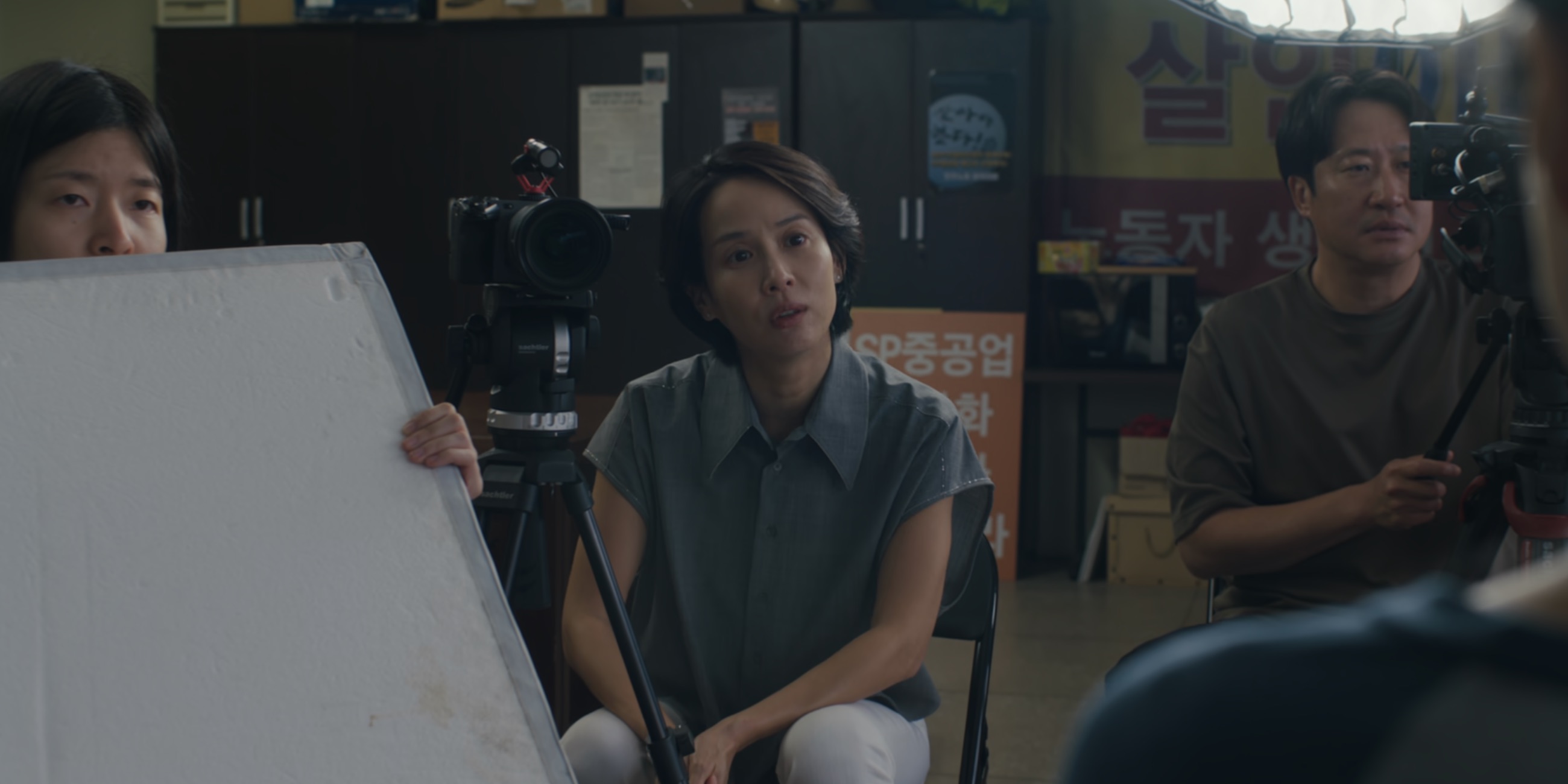
This origin story in and of itself reveals a foundational truth about Ye-ji that highlights many of her flaws and blemishes. Since she grew up in privilege, she has a distorted perception of the world, where she thinks she can be on even footing with someone like Mi-ok. When she approaches her and Ho-seok to be the primary subjects of her documentary, she willfully inserts herself into their lives like an intimate friend, blurring the power dynamics that already exist between them. After all, it isn’t simply friendship that she’s after. She’s constantly asking Mi-ok and Ho-seok to put themselves in vulnerable positions, not just for herself but for her camera. In turn, she often shows her own vulnerability through shared stories and anecdotes. Yet, notably, she turns the camera off during these instances.
Comparatively, when Mi-ok casually shares vulnerabilities of her childhood over coffee, Ye-ji asks for the story to be repeated so it can be captured on the camera. The filmmaker understands the concept of privacy and feels entitled to it for herself, but fails to take it into consideration for others. The worst of this exploitative mindset reveals itself when she follows Mi-ok and Ho-seok into the woods to capture the latter’s breakdown on film. It’s such a blatant breach of trust that can be easily hidden behind an honest mistake. Conversely, while the camera is an invasive tool, it can’t be denied that it is also a promise of understanding. Despite everything, when Ho-seok gets in front of her camera and recalls his past, it allows him a source of catharsis that he has been denying himself for a long time. Ultimately, like most things in life, Ye-ji’s motivation and, most importantly, the impact of her documentary contain multitudes. While it possesses shades of selfishness and invasiveness, it is also a pursuit of compassionate communication.
Why Did Cheol Steal the Whistle?
One of the more obvious mysteries that emerges from the finale revolves around Cheol, Mi-ok, and Ho-seok’s son, who is a constant fixture in the story. Towards the end of the couple’s stay at Sang-woo’s place, Ye-ji reveals that her husband’s whistle, an artifact from his childhood,d has gone missing. Naturally, the unsaid implication that the other family might have taken it doesn’t go over well given the circumstances. Nonetheless, despite Mi-ok’s righteous insistence otherwise, she realizes that her family is involved in the whistle’s disappearance after all. It seems young Cheol had snagged the item from the study before they took their leave from the beach house.
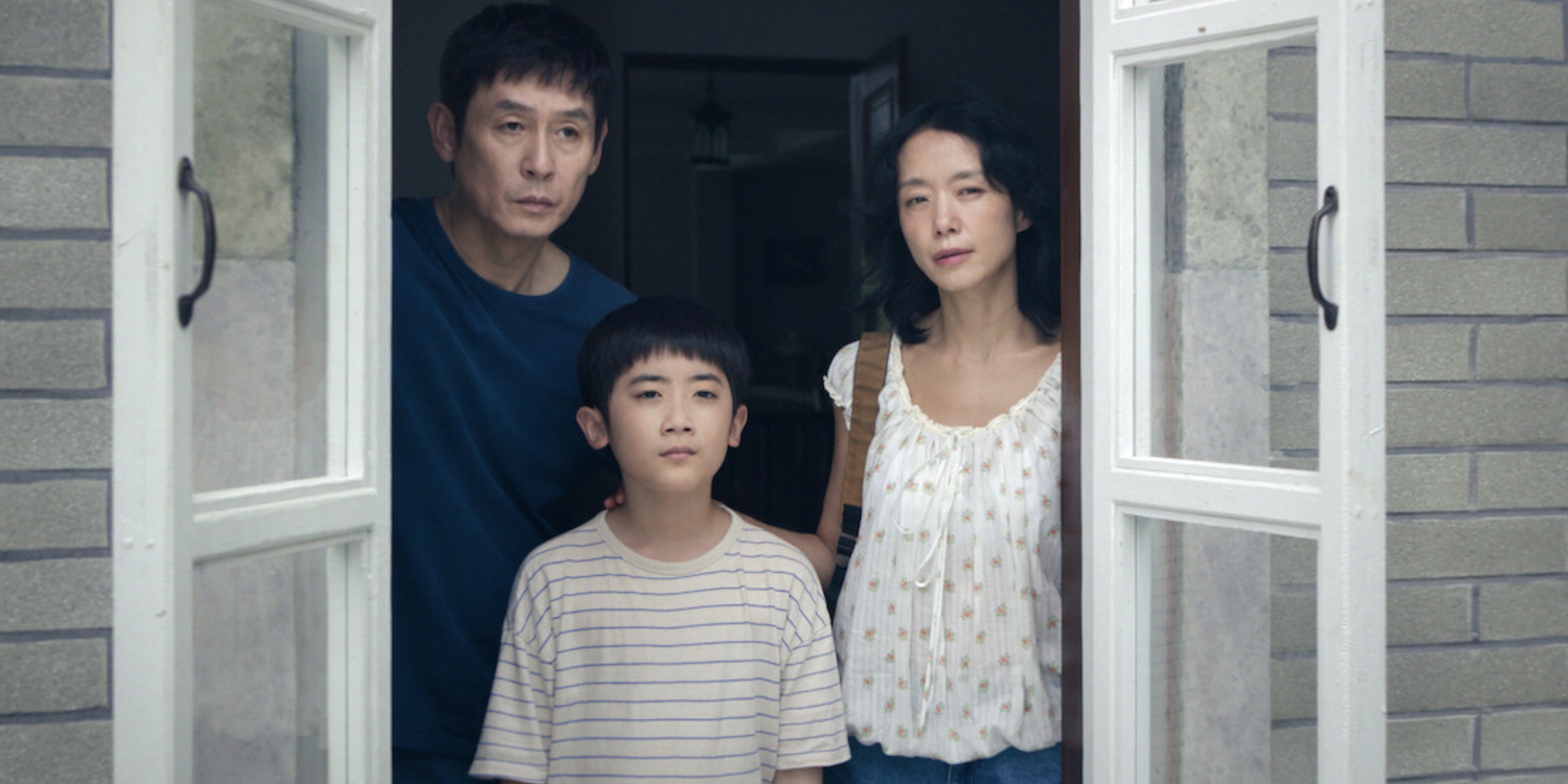
Although Mi-ok is frustrated at the development, she never asks her son why he stole the whistle. Thus, his motivations remain ultimately uncertain. Yet, it’s easy to hazard a guess. Throughout his stay at the beach house, Cheol mostly befriended only Min-sik, the property’s caretaker. During the preliminary tour of the house, Sang-woo told the others about the history between his family and the caretaker. Min-sik’s father held the position before him, which meant that he grew up around Sang-woo and his family from a young age. As kids, the latter would blow his grandfather’s whistle to call Min-sik to play with him and keep him company.
During the tour, he blows the whistle again; the caretaker turns up, showcasing how deeply the act of summoning and appearance had become embedded in his muscle memory. It is possible that Cheol stole the whistle as a memento to remember Min-sik, or to attempt to summon Min-sik himself. However, it is just as likely that the kid took the whistle to free the caretaker of its obligation. Sang-woo finds no faults in his childhood and seems to believe generational employer-employee dynamics are a result of fond familiarity. Likewise, Ye-ji, who is currently working on a documentary about laborers, benefits from the invisible labor of her own workers without realizing the irony of the situation. Yet, it’s possible that Cheol, even at his young age, takes notice of these disparities and steals the whistle with it in mind.
Who Bought SP Heavy Industry? Was it Sang-woo?
The end of the story brings another startling revelation to light: SP Heavy Industry has just been acquired by an American company. Even though this acquisition arrives so many months after the initial strike, it is directly connected to the layoffs and the chaos that they incited. The company’s desire to shape itself into a more profitable business that would appeal to buyers is one of the prime reasons they proposed the mass layoffs. In the end, despite the protests that broke out, the workers still found themselves receiving the short end of the stick. Now, SP Heavy Industry is finally turning up the profit it has been chasing since day one, at the cost of the people who dedicated their lives to the company. Although it is never addressed, there is an implication that Sang-woo might have been involved in this controversial acquisition.
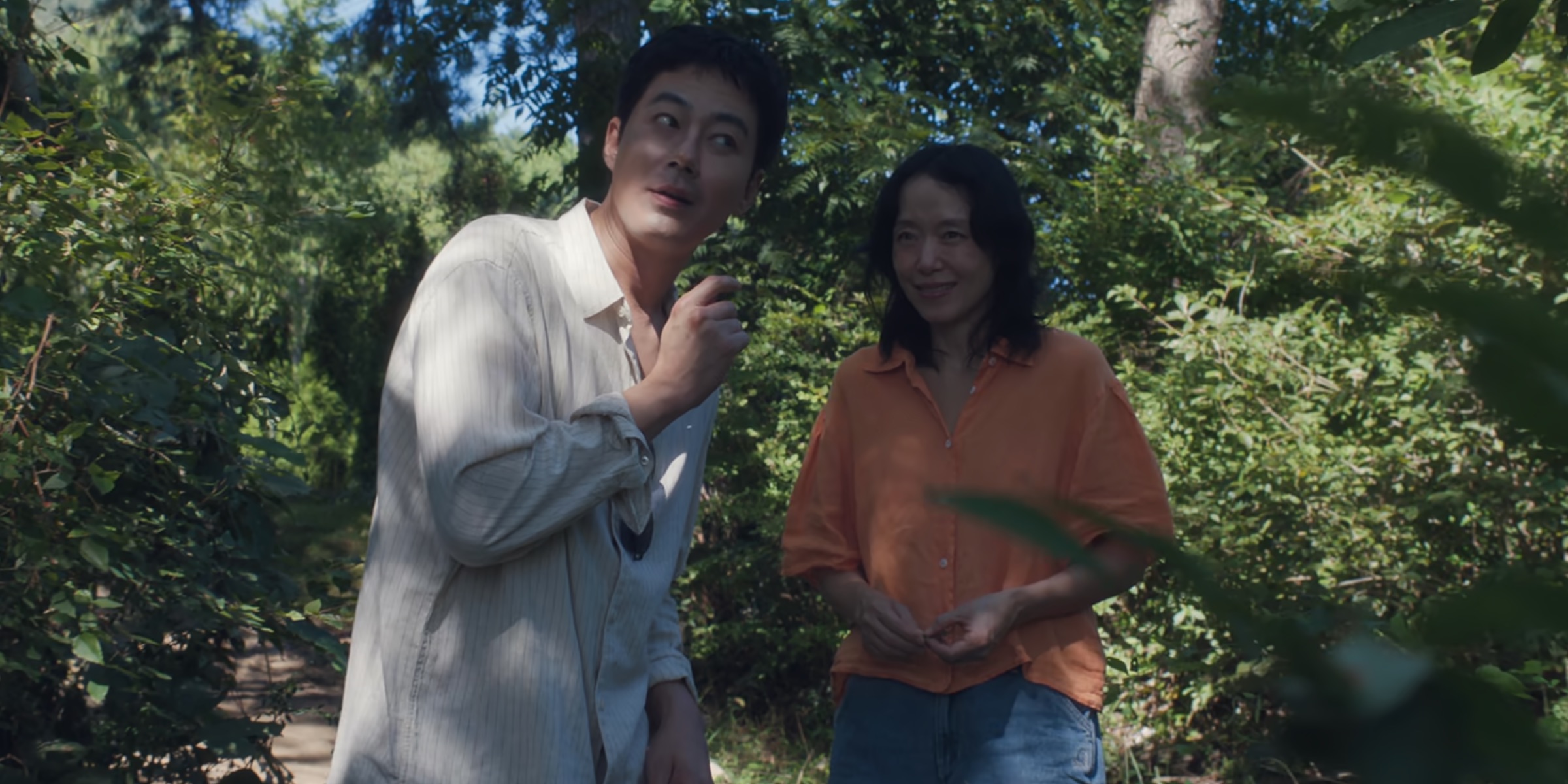
At the beach house, Mi-ok learns that Sang-woo’s business deal, which included facilitating a sale between a homegrown business and an American buyer, has been a success. The businessman is more than satisfied with this series of events, which promise to bring him financial and professional benefits. The possibility of a tangible connection between this deal and the SP Heavy Industries acquisition remains impossible to confirm. Even so, the story makes a point about the hypocrisy of Sang-woo and Ye-ji through the mere possibility of this connection. While the filmmaker prides herself on telling the stories of the workers abused under an unfair system, her husband continues to benefit from the system, possibly in the same exact ways as the antagonists of her documentary.
Read More: Is Netflix’s Possible Love Based on a True Story?


You must be logged in to post a comment.