
 Aahana Swrup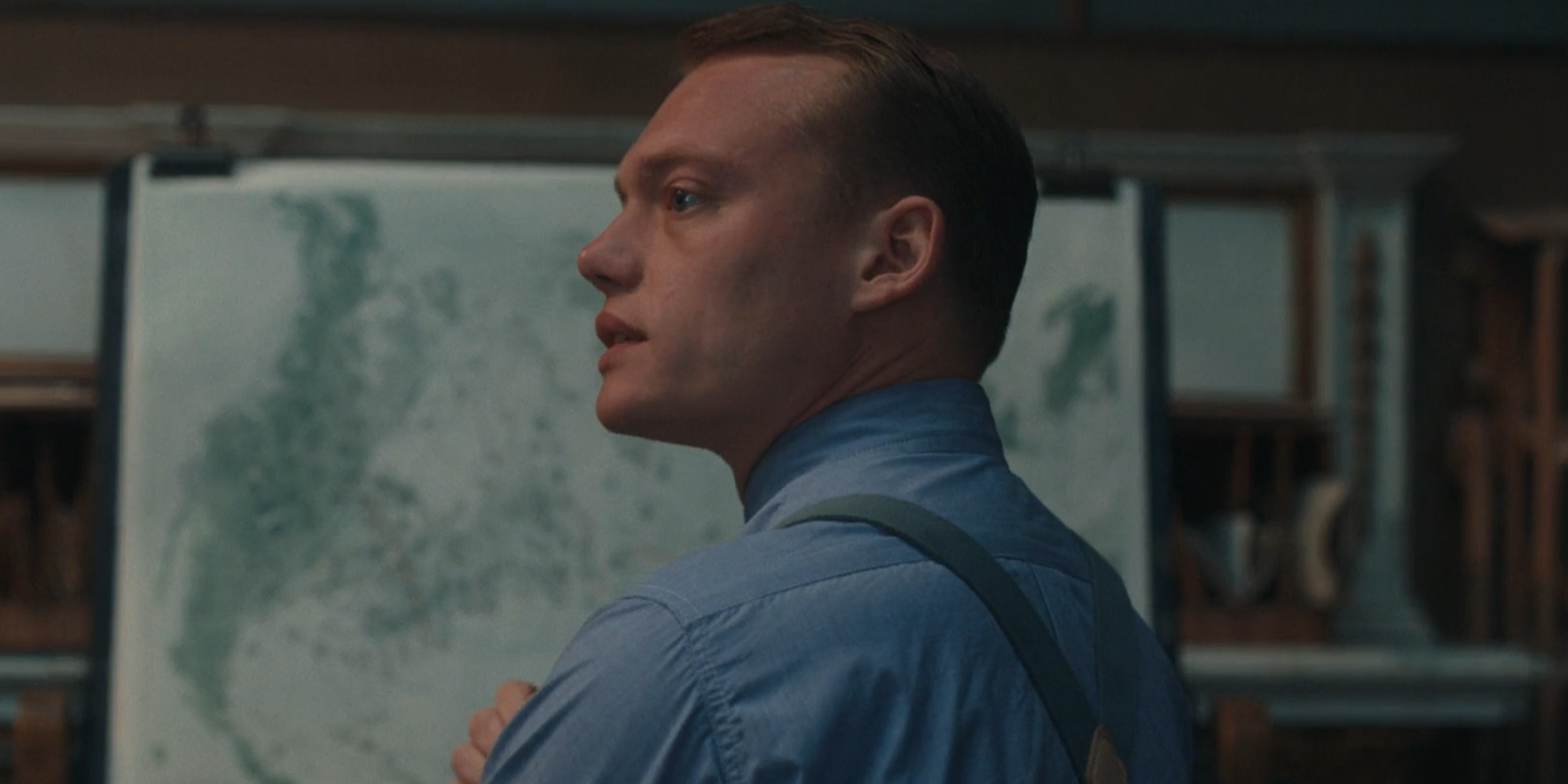
‘Pressure’ is a historical war film that turns its attention to the conversations happening in headquarters and war rooms that go on to decide the fate of pivotal battlefields. The story revolves around James Stagg, a Scottish meteorologist, who is appointed as the head of the weather forecasting team working for the Allied Forces. Supreme Commander General Dwight D. Eisenhower is preparing to launch the D-Day operation, the most ambitious airborne attack in history, on the beaches of Normandy.
Stagg’s job is to evaluate the necessary data and pass a judgment on whether or not the mission is safe to proceed with on its decided date. At a time when weather forecasting was a delicate science with no confirmed answers and only highly educated guesses, Stagg’s work promises to shape the history of the entire world. Notably, the meteorologist isn’t alone in this endeavor and instead commands a team of fellow field experts. One of these includes Andrew Carter, who fulfills an assistant-like role for the head meteorologist on screen.
Andrew Carter Represents the Many Faces That Made Up James Stagg’s Historical Team
‘Pressure’ is based on the historical reality of the conversations surrounding D-Day that took place in the Allied Forces’ Headquarters before the operation’s launch on June 6, 1944. The film itself is an adaptation of the 2014 stage play of the same name by David Haig, who also serves as a writer for the cinematic project. As a result, Andrew Carter, an officer working for the Allied Forces who goes on to assist James Stagg, is directly lifted from Haig’s play. However, it seems the character has no further connections beyond the play. Andrew Carter is a work of fiction created in the service of the story. Unlike other characters in the film, like James Stagg or Dwight ‘Ike’ Eisenhower, the young officer retains no direct counterpart in the real-life history of the Battle of Normandy.
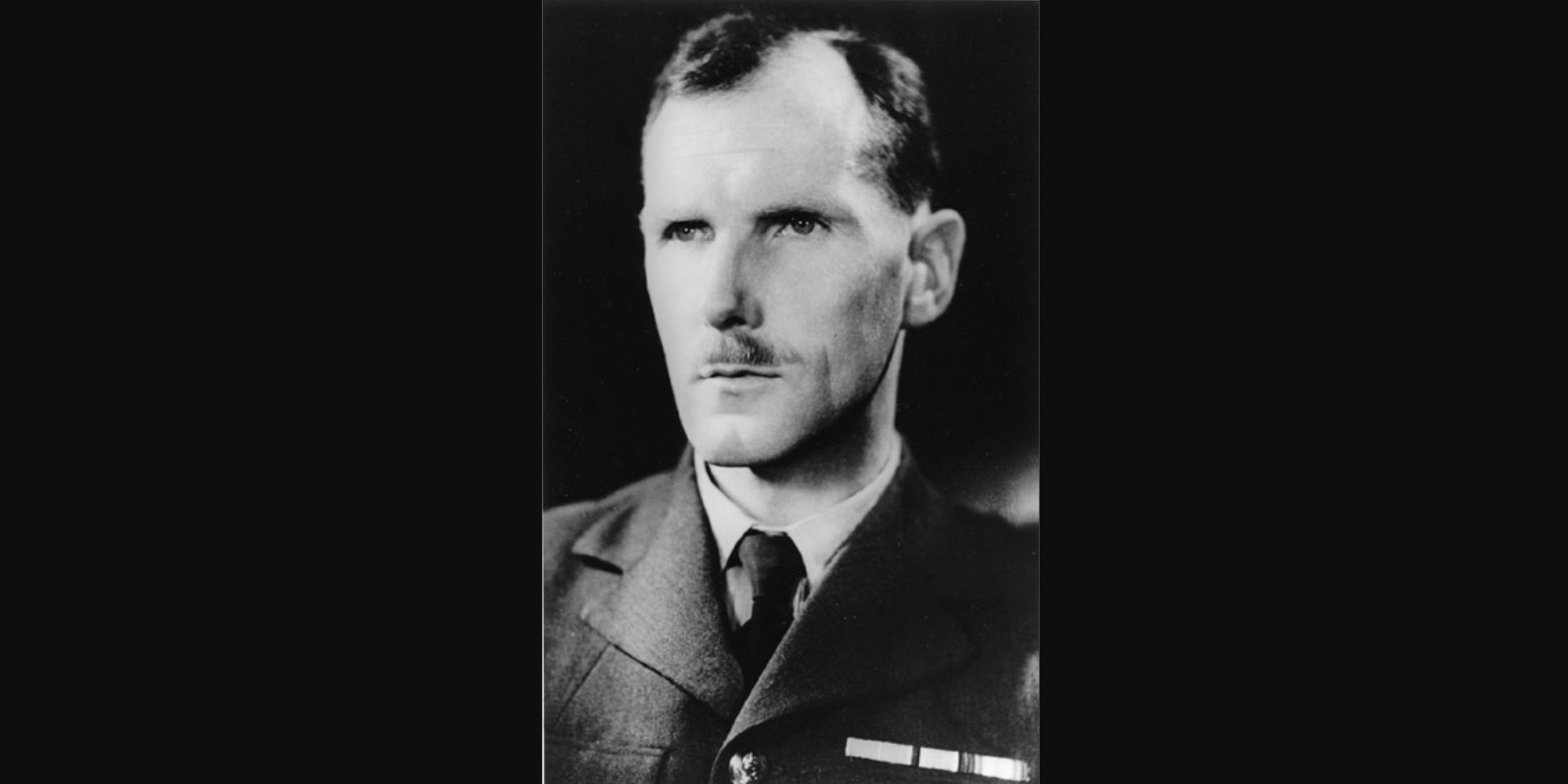
In the story, Andrew serves as a supporting crutch to James, who remains perpetually at odds with the leaders and the other meteorologists who are opposed to his unfavorable forecasts. Regardless of their disbelief, the department Chief stands his ground and strives to draw his conclusions based only on fact and science. In the 1940s, when weather forecasting technology wasn’t as advanced as it is today, his team had to rely on human observation, weather balloons, and a network of informants to collect the required data. As a result, officers like Andrew, who dealt with the more mundane and clerical aspects of meteorology, served a purpose that was crucial to the foundation of Stagg’s ultimate findings.
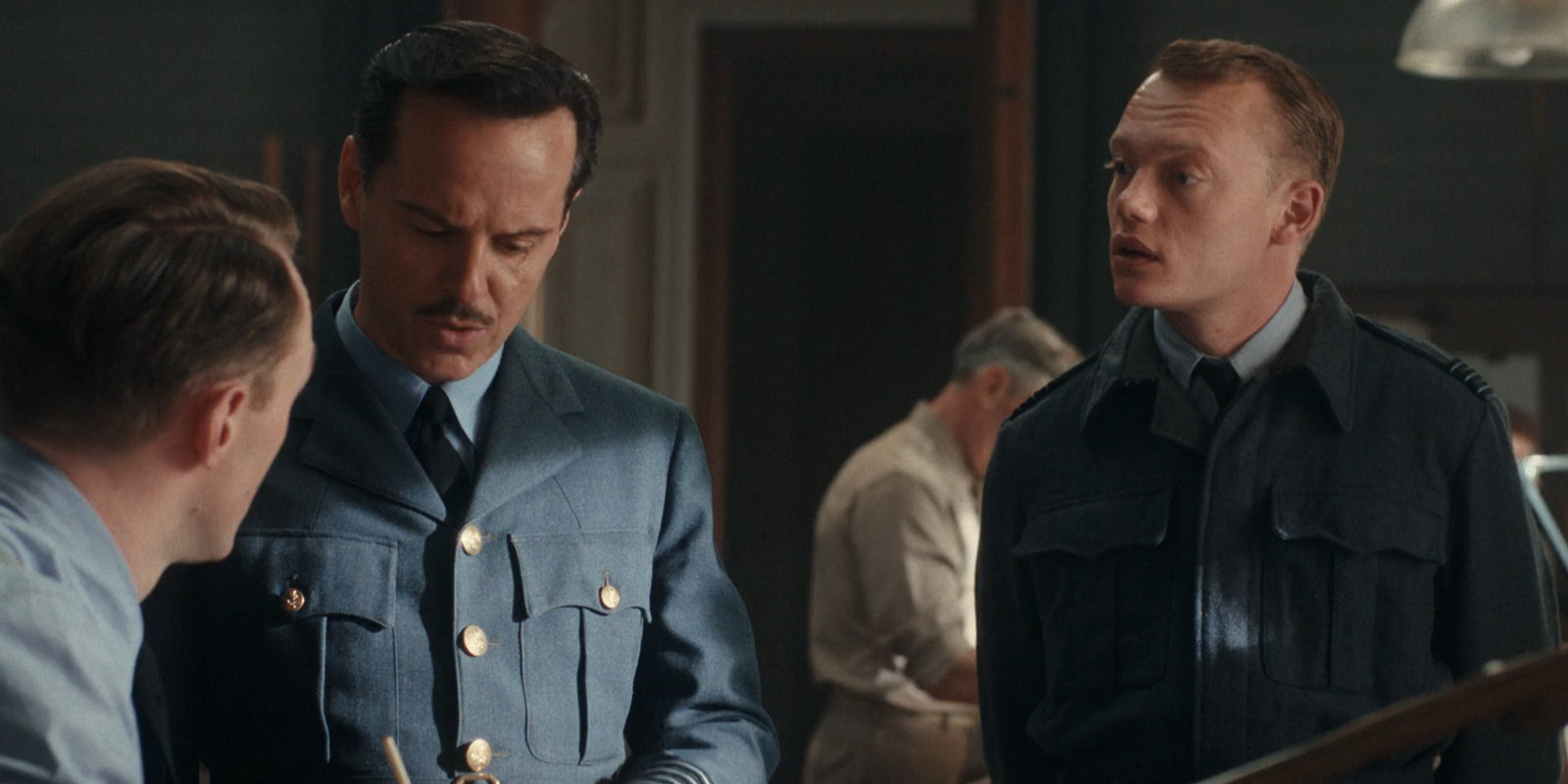
In a conversation with Hollywood Progressive, director Anthony Maras spoke about Stagg’s historical team and said, “(And) You must remember all the people in those rooms are very brilliant people in the Allied leadership. I’m sure there were exceptions, but those other meteorologists, the scientists, the logicians, and the generals had very, very clear-eyed opinions. They were very distinguished and had done really well, but they were at absolute loggerheads as to what to do next. And when you have these big personalities who really know their stuff, and you watch them clash, it’s inherently dramatic. And I was interested in exploring that element further, too.” Andrew’s fictitious character serves to shine a light on these collective scientific minds and their contribution to the weather forecast for D-Day.
Read More: Where Was Pressure (2026) Filmed? All Shooting Locations


You must be logged in to post a comment.