
 Aahana Swrup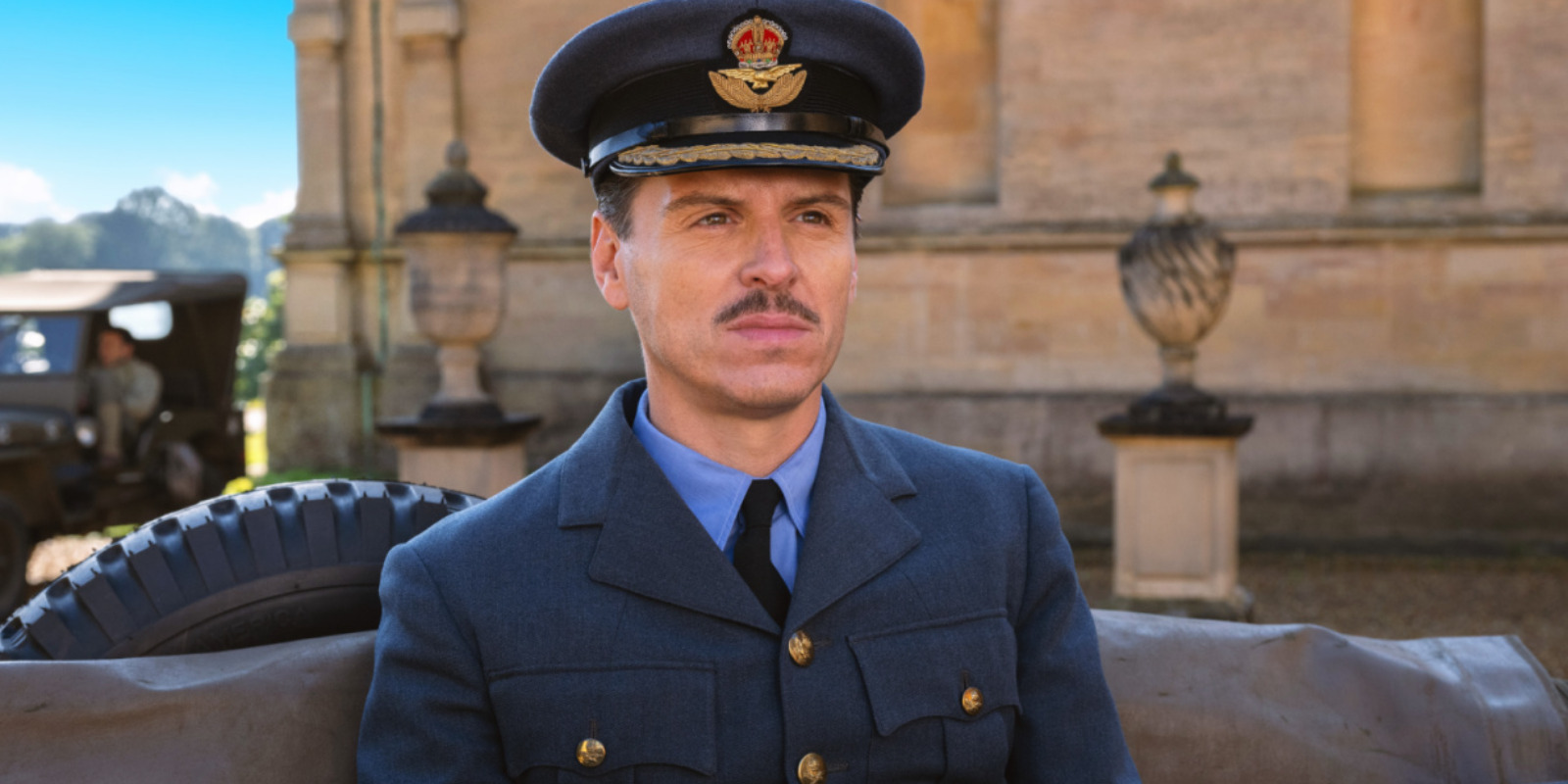
Directed by Anthony Maras, ‘Pressure’ charts a crucial yet untold story from World War II. Instead of the battlefield, the bulk of the narrative unfolds at the headquarters of the Allied Forces. Under General Dwight ‘Ike’ Eisenhower, the Allies’ bright minds face a daunting challenge: the upcoming Operation Overlord. Also known as D-Day, the operation promises to be the largest seaborne invasion in history, with the fate of the world hanging in the balance.
However, in the lead-up to the operation, James Stagg, a Scottish meteorologist, comes to some contentious conclusions that necessitate the postponement of the invasion on the beaches of Normandy by a whole day. As such, the conclusion of the war and the Allies’ chances of winning rest entirely upon the outcome of this one choice. Through this historical story set in real-life control rooms, the film explores a pivotal yet largely invisible aspect of warfare.
Pressure is Based on David Haig’s Play That Explores the Final Hours Before D-Day
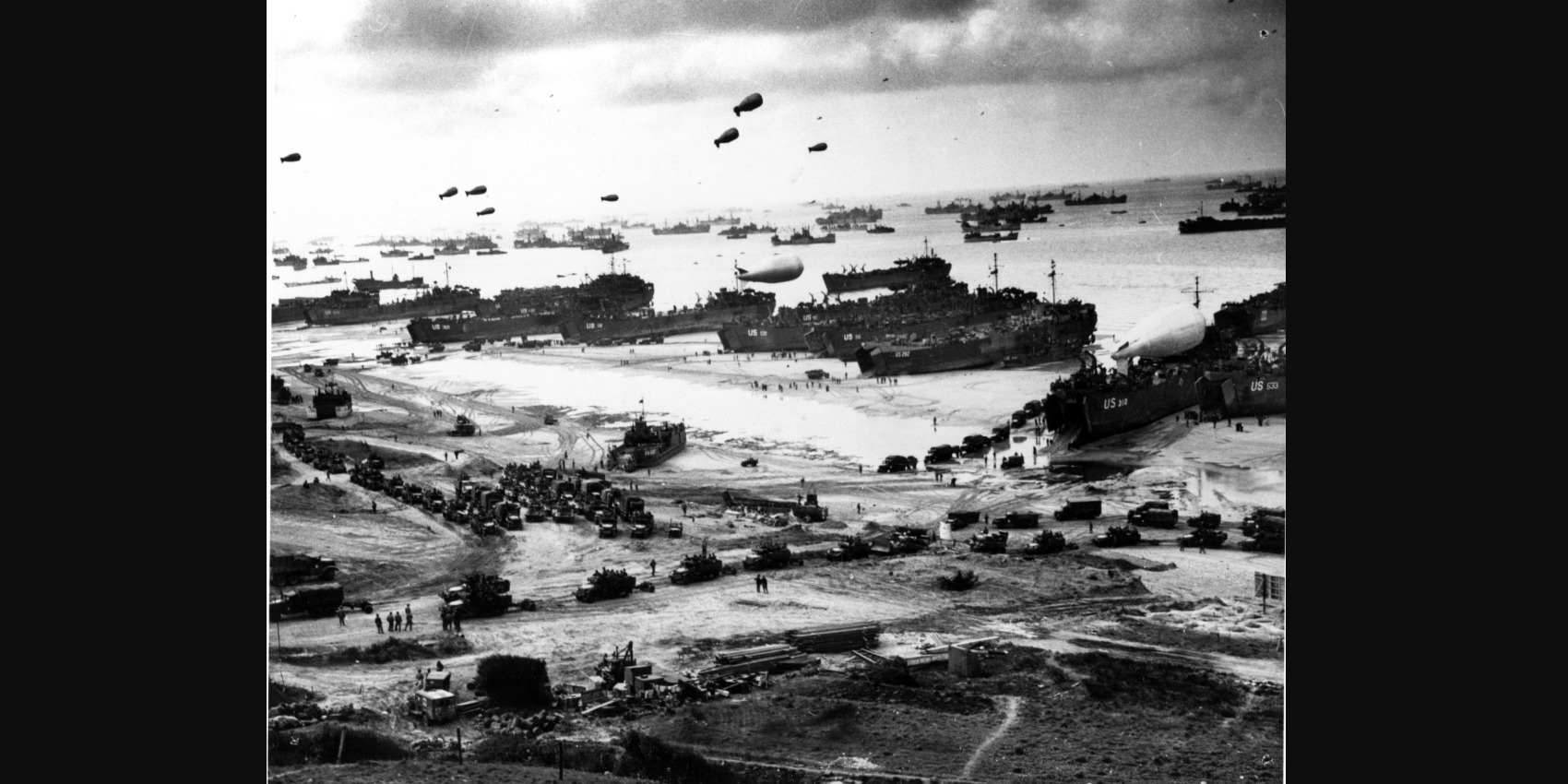
‘Pressure’ is a raw historical film that sheds light on the historic Battle of Normandy by exploring the 72 hours leading up to the operation. The historical event itself became the subject of playwright David Haig’s critically acclaimed play eponymously titled ‘Pressure.’ On June 6, 1944, the Allied Forces launched their invasion of western Europe to liberate it from German occupation. Around 12,000 aircraft, 7,000 naval vessels, and nearly 160,000 Allied troops were deployed to the beaches of Normandy. The operation was ultimately successful and laid the groundwork for the Allies’ eventual victory. However, it was initially meant to take place 24 hours earlier on June 5, 1944.
In his 2014 play, David Haig explores how General Dwight D. Eisenhower came to make this decision. Haig’s play highlights the central role that James Stagg, the group captain and chief meteorologist, played in this historical decision. Over the years, the play has received much audience and critical acclaim. With ‘Pressure,’ the eponymous play is brought to the screen, adapted for cinema. Haig remains significantly involved in this adaptation, serving as the screenplay writer alongside his co-writer and director, Anthony Maras. In adapting the story from the stage and the pages of history, the duo preserves the narrative’s historical accuracy and thematic resonance.
General Eisenhower and Meteorologist James Stagg Retain Center Stage in the Historical Tale
During World War II, as Operation Overlord was in development, General Dwight D. Eisenhower initially chose June 5, 1944, as the invasion day. Multiple factors, like the lunar phase, tides, wind speed, cloud cover, and more, had come into play. Yet, as the troops waited to be deployed, Eisenhower’s Chief Meteorological Officer, James Stagg, a Scottish scientist who had gained a reliable reputation as a forecaster, urged the General to consider an alternative. Due to recent weather complications, Stagg advised delaying the operation by 24 hours. As a result, the General of the Operation Overlord was faced with a decisive dilemma.
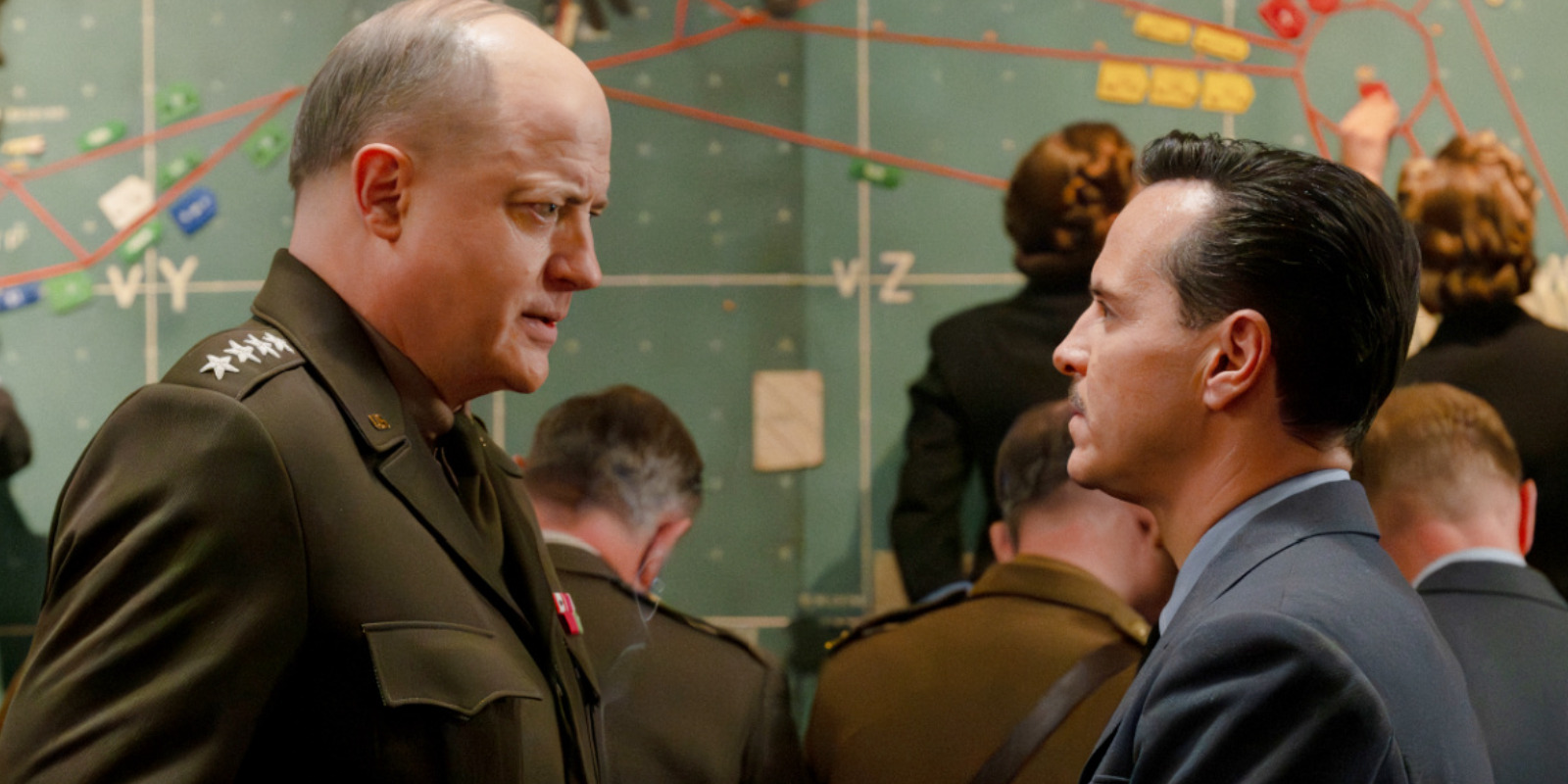
In the end, Eisenhower decided to trust Stagg’s expert advice and postponed the invasion to June 6, 1944. This ended up becoming one of the defining and most pivotal decisions of the war, which could have even potentially tipped the tide of war in the Allies’ favor. In a conversation with The Associated Press, director/writer Anthony Maras spoke about what drew him to this particular moment in history and why he wanted to tell this story. He shared, “How do you bring your best self to the table to make the decision? How do you have the humility to acknowledge when you don’t know something? And how do you have the wisdom to determine who to trust?… Eisenhower in the end showed that he was a maestro at that.”
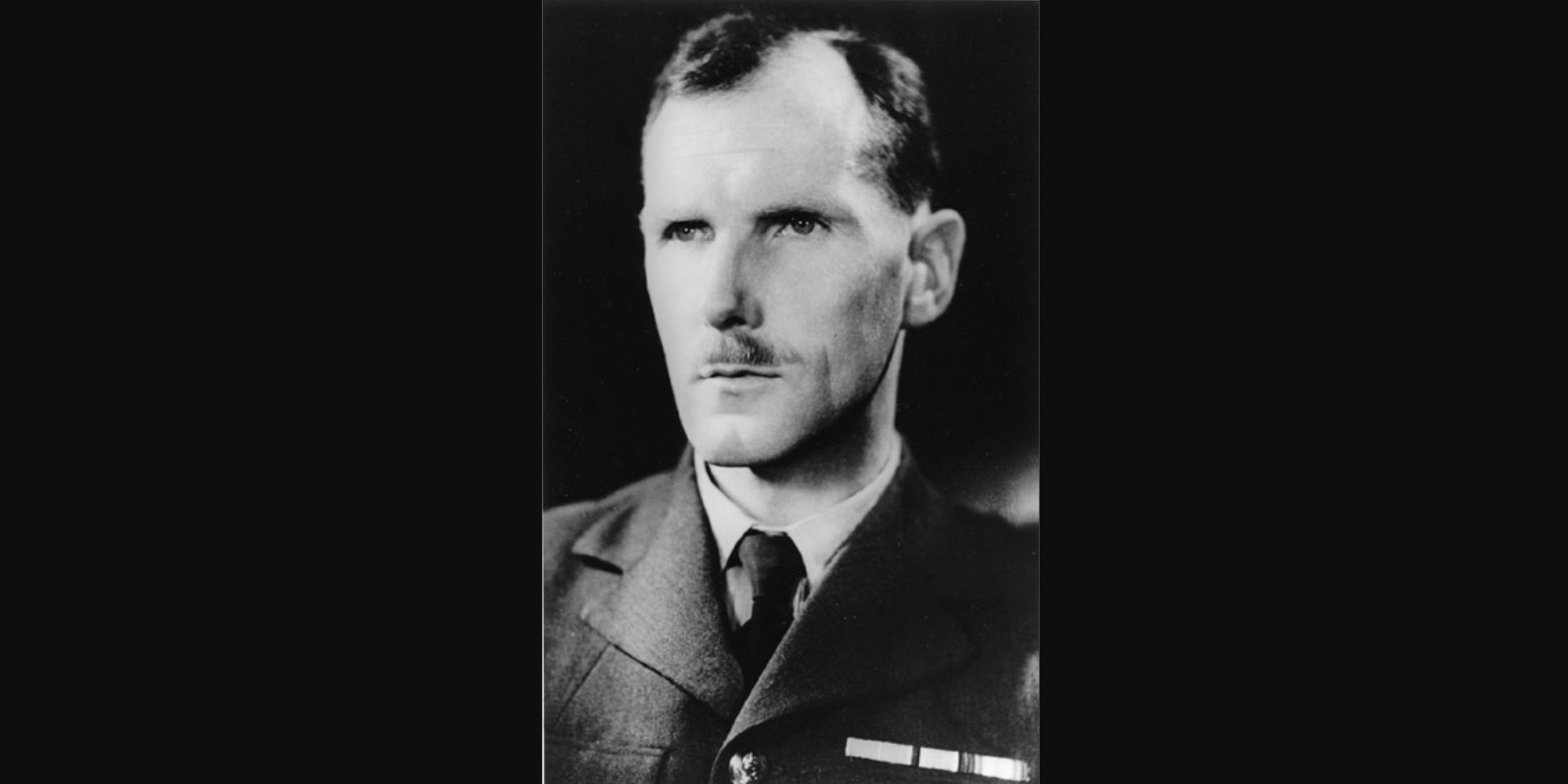
Maras further added, “What I love about the Stagg character is he’s someone who feels compelled to tell someone something that they don’t want to hear, that they violently don’t want to, but they need to hear. The world needs more of that.” Ultimately, ‘Pressure’ charts a story about war through a starkly unique lens. Instead of focusing on the horrors or the human toll of such large-scale battles, the story explores the reality of the power structures and intelligence systems that determine the details of each operation and deployment. Through the real-life experiences of Eisenhower and Stagg, the story of ‘Pressure’ brings to the forefront the moral responsibility and burden that leaders carry in times of war. It places particular emphasis on the importance of scientific data and rational thought amid the chaos and mayhem of war.
Read More: Dead Man’s Wire’s True Story of Tony Kiritsis, Explained


You must be logged in to post a comment.