
 Aahana Swrup
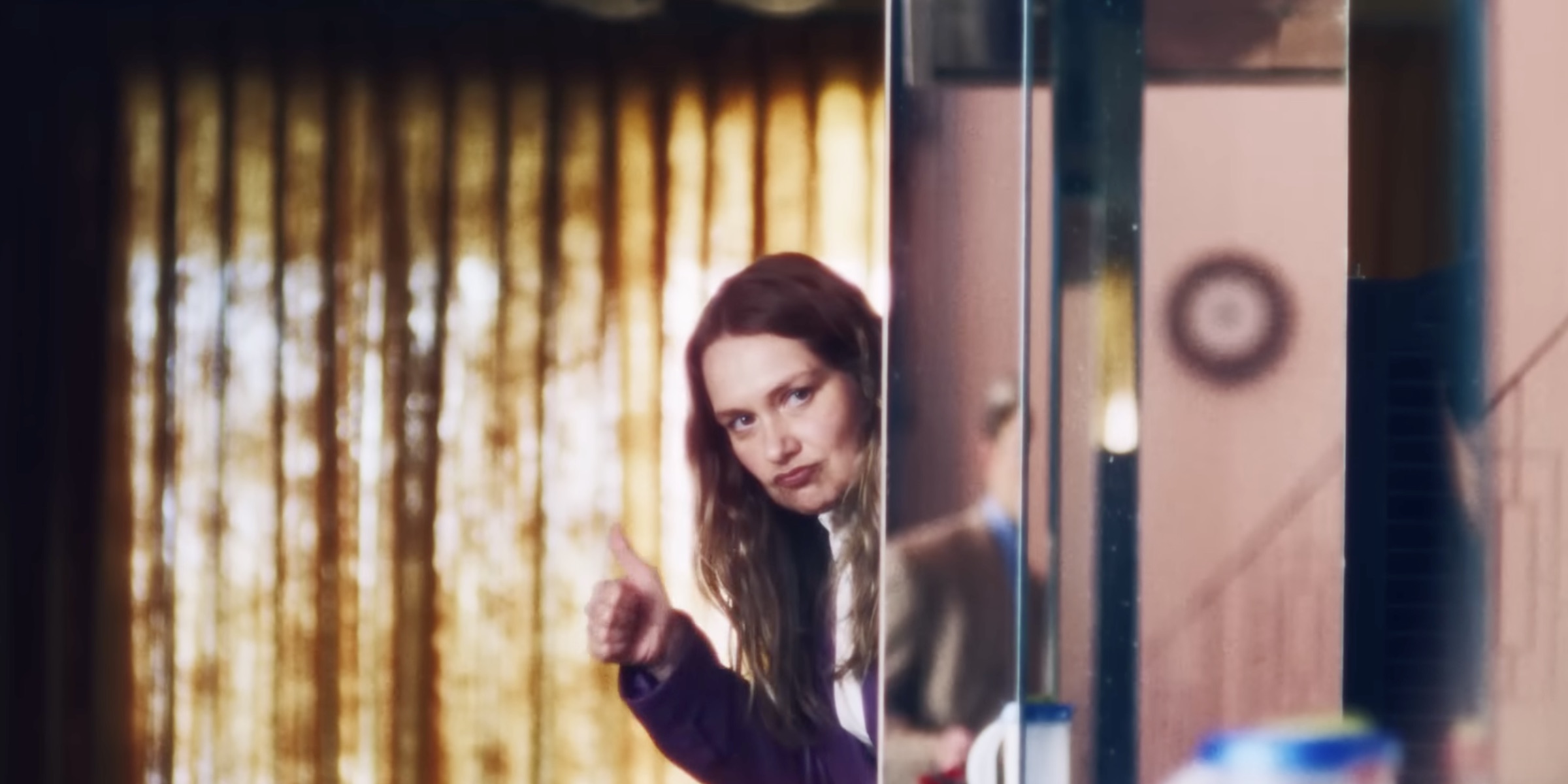
‘Primetime’ presents a story ripe with psychological drama that scrutinizes the showbiz from within. The film is about a reality TV series from the 2000s that centers on fishing for potential predators online and eventually confronting them through elaborate sting operations. The host, Chris Hansen, treats his job as the man who facilitates these confrontations as a grave moral and social responsibility. At the same time, like any face in the entertainment industry, his measure of success lies within accolades, ratings, and public adoration.
Andie Bender, the head producer on the show, largely deals with its messy backend. If Chris is the face of the hidden-camera investigation series, the producer is its backbone, managing the decoy locations and handling the logistical nightmare of a filming schedule that is reliant on the whims of online perverts. In the film, Andie’s role is largely tied to the thematic exploration of the dubious ethics of moral crusades built on the desire for public entertainment. As with most elements in this real-life-inspired story, the realism of the producer’s characterization remains subject to scrutiny.
Andie Bender is a Product of Primetime’s Fictionalization
‘Primetime’ has a direct and tangible basis in the 2004 reality TV series ‘To Catch a Predator,’ hosted by Chris Hansen, the real-life inspiration behind Robert Pattinson’s dramatized on-screen character. Yet, despite these obvious biographical elements, the film itself is far from a biopic. In fact, the film’s director, Lance Oppenheim, has described the project as “ more of a fever dream than a conventional biopic.” While other characters, like the protagonist himself or Decoy Dan, draw more straightforward inspiration from reality, Andie Bender seems to have a different genesis. There is no one direct source of inspiration that can be pinned down for Andie.
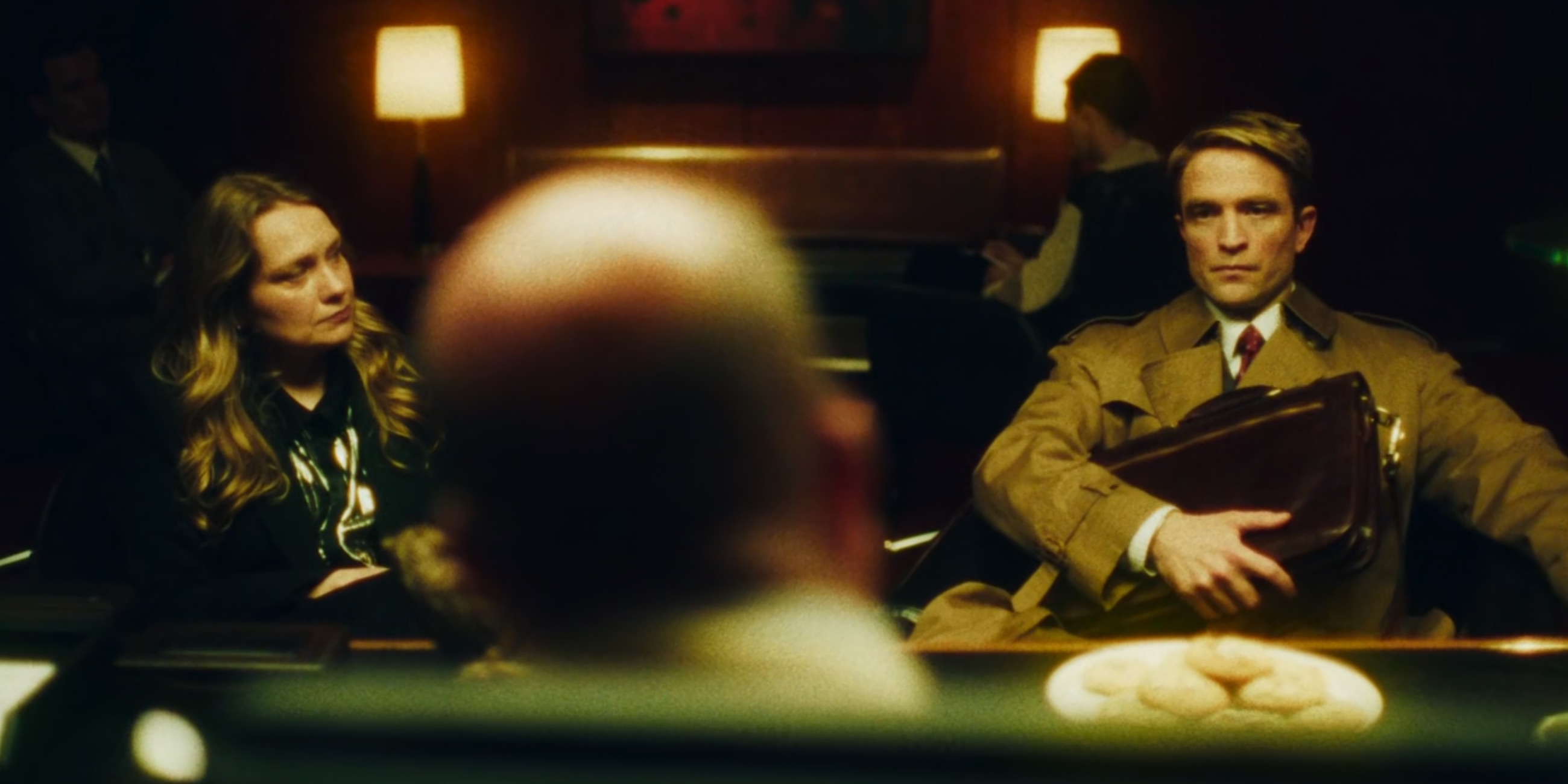
In real life, a number of individuals were attached to the show ‘To Catch a Predator’ in various ways. David Corvo, with a longstanding professional relationship with NBC and Dateline, served as the executive producer on the reality TV show. Likewise, producer Lynn Keller and field producer Donna Griffo-Johnson were pivotal to the show’s behind-the-scenes work. Consequently, in some ways, Andie’s character emerges as an amalgamation of these real-life individuals and their professional involvement with Dateline NBC. Yet, beyond similarities in their careers, even these real-life producers have no significant ties to the character. As per the account of Emily Bicks, a ‘To Catch a Predator’ alum, Keller never pushed the boundaries of the cast and crew in a manner comparable to Andie’s storylines.
Therefore, most of the on-screen producer’s characterization was a creation of ‘Primetime,’ in service of the themes and motifs of its narrative. ‘Primetime’ takes a critical look at the harsh, opportunistic reality of the show business and its impact on a show like ‘To Catch a Predator’ that operates on the idea of moral righteousness. In the film, Andie’s character remains a perpetual reminder of the corporate stakes at play in the show’s inner workings. As a result, she becomes foundational in the film’s analysis of the pitfalls of mixing profit-oriented entertainment with moral and legal justice.

To enhance this aspect of the story, many corners of ‘To Catch a Predator’s’ actual reality had to be cut. For instance, a key plot point in the film centers on the show’s newfound primetime slot, which pushes Chris to compete with other channels of entertainment. However, in real life, there was no defining shift to primetime for ‘To Catch a Predator,’ which preceded its unfortunate involvement with the suicide of Bill Conradt and eventual cancellation. Much like this instrumental plotline is a fabrication of the film’s fictionalization, Andie’s character also remains largely fictitious. Still, actress Merritt Wever sought to imbue her performance with realism through intensive and pointed research.
In a conversation with Rolling Stone, Wever spoke in depth about her preparation for the role. She stated, “I did a lot of reading, like a 60 Minutes producer’s memoir. I spoke to two longtime television producers who are still working today. It was useful to hear what the job would have been like 20 years ago without access to the internet. The way that we have it now, everything is so online. But it was valuable to hear from them about how muddled the relationship between producer and host or on-air talent can get. You’re responsible for the logistics of getting the show made, and part of what you become responsible for is how to wrangle or handle or even manipulate the host themselves.”
Read More: Where Was Primetime Filmed? All Shooting Locations


You must be logged in to post a comment.