
 Aahana Swrup

‘Primetime,’ directed by Lance Oppenheim, is a tense psychological thriller that investigates the nuances of performative justice and how it obscures the concept of objective morality. The film revolves around Chris Hansen, a Dateline NBC host who conducts sting operations against pedophiles on his hit reality show, To Catch a Predator. With the title gaining notoriety and popularity, the powers that be move the show to the primetime slot. Consequently, the host, the show’s producer, Andie Bender, and their team scramble behind the scenes to catch bigger and bigger fish and earn their keep as peak-time television. However, in the process, Chris’ growing ambition and his willingness to do whatever it takes to emblazon his name in history end up obfuscating the true purpose of the show’s genesis. As such, responsibility turns into righteousness, and soon enough the lines between justice and entertainment begin to be blurred. SPOILERS AHEAD.
Primetime Plot Synopsis
In 2006, Chris Hansen’s show continues to rise in ratings and public approval. The show features the host working with a vigilante group, Perverted Justice, who plant decoys on the internet to lure child predators and potential pedophiles into real-life encounters. These encounters take place in decoy houses, rigged with cameras, where Del Harvey, an adult actress posing as young children, acts as the final piece of bait. Once the production has the predator where they want them, Chris reveals himself and confronts the subjects, who are later arrested and left to be dealt with by the authorities. Around the same time, the show is moved to a primetime slot; a new face enters the production. Dan Plum is a young actor, four years into his career but still without any union representation. He auditions to be a decoy actor on the show, with little knowledge of what the role would entail.

On his first day at the job, Dan is rushed straight into the front lines, dressed as a 13-year-old and put in front of a potential pedophile who abruptly exposes himself to the actor within minutes. Producer Andie notices how the experience shakes up the young actor and convinces Chris to share a word of support. Unbeknownst to her, the host has complications to resolve in his own personal life. The father of two young sons is having an affair with a 30-year-old woman behind his wife’s back. Recently, he has been attempting to walk back on his infidelity and end the affair, which is causing his mistress to grow distressed. Thus, he goes out to meet with her one night after filming and ends up being followed by a reporter.
Soon enough, Chris receives phone calls from this reporter, Brett Karinsky, demanding comments and promising to run the story. Meanwhile, Dan finds his footing on the show, while Andie receives offers from other projects, particularly a rival series, ‘What Would You Do?’ Although she declines these proposals, the producer begins to second-guess her decisions when the host goes over her head. Despite their show’s stable success, the network executives have been expressing doubts about the project’s ability to grow and truly dominate the primetime market. For the same reason, Chris decides to haul production from Florida and move operations to Texas in search of a bigger story. Perverted Justice’s Xavier believes he has found a bigwig in the town of Murphy, someone who might even be a politician.
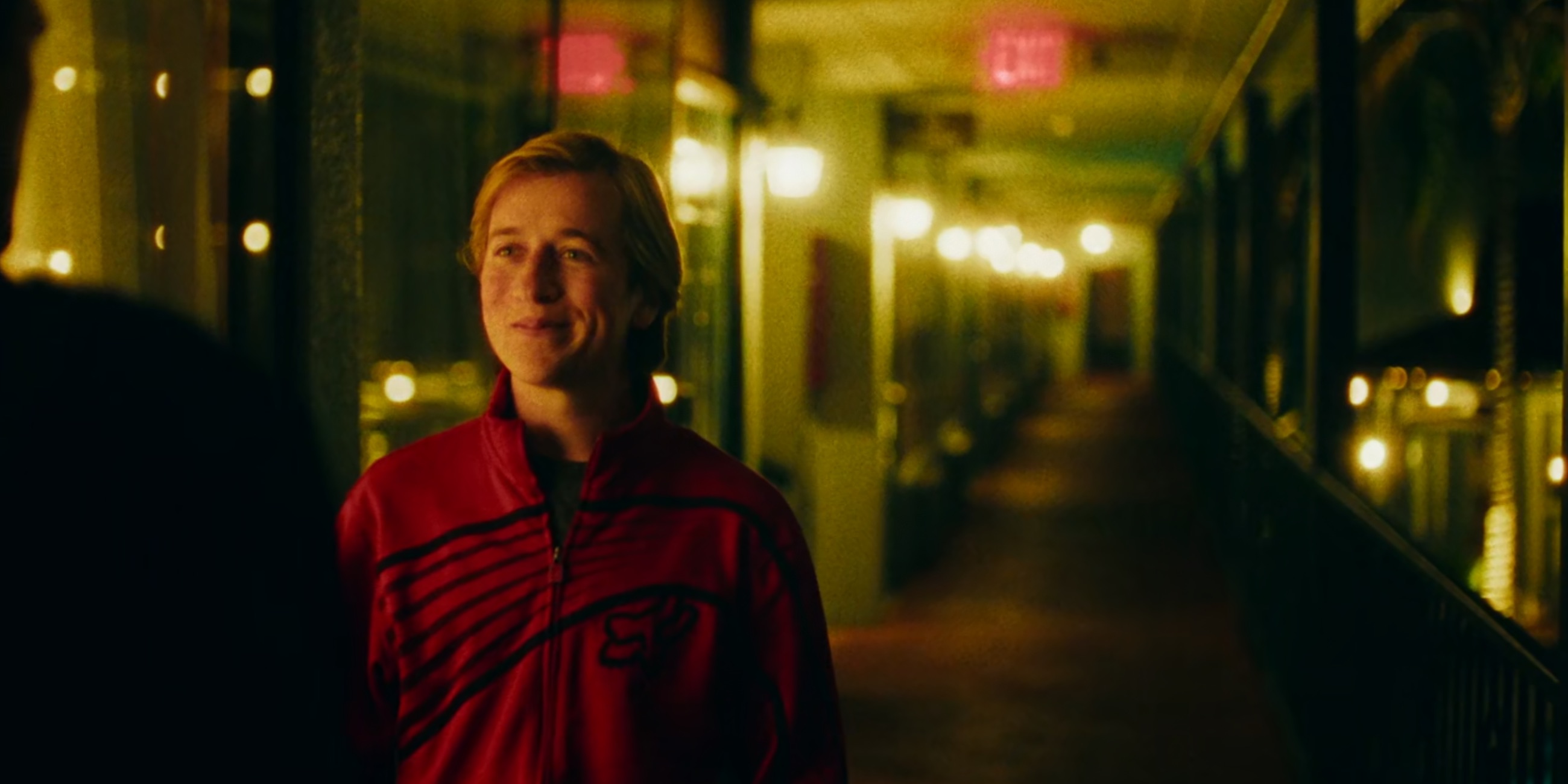
Chris has realized that a big-stakes sting operation that could potentially expose a politician as a predator might just be the thing that the show needs to break its own ceiling. Andie, though initially reluctant, soon gets with the program, and the team partners up with the town’s local law enforcement authorities. At first, it seems like things might not go according to plan. Xavier continues trying to trap this elusive predator in his trap, but the whale seems consistently unwilling to take the bait. That is until he eventually shares his phone number, which helps the team identify their target as Bill Conradt, an assistant district attorney. Finally, the hunt culminates in a confrontation outside of the predator’s house. Dan’s job is to lure the man out of the house, where Chris will have his big chance at a televised confrontation. Simultaneously, the host’s personal life crumbles around him in the wake of his wife’s discovery of his affair. In the end, the attorney never comes out of the house. Instead, he shoots himself, taking himself out of the equation for both justice and entertainment.
Primetime Ending: What Happens to Chris Hansen’s Show?
Although many elements inform the film’s overarching narrative, Chris Hansen’s show remains the primary vehicle driving the plot forward. On the surface, the premise of the reality show remains simple and even appears noble. Chris and his crew fish for potential pedophiles online and lure them into traps. Once it is proven that these subjects are willing to pursue their immoral perversions to the point of ending up at the doorsteps of those they believe to be children, they’re exposed and handed over to the authorities. However, a sinister, hidden structure behind the scenes informs the mere existence of this show. In front of the camera and behind it, Chris claims that his work is in the service of protecting children and punishing predators. However, there is another factor that goes into consideration for every decision in the making of the show: ratings.

Chris and his show aren’t simply vessels for justice. Instead, they’re both equally, if not more, interested in the business side of showbiz. The host is eyeing an Emmy for the show, and the show itself is competing with media like ABC’s ‘Lost.’ As a result, over time, the driving force behind the project shifts from the pursuit of idealistic vigilante justice to shock value and to feeding viewers’ sense of righteousness. The production team begins rifling through their target lists like they’re job applications, comparing candidates for whose specific deviance would make for the most thrilling primetime television. The show is no longer just satisfied with going after the first predator their IT team encounters. It wants variety and scandal. Thus, the project itself becomes a perverted evolution of itself, in which voyeuristic gratification can be milked from moral superiority and justice that is performed for the camera.
This becomes most obvious in the build-up towards the final expected confrontation in the story. The crew’s efforts have identified Bill Conradt as a potential predator, and the local authorities are ready to zero in on him. Yet, Chris and Andie are both more concerned with the logistics of how this elevated encounter will fit into the structure of their show. The host wants his interview so that he can affirm himself as a hero who will shame the villain before handing him over to the cops. Andie wants the optics so that the show can grow in esteem and credibility. Between these corrupted motivations that have almost nothing to do with actually protecting children, the crux of the issue becomes background noise. Ultimately, the big whale that the show was after chooses not to become fodder for a show’s success and his own public humiliation. Even after Bill kills himself, Andie’s first and immediate reaction is to wonder if she can still make this development work for the episode. Unsurprisingly, shortly after this scandalous climax, the show is pulled from the network. Yet, from the looks of it, it seems it had devolved into a corrupted version of itself long before that.
What Happens to Decoy Dan?
In the story, Dan Plum remains the most compelling access into the sinister pitfalls of Chris Hansen and his show. The young actor steps into the production with little understanding of what he’s signing up for. All he really wants is a credit so that he can finally get his foot in the door in the realm of actors’ union associations. However, his bright-eyed assumptions of what the job might entail are proven wrong on his first day on the set. Even though the show prides itself on being a purveyor of protection for the vulnerable, it doesn’t put down any safety rails in its own production. When the actors, like Dan and Del, are tossed into encounters with the subjects, they are expected to roll with the punches. There is no structure in place to address the psychological damage they may incur, let alone alleviate it.

In Dan’s specific case, there is also a level of manipulation at play. Unlike Chris, he has no inherent sense of righteousness that pulls him to the job. He’s just an actor looking for a gig to advance his career. Therefore, when he’s confronted with the reality of entrapping people and luring them to their proverbial demise, it takes an unwanted toll on his psyche. Yet, anytime he tries to express any reluctance to play his part, morality and the idea of social responsibility are weaponized against him. He’s constantly told, mostly by Chris, that the show is akin to a public service, in which their direct involvement with these potential predators protects the broader public from a great evil. When Dan develops cold feet outside Bill’s house, the host even directly tells him that if he’s not with him, then he’s with the attorney.
Essentially, Chris unfairly pitches himself as the monolith of moral goodness, conflating resistance to him with alignment with evil. Thus, Dan goes through with the final phone call with Bill, urging him to come out. Moments later, the man shoots himself inside his house. Naturally, given the lack of safety nets in place, it’s impossible for the young actor not to shoulder blame for driving a man to suicide. In the case of Bill Conradt, the show and its production team end up playing the part of judge, jury, and indirect executioners. For the same reasons, Dan instantly leaves the premise, too shaken up by his hand in the whole debacle. However, a year later, while in Mesa, Arizona, he receives a package that carries some aftereffects of his time on the reality show. The package contains the actors’ union card, arriving as a beacon of hope for the young actor’s persisting dreams of artistry.
What Creature Does Chris Hansen See at the Whale’s House? Why?
The climax of the film brings a strange conclusion to Chris Hansen’s story. Outside Bill Conradt’s house, the host is on a tense precipice in a number of ways. His extramarital affair has been revealed to his wife, ruining his marriage and possibly his reputation as well. Yet, he’s sure that he can still salvage his life if he just completes this major bust. Chris thinks putting Bill on camera, confronting him, and revealing his true self to the world will secure his own legacy in undeniable ways. Thus, a sense emerges that this sting operation is representative of something bigger for the reality TV host. The appearance of the strange creature confirms that for Chris, catching these predators goes beyond the surface level. Instead, he truly believes he’s hunting an ancient evil that plagues the world.
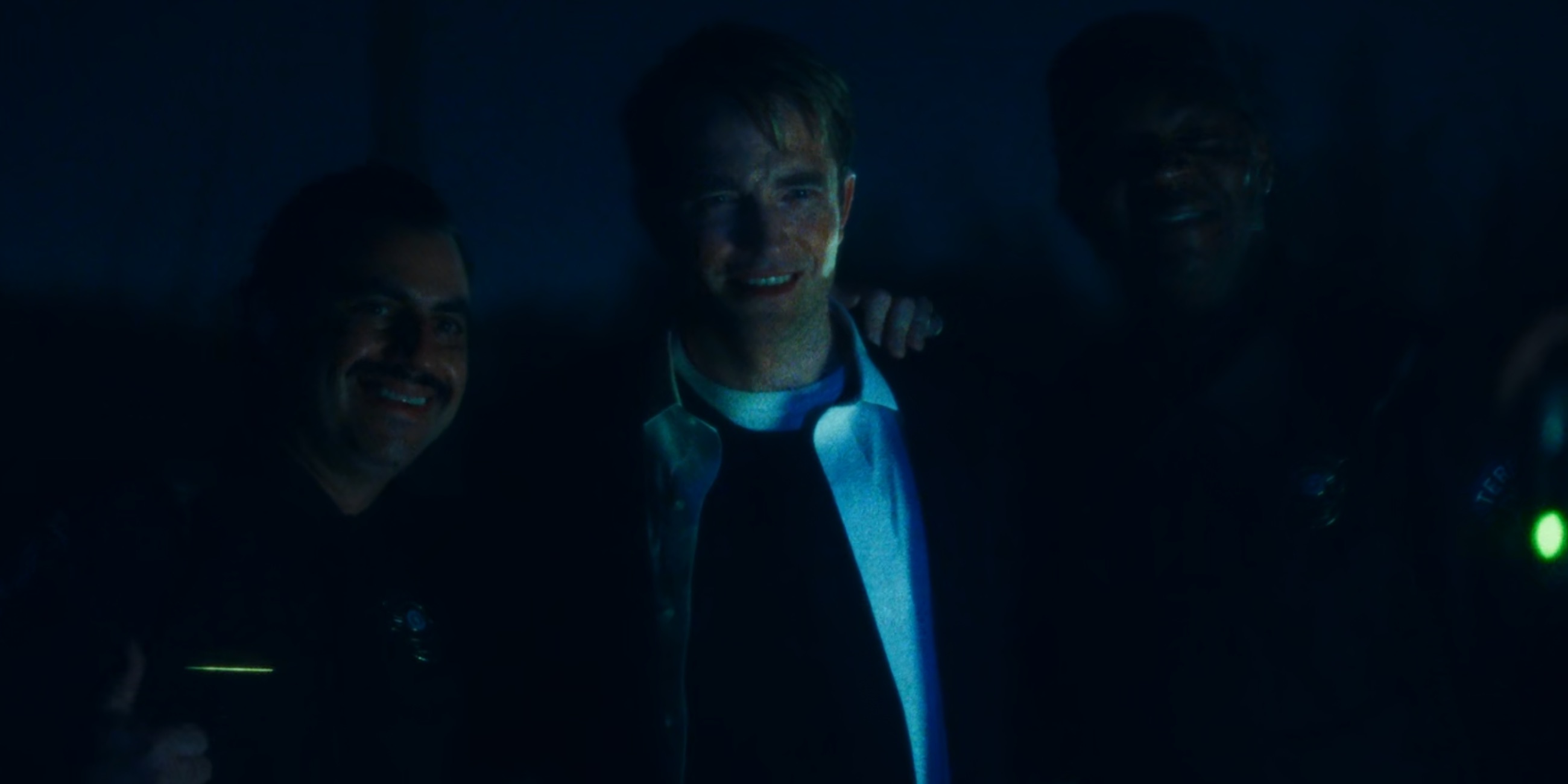
Earlier, in a conversation with Dan, Chris recounts the story of his time in India. Years ago, children had started disappearing from villages in the southern states of the country. In the absence of an actual explanation for this unnerving phenomenon, the population soon turned to mob justice. They started accusing people of perceived harm against the missing children and delivering them to justice on their own. Simultaneously, search parties were deployed to find these missing children. During this time, a young girl came across a frightening creature responsible for the disappearances. Chris was one of the only people who believed her. Since then, he has believed that this great ancient evil continues to roam the world, and it’s his duty to purge society of it. For the same reason, to Chris, Bill, like every other predator the host catches on the show, is a vessel for this evil creature.
Read More: Where Was Primetime Filmed? All Shooting Locations


You must be logged in to post a comment.