
 Aahana Swrup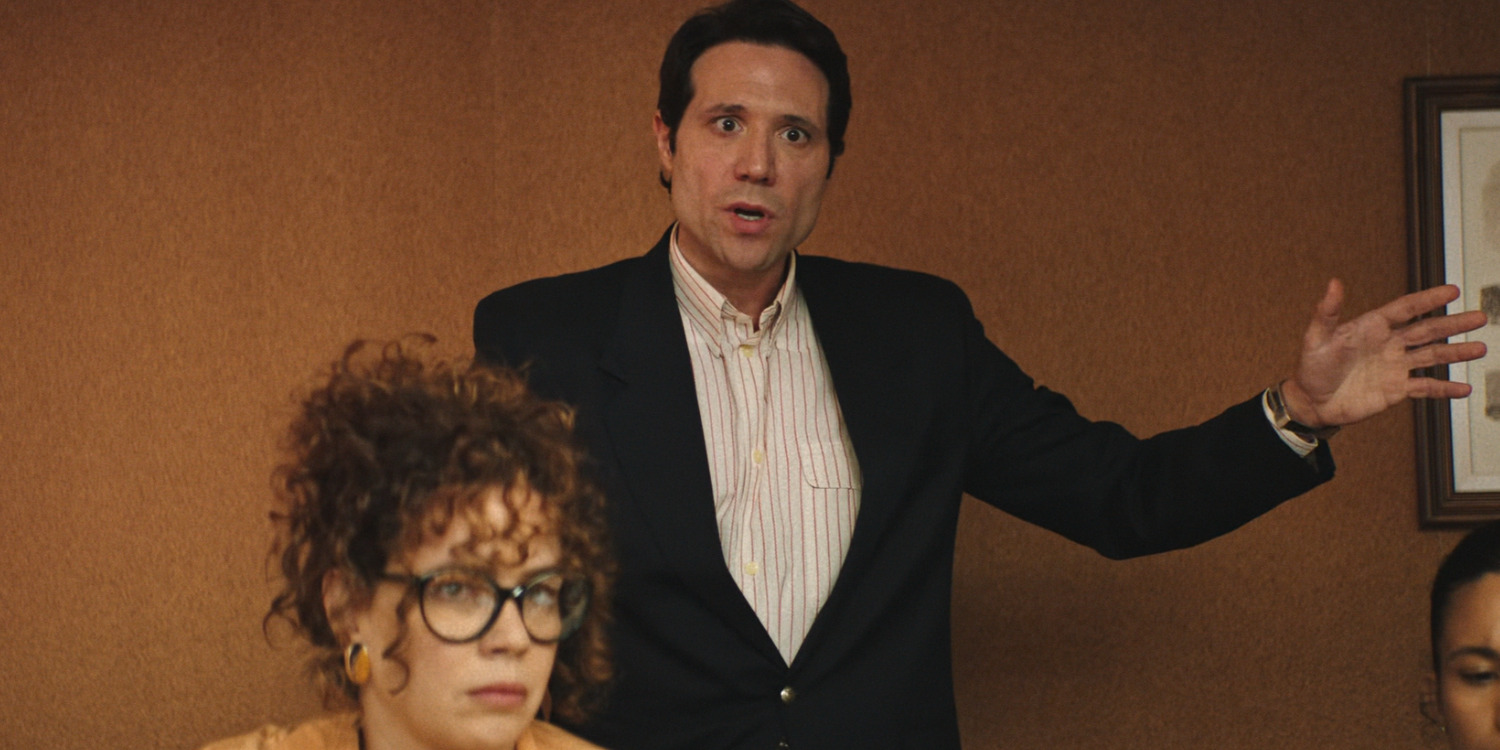
‘Radioactive Emergency’ is a Portuguese historical drama series set in the Brazilian city of Goiânia, Goiás, in 1987. The local community unwittingly comes in contact with radioactive substances after a pair of scavengers forage and break open the wrong equipment from an abandoned radiotherapy clinic. As a result, Cesium-137 begins to spread around the town, leaving many places and people contaminated. It isn’t until a junkyard owner’s wife, Anatonia, brings the radioactive capsule to the health center that a visiting nuclear physicist, Marcio, is able to identify the level of threat facing the entire city.
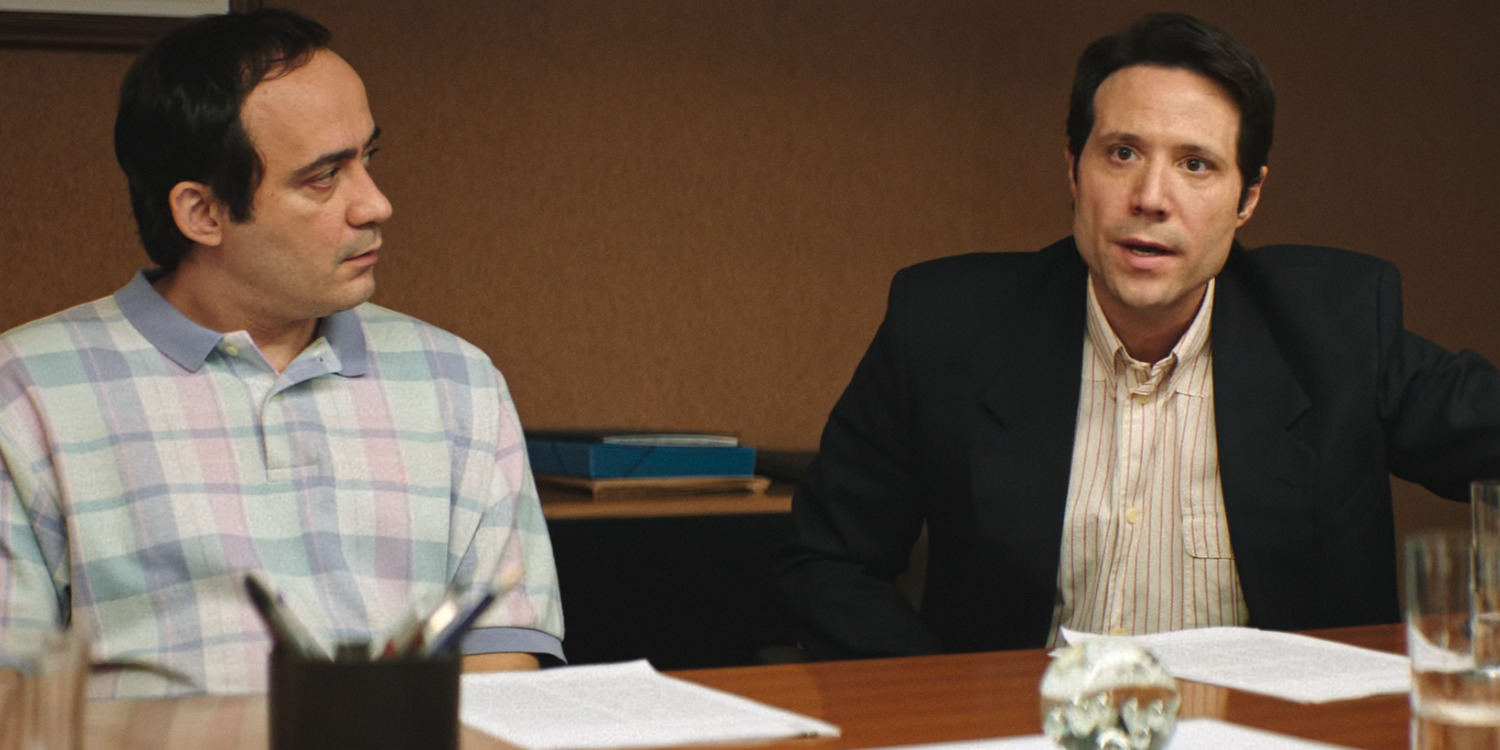
Once the disaster has been identified, city officials and experts from the National Nuclear Energy Commission begin to implement a response decontamination operation. As a part of it, many of the locals, who have become radioactive due to extended exposure, have to undergo severe medical treatment, carried out by doctors Eduardo Souto and Vitor Loureiro, who arrive in the city from Rio de Janeiro. These characters become instrumental pieces in the show’s depiction of the cleanup process of the Goiânia radioactive accident. As such, the real-life basis behind their on-screen narratives remains worth exploring.
Dr. Robert Gale and His Medical Team Served as an Inspiration For Eduardo and Vitor’s Characterizations
‘Radioactive Emergency’ closely follows the historical beats of the 1987 radioactive accident that unfolded in Goiânia, Goiás, Brazil. However, instead of taking a direct biographical path, it opts to create a certain distance between the off-screen and on-screen events by using fictitious names for its characters. Doctors Eduardo Souto and Vitor Loureiro, who lead the charge in the medical response to the radioactive contamination of the victims in Goiânia, are no exception. The characters themselves remain fictionalized versions of the real doctors and healthcare professionals who were a part of the specialized team treating the radioactive patients from Goiânia. Notably, their characterizations and storylines likely took significant inspiration from Dr. Robert Gale.
Gale is an American physician, medical researcher, and UCLA hematologist who has been a part of many medical relief efforts in humanitarian disasters across history. In 1986, he was a part of the medical team involved in the treatment of the Chornobyl nuclear disaster victims. The following year, in 1987, his expertise was once again required for the tragic Goiânia accident. Initially, another member of the Chornobyl disaster’s medical team, Dr. George Selidovkin, responded to the radioactive medical crisis in Brazil at the request of the International Atomic Energy Agency. Eventually, by October 1987, the Moscow Hospital No. 6 radiation specialist was joined by Gale.
The tried-and-tested bone-marrow transplants strategy wasn’t viable for the Goiânia victims. As a result, Gale guided the medical team in Rio de Janeiro to use an experimental treatment where the GM-CSF (Granulocyte-macrophage colony-stimulating factor) was used to boost the production of white blood cells in the patient’s marrow. Although this treatment showed results, it also failed to save the lives of many of the contaminated, including a 6-year-old victim, Leide das Neves Ferreira. In the end, the results of the treatment remained questionable, but it saved two lives. Later, the surviving patients were transferred to Goiânia from Rio de Janeiro.

Gale’s contribution to the treatment of the victims remained historic, and he went on to be a part of other humanitarian medical relief efforts, including the Tokaimura nuclear accidents in Japan and more. ‘Radioactive Emergency’ brings Gale’s historical narrative to the screen through the characters of Eduardo Souto and Vitor Loureiro. The latter character’s involvement in the medical response to the Goiânia accident parallels the real experiences of the American doctor and his medical team. However, the show depicts these true-story-based instances through the lens of fictionalized characters to maintain some degree of artistic liberty. Furthermore, in doing so, the dramatized narrative ensures that the characterization of the on-screen individuals remains in service of the story and its foundational themes. Ultimately, the characters’ storylines remain based in authentic and historically accurate roots.
Read More: Is Beny Davi Orenstein Based on a Real Nuclear Physicist?


You must be logged in to post a comment.