
 Abhiroop Das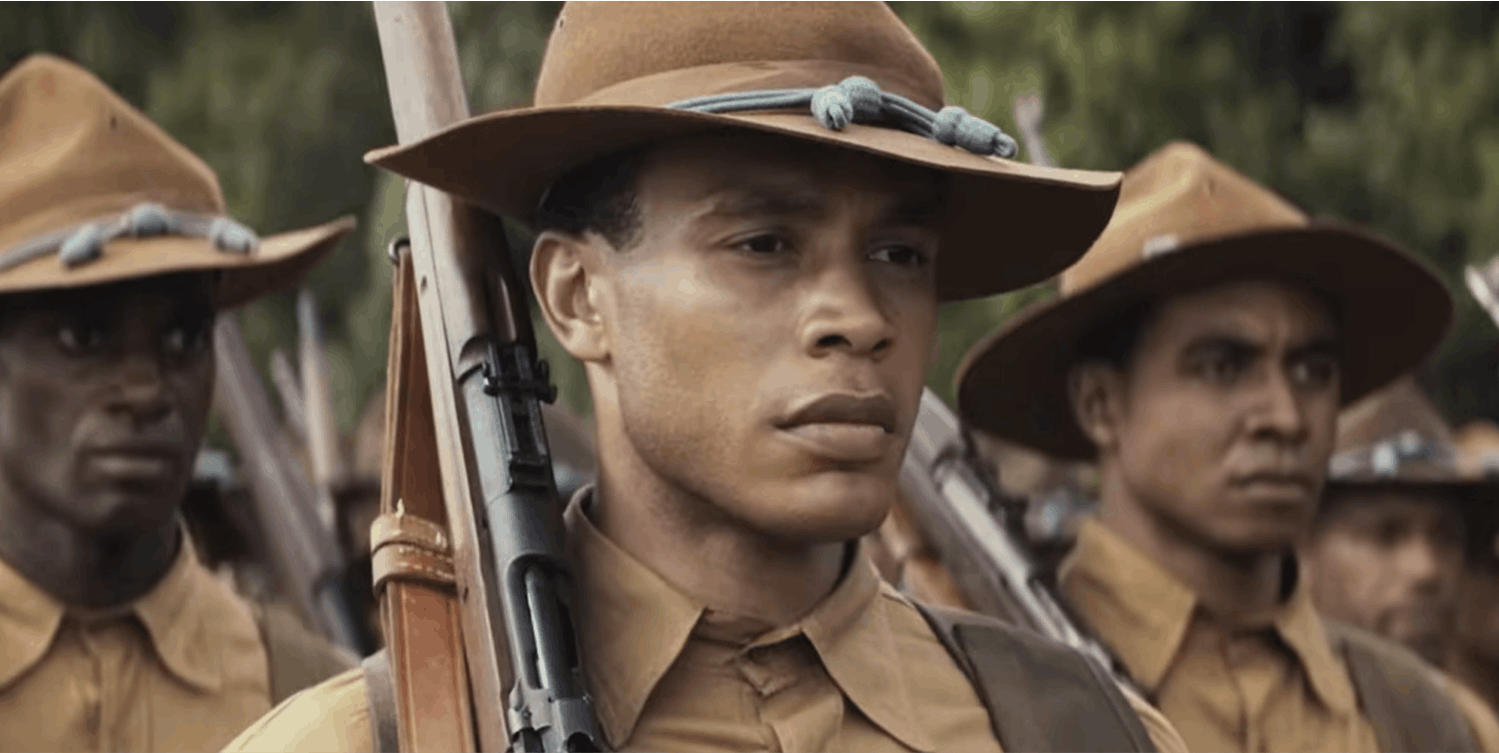
Helmed by Kevin Willmott, ‘The 24th‘ reimagines the true story of the Camp Logan riot of 1917, when more than 150 soldiers from the 24th Infantry Regiment took up arms and began a mutiny in Houston. In the film, we follow the perspective of Corporal William Boston as he joins the regiment in the hopes of journeying to France. Pitted against an intensely hostile and racially discriminatory attitude, however, Boston and his fellow soldiers have no choice but to perceive each day as a challenge in itself. That changes after a single incident that shakes up the entire regiment, ushering in events that will be remembered in history forever. As Boston becomes a key figure during the riot and mutiny, the truth about the harsh world he calls home begins to unfold in front of his eyes.
William Boston is a Fictionalized Recreation of a Real Corporal From the 24th Infantry
The character of Corporal William Boston is loosely based on Corporal Charles Baltimore, who was one of the central figures in the events leading up to the Houston riot of 1917. While Boston partially borrows the role Baltimore played in the mutiny, his portrayal isn’t strictly biographical, as writers Kevin Willmott and Trai Byers added narrative elements that distance Boston from his real-life counterpart in Baltimore. In a conversation with Moveable Fest, Willmott, who is also the film’s director, revealed, “When I first wrote it (‘The 24th’) years ago, I couldn’t find much about Baltimore, so from the very beginning, I fictionalized it.” He also noted that the larger point of this tale is to connect it to the social realities of the homeland during World War I, and their dramatized take on a real event thus channeled that effect.
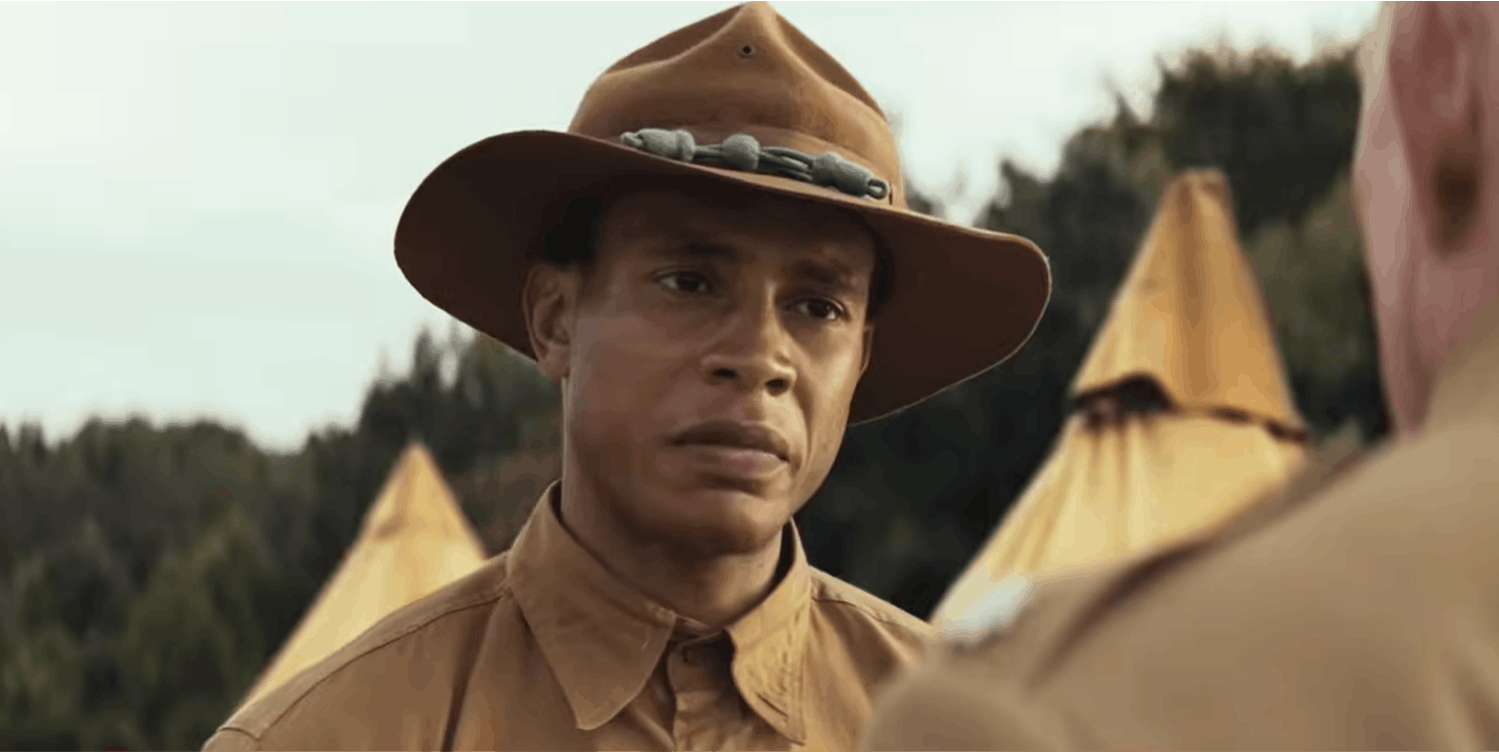
True to what Willmott has said, retrieving information about Baltimore’s past is a journey in and of itself, but it’s his role in a historic event that has led to his story being remembered over the years. Charles Baltimore was born in Franklin County, Pennsylvania, in 1893, to Armistead and Annie Baltimore. While not much is known about his childhood years, we know that he enlisted in the military around the time that World War I was reaching its peak. Upon enlistment, he was first assigned to I Company, 3rd Battalion of the 24th Infantry Regiment. The infantry was one of four segregated, all-black regiments in the U.S. Army at that point, collectively known as the Buffalo Soldiers.
One of the younger members of the battalion, Charles Baltimore, was regarded as an exceptional soldier, with a reported character rating of “excellent.” As a part of his research, Willmott noted that Baltimore was “a beloved guy among the men.” In 1916, he, along with many fellow soldiers from the 24th Infantry, had participated in the Punitive Expedition into Mexico, which further added to his reputation as an up-and-coming soldier. It has been recorded that, just before the 1917 riots, Baltimore had been recommended for the officer training school in Camp Des Moines, Iowa, which was opened for African American soldiers. This becomes one of the key plot beats adapted in the film, with Boston’s dilemma of whether to leave the infantry or stay informing much of his characterization.
The Assault on Charles Baltimore Became One of the Catalysts For the Houston Riot
Things took a turn on August 23, 1917, when two Houston police officers, Lee Sparks and Rufus Daniels, reportedly fired warning shots to disrupt a street gathering in the San Felipe district, which was home to a predominantly Black community. Under the claim of chasing after those who had escaped the gunshots, Sparks and Daniels entered the home of Sara Travers. Though they found nothing that could connect Sara to the alleged escapees, the two officers reportedly forced her out of her house and arrested her. Shortly thereafter, they were approached by Private Alonzo Edwards, who intervened on her behalf, only to be attacked and arrested by Sparks and Daniels. Later that day, Charles Baltimore, who was on duty as one of the battalion’s military policemen, learned of Edwards’ fate and decided to head to the scene himself.
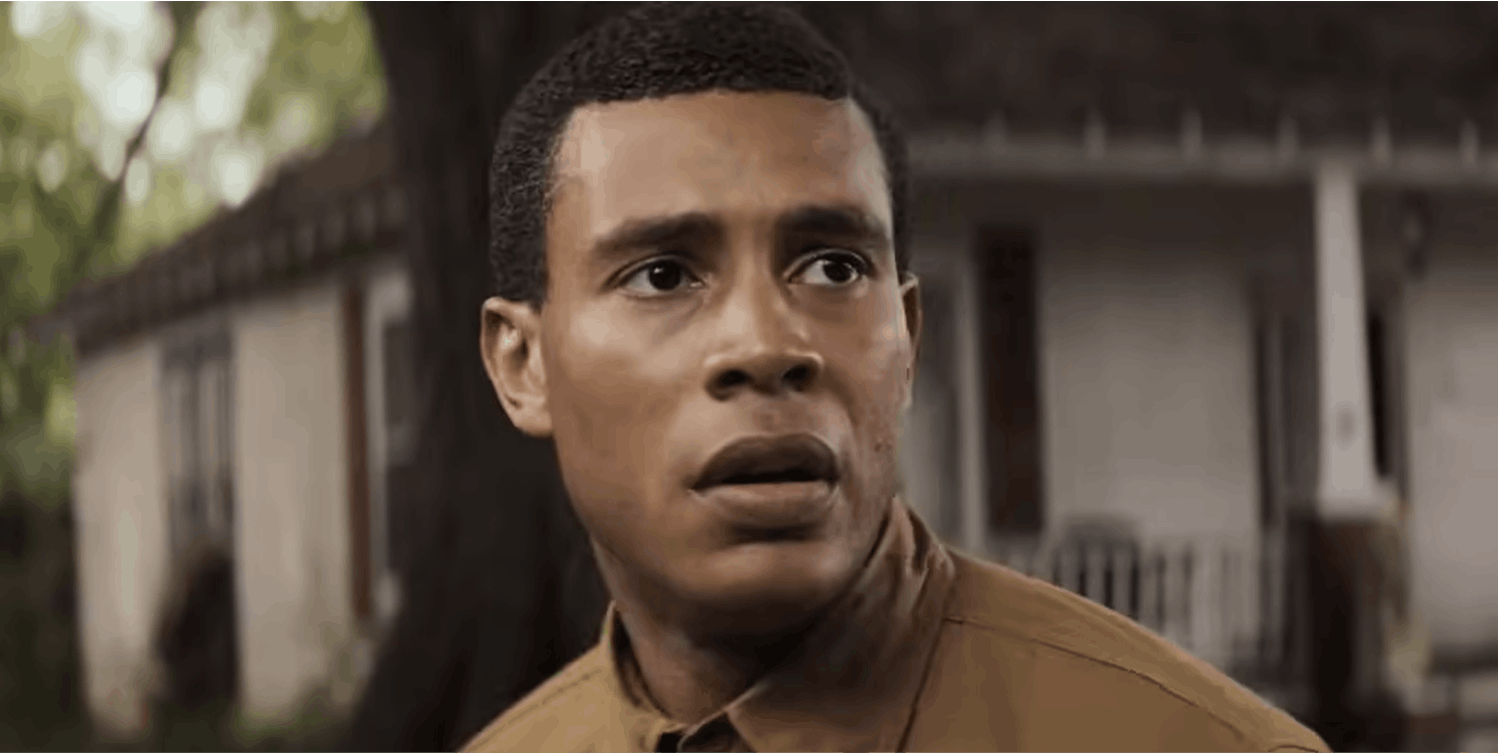
When Baltimore inquired to Sparks and Daniels about Edwards, the situation escalated once again. It has been reported that Sparks hit Baltimore over the head with a pistol before firing three shots at him, while the corporal barely managed to escape inside a nearby house. However, the two police officers soon found him hiding under a bed, following which he was dragged out, viciously attacked, and arrested. Sparks later claimed that Baltimore had used offensive language during their initial exchange, but this was contradicted by Daniels, who stated that the corporal made no such comments. This instance of racial violence and discrimination went on to have a lasting effect on history as a whole.
Charles Baltimore Asserted That He Didn’t Shed Any Blood During the Riot
Initially, word spread to the 24th Infantry that Charles Baltimore had been killed by the police officers, and the fact that he could not be traced likely fueled the rumors. When the truth eventually came out, Captain Haig Shekerjian, the adjutant, retrieved him from the police station. While the battalion commanders were tasked with spreading the word that Baltimore was alive, it is believed that the gaps in communication triggered a chain reaction that contributed to the mutiny. As news of police abuse spread and chaos followed, rumors of a mob approaching the battalion camps began to take root. Around the same time, Baltimore rejoined his company, following which he and his fellow soldiers reportedly marched out of the camp in the rear guard position, in preparation for the supposed mob. The events that followed would later be known as the Houston riot of 1917.
It has been reported that there were approximately 20 casualties during the riot, out of which 5 were Houston police officers, and 11 were white civilians. However, there is no evidence that the corporal fired his weapon or took a life at any point during the mutiny. This is an aspect that is integrated directly into the film’s reimagination through the eyes of Boston. One of the privates later testified that Baltimore tried to convince Sergeant Henry to return to camp at one point. In the days following the mutiny, Baltimore made a sworn statement to the Army Inspector General, Brigadier General Samuel Chamberlain, in which he described the incident with Officers Lee Sparks and Rufus Daniels.
Charles Baltimore Was Executed Following an Unfair Trial and Conviction
While Charles Baltimore admitted to leaving the camp and joining the march under his captain’s orders, he reiterated that he had not participated in the violent events of the night. In the ensuing court-martials, Baltimore was found guilty of premeditated murder, mutiny, and willfully disobeying a superior commissioned officer and sentenced to death by hanging. Reportedly, the soldiers were informed about their execution a day before they were to be hanged, in which time Baltimore wrote a letter to his brother, where he once again stated that he had not shed any blood in the mutiny.
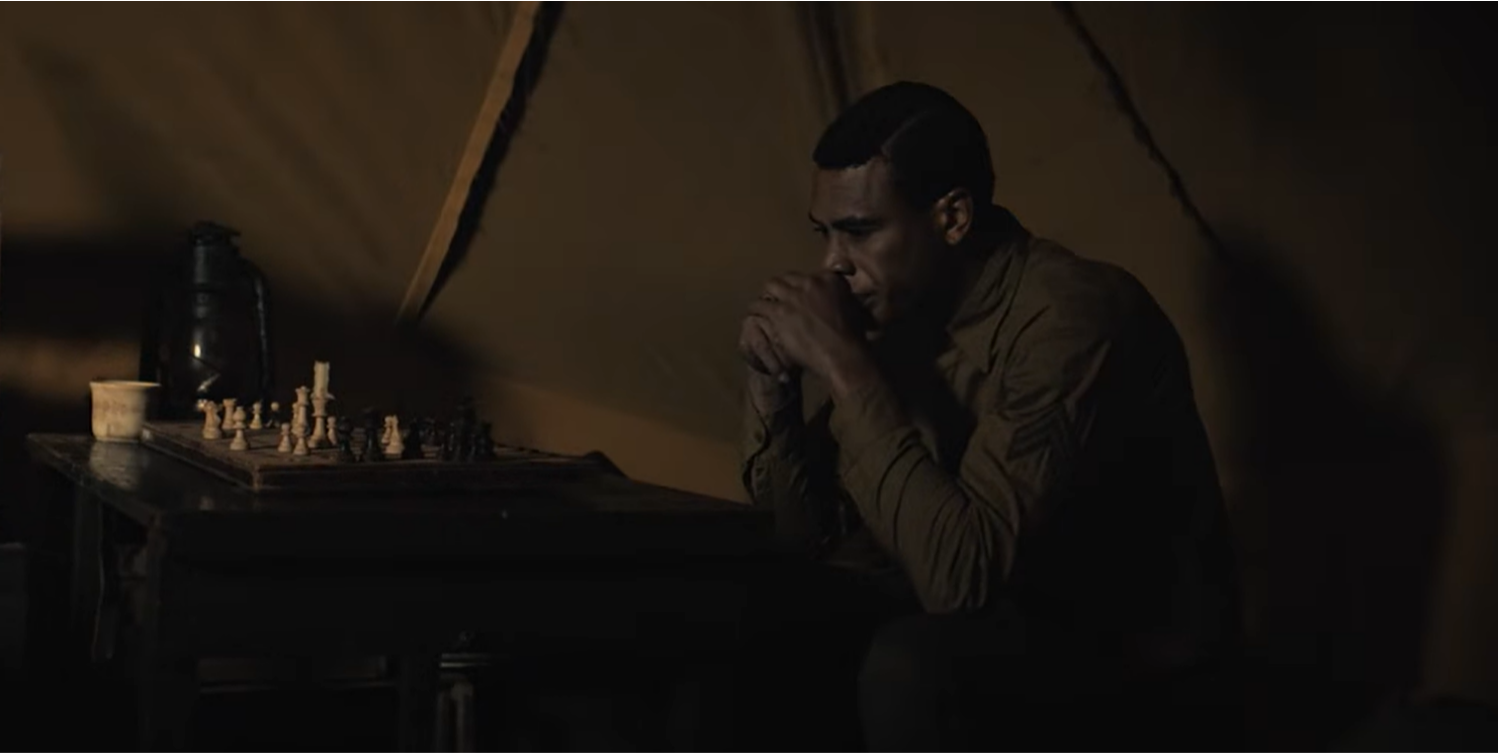
Baltimore was executed on December 11, 1917, and over a century later, on November 13, 2023, his conviction was overturned, alongside that of 109 soldiers from the regiment, on the grounds that they were denied a fair trial. To this date, this story remains a source of inspiration, and Charles Baltimore’s legacy remains instrumental to understanding the historic pursuit of Black justice in the homeland. While ‘The 24th’ takes a number of creative liberties in its rendition of Boston as a character, writer-director Kevin Willmott’s sensitive approach to storytelling helps shine light on this seminal true story.


You must be logged in to post a comment.