
 Abhiroop Das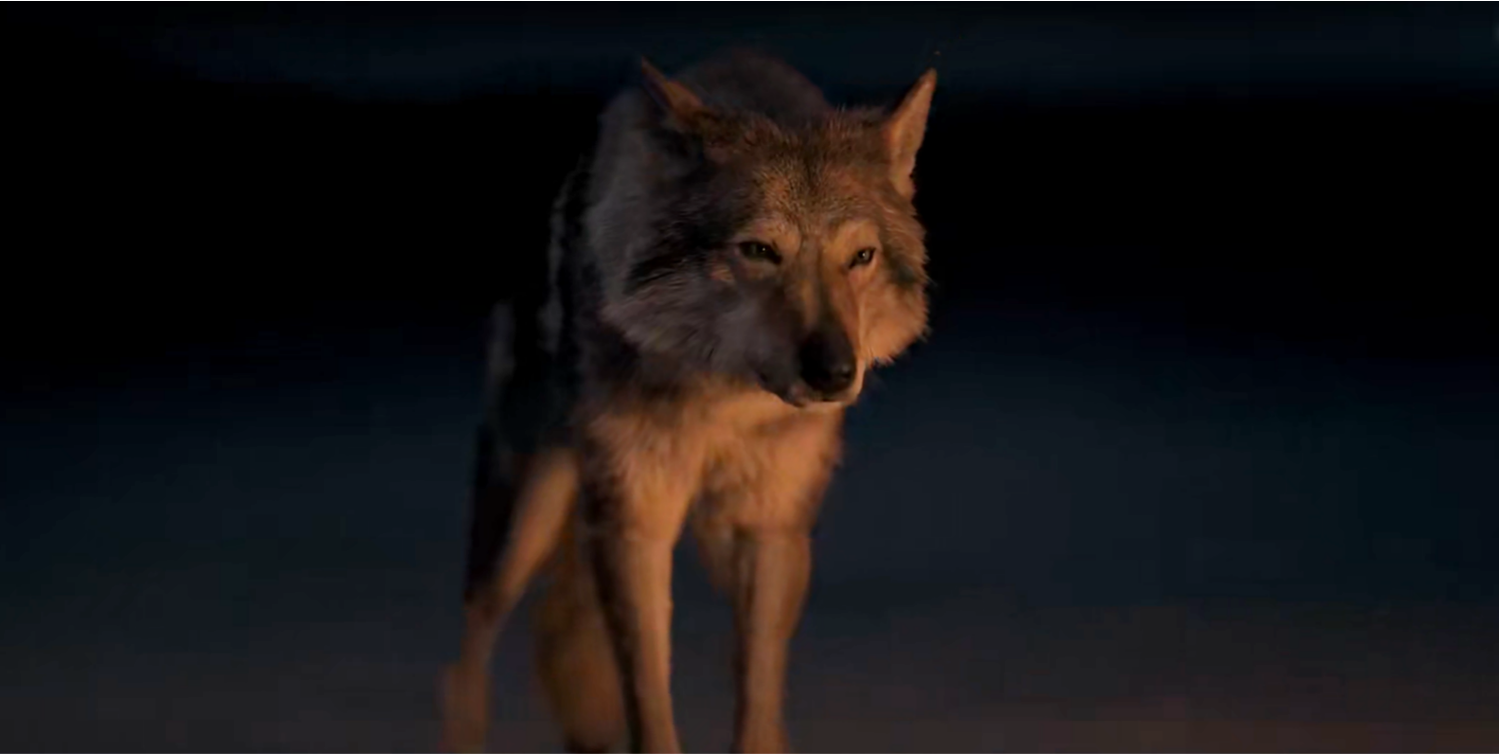
Helmed by Albert Hughes, ‘Alpha’ reimagines humanity’s first journey with canines through the eyes of Keda, a young hunter, and Alpha, a gray wolf. Set 20,000 years ago, the story follows Keda as he wakes up injured and stranded in an unfamiliar territory and has to embark on an arduous journey back home, facing nigh-unbeatable odds. One of the many challenges he faces is from a ferocious pack of wolves, and it is there that he meets Alpha for the first time. Instead of killing off his potential enemy, however, Keda decides to turn Alpha into his traveling companion. As the duo walks through strange lands and harsh weather, an unlikely friendship develops, forever altering the dynamic of humanity and wolves, for the better.
A Real Wolfdog Named Chuck Plays Alpha in the Film
The eponymous wolf in ‘Alpha’ is brought to life through a blend of practical filming and VFX, with a real-life Czechoslovakian Wolfdog named Chuck stepping into the role. The Czechoslovakian Wolfdog, a cross between German Shepherds and Carpathian wolves, first originated in 1958 as a result of a scientific experiment for the military. Since then, it has emerged as a known breed in Europe, which is how the creators got in touch with Chuck, an adult dog imported from a breeder in France. The casting process for Alpha began months before the film began filming, with creators considering actual wolves, wolf hybrids, and other possibilities. Ultimately, though, they found Chuck to be the perfect one, and the renowned animal trainer Mark Forbes began working with him on set.
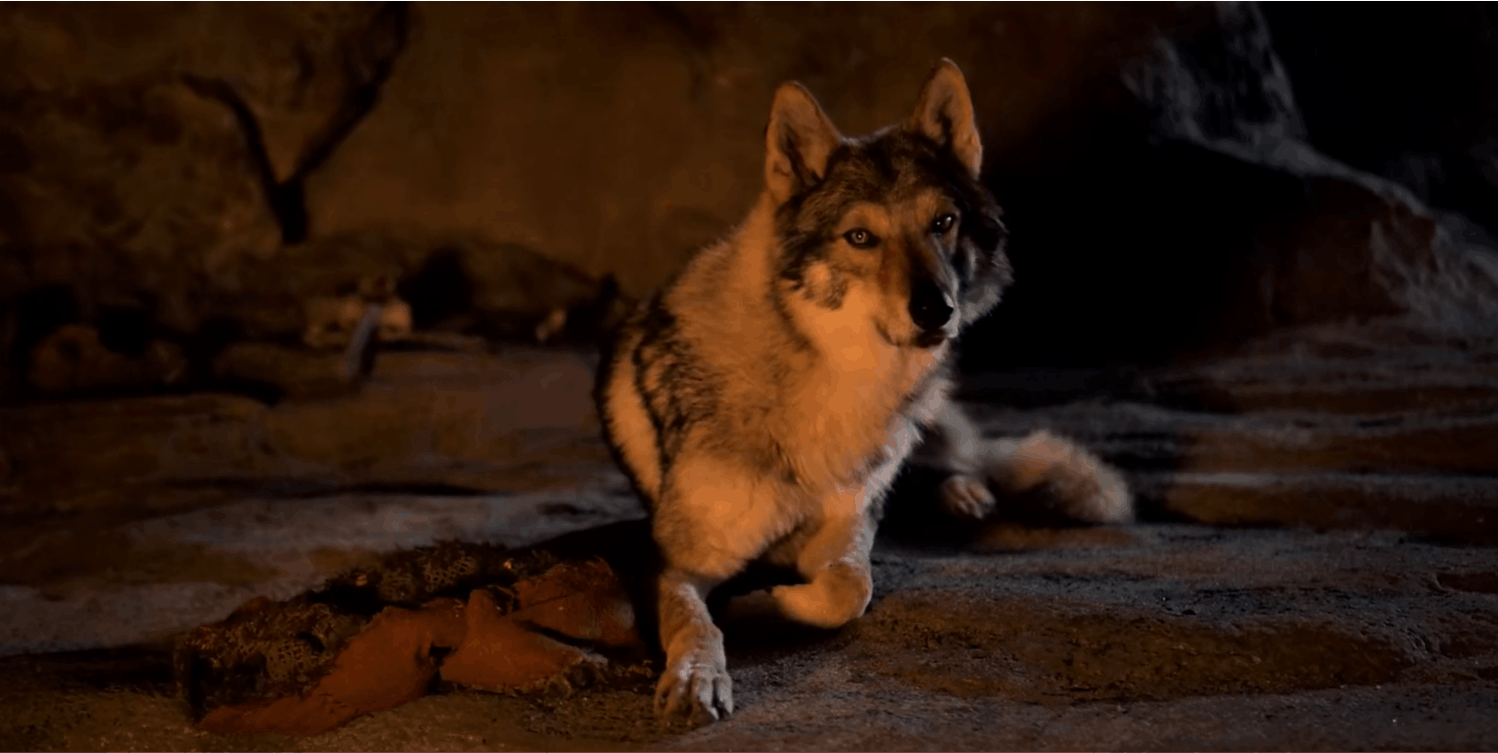
Before Forbes and his team chose Chuck, they also checked out different breeds in North America, where the majority of them were Husky or Mountie mixes. However, compared to them, he found the Czechoslovakian Wolfdog to look and feel more wolf-like, which is crucial to maintain the realism of the film. Another thing that went their way was the fact that this breed is also very well-socialized. In a conversation with LRMOnline, Forbes noted that Czechoslovakian Wolfdogs are often featured in dog shows in Europe, which makes them accustomed to traveling. “They get out and about quite a bit more than maybe some of the hybrids that you would find over here in North America, where they just kind of live in somebody’s backyard,” he added. Ultimately, it’s not only Chuck’s looks but also his friendliness that make him such a good fit for the film.
Casting the perfect dog for the role of Alpha is one thing, but Forbes and team still had to put in a lot of work to make Chuck ready for the screen. The team worked with him for five months before filming, with another Wolfdog named Zabbie serving as his backup. Given their high intelligence, learning tricks and adapting to the filming process came easily to the animals, but the biggest challenge, according to Forbes, was overcoming their natural wariness of unfamiliar people, equipment, and environments. Another element that the team really focused on was getting the Wolfdogs to act like a pack. Eventually, Forbes was able to train all of them to move in sync and hit their marks together.
The VFX Team Amplified Chuck’s Wolf Features to Match Alpha’s Arc in the Film
While trainer Mark Forbes described Chuck as “very much wolf-y looking even for a Czechoslovakian Wolf Dog” during his interview with Military, some special effects still went into completing the look. But instead of just going for realism, the team opted for a more creative approach, using VFX to convey the shift in Alpha’s personality over the course of the film. Forbes noted that there is one major difference between Chuck and a real wolf, and it is the shape of their eyes. “The wolf eyes are very crescent moon-shaped,” he explained, adding that “they have a bigger ruff on their neck and a little bit longer muzzle.” The effects team focused on these particular areas, expertly altering Chuck’s on-screen appearance to fit the needs of the film.
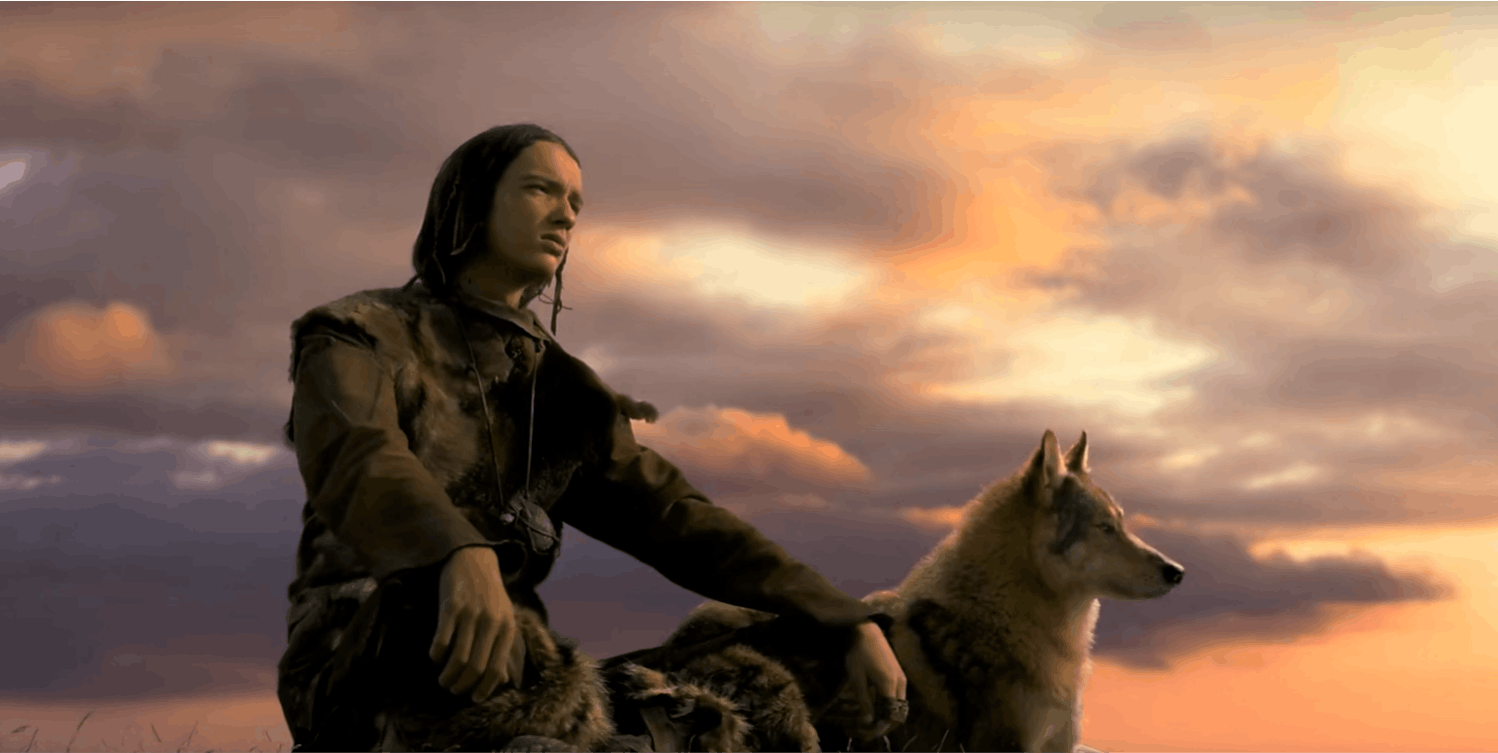
Forbes also noted that Chuck, as Alpha, is made to look wilder and more ferocious at the start of the film, using VFX. This sets the tone for Alpha’s initial dynamic with the protagonist Keda, as one of hostility rather than friendship. And as Alpha gradually becomes friends with Keda, her appearance begins to soften as well, and in real life, it was the effects team simply toning down the VFX on Chuck over time. Forbes confirmed that, by the final scene, there are virtually no effects on the Wolfdog, and that we see him as he is. As ‘Alpha’ is a story about how humanity’s special relationship with dogs came to be, it is fitting that Chuck emerges as the real star of the film.
Read More: Is The Whisper Man a True Story? Is it Based on a Real Serial Killer?


You must be logged in to post a comment.