
 Abhiroop Das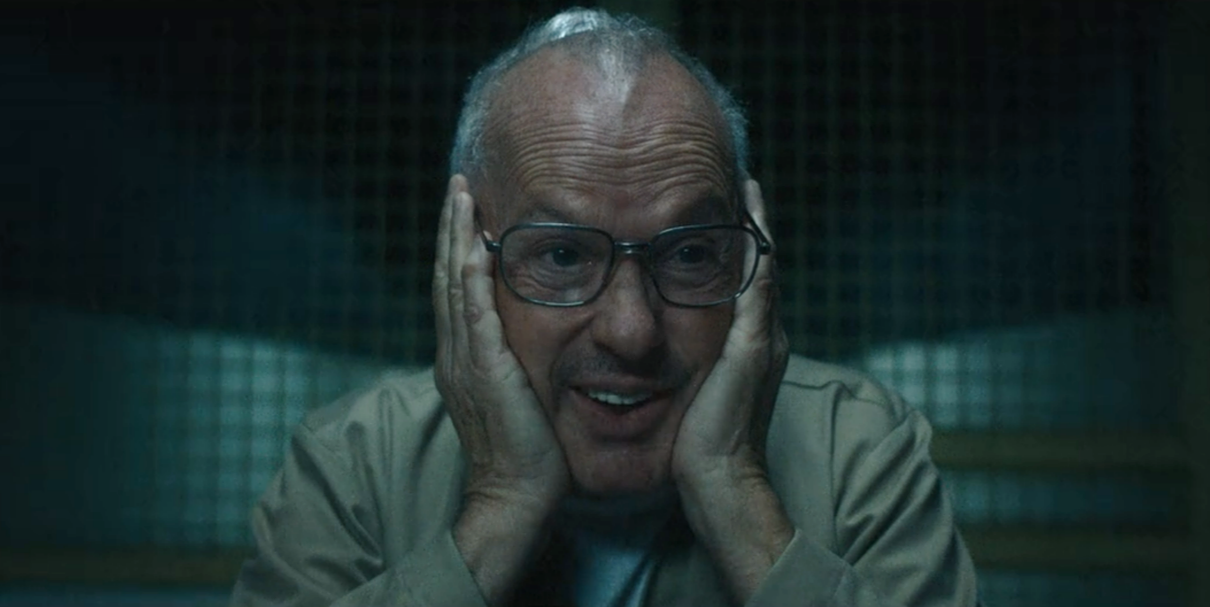
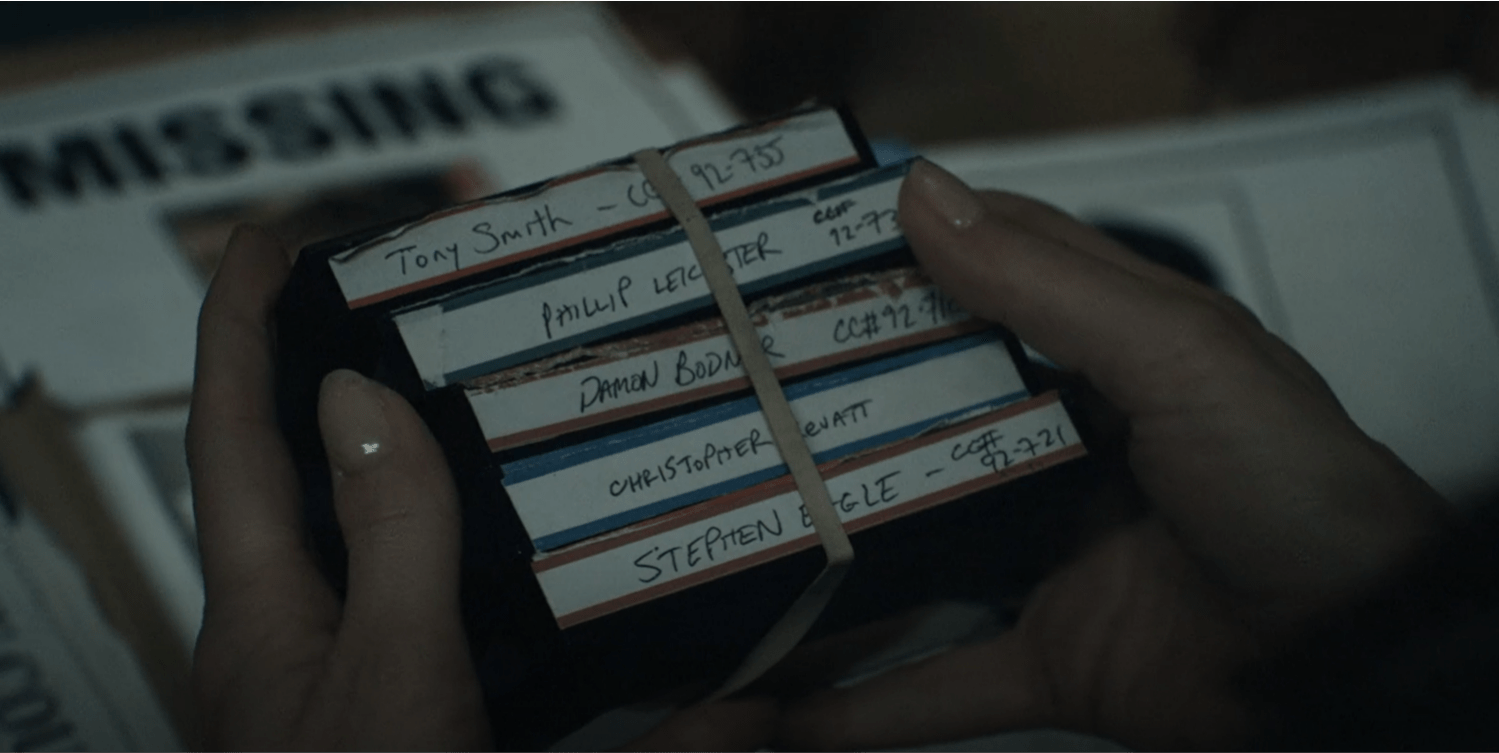
Helmed by James Ashcroft, Netflix’s ‘The Whisper Man‘ circles around a child kidnapping that seems eerily connected to the eponymous serial killer who haunted the town of Featherbank decades ago. As the legend goes, the Whisper Man used to approach children through their windows and lure them with his conversations, before kidnapping them. The killer primarily communicated with the authorities via cassette recordings of his victims, and it took years before a police officer, Pete Willis, eventually caught the culprit and put him behind bars.
As fate would have it, though, in the present, it’s Pete’s own grandson who becomes the target of a copycat killer. As the hunt resumes and the boundaries between the old and the new begin to blur, the fear the real Whisper Man inflicted upon the town returns, echoing the themes of cyclicality and the darkness that humanity is capable of.
The Whisper Man is a Fictional Story Shaped by Alex North’s Unusual Experiences
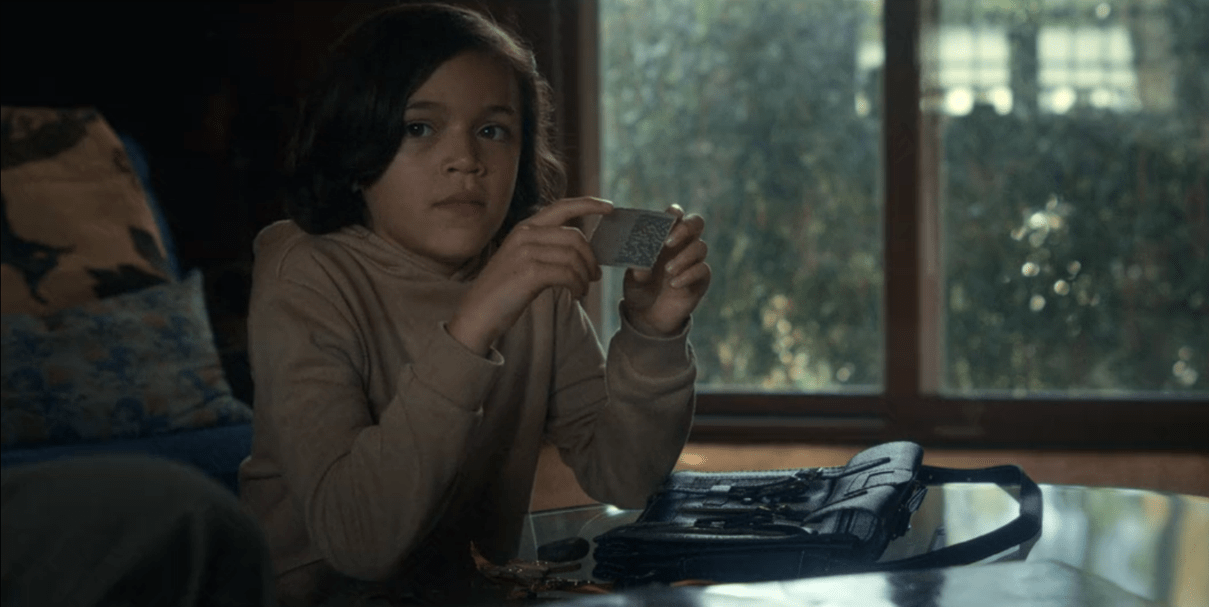
‘The Whisper Man’ is a work of fiction adapted from the eponymous novel by Alex North, who was vaguely inspired by some of his personal experiences rather than a real-life serial killer. The idea for a character who whispers to children, for instance, came to North after he moved with his family into a new house. In a conversation with Better Reading, he recalled hearing his young son talking in another room. When North asked his son who he was talking to, he replied that he was “playing with the boy in the floor.” This response spooked the author as much as it inspired him, prompting him to write a story about children and their imaginary friends, and about how some of them might be more than they appear on the surface. Penned by Ben Jacoby and Chase Palmer, the film adaptation expands these ideas to the screen while largely retaining the original storyline.
Another account that inspired North took place years before he began penning ‘The Whisper Man.’ In a section at the end of the novel, he wrote about attending a music festival and staying at a hotel. After having breakfast, he was called down by the hotel staff to pay for it, only to then learn that someone had already checked out and paid for the food under his name. When he asked the receptionist about what the man looked like, she could remember virtually no specific details about him. “He had been so average and unremarkable that he could have been anybody — or nobody,” North wrote, noting “‘Wow. This is a story.” While in real life it turned out to be as simple as the unknown man accidentally giving the wrong room number, the feel of it all became a conceptual pillar of ‘The Whisper Man.’
A Real-Life Serial Killing Duo Served as a Reference For the Storyline
While Alex North has confirmed that no particular killer or child predator went on to inspire the creation of the Whisper Man, there is one detail that draws broad parallels to a real-life serial killing duo. In an interview with Entertainment Weekly, director James Ashcroft pointed out that the Whisper Man’s modus operandi of recording his conversations with his victims and then mailing them out is loosely reminiscent of the actions of serial killers Ian Brady and Myra Hindley. Between 1963 and 1965, Brady and Hindley kidnapped, sexually assaulted, and killed at least five children and young people, in what has come to be known as the Moors Murders.
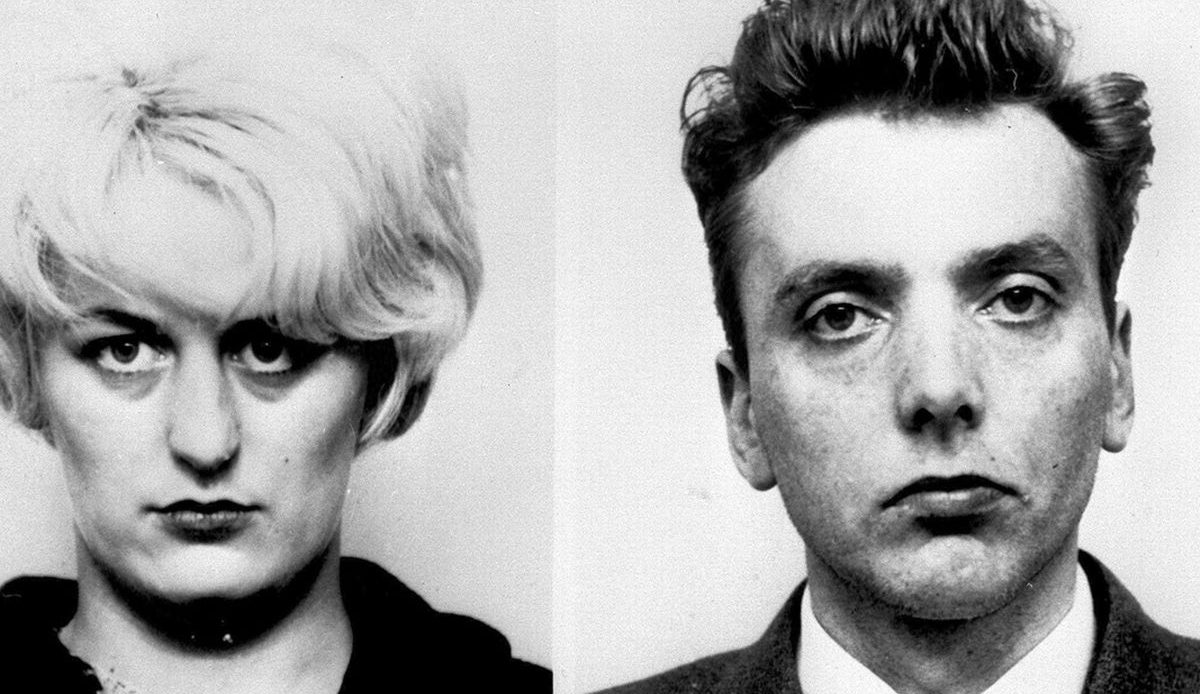
During the investigation, the police reportedly found a tape recording of one of the victims, 10-year-old Lesley Ann Downey, being tortured by Brady and Hindley. As of writing, the police have not discovered any other audio recordings of the remaining victims. Ashcroft, who had heard an excerpt from the tape, said, “It was just voices, them talking to this child and recording it (…) and there was something so banal and uneventful about it that made it even more horrifying.” Notably, though, there is a crucial difference between the real-life cassette recording and the tapes in ‘The Whisper Man’: the latter are intentionally sent out by the killer.
Brady and Hindley were arrested on October 7, 1965, and convicted the following year, on May 6, 1966. Brady received three concurrent life sentences for murdering Edward Evans, Lesley Ann Downey, and John Kilbride, whereas Hindley received two concurrent life sentences and an additional 7 years for shielding Brady from arrest. Decades later, Brady and Hindley confessed to killing two more kids, Pauline Reade and Keith Bennett, though they were never prosecuted for these crimes. Hindley died in prison on November 15, 2002, from respiratory failure at the age of 60. Brady, who had been transferred to Ashworth Hospital in 1985, died on May 15, 2017, at the age of 79. While Ian Brady and Myra Hindley might not serve as the direct basis for the Whisper Man, Ashcroft and his team drew on the case to understand the psychological dimension behind such acts.
Read More: The Whisper Man Ending Explained: Who is the Killer? Is Jake Found?


You must be logged in to post a comment.