
 Abhiroop Das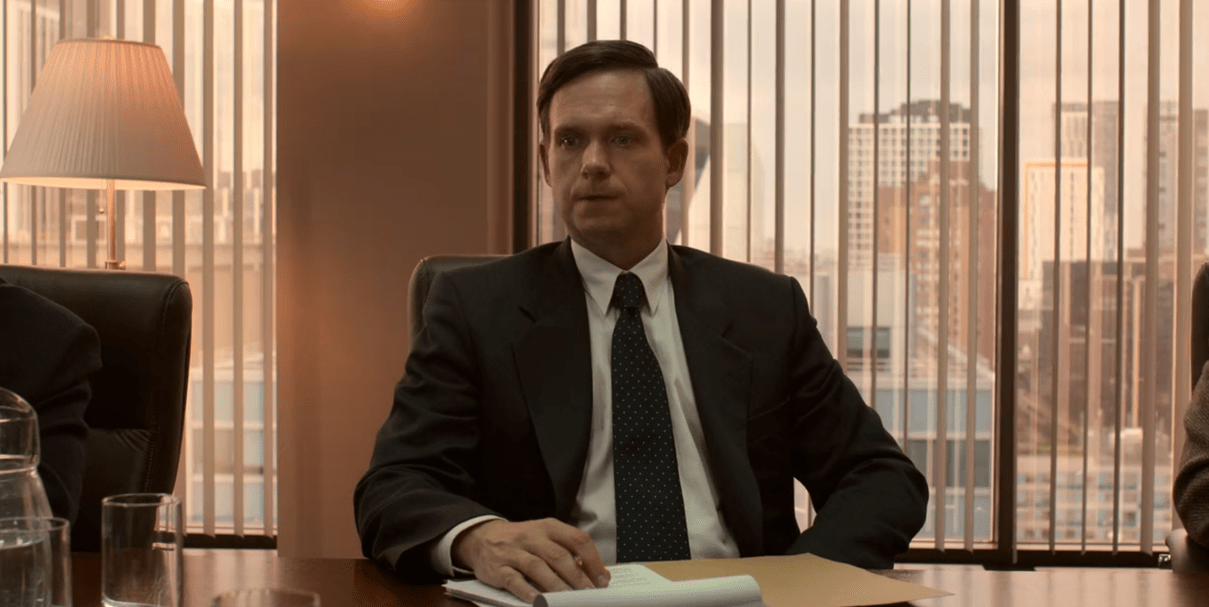
Created by Jonathan Lee, ‘The Bombing of Pan Am 103’ is a fictionalized retelling of the Lockerbie bombing, a tragedy remembered as one of, if not the deadliest, terror attacks in British history. In charting the investigation that unfolded on multiple fronts, the show maintains a steady degree of realism, connecting with historical facts wherever it is possible. As such, the ending of this series is in many ways a dramatization of the court trials that took place in real life, but because of the narrative layer, we are introduced to many thematic readings of events, which point towards how challenging it can be to arrive at the truth, especially with so many hurdles along the way. SPOILERS AHEAD.
The Bombing of Pan Am 103 Plot Recap
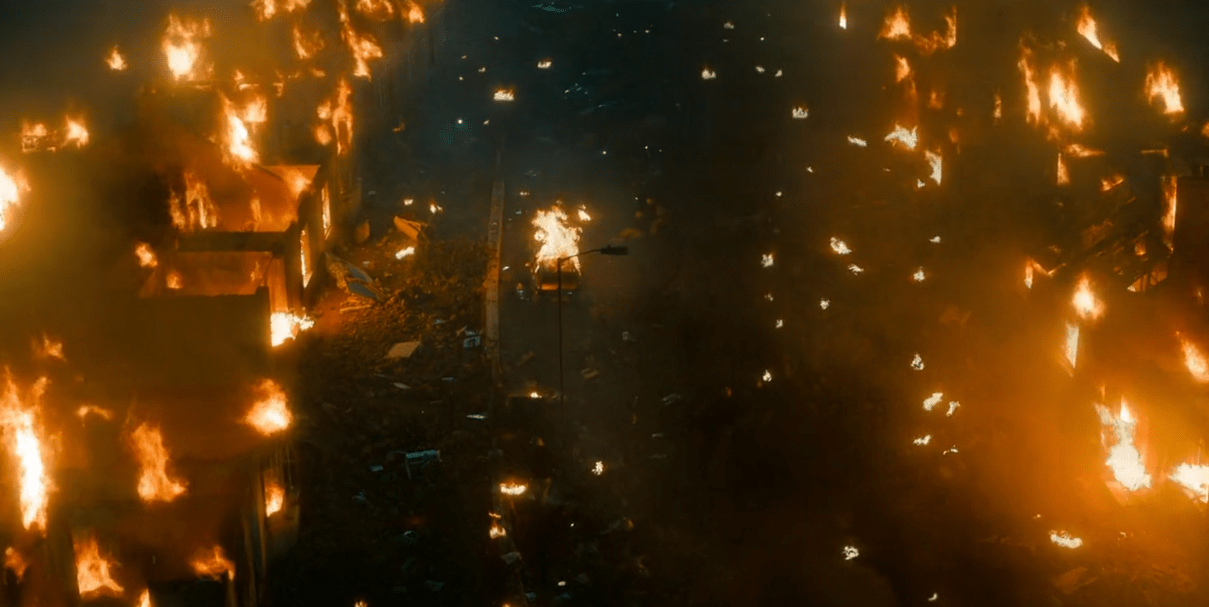
‘The Bombing of Pan Am 103’ begins on the night of the tragedy, as people board the flight not knowing what is about to happen. With only a few days left before Christmas, the small town of Lockerbie is in a festive spirit, but that is soon overturned as a burning plane crashes right there, destroying multiple homes in its wake. Detective Sergeant Ed McCusker is among the first to make it to the site, and is met with a ghastly flame, and the cries and pleas of the hundreds who are in need of help. By the following day, it is confirmed that not a single person aboard the flight survived, and with people from all over the world involved, this quickly becomes the biggest case of its kind in British history.
FBI Agent Dick Marquise is tasked with heading the American front of the investigation and is quick to suggest a constant stream of information transfer. However, with almost all of the burned evidence secured in Lockerbie, this proves to be somewhat challenging. As the weeks go on and it becomes evident that this was a targeted bombing, the police begin to inspect the remains from inside the plane, before coming across fragments of a radio that raise suspicions. Months before the bombing, investigators had apprehended a bomb fitted inside a radio with a timer, and this became the leading explanation for how someone snuck in an explosive inside a plane.
Though the investigators seem to be breaching new ground every day, the gaps in communication frustrate Dick and others. Ultimately, it is decided that Ed McCusker will head to the US as a representative of the Scottish police, and from there, the search gets a second wind. Not long after, another crucial piece of evidence is uncovered, sending investigators to Malta, where they attempt to track down the people who may have assembled and shipped the bomb. However, spending so much time on the case takes its toll on Ed and his family. By 1990, the investigation seems to be almost out of ideas, until a similar case of aviation terrorism is brought to light, and from the patterns emerges a new trail of evidence, and with that, a new list of suspects.
The Bombing of Pan Am 103 Ending: Who Was Behind the Bombing?
‘The Bombing of Pan Am 103’ ends with a Libyan operative named Abdelbaset al-Megrahi being convicted for the crime that took 270 lives. Though at first, he and fellow Libyan Lamin Khalifah Fhimah are both arrested as the prime suspects, the verdict eventually finds Megrahi to be solely guilty of the crime. This is a decision years in the making, and it all begins with a piece of fabric. After investigators trace the damaged bits of clothing tied to the bomb and its timer, they eventually come across an identifiable label that traces back to Malta. From there, the search narrows down to the person who sold the clothes, a Maltese shopkeeper named Tony Gauci, who then points the investigators towards Megrahi, who at the time of the bombing worked for Libyan Arab Airlines.
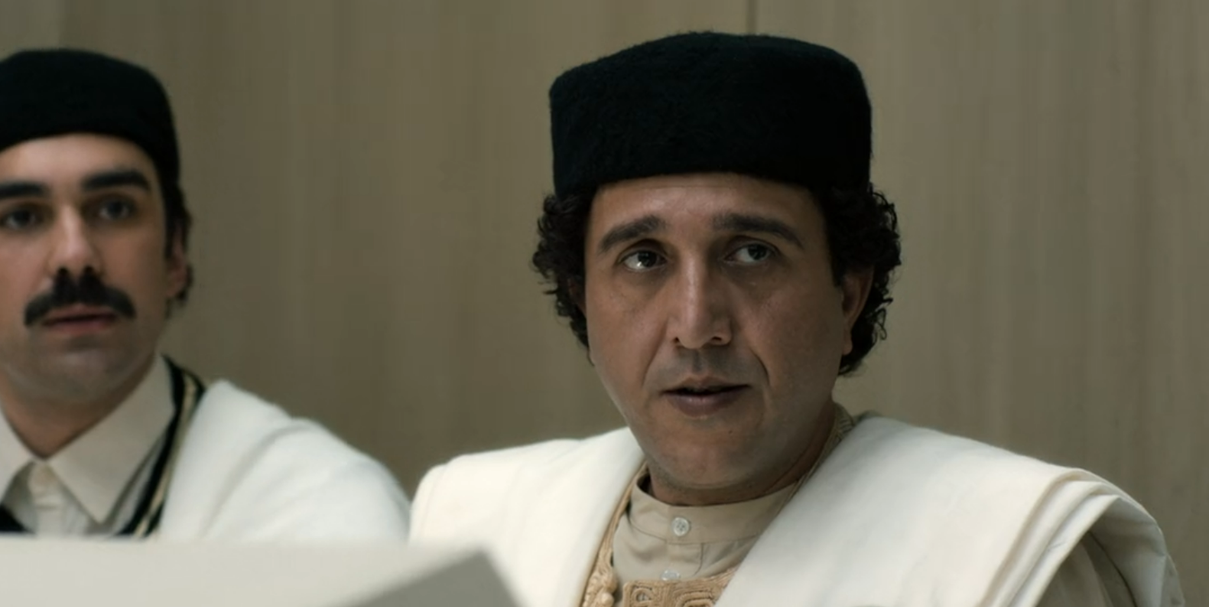
Though the investigators are able to identify Megrahi as a suspect, catching him still proves to be quite the challenge. The biggest link comes when the police figure out that their other major person of interest, the elusive Ahmed Abdusamad, isn’t actually a person at all. Instead, he turns out to be one of Megrahi’s many aliases, threading together these disparate cases of aviation terrorism. Megrahi isn’t declared to be the sole mastermind either, as a broader investigation points towards Lamin Khalifah Fhimah being a potential suspect. With enough material and a group of protected witnesses to back up the argument, the authorities indict both Megrahi and Fhimah, only for the Libyan leader to refuse the extradition and trigger years of unrest.
The political stalemate emerging out of the Libyan leader’s decision is broken at last after years of negotiations, following which Megrahi and Fhimah are sent for trial on a neutral ground, at Camp Zeist in the Netherlands, without a jury. In the complex court case that follows, the evidence as well as the witnesses all point towards Megrahi, bringing him to justice after more than a decade after the bombing. In the show’s credit sequence, we cut back to the real-life trial of Megrahi, revealing that he was found guilty on 270 counts of murder, and sentenced to a minimum of 20 years, a number that was updated to 27 during subsequent legal review. In August 2009, he was released on compassionate grounds after his terminal prostate cancer diagnosis, and passed away 3 years later, in May 2012, bringing an end to this chapter in history.
Why is Lamin Khalifah Fhimah Found Not Guilty?
While Abdelbaset al-Megrahi is convicted in connection with the bombing of Pan Am 103, Lamin Khalifah Fhimah, his co-accused, is acquitted of all charges. Though Fhimah is believed to be the missing link that connects Megrahi to Pan Am 103 via Luqa Airport, in Malta, the actual evidence that is presented in court tells a slightly different story. The investigators’ strongest evidence, Fhimah’s diary, seems to have an entry about bringing tags to Air Malta, tags which could potentially be used by Megrahi to secure a route for an unaccompanied suitcase to the US, via Frankfurt. However, just the mention of tags alone doesn’t link him directly to the entire event, and the court’s ultimate verdict reaffirms that.
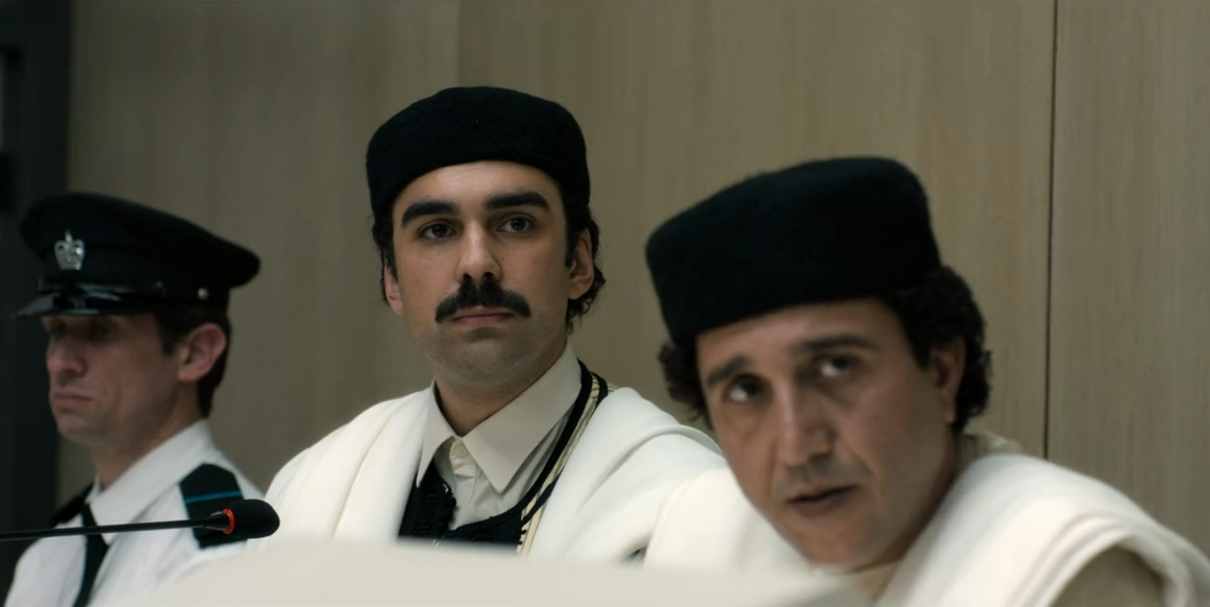
Fhimah’s portrayal in the story, in contrast to Megrahi’s, highlights the broader ambiguities that characterize such intense events. Though investigators from all over the world spend almost a decade collecting every bit of evidence and intelligence, there are still huge gaps in the case that eventually have a compounding effect on the trial itself. To that end, the show stays largely accurate to real life, and credit sequence highlights what happened beyond the Camp Zeist trials. After being unanimously acquitted by the court, Fhimah returned to Libya the following day, where he was welcomed by supporters and relatives, and later met Muammar Gaddafi. While little is known about his life beyond that point, he remains a free man.
Did Abu Agila Mas-ud Help Megrahi? Is He Convicted?
Perhaps the most unusual detail about the case only emerged a few years after Megrahi’s conviction. In the credits scene, we learn that subsequent investigations began examining Abu Agila Mas-ud’s role in the case in a new light. Mas-ud, who U.S. prosecutors describe as a former explosives specialist for Libya’s External Security Organization, isn’t depicted as an integral character in the actual trial sequence, with the investigators putting all of their weight behind Abdelbaset al-Megrahi and Lamin Khalifah Fhimah. In reality, however, U.S. prosecutors allege that he constructed the bomb and had contacted both Megrahi and Fhimah prior to placing the bomb and setting up a timer.
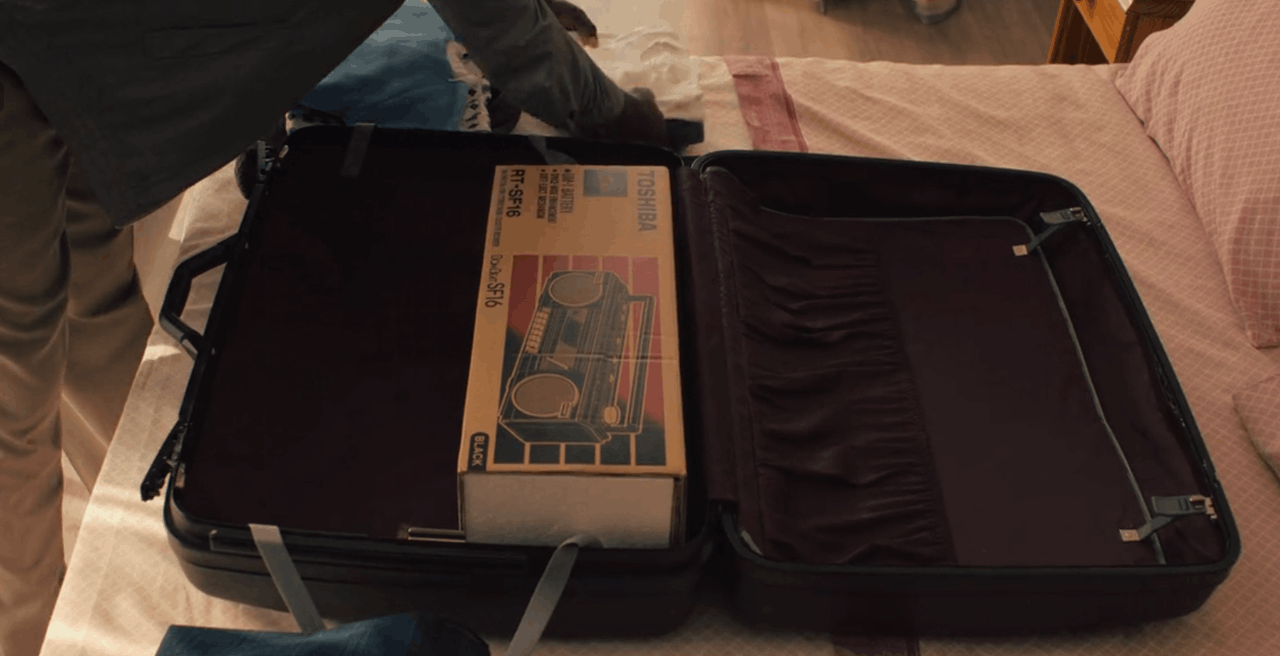
While the credits scene explains that Mas-ud was indicted by U.S. prosecutors roughly two decades later, the reality of the events is a bit more complicated. After the death of Muammar Gaddafi in 2011, Mas-ud was reportedly imprisoned in Libya and interviewed by a Libyan official in 2012. According to U.S. investigators, Mas-ud confessed, during the interview, to working with Megrahi and Fhimah in the bombing of Pan Am 103. In December 2022, he was brought into U.S. custody and pleaded not guilty, and as of writing, he is still awaiting trial. While most of the information presented comes from the prosecution’s side, the larger picture is still pointing towards the message of the TV series, about how there are still too many variables to account for, and without addressing that, justice cannot prevail.
What Happens to Ed, Dick, Kathryn, and the Others?
By fictionalizing the lives and perspectives of some of the real people who worked on the investigation, ‘The Bombing of Pan Am’ achieves a dramatic effect that allows for broader thematic inquiries. In the cases of Ed McCusker, Dick Marquise, Kathryn Turman, and the others, we are met with stories that hardly reach an end, even after the case is tried and wrapped up. On the contrary, their lives are left with a gaping hole, one that affects their psyche as well as their relationships with family and the community at large. In a way, Sandy‘s death in episode 3 isn’t just a random incident that jolts the investigators but a symbolic representation of the limbo Ed and company find themselves in.
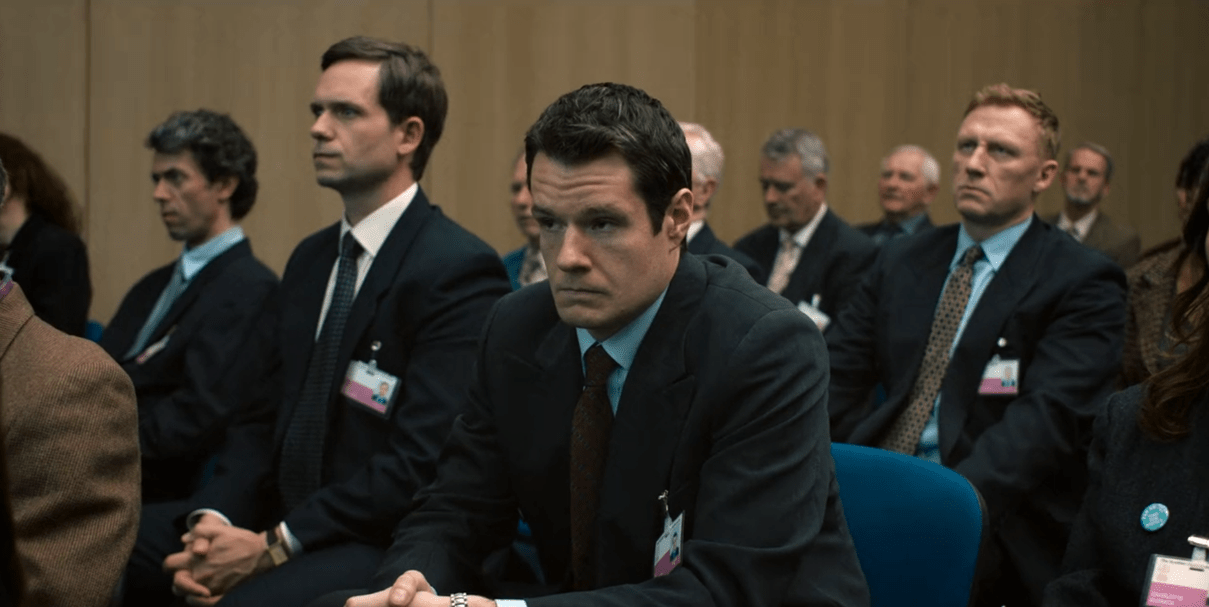
In the final moments of the show, we get a peek into how life looked for Ed, Dick, and Kathryn beyond the trial. While Ed went on to work with the United Nations, Dick devoted himself to raising awareness about the importance of multiple agencies collaborating on a case, a point reflected in the Pan Am investigations. Kathryn served as Assistant Director of the FBI’s Office for Victim Assistance, overseeing the bureau’s victim-support work for cases including the September 11 attacks and other mass-casualty tragedies. While this broadly describes their career trajectories, there is no easy answer to how their psyches were impacted by the bombing and its aftermath, and the same holds true for our characters, who largely remain as elusive as ever.
Read More: Is DS Sandy Gay Based on a Real Person? How Did He Die?


You must be logged in to post a comment.