
 Aahana Swrup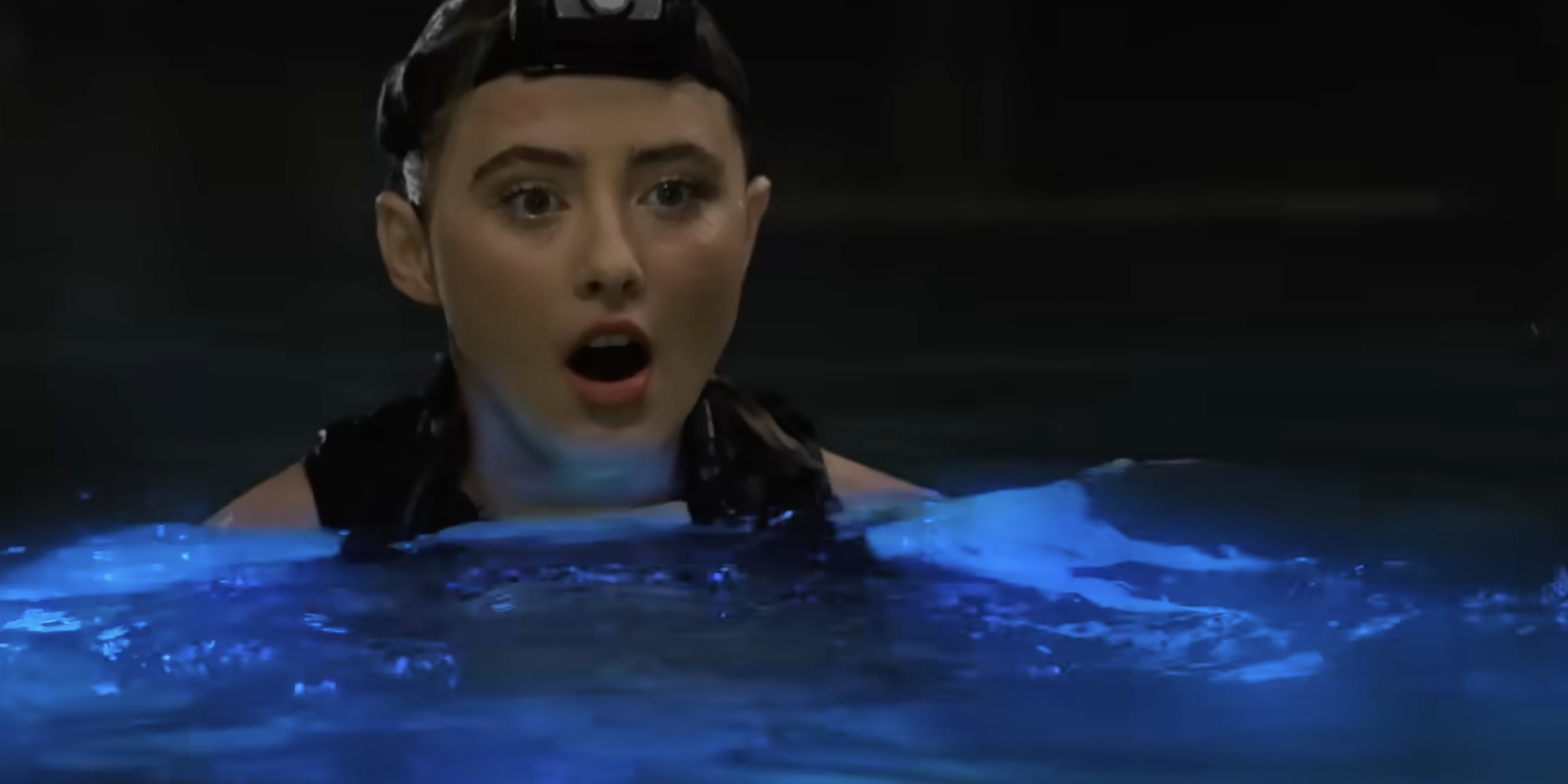
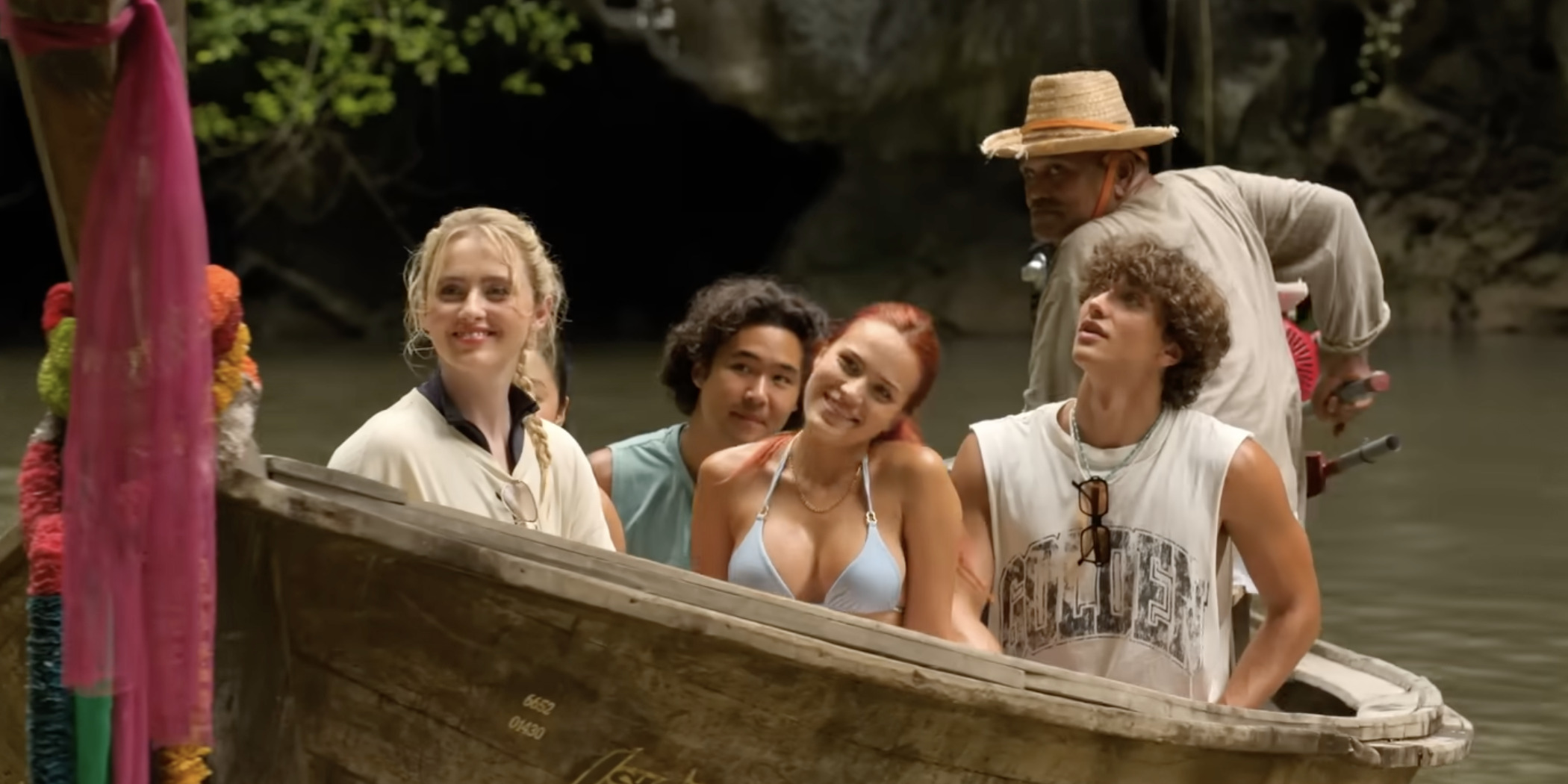
‘The Devil’s Mouth’ takes the viewers along for a deadly adventure into the depths of a shark-infested submerged cave. The Jeff Wadlow directorial follows a group of friends who have traveled to Thailand for a vacation as a last hurrah before stepping into the mundanities of adult life. Thus, their expedition into the Devil’s Mouth Cave, a local attraction, is meant to be a memory-making adventure. However, things take a nightmarish turn when Sara and her friends realize that they’re sharing the rocky, maze-like caves with a Bull shark that has managed to entrap itself in the freshwaters and is now hungry for blood. As a creature feature, the film mines a majority of its horror from the central shark, making the toothy beast one of the most crucial aspects of the story. Naturally, the shark’s significance in the project is bound to ignite the audience’s curiosity about the potential behind-the-scenes reality of the animal.
The Devil’s Mouth Uses CGI to Bring the Bull Shark to the Screen
In ‘The Devil’s Mouth,’ the Bull shark preying on Sara and her friends serves as the central antagonist and the sole source of horror in the story. For the same reason, director Jeff Wadlow had a number of things he wanted out of the character’s visual and thematic elements. For one, he wanted the sea predator to feel real for the audience despite the fact that a real-life counterpart couldn’t be used for the role. Sharks have historically presented many problems for filmmakers, which is why most contemporary shark movies tend to avoid employing the real animals during shooting.
Therefore, Wadlow and his crew were also confined by the same limitations. As a result, the shark ends up being largely digital, blending modern tools and CGI to deliver a realistic visual horror to the film. Wadlow, who has directed various titles with prominent production demands, including ‘Kick-Ass 2,’ ‘Truth or Dare,’ ‘Fantasy Island,’ ‘Imaginary,’ and more, has always been a big proponent of practical effects. Therefore, even though the filmmaker greenlit the CGI-ed shark in the film, he also wanted to have a physical element involved during filming in order to influence and impact the cast’s performance. In order to achieve this, the director employed a unique solution. In a conversation with Comic Book Movie, he spoke about the same.
Wadlow shared, “I had the art department build a life-sized version of the shark we designed. And the shark we designed looks quite different from an actual bull shark because I wanted it to have this really muscular kind of neck, so you understood that it was going to beat you with its skull, which is something that bull sharks do. They strike their prey with their head to stun them. So I built the life-size shark. I put it in my office. So whenever we were talking about the shark or rehearsing a scene, I’d be like, “Look how big that thing is. That’s the size of the shark.” Just constantly trying to remind people. We had a fin on an RC boat that we would pilot around the five-foot (water).” Even though this physical version of the shark never made it to the screen in the final cut, it has a notable impact on the final version of the CGI bull shark that circles the waters in the film.
Read More: Is Marcellus the Octopus Real or CGI in Remarkably Bright Creatures?


You must be logged in to post a comment.