
 Aahana Swrup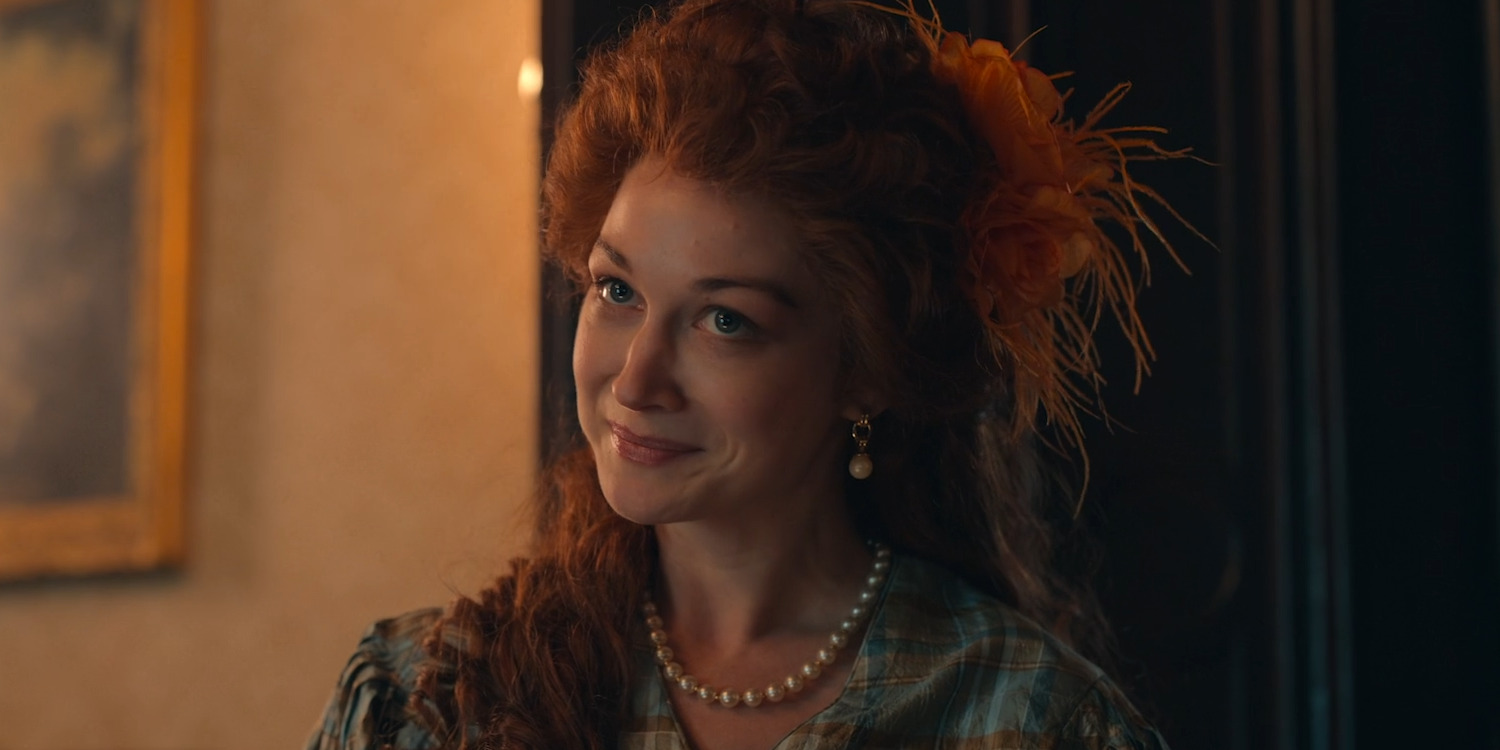
‘The Gray House’ charts a story about spies and espionage in the era of the American Civil War. The story is set in Richmond, Virginia, during the 1860s, when the city became the capital of the Confederacy with President Jefferson Davis setting up his titular house in town. During this time, the Van Lew family, namely its mother-daughter duo, Eliza and Elizabeth, operated an Underground Railroad that quickly devolved into a secret spy network used to gather crucial Confederate intel to share with the Unionists in the North.
The Van Lew’s network of clandestine agents was widespread, notably including Mary Jane Richards, who earned her freedom from slavery but still volunteers to infiltrate Davis’ Gray House to have access to top-secret information. Clara Parish, a prostitute excelling in business among men of high stature in town, is another such agent. Given her significance to the central spy network in the historical show, her characterization and the role she plays in Richmond’s resistance against the Confederacy become points of notable intrigue.
Clara Parish is Partially Inspired by a Real-Life Unionist Spy
‘The Gray House’ is largely based on historical accounts, with substantial creative liberty employed to sharpen the details of the characters and their narratives. As a result, most of the central figures in the story have direct off-screen counterparts in the history of the American Civil War, while others are inspired by historical figures in one way or another. In the case of Clara Parish, her characterization utilizes a bit of both. Off the bat, it seems the character is based on an eponymous real person who served as a prominent member of the Richmond Underground, the spy network in the Virginia city run by Elizabeth Van Lew. Accounts of the woman, known only by her first name, Clara, and her codename, Belle, are mostly shared by Thomas McNiven, a baker who was also a part of the Richmond spy network.
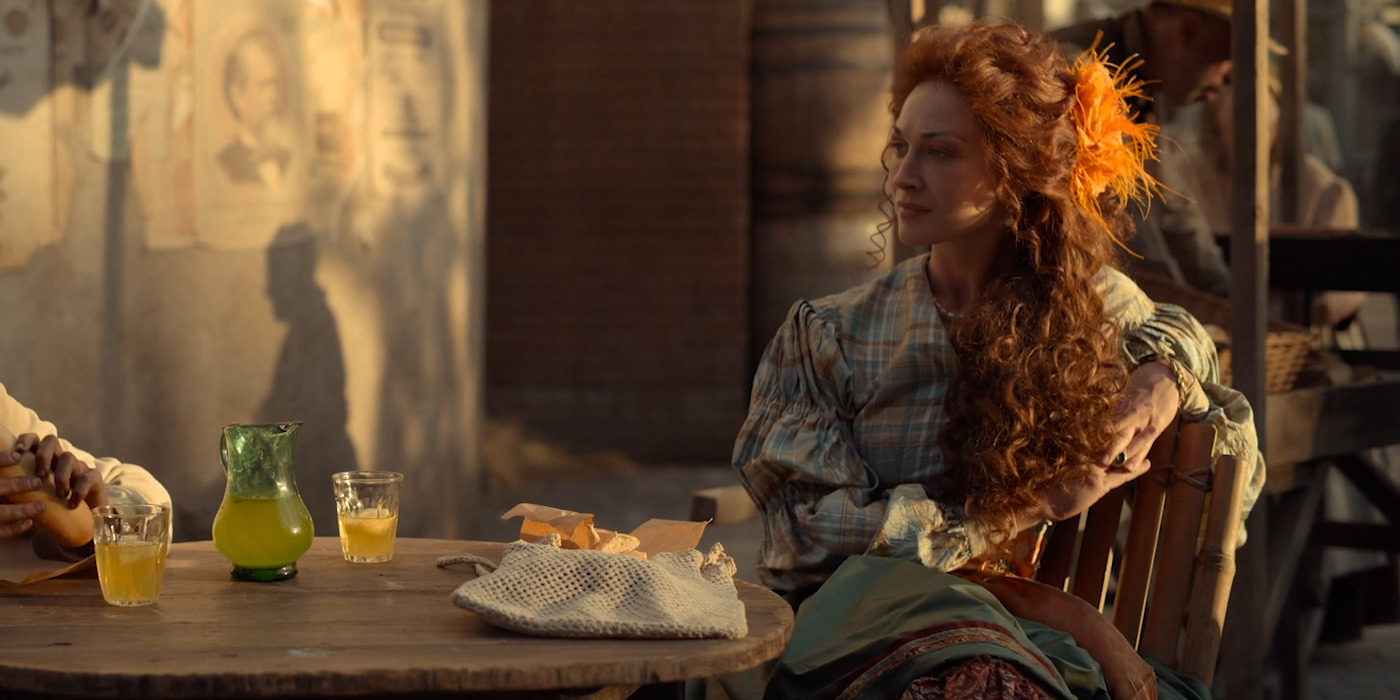
As per McNiven’s account, the network greatly benefited from the information collected by the sex workers in town, who regularly interacted with government and military officials as a part of their profession. He highlighted the importance of Clara, who was among the spy network’s most valuable assets. Clara was reportedly involved with a member of the real cabinet, who routinely spilled secrets of the state with her. Some of the information that she gathered included intel on the 1864 Battle of Spotsylvania Court House. The details of what happened to Clara later in life, in the aftermath of the Civil War and the rule of the Confederacy, remain unknown. Furthermore, little information is available about her own personal life outside of her commendable contribution to the Union’s cause. As a result, while the show’s depiction of Clara Parish is undoubtedly inspired by the real-life sex worker and spy, the details of her characterization are a blend of fact and fiction.
Clara Parish’s Storyline Highlights the Contribution of Sex Workers and Seductresses in Espionage
Although Clara Parish’s character takes a base inspiration from the real-life Clara of the Richmond Underground, a lot of the storylines revolving around her are fictionalized. Even so, the nature of her narrative remains rooted in reality. Notably, through her character, the show delves into the reality of the involvement of sex workers and other women, who use their sexuality as a tool to gather information in large-scale espionage networks. Historically, a number of female spies were a part of the spy battlefield in the Civil War, from both sides of the conflict.
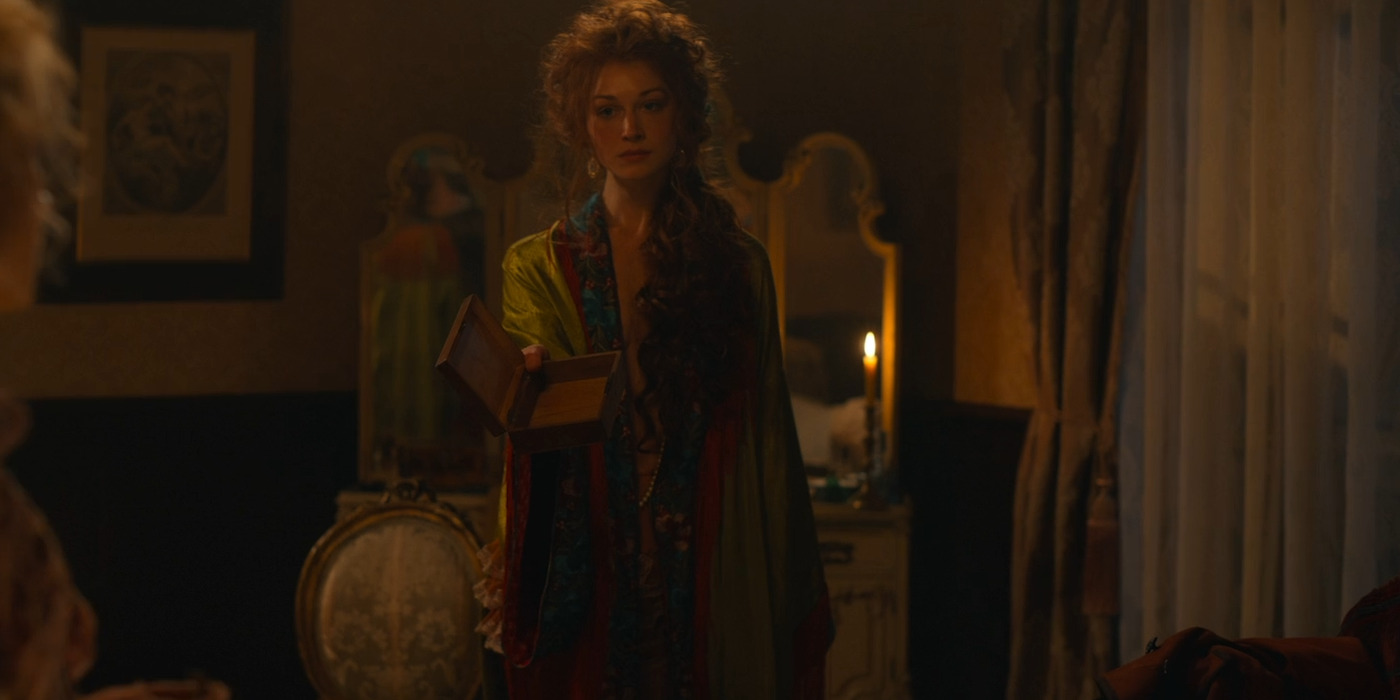
Many women, including sex workers and high-society socialites, worked as spies for the Confederates and the Union, gathering important intel from their lovers for their respective causes. As per Thomas McNiven’s recollection, the North had a number of spies in the form of prostitutes in Richmond, Virginia. On the other hand, the South had its own fair share of seductresses, such as Rose O’Neal Greenhow in Washington, DC, whom Jefferson Davis credited with a key role in the Confederates’ victory in the 1861 First Battle of Bull Run. Other socialite women who used their social engagements to further the cause of the South include sisters Ginnie and Lottie Moon. As such, the storylines showcased in ‘The Gray House’ revolving around Clara Parish and her ring of prostitute spies find substantial reality in history.
Read More: The Gray House’s True Story, Explained


You must be logged in to post a comment.