
 Aahana Swrup
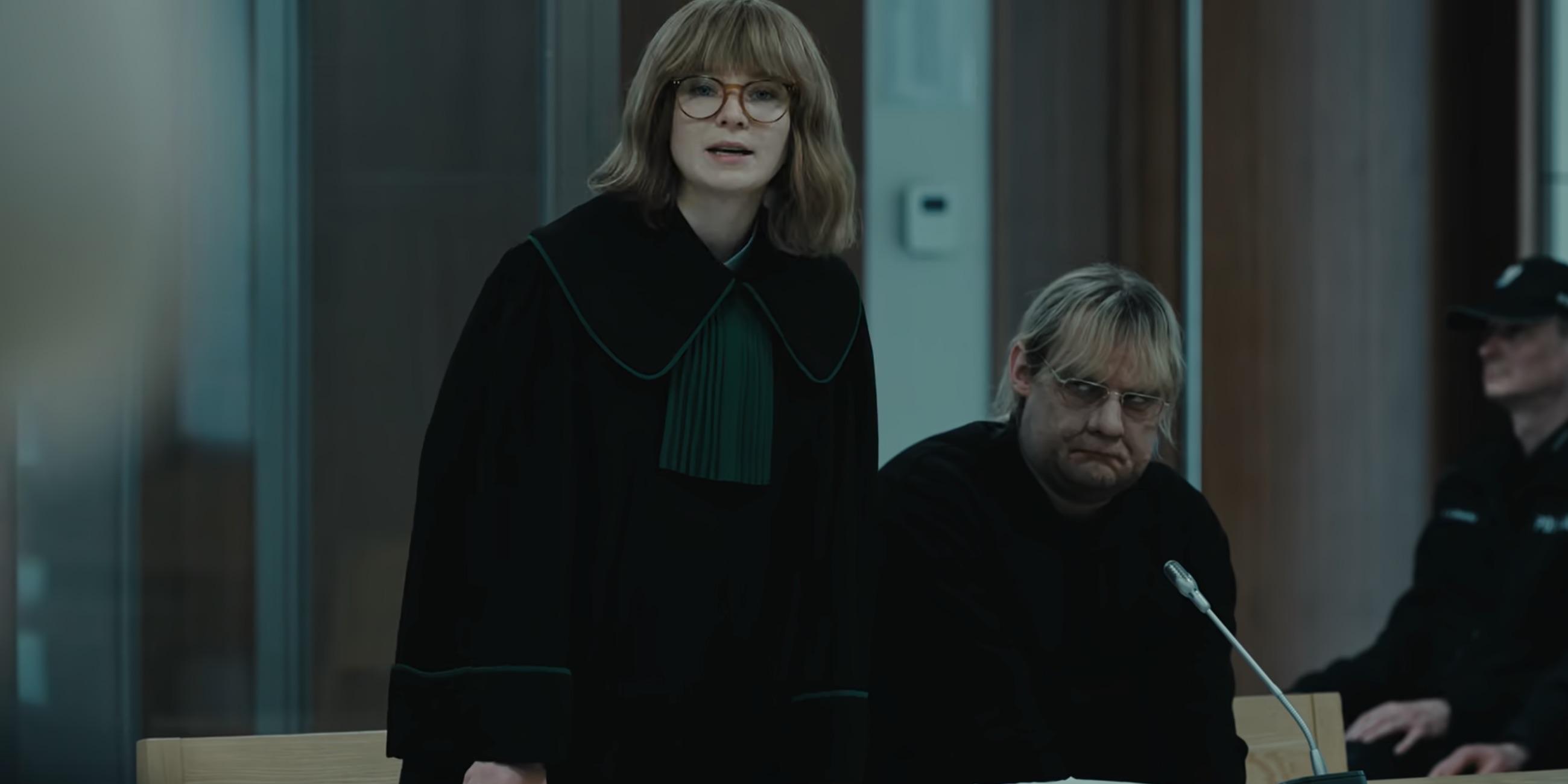
Originally titled ‘Prawo Bestii,’ ‘The Law of Beasts’ is a crime drama series that delves into a horrendous case that brings about a controversial change in the Polish justice system. The story is told in a dual timeline, 25 years apart, with Major Anna Bersz and Professor Agnieszka Grabska at the center of each storyline. The murder of a group of young boys sends the city of Piotrków into a vigilante paranoia. Shortly after Major Anna is put on the case, the perpetrator, Mariusz Trynkiewicz, is caught.
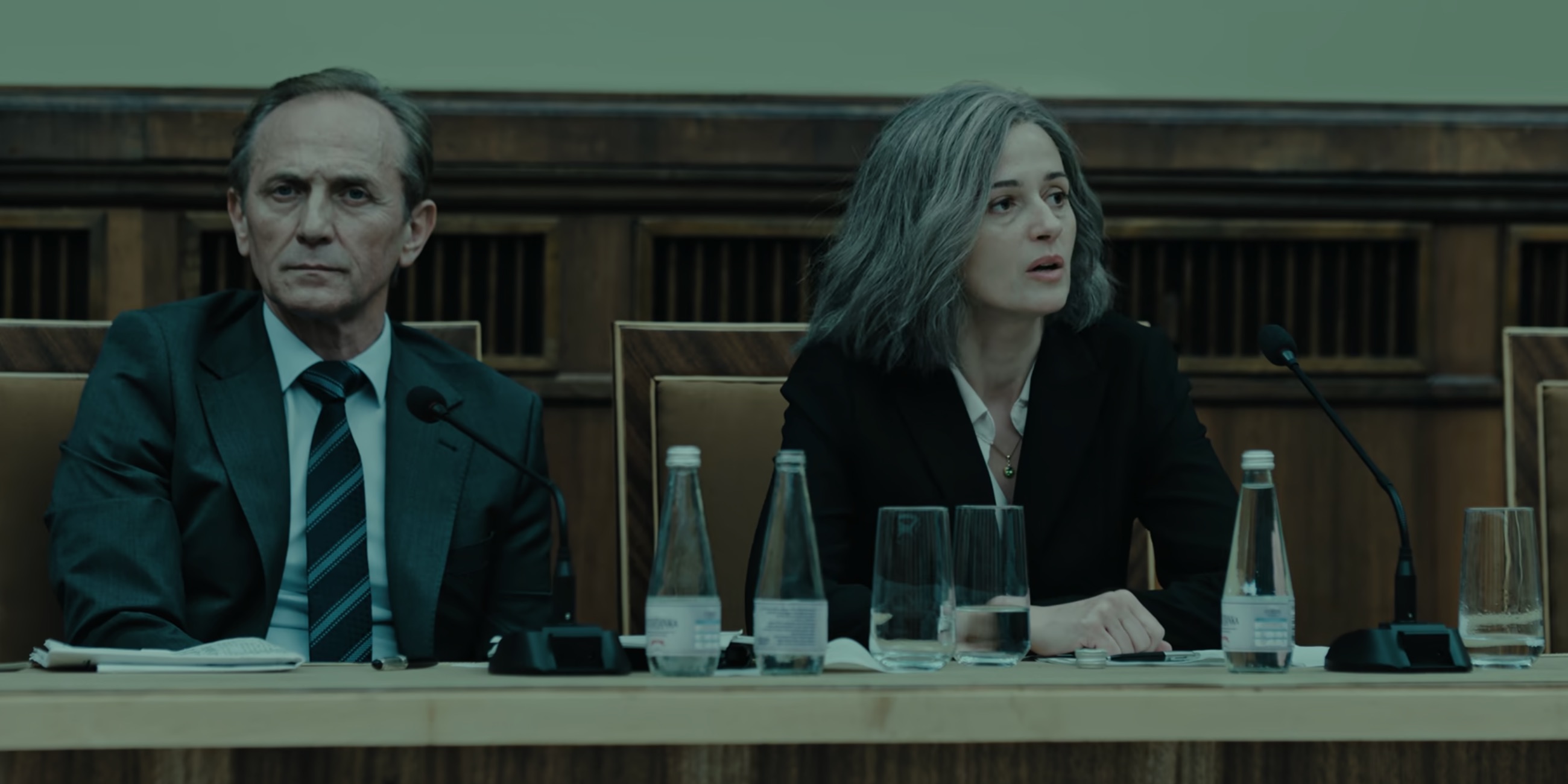
Later, Grabska leads the charge in the convicted serial killer’s sanity evaluation. Over the course of this tense investigation, the friendship between the law enforcement officer and the psychiatrist is tested to the point of ruin. Decades later, once Mariusz has served his prison sentence, the two women cross paths again with different ideas about what the criminal’s future should look like. Through the dynamic between these two characters, the Netflix show tells the true story about the real-life serial killer, Mariusz Trynkiewicz, and his impact on the country’s legal system.
The Real-Life Polish Serial Killer at the Center of The Law of Beasts
‘The Law of Beasts’ presents a dramatized version of the true crime story surrounding Mariusz Trynkiewicz, the real-life Polish serial killer. He was convicted of the murders of four young boys from Piotrków Trybunalski, Poland. Even before then, Trynkiewicz, a physical education teacher, already had a rap sheet connected to violence and abuse against minors. While he served in the military, the military court found him guilty of kidnapping and raping a young boy. As a result, he was sentenced to one year of imprisonment. However, there was a two-year delay before the start of the imprisonment term. During this time, his prison sentence was increased to two and a half years after he was found guilty of molesting another young child.
Nonetheless, Trynkiewicz was released early because of his mother Urszula’s deteriorating health. On July 4, 1988, he struck again, luring a 13-year-old Wojciech Pryczek into his apartment in Piotrków. After an initial struggle, the convict killed the child, disposing of his body in the forest. Within the same month, he lured three other pre-teens: 12-year-old Artur Krawczyński, 11-year-old Tomasz Łojek, and 12-year-old Krzysztof Kaczmarek back to his place. Eventually, when one of these boys expressed his desire to leave, Trynkiewicz armed himself with a knife and stabbed all three of his victims to death.
Initially, the killer kept the remains in his basement. After a few days, he drove into the forest in the middle of the night with the bodies and set them on fire. However, soon enough, these burned remains were discovered by a passerby mushroom picker. The discovery of Krawczyński, Łojek, and Kaczmarek’s remains fueled the fires of public fear. Rumors spread around Piotrków Trybunalski that the killings were the work of Satanists, which is how Trynkiewicz eventually came to be known as Satan from Piotrków or Szatan z Piotrkowa. As the investigation progressed, the authorities concluded that the crime, though lacking evidence of rape, was likely sexually motivated. Consequently, queries were sent across Polish police stations about cases of molestation of minors.
This is how Trynkiewicz appeared on the lead investigators’ radar thanks to Jerzy Szymański, standard-bearer of the Citizens’ Militia from the town of Sulejów. Upon further inspection, evidence began to pop up connecting the sex offender to the triple homicide. For instance, the children’s remains were discovered to be wrapped in cloth bearing embroidered “MT” embellishments. The curtains in Trynkiewicz’s apartment matched the fabric and embroidery of this cloth. Additionally, the police found traces of blood in his place of residence, alongside the watch of one of the victims. Thus, the killer was arrested. A month later, he confessed to the murder of Pryczek. By the end of September 1989, Trynkiewicz’s criminal trial concluded with a verdict of four death sentences, one for each of his victims.
The Beast Law AKA Lex Trynkiewicz
In 1989, three months after the verdict was passed on Trynkiewicz’s death sentence, the fall of communism in the country led to the suspension of the death penalty. Instead, amnesty transformed all national death sentences into imprisonment for 25 years. As a result, the killer’s sentence was also changed. This posed a problem in the 2010s, when Trynkiewicz’s imprisonment neared its end. A social uproar followed, raising concerns among people across the country. Eventually, in November 2013, months before the killer was set to be released, the authorities passed new legislation. According to the act, commonly known as the Beast Law, civil courts were given the power to determine whether a person with a disorder who has completed their criminal sentence poses a continuing threat to society.
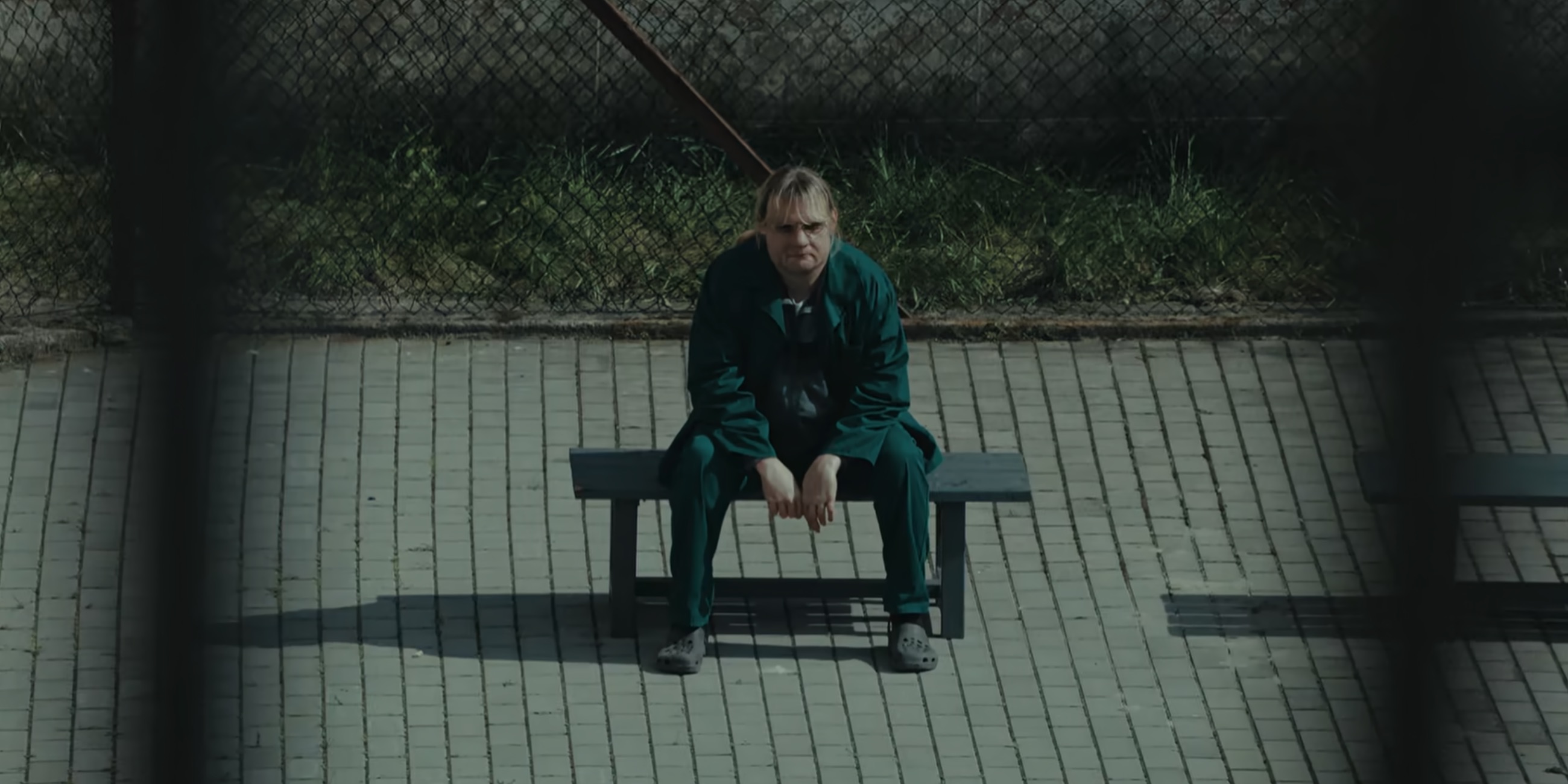
If the court, in collaboration with psychiatric experts, finds the person to be a threat to the life, health, or sexual freedom of other people, one of two things can happen. They would either be put in preventive supervision or sent to the National Center for Prevention of Dissocial Behavior for professional treatment. Placement in either the Center or preventive supervision doesn’t come with a fixed length of time. In light of this new act, Trynkiewicz’s release from prison was soon followed up by his placement in Gostynin’s National Center for the Prevention of Dissocial Behavior. He was the first person to be a resident of the Center. Later, in 2019, the killer was sent to prison again after he was discovered to be in possession of child pornography. On January 9, 2025, at the age of 62, he died in the prison hospital.
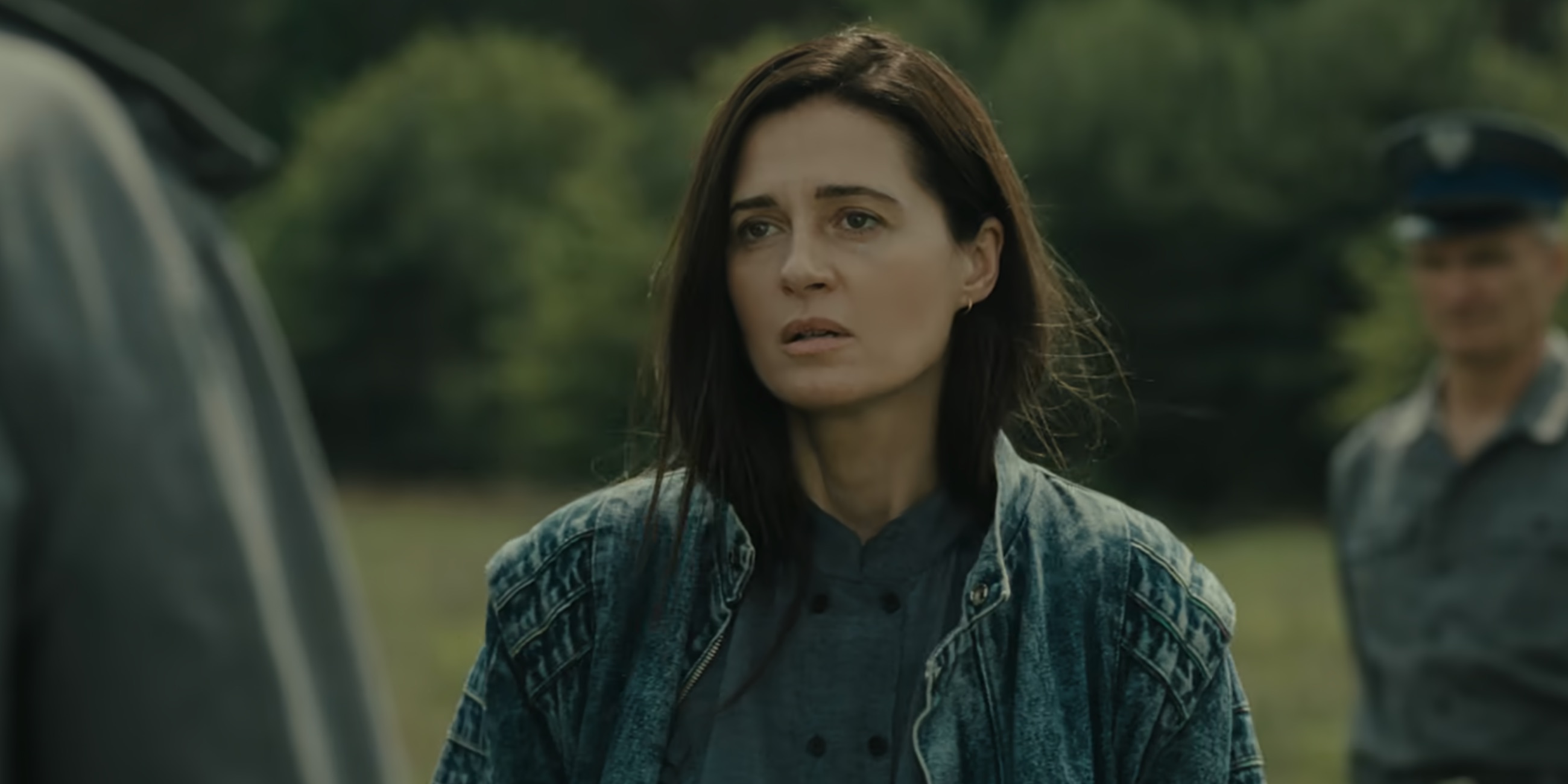
‘The Law of Beasts’ tells the story of both Trynkiewicz’s initial arrest as well as the creation of the Beast Law, which preceded his 2014 release. For the most part, the show remains historically accurate in its depiction of the serial killer and his horrifying crimes. However, it takes a more fictitious route in the depiction of the involvement of law enforcement with the case. The lead characters Anna Bersz and Agnieszka Grabska are both largely fictionalized, with storylines that are a composite of the accounts of different people involved in the actual 1988 and 2014 cases. In doing so, it unlocks certain liberties that allow it to efficiently examine the impact of the controversial Beast Law from all angles. Ultimately, this renders the narrative in the series as a blend of fact with the occasional fictionalization.
Read More: Is Hunting Season Based on a True Story?


You must be logged in to post a comment.