
 Abhiroop Das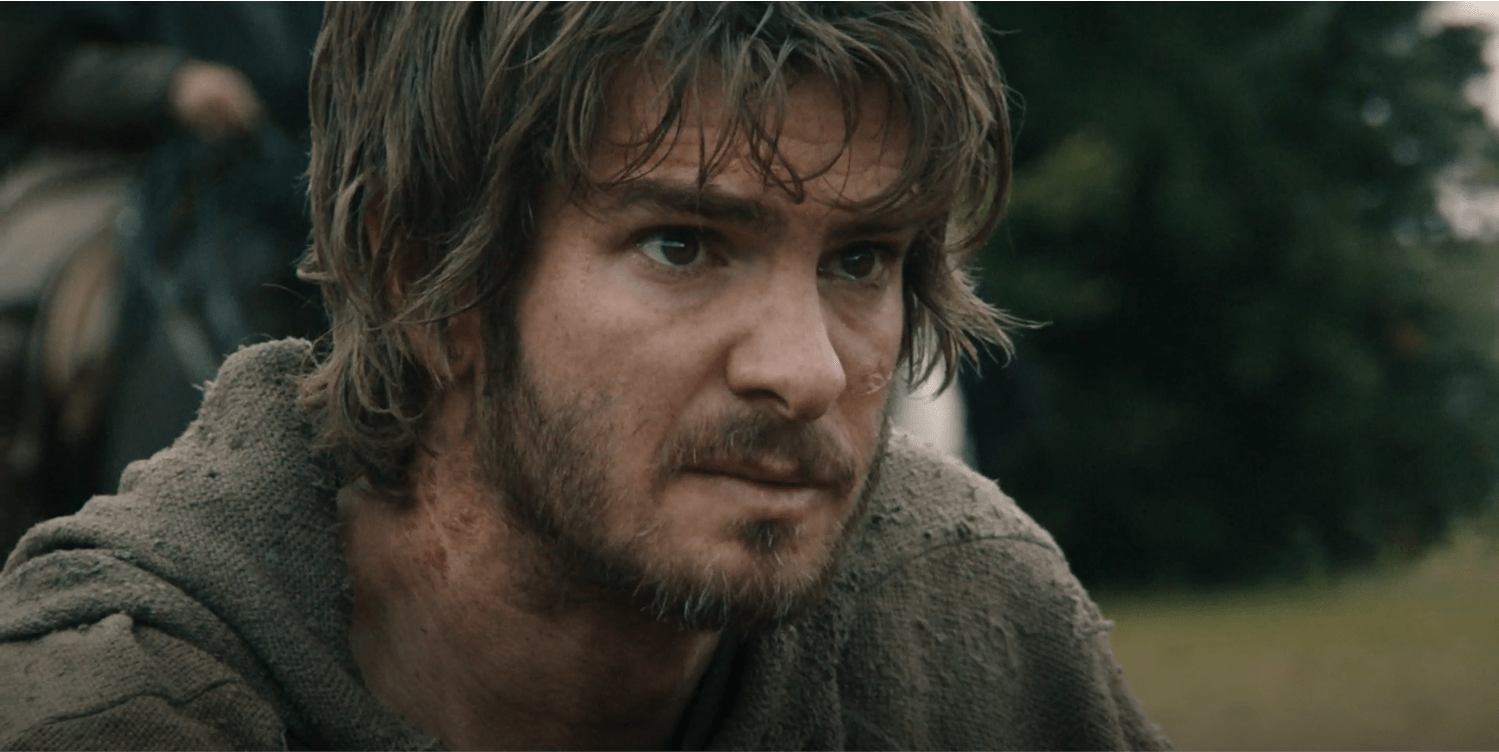
Helmed by Paul Greengrass, ‘The Uprising‘ is set in the aftermath of the Black Death, the plague that swept through England and killed almost half of its population. In times more challenging than ever, we follow the Ploughman who rebels against the rising tax toll on the peasants. His actions turn out to have a ripple effect, as very soon he becomes the inspiration for thousands across the kingdom, all of whom choose to revolt. This, in turn, leads to a revolution unforeseen by the king and his council. As the battle between the royalty and their subjects takes shape, Plowman is hailed as the leader of the peasants, gaining multiple allies and accumulating many legends along the way. As such, it is hardly surprising that he is often compared to another notorious rebel and thief whose tales have echoed over centuries.
The Ploughman’s Arc is Designed as a Fictional Origin Story For Robin Hood
The character of the Ploughman in ‘The Uprising’ is a fictional character whose journey loosely draws on the myth and tradition surrounding Robin Hood of Sherwood, rather than any specific historical figure. While both the official and unofficial comparisons between the Ploughman and Robin Hood have been the subject of much popular discourse, the debate was put to rest by writer-director Paul Greengrass, who confirmed the connection. In a conversation with IGN, Greengrass talked about how he started out not by imagining Robin Hood, but rather an unnamed fictional peasant who participated in the English Peasants’ Revolt of 1381. From there, he began to orient his reimagining of the revolt through this character’s eyes, from its beginnings, all the way to its eventual suppression by the royal authorities. However, at that point, he ran into a conundrum.
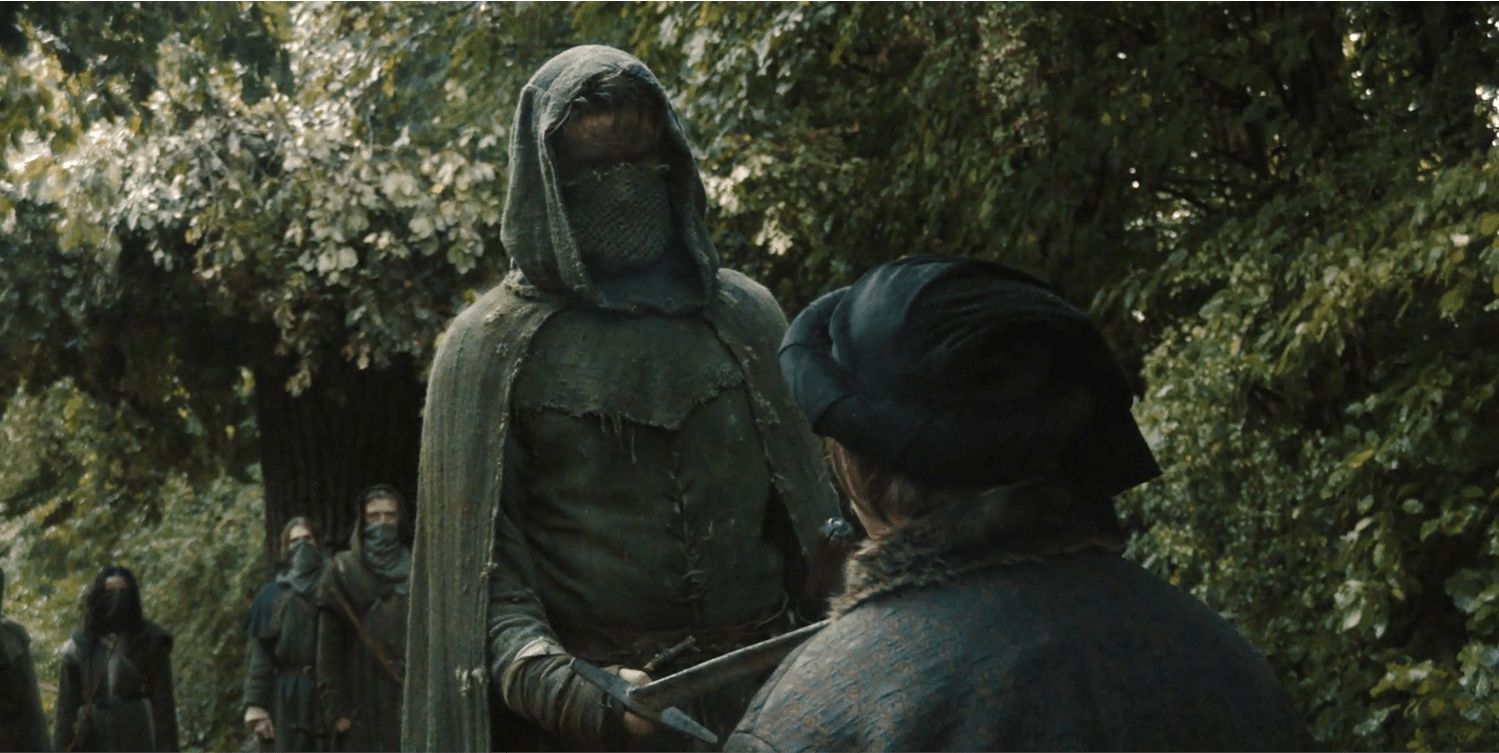
“If you’re making my movie,” Greengrass explained, “I can’t end with, ‘And then Ploughman dies,’ because I don’t want to make that movie.” He then went on to distinguish between making a biographical, period-accurate piece and the creation of a historic epic, which is how he envisioned ‘The Uprising.’ To that end, he decided that not only must the main character survive the ending, but also become a symbolic figure, so that the aspirations behind the revolt and its messages live on. It is this intention that brought him to organically connect the Ploughman to Robin Hood, but it should be noted that the movie never makes this explicit. Instead, it relies on the viewer’s knowledge of the Robin Hood myth to piece things together and gain a bigger perspective on the character.
The Ploughman Draws His Name From a 14th-Century Allegorical Poem
While the Ploughman wasn’t always meant to be a take on the Robin Hood story, that doesn’t mean that the historical link does not exist. While talking to IGN, Paul Greengrass noted that “the first reference to Robin Hood was a few years before the Peasants’ Revolt in the poem, ‘Piers Plowman.'” This is indeed believed to be true, as the 14th-century poem, also known as ‘Visio Willelmi de Petro Ploughman,’ refers to the “rymes of Robyn Hood,” suggesting that the myth had already existed in popular consciousness by that point. Greengrass confirmed that he named his protagonist Ploughman as a nod to the poem, but the character himself is informed by several historical and anecdotal sources compiled by Greengrass and his writing team.
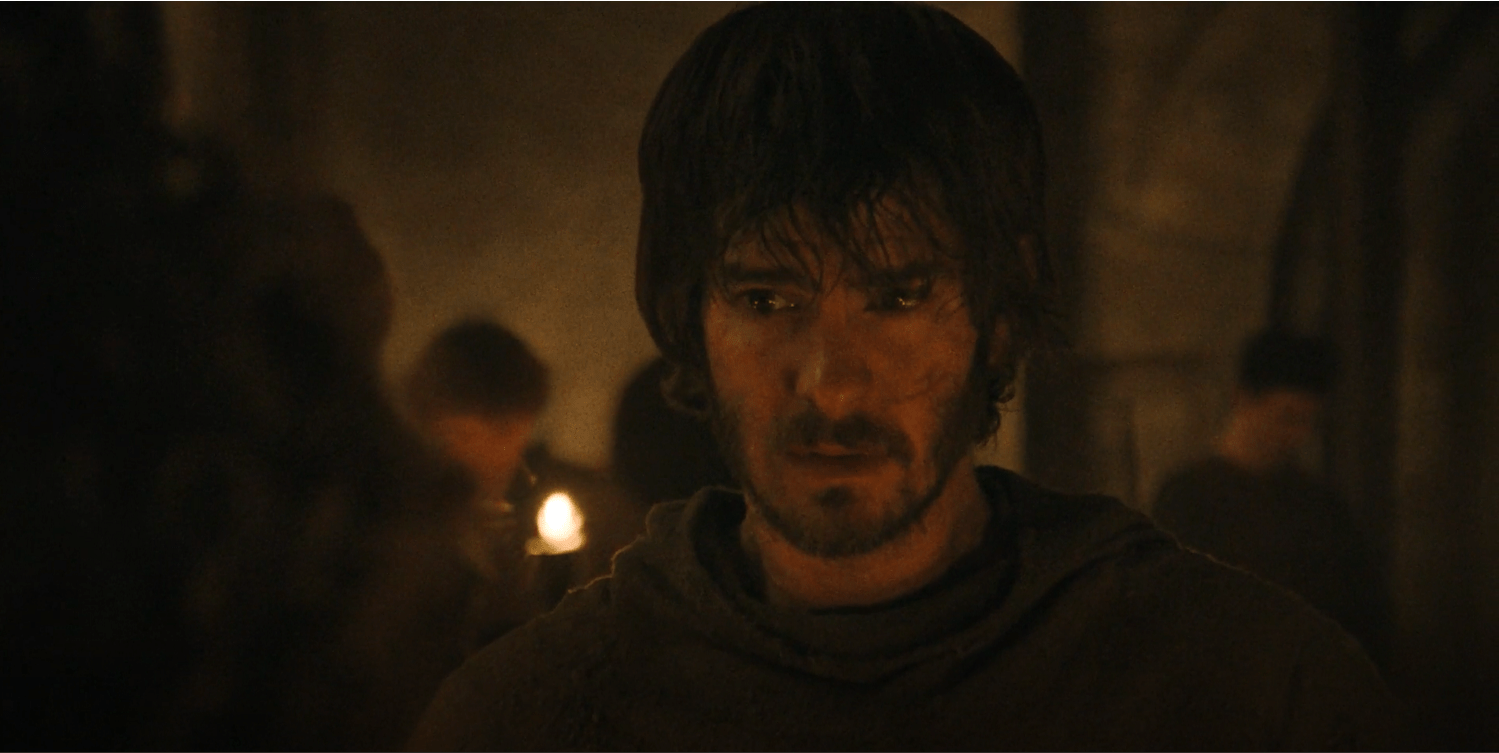
The familiar, modern conception of Robin Hood, as an outlaw who robs the rich and helps the poor, evolved through centuries of storytelling across various media. In real life, there is no conclusive evidence that Robin Hood was a single historical person, and Greengrass consciously builds off of this detail in characterizing a thematically charged rendition of the myth. The director described Robin Hood as a superhero-esque figure, whose stories, ballads, and myths have inspired many emotions in people over the years. At the same time, though, Greengrass also added that he doesn’t think that Robin Hood actually took part in the peasants’ revolt.
The Writing Team Set Out to Reimagine the Peasants’ Revolt From the Eyes of a Composite Character
While the Ploughman’s arc of transforming into a Robin Hood-like figure may be completely fictional, the actual 1381 Peasants’ Revolt does introduce some real-life parallels to this arc. Some of the leaders of the revolt, such as Wat Tyler and John Ball, are dramatized in the movie, but contrasting them are characters like the Ploughman and Alyce, who are invented in nature, and bring a fresh perspective on the historical event. During an interview with The Credits, Paul Greengrass described his intention as creating “a moderate man in immoderate times,” more specifically, an everyday farmer who took up arms. The director added, “I wanted to have a fictional character, somebody who got mixed up in it at the beginning, and then try and sort of thread their journey through to the end to see how that would feel.”
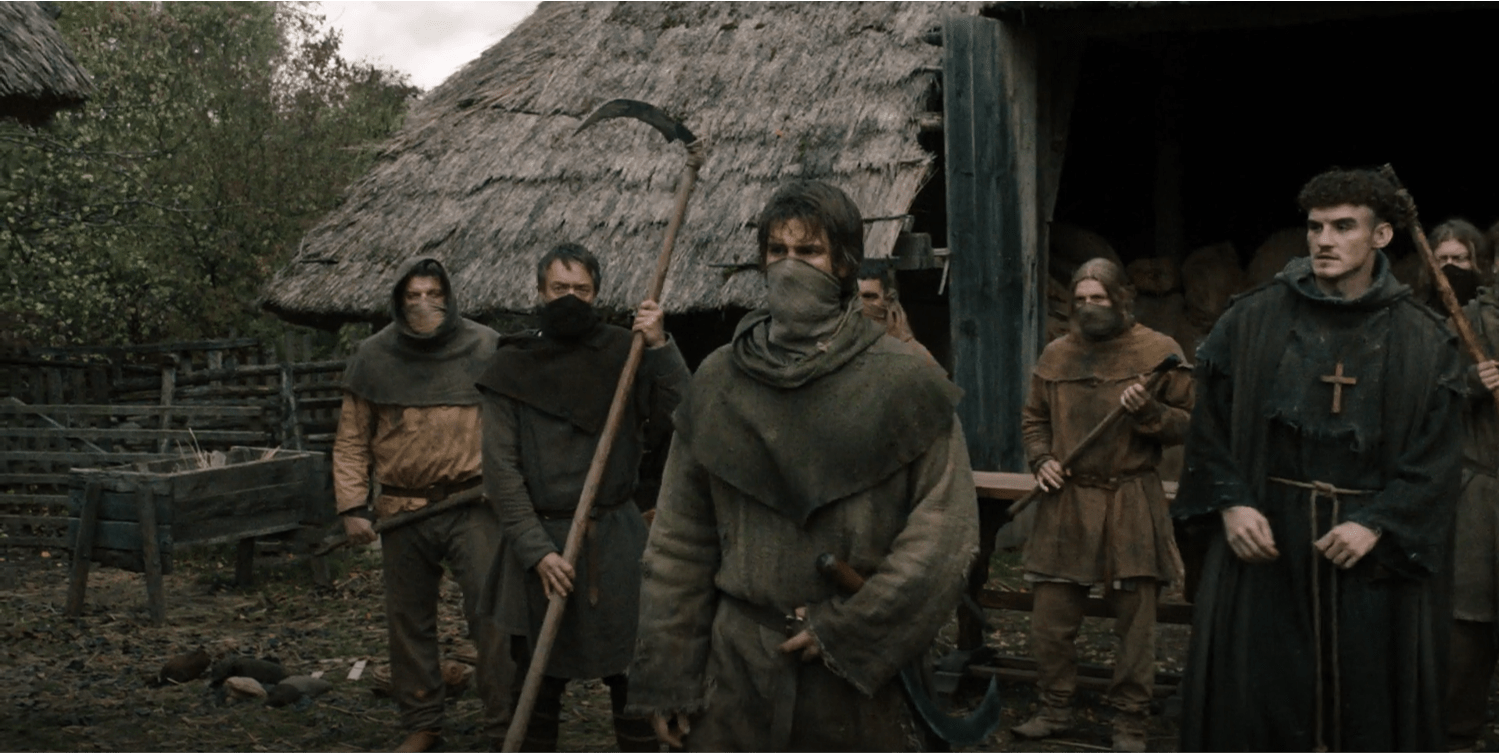
To make the Ploughman fit more seamlessly into the historical landscape, Greengrass and his team sought help from many acclaimed historians and researchers. Dan Jones, a popular historian who consulted on the film, described the Ploughman as an archetypal presence, whose design is meant to evoke broader social commentary. It is why he is often depicted with a sickle in his hand, as in doing so, he becomes a composite of the many peasants who joined the revolt in 1381. While the Ploughman isn’t meant to be a historically accurate account of the revolt or the myth of Robin Hood, he is nonetheless crucial in shaping the movie’s thematic identity.
Read More: Where Was The Uprising Filmed? All Shooting Locations


You must be logged in to post a comment.